
ICE latest: What immigration agreements and policies are in place in Philadelphia, its suburbs, New Jersey and Delaware?
Some local law enforcement agencies have signed 287(g) agreements with ICE. Others are doubling down on limiting cooperation with federal agents amid a nationwide crackdown.

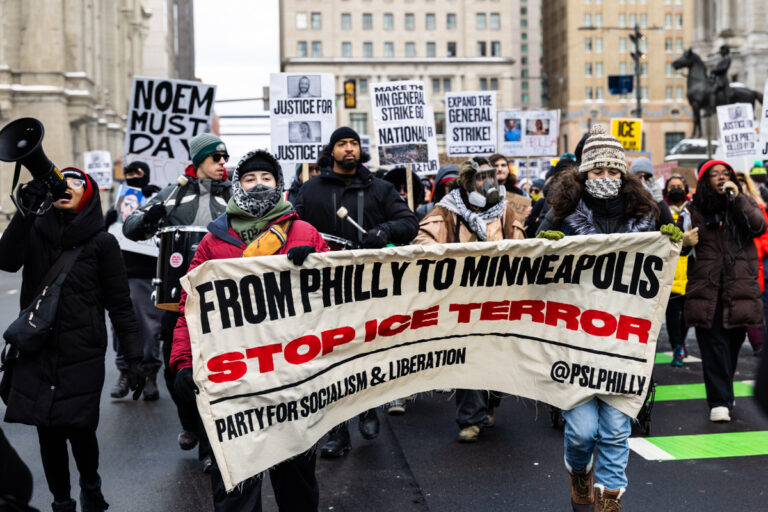
Hundreds of protesters marched against ICE in Center City, Philadelphia on Jan. 26, 2026. (Kimberly Paynter/WHYY)
Jump to a section
- ICE operations: What’s the status in the Philly region?
- 287(g) agreements: What policies are in place?
- Limiting cooperation: What legislation is proposed or in place?
Residents and lawmakers in the Greater Philadelphia region, Delaware and New Jersey continue to push back against President Donald Trump’s immigration crackdown.
After federal immigration agents shot and killed Renee Good and Alex Pretti in Minneapolis in January, lawmakers at the local and national levels introduced legislation designed to limit cooperation with U.S. Immigration and Customs Enforcement and to curtail the federal agency’s powers.
Philadelphia City Council passed seven measures in its “ICE Out” package in April, limiting federal immigration agents’ activities in the city. A federal judge ruled in July that one of the bills, which restricts law enforcement agents from wearing face coverings, can’t take effect pending the outcome of the Trump administration’s lawsuit.
Here’s what to know about ICE agreements and operations in the Philadelphia region, Delaware and New Jersey, and legislation, policies and proposals that limit cooperation with ICE.
What is the status of ICE operations in the Philadelphia region?
The Philadelphia ICE Field Office, the communications contact for Pennsylvania and Delaware, and the Newark ICE Field Office in New Jersey did not respond to requests for information about how many agents are stationed in the region. Nationwide, the agency has more than doubled its ranks in the past year.
Although Philadelphia and the surrounding area have not been subject to the intensive immigration enforcement operations seen in Minneapolis, Charlotte, Chicago, Memphis and other Democratic-led cities across the country, immigration arrests and detentions across the region have risen sharply since President Donald Trump began his second term.
New Jersey and Pennsylvania rank among the top 10 states with the most immigration arrests from Trump’s inauguration in January 2025 through March 11, 2026.
More than 70% of people currently detained by ICE do not have a criminal record, according to data from Transactional Access Records Clearinghouse, a research group that compiles immigration detention data via records requests.
Detention centers in Pennsylvania, Delaware and New Jersey
Advocates say most people who are arrested in Philadelphia are detained at the Federal Detention Center Philadelphia and Moshannon Valley Processing Center, in Philipsburg, Pennsylvania, the largest immigrant detention facility in Pennsylvania and the Northeast, with a capacity of 1,876.
Other facilities where immigrants are detained in Pennsylvania include FCI Lewisburg, Cambria County Jail, Clinton County Correctional Facility, Erie County Jail, Franklin County Jail and Pike County Jail. Immigration activists in the state have called on Gov. Josh Shapiro to shut down Abraxas Academy, a youth residential and detention services facility in Berks County where some unaccompanied youth immigrants are held.
In February, the U.S. Department of Homeland Security purchased a warehouse in nearby Berks County for potential use as an immigrant detention center. DHS has also leased office space in Berwyn, Chester County, although a spokesperson for the property said the space “will not house ICE agents or support their operations.”
In a Feb. 12 letter to federal officials, Shapiro said the state would not issue necessary permits for potential detention facilities in warehouses in Berks and Schuylkill counties. The governor also met with leaders from both counties on Feb. 26, and said he is “determined” to do everything possible to halt the administration’s plans to locate detention centers in warehouses in Pennsylvania.
Following elected officials’ pushback, ICE is reportedly looking to sell the two facilities as of June.
The two main immigration detention centers located in New Jersey are Delaney Hall Correctional Facility and Elizabeth Contract Detention Facility. DHS purchased a warehouse in Roxbury Township, Morris County, to be used as an immigrant detention center. Along with the Pa. warehouse purchases, the proposal faced considerable pushback from local, state and national elected officials, and the agency is now looking to back off the plan and sell the property.
There are no immigrant detention facilities in Delaware. The state passed a bill banning state and local funding for detention centers operated by private companies in Delaware in May.
Legal protections amid ICE operations
- Here’s what to know if you’re an immigrant living in Philly.
- Plus, advocacy groups share what to know if you are stopped by federal immigration agents.
287(g) agreements: Where are these ICE agreements in place across the Philly region?
Nationwide, there are more than 2,100 collaboration agreements between ICE and local law enforcement agencies, according to federal agency data as of July 9.
That number has grown exponentially since Trump took office in January 2025. The administration began offering additional financial incentives to local law enforcement departments for participating in the program starting in September 2025.
The 287(g) program, established by the Immigration and Nationality Act of 1996, enables local law enforcement to voluntarily agree to assist the agency. Under the task force model of the agreement, ICE can then train local officers to carry out specific federal immigration enforcement duties.
Related Content
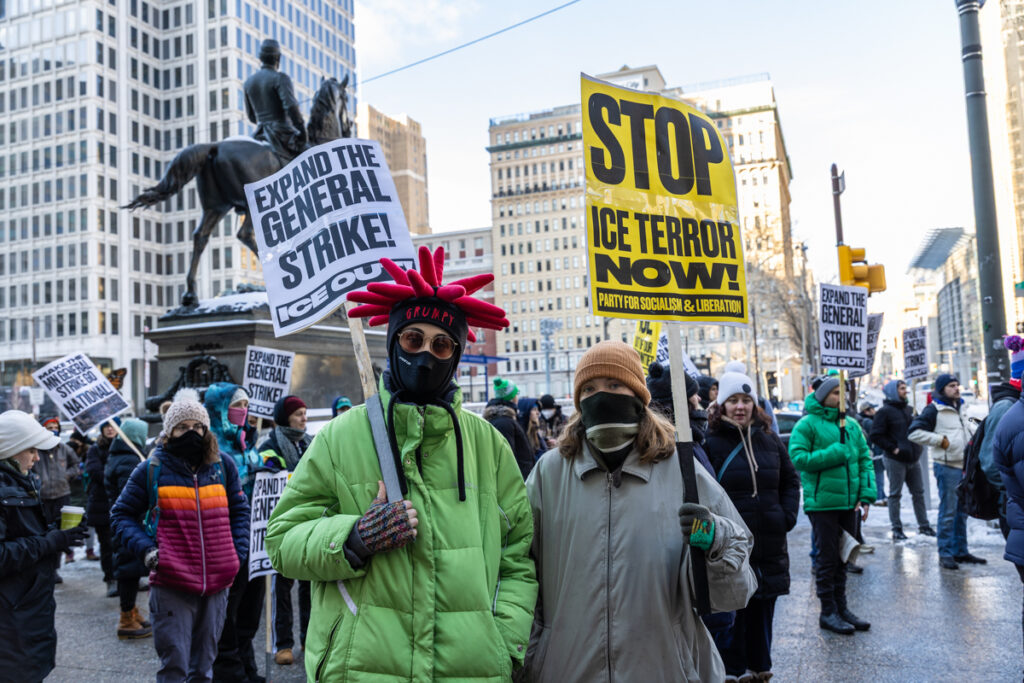
Philadelphia council members want to enshrine ‘sanctuary’ status and ban ICE masking
A proposal to restrict ICE activities could clash with Mayor Cherelle Parker’s non-confrontational approach.
8 months ago
What legislation is proposed or in place in the Philly region that limits cooperation with ICE?
Absent explicit collaboration agreements, legislators and law enforcement agencies at the state, county and local levels are navigating and defining what cooperation with federal immigration authorities looks like through resolutions, legislation and law enforcement department policies.

Get daily updates from WHYY News!
WHYY is your source for fact-based, in-depth journalism and information. As a nonprofit organization, we rely on financial support from readers like you. Please give today.
ICE abandons plans to convert 2 rural Pennsylvania warehouses into detention centers
The Pennsylvania Department of Environmental Protection said doubling the population of the rural communities would tax the sewage system and drain drinking water supplies.
2 months ago
Listen 1:00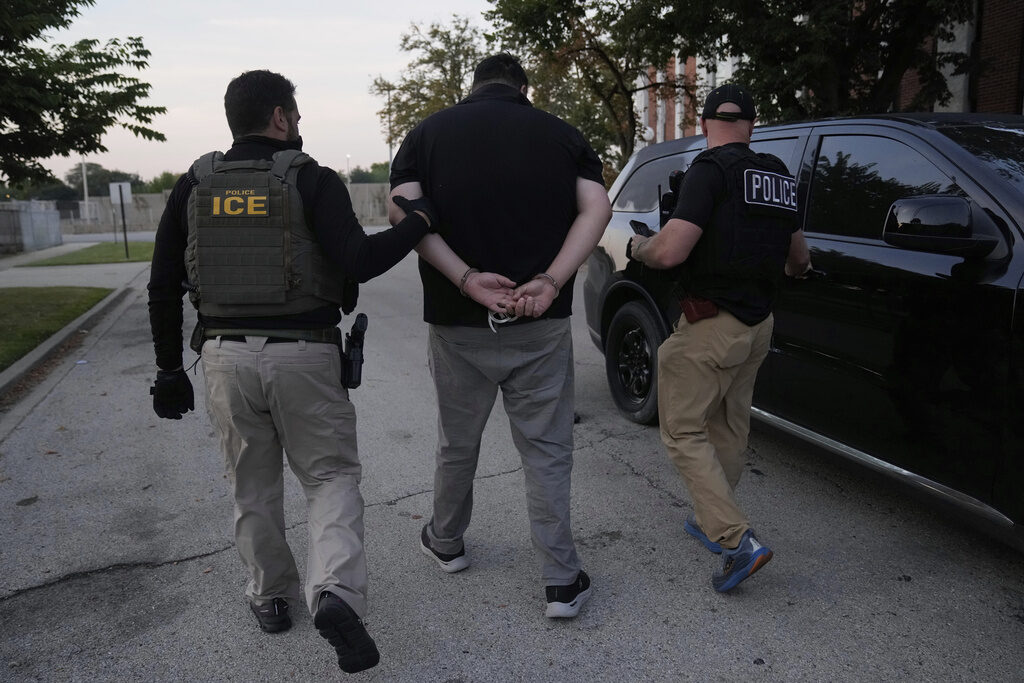
Under Trump, immigration arrests surge in Pennsylvania, Delaware and New Jersey
New Jersey and Pennsylvania rank among the 10 states with the most immigration arrests during the first 14 months of President Donald Trump’s second term.
3 months ago
Listen 1:43
Trump administration green card changes: Here’s what you need to know
The policy could be “devastating” for tens of thousands of people in Philadelphia who have applied for a green card via the adjustment of status process.
4 months ago
Listen 1:23