
In Philly, ‘every day is Black History Month.’ Here’s how the city is celebrating in 2026
As the semiquincentennial nears, Philadelphia’s cultural institutions are examining the country’s founding through the lens of local Black history.
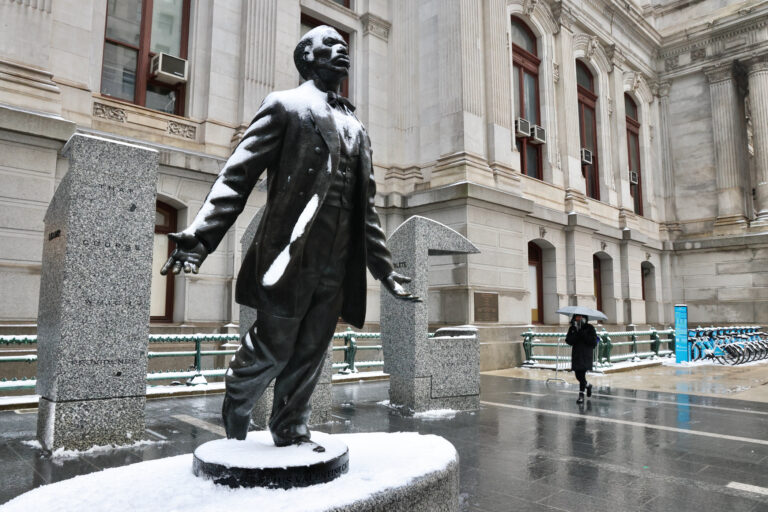
Octavius V. Catto was a civil rights leader in Philadelphia a century before the fight to end Jim Crow segregation laws. In 2017, a statue of Catto was unveiled on the south side of Philly City Hall, marking the city's first public monument of an African American. (Emma Lee/WHYY)
From Philly and the Pa. suburbs to South Jersey and Delaware, what would you like WHYY News to cover? Let us know!
As Philadelphia prepares to mark the 250th anniversary of the Declaration of Independence, several of the city’s cultural and historical institutions are using Black History Month to broaden the story behind the nation’s founding, and to remind visitors that celebrations of Black history, art and culture are not confined to February.
From exhibitions examining the declaration’s legacy to community events spotlighting local Black artists and historians, cultural institutions — such as the National Constitution Center, the Museum of the American Revolution, the Free Library and the African American Museum in Philadelphia — are highlighting programming that extends well beyond the month.
Philly’s 250th celebrations honor local Black history
Three of the Philadelphia Historic District’s “52 Weeks of Firsts” in February directly honor Black History Month. Mother Bethel AME Church celebrated America’s first African Methodist Episcopal congregation, and the African American Museum in Philadelphia just commemorated the first abolitionist society in the country.
On Saturday, Feb. 28, the historic Germantown Mennonite Meetinghouse will remember America’s first public anti-slavery protest.
Confronting the legacy of slavery amid the ideals of liberty
The National Constitution Center is examining “how, not only in 1776, the declaration and the words of the declaration have really impacted our country over the past 250 years,” said Jenna Winterle Kehres, the associate vice president of museum experience. “Many Americans, including Black Americans, have used those words to inspire [them] to fight for more freedoms.”
The center’s daily in-person programming includes a “Four Harriets of History” program, which tells the story of four women who helped confront slavery, a look at why President Abraham Lincoln issued the Emancipation Proclamation, and a short presentation about Alpha Kappa Alpha, the first Black sorority.
The museum is also hosting several virtual programs, including a walkthrough of the center’s newest exhibit, the America’s Founding gallery. Additional virtual programming is available for schools.
On Saturday, Feb. 21, the center will host a free Black History Month Family Fun Night, allowing families to explore the new exhibit and participate in activities and workshops spotlighting local Black artists, history and businesses.
Related Content
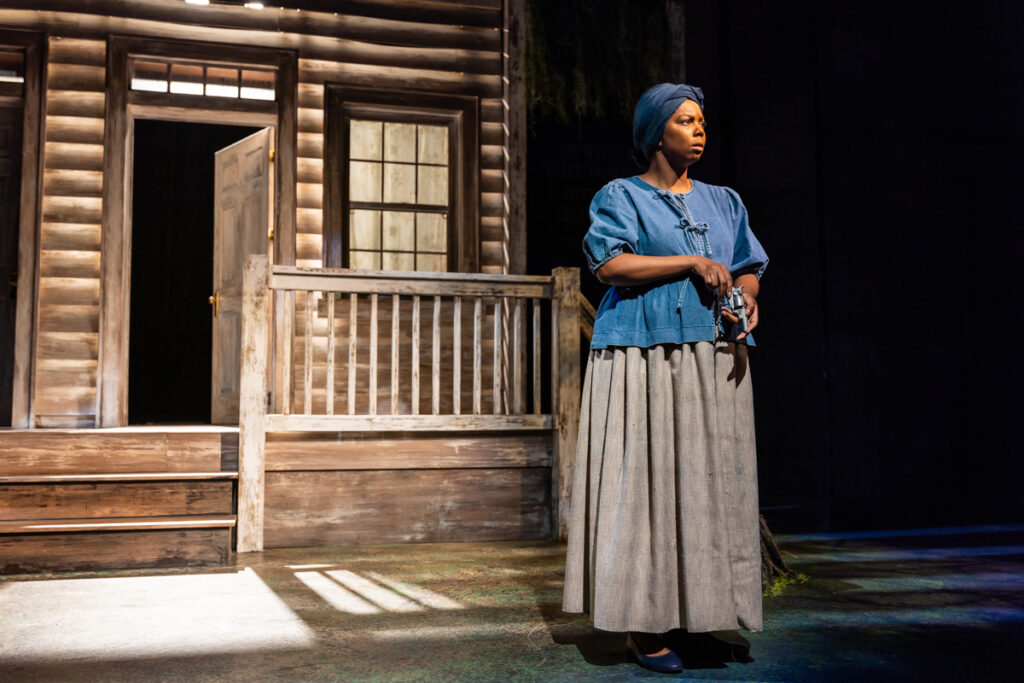
‘Plantation Black’ muddles history with a game of chance in its Philadelphia world premiere
The world premiere by Phaedra Michelle Scott is about murky family secrets leading to tangled real estate titles.
8 months ago
Listen 1:15Related Content
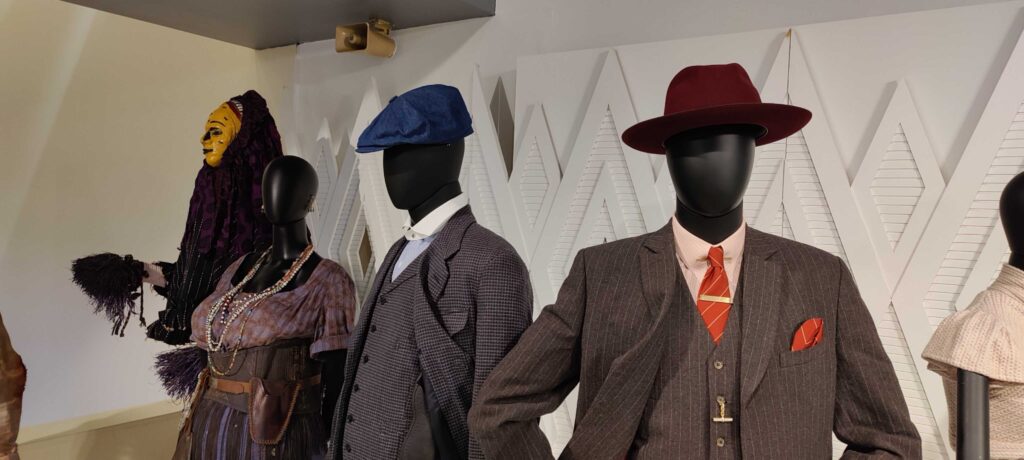
Ruth E. Carter is the most-nominated Black woman in Academy Award history.
8 months ago
Black history is American history at the Museum of the American Revolution
“Every day is Black History Month,” Michael Idriss, the manager of the African American Interpretive Program at the Museum of the American Revolution, said. “For this month, we try to highlight some programs specifically, pulling them out of our core galleries.”
The museum unveiled a new exhibition, “The Declaration’s Journey,” last October in anticipation of the semiquincentennial. Idriss said that many individuals throughout history have been connected to the declaration “through their work or embodying it in the content they’re creating.” The exhibit, which took more than five years to develop, aims to highlight those connections.
“Being able to have space for this special exhibition and being able to help connect stories … helps to show that there was a foundation from the very beginning that was looking at this founding document and trying to find where their story lies within that framework,” Idriss said.
The museum will host the next edition of its Read the Revolution Speaker Series on Wednesday, Feb. 25, discussing the connections between the Declaration of Independence and the Haitian Revolution.
The Free Library takes lifelong learning back to Philadelphia’s roots
The Free Library of Philadelphia has tied its Black History Month programming to its broader mission of “lifelong learning,” chief of adult services and programs Veronica Britto said. This year’s programming revolves around the theme “Our Roots Reach Further: 1776 to Tomorrow” to align with the America 250 celebrations.
“[It’s] saying, as African Americans in Philadelphia [and] in the United States, we connect back to 1776 … we honor all of that history, that family togetherness, that drive that made Philadelphia as great as it is today,” Britto said. “We look to our young people to continue on that legacy.”
The Free Library’s year-round programming includes Hyperlocal Heritage, ongoing events in neighborhood libraries that help local African Americans “dig into their genealogy” using the library’s resources, Britto said. The library also offers free courses on digitizing family records and photographs, as well as access to historical Black newspapers and the archives of The Philadelphia Tribune.
“Our director often says the library is the people’s university,” Britto said. “We’re making information and entertainment and community-building accessible to all people so that no one feels like they are alone.”
Examining the ‘Black imagination’ expressed through art and film
AAMP’s current special exhibition, “Ruth E. Carter: Afrofuturism in Costume Design,” highlights the inspiration Carter has drawn from both Afrofuturism and American history in her award-winning design career, which includes work on films like “Black Panther” and “Malcolm X.” The museum has built its Black History Month programming around the display, which runs through September.
The museum is also hosting a screening of the 1988 Keenen Ivory Wayans comedy “I’m Gonna Git You Sucka” — which Carter worked on — on Saturday, Feb. 21, in partnership with the Philadelphia Film Society, and is celebrating “Everyday Freedom Heroes” with a kid-friendly costume event on Sunday, Feb. 22.
Curator Michael Wilson said that the Carter exhibition allows visitors to not only better understand her design process, but also see how “her movies and her artistic practice may inspire youth through the characters.”
The exhibit helps the museum fulfill its mission statement by examining “the Black imagination and the way you can activate the imagination through costume design,” he added.
“[You can] also look at African arts, African American art, history and culture, and the way that it’s influenced within film,” he said. “Even though [Black Panther] is talking about a mythical Wakanda … when you look at Ruth Carter’s costume design, you see how she’s pulling from specific African culture.”
Meanwhile, at the Philadelphia Museum of Art, February serves as a spotlight on programming that continues throughout the year. Year-round Black Art, Black Voices tours help school groups and members of the public “explore the multiplicity of narratives that Black artists share,” deputy director Audrey Hudson said.
“We’re civic partners to this city, [and] we want to be enmeshed in everything that goes on in this city,” Hudson said. She added that the Brind Center for African and African Diasporic Art, first established in 2023, will open a permanent gallery home for African art later this year.
WHYY is your source for fact-based, in-depth journalism and information. As a nonprofit organization, we rely on financial support from readers like you. Please give today.
Part of the series
Part of the series
Philadelphia 250
The United States is marking its semiquincentennial — or its 250th anniversary — in and around the City of Brotherly Love.
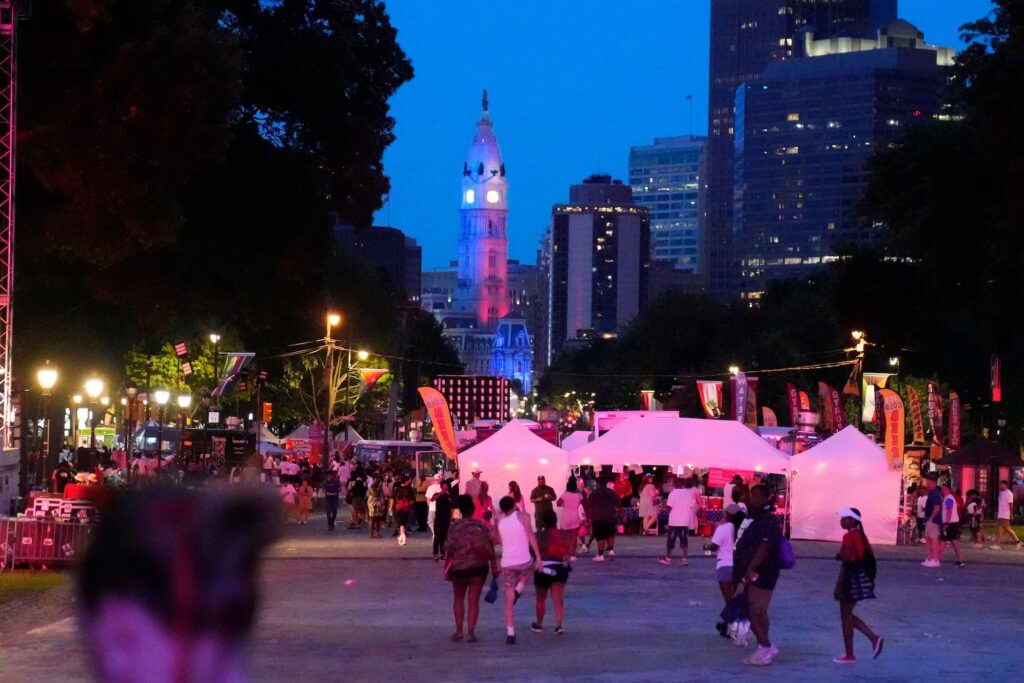
After days of oppressive heat, thunderstorms cut Philly’s July 4th concert short
After storms forced attendees to evacuate, the concert resumed around midnight with a shortened performance by The Roots, followed by fireworks.
3 months ago
Listen 0:55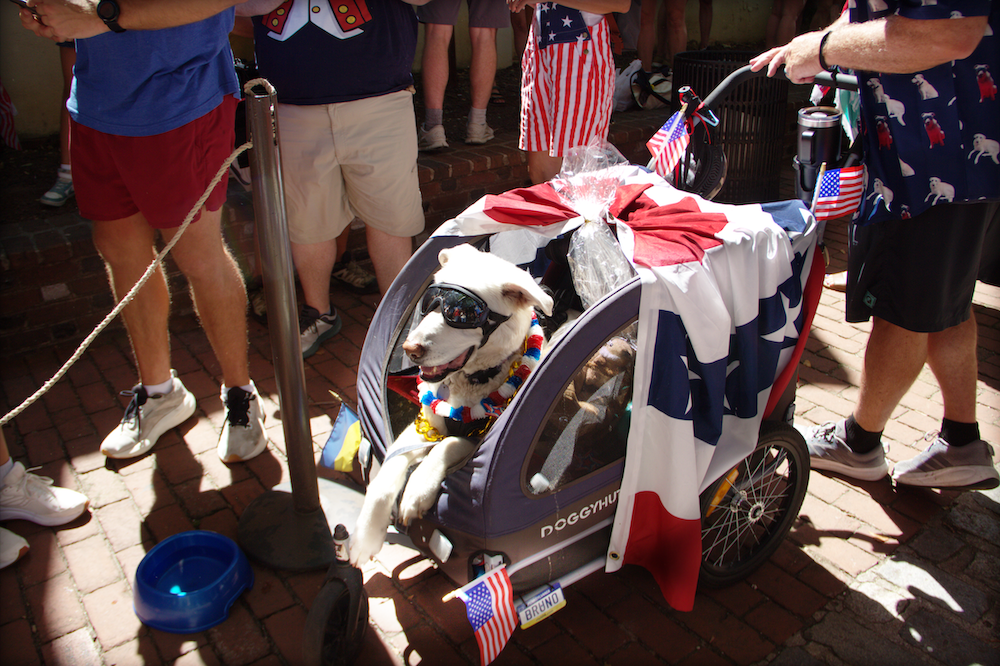
Patriotic Pet Parade at Betsy Ross House in Old City celebrates America’s 250th birthday
The competition boasted 22 pets donning a range of red, white and blue attire.
3 months ago
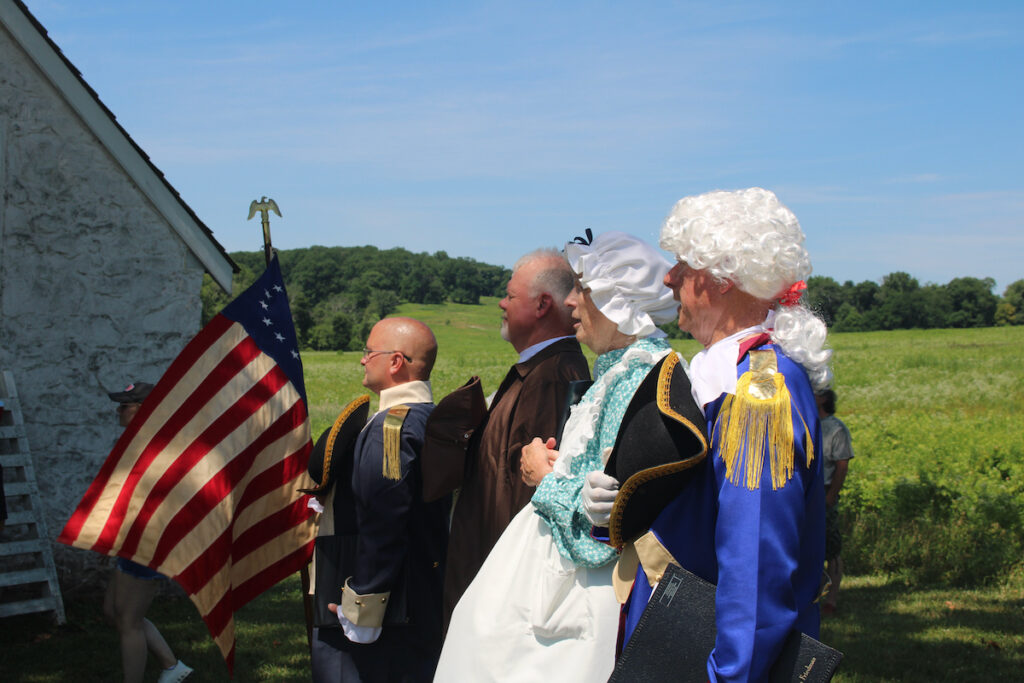
Valley Forge National Historical Park, born on the Fourth of July, celebrates America250
The pivotal Revolutionary War site in the Philly suburbs hosted hundreds of people for live readings of the Declaration of Independence, a cannon fire demonstration and more.
3 months ago
Listen 1:45