

These new 2026 health care laws are taking effect in Pa., N.J. and Del.
Bills on diagnostic breast cancer testing, GLP-1 medications, lead paint and breastfeeding were signed into law.
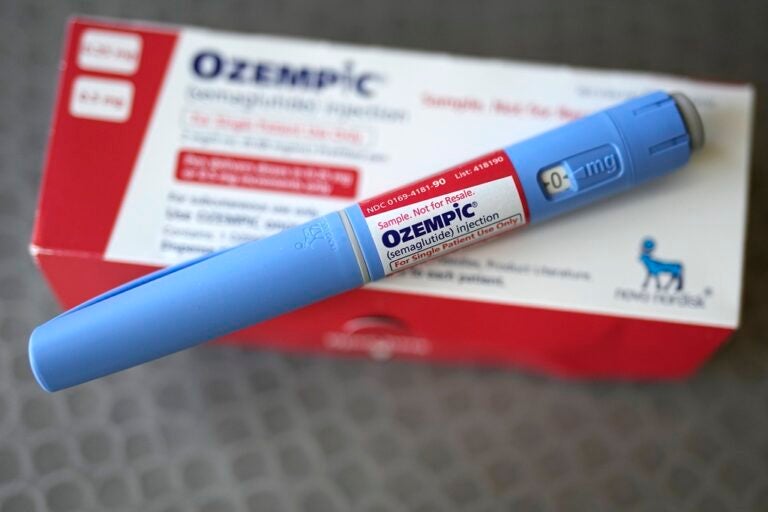
FILE - The injectable drug Ozempic is shown Saturday, July 1, 2023, in Houston. Even as millions of older adults clamor for drugs such as Ozempic and Wegovy, monthly use of the medications known as GLP-1 receptor agonists soared nearly 600% between 2020 and 2023 in people under 25 – and as young as 12. (AP Photo/David J. Phillip, File)
From Philly and the Pa. suburbs to South Jersey and Delaware, what would you like WHYY News to cover? Let us know!
This past year, lawmakers in the Delaware Valley pursued changes to health care policies and regulations that will expand access to prescription drug savings, ensure coverage for breast cancer imaging, reaffirm lead testing requirements, increase breastfeeding support in prisons and more.
Here are some new health care laws coming to Pennsylvania, New Jersey and Delaware that will be in place or take effect in 2026.
Pennsylvania
Medicaid coverage for weight loss medication
The Pennsylvania state budget increases funding in several areas, but will cut costs by limiting coverage for glucagon-like peptide-1 drugs such as Wegovy and Zepbound for people in the Medicaid insurance program beginning Jan. 1.
The state’s Medicaid program, called Medical Assistance, will no longer cover GLP-1 drugs solely for obesity and weight loss, but will continue to do so for people with diabetes and other health conditions.
Pennsylvania started paying for GLP-1 drugs for obesity in 2023. But the cost to the state rose as an increasing number of enrollees obtained prescriptions.
The commonwealth spent $650 million for GLP-1 drugs in Medicaid, for all reasons, in 2024, according to state officials. Lawmakers estimate it would soon cost over $1 billion annually.
Naloxone distribution by emergency responders
Emergency responders like emergency medical service workers can leave packages of naloxone, an opioid overdose reversal medication, with families and caregivers at the site of a 911 call or other treatment response.
The law codifies an executive order signed by former Gov. Tom Wolfe in 2018, which established a standing order allowing emergency responders to not only use naloxone to reverse an overdose, but to leave additional doses with others at the scene.
However, executive orders are temporary and can expire or be reversed by a sitting governor. The new law now makes this policy permanent and strengthens protections for EMS workers.
The legislation also increases transparency in prescription prices and costs. When asked by a customer, pharmacists must disclose the current retail price for band name and generic versions of any medication being picked up.
They also must help customers and patients figure out their out-of-pocket costs for brand-name and generic options.
All parts of the law will be in effect by July 2026.
Prescription savings programs for seniors
Seniors who save money on their prescriptions through state assistance programs will get to stay in those programs even if their annual incomes go over the eligibility limits because of a bump in their Social Security payments.
A law passed this year ensures that Social Security cost-of-living adjustments will not disqualify someone from participating in the Pharmaceutical Assistance Contract for the Elderly and the Pharmaceutical Assistance Contract for the Elderly Needs Enhancement Tier program.
The moratorium on Social Security cost-of-living adjustment income increases will last from Jan. 1 through Dec. 31, 2027.
“The PACE and PACENET programs play an important role in supporting older adults and offering tremendous savings by helping them pay for their prescription medications,” Pennsylvania Secretary of Aging Jason Kavulich said in a statement. “This new law will allow older Pennsylvanians to remain eligible for this benefit which provides them with lifesaving medication and a cost savings to their fixed incomes.”
Diagnostic mammogram and breast cancer imaging
A new law requires insurers to cover follow-up testing for women who need additional imaging after an abnormal mammogram, including an MRI or ultrasound.
While annual mammograms are fully covered by insurance, additional diagnostic testing can come with high costs, which cancer activists say can delay an early diagnosis of breast cancer.
The expanded coverage will apply to insurance plans and policies that are issued or renewed starting summer 2026.
“With early detection and diagnostic imaging, we have the tools to limit the harm caused by cancer and the suffering it brings to families across the Commonwealth,” Donna Greco, Pennsylvania government relations director for the American Cancer Society Cancer Action Network, said in a statement.
Related Content
A federal advisory panel recommended stopping hepatitis B vaccines in newborns immediately after birth, the standard protocol for more than 30 years.
3 months ago
Listen 1:26New Jersey
Biomarker testing for diseases
New Jerseyans with state-regulated health insurance, including Medicaid, the New Jersey State Health Benefits Plan and some employer-sponsored plans, can now get coverage for biomarker testing, which looks at genes, proteins and molecules for certain changes that could put someone at a higher risk of developing a type of cancer, Alzheimer’s disease and other conditions.
Doctors and health providers can use biomarker data to help them design preventative strategies and treatment plans.
The new law aims to make testing more affordable with enhanced insurance coverage, which officially went into effect this past July, but can newly apply to plans that are being renewed in 2026.
Nick Pifani, a cancer survivor from Delran, said his treatment was informed by biomarker testing.
“My kids were 7 and 9 when I was diagnosed, and I credit biomarker testing with allowing me to watch them grow into adolescence,” Pifani said in a statement shortly after Gov. Phil Murphy signed the bill into law. “I’m deeply grateful to New Jersey’s leaders for making this life-changing resource available to more patients.”
Related Content

New laws will take effect in New Jersey in January 2026. Here’s what you need to know
Starting Jan. 1, the minimum wage will increase, and Garden State drivers will pay more on toll roads and bridges.
3 months ago
Listen 1:01Delaware
Dental hygienists administering local anesthesia
Until recently, Delaware was the only state to prohibit dental hygienists from administering local anesthesia, despite safety data from professionals doing so in all other states.
Now, dental hygienists in the First State can administer the numbing medication with supervision from a dentist, “helping more patients get cleanings and periodontal care quickly,” state leaders said.
The law requires the State Board of Dentistry and Dental Hygiene to establish regulatory requirements and a permit system by Jan. 1.
Breastfeeding for women in prisons and jails
A new law will create a breastfeeding and lactation program for women in Delaware jails and prisons beginning in July 2026.
Supporters of the legislation said this will allow women to pump and send breast milk to their infants or toddlers through a family member, caregiver or another person approved by the Department of Corrections.
“Incarcerated people are severely underseen and understudied, and that has cascading effects that can be seen in the lack of policies supporting their health and well-being,” said Rep. DeShanna Neal, prime sponsor of the law. “The breastfeeding and lactation program that HB 3 is creating is the first of its kind in our state and represents another step toward treating incarcerated mothers and their babies with the respect, dignity, and care that they deserve as human beings.”
Lead certification in rental units
Landlords and housing owners will need to comply with stricter lead-free certification requirements within the next couple years.
The new law will apply to rental units or homes built before 1978, which is when the U.S. banned the use of lead paint. Children can develop lead poisoning by ingesting chipping or peeling paint, especially near windowsills.
The regulations won’t take effect until 2027, but the law requires a feasibility study to be done by March 1, “which ensures we implement these protections in a way that’s both effective and practical,” House Majority Leader Kerri Evelyn Harris said in a statement.
“By taking the time to assess workforce capacity, funding needs, and landlord readiness, we’re committing to smart, sustainable policy that puts health and housing stability first.”
Related Content
‘Stretched thin’: Medicaid cuts threaten Delawareans’ access to health care in rural areas
Delaware has a plan to transform health care in the state’s rural areas, but is dealing with billions in federal funding cuts.
3 months ago
Listen 1:00
Get daily updates from WHYY News!
WHYY is your source for fact-based, in-depth journalism and information. As a nonprofit organization, we rely on financial support from readers like you. Please give today.
More than 400,000 Pa. seniors are expected to save with lower Medicare drug prices in 2026
Pennsylvanians will see their out-of-pocket costs for 10 medications drop by 53% on average, according to a new AARP report.
3 months ago

3 Pennsylvania cities ranked among worst places to live for people with asthma
The 2025 U.S. Asthma Capitals report identifies cities with high rates of asthma-related emergency room visits and deaths.
6 months ago
Listen 1:12
Home health care agencies say Pennsylvania’s rapidly aging population and low reimbursement payment rates set by the state are unsustainable.
7 months ago
Listen 1:15