

The British army took control of Philadelphia in 1777. They had a whale of a time
The “dark days” of the British occupation were filled with parties, dancing and theater.
Listen 3:10
From Philly and the Pa. suburbs to South Jersey and Delaware, what would you like WHYY News to cover? Let us know!
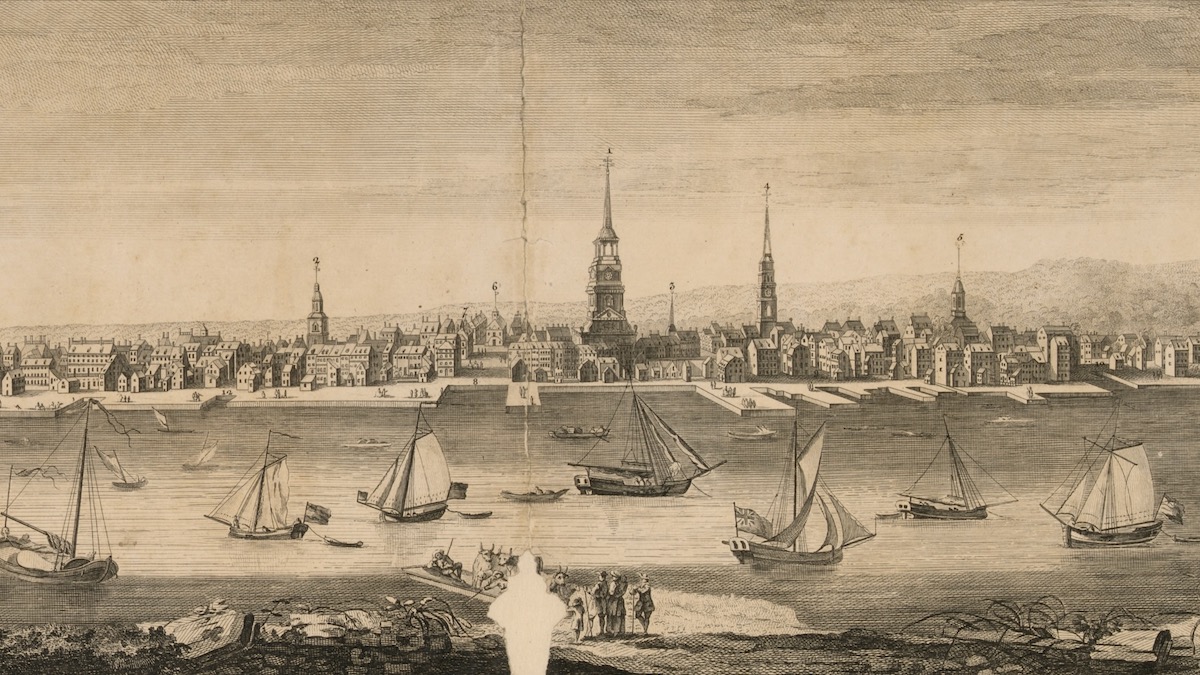
The British army took control of the city of Philadelphia during the Revolutionary War, from September 1777 to May 1778.
As Philadelphia celebrates the 250th anniversary of the signing of the Declaration of Independence, those nine months are often referred to as the “dark days” of military occupation.
But from a British perspective, Philly was a really fun town.
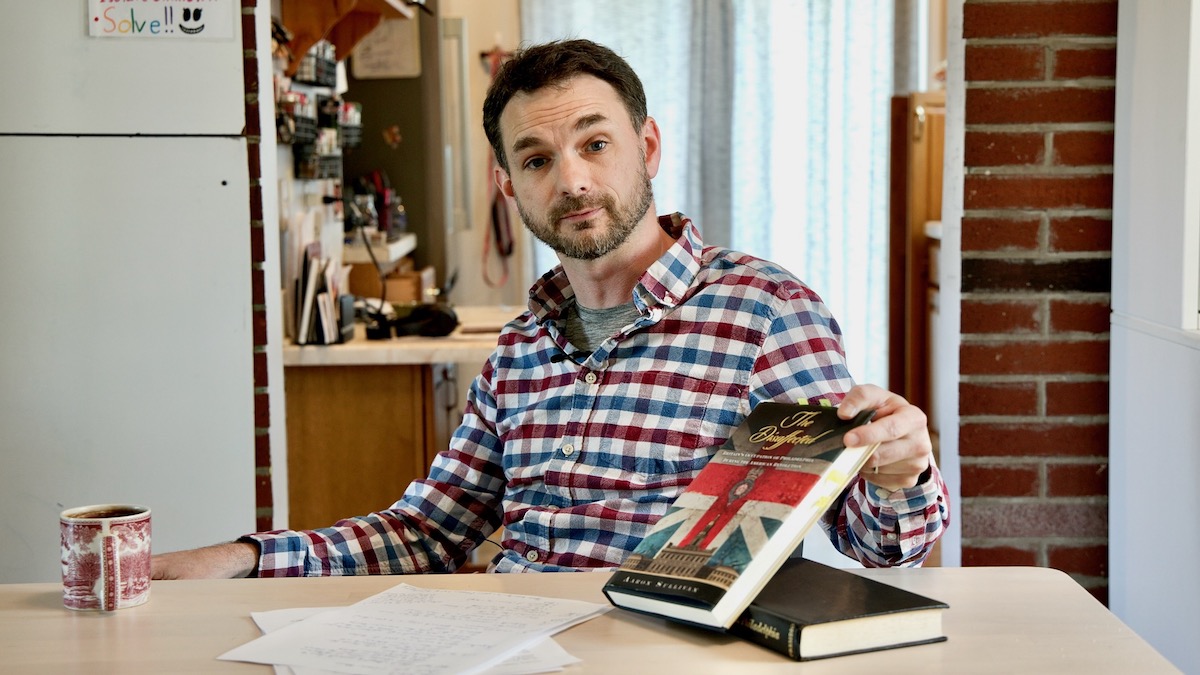
“There are balls; there’s horse racing; there’s a great deal of gambling; there are parties; there’s a major theater scene,” said Aaron Sullivan, author of “The Disaffected: Britain’s Occupation of Philadelphia During the American Revolution.”
“It’s a high time.”
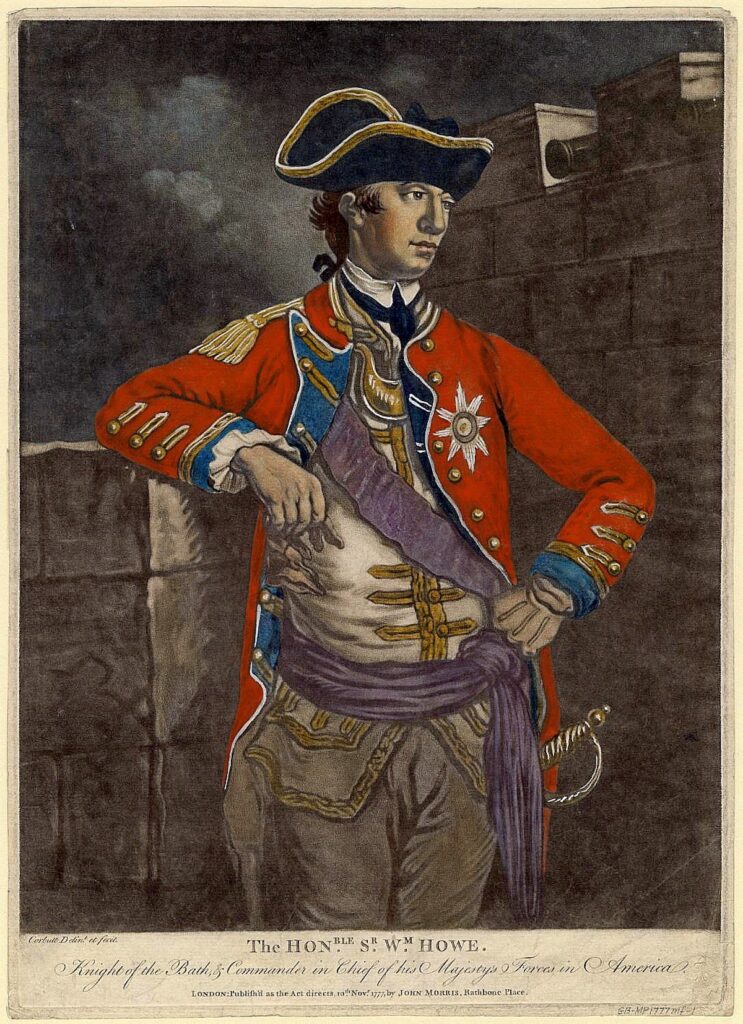
The city’s charm was immediately evident. The day before the British army was to march into Philadelphia with a show of military grandeur on Sept. 26, 1777, Gen. William Howe sent his aide-de-camp, Capt. Friedrich von Münchhausen, to Mount Airy to make sure the local Loyalist brothers Andrew and William Allen were part of the procession.
When von Münchhausen arrived at the Allen residence, he encountered a group of Philadelphia ladies in the middle of tea.
“I confess that this very unexpected sight of seven very pretty ladies disconcerted me more than the bullets of the Battle of Brandywine,” von Münchhausen wrote in his published diary.
That excitement was matched by many ladies of Philadelphia. Rebecca Franks, the 17-year-old daughter of a Loyalist merchant who lived at Woodford Mansion, loved dancing and found herself literally surrounded by doting military officers.
“You can have no idea of the life of continued amusement I live in,” Franks wrote in 1778. “I can scarce have a moment to myself. I’ve been but three evenings alone since we moved to town. I begin now to be almost tired!”
Related Content
How Philly is celebrating Juneteenth, the Fourth of July and the 250th in 2026
Block parties, fireworks and a star-studded concert on the Ben Franklin Parkway are on the calendar for a celebratory summer.
5 months ago
The British occupation was ‘the chance of a lifetime’
However, the nine-month occupation for many living in Philadelphia was no party.
Food could be hard to find and paper currency was almost worthless. Nearly all aspects of civilian life were controlled by the British Army, including trade and the courts. Prisoners were routinely abused, charitable work for the downtrodden ceased and many homes abandoned by people who had fled were vandalized. The number of marriages recorded at Christ Church during the occupation fell to nearly zero.
Even for the upper class, the occupation did not start on a good foot. In the fall of 1777, maritime traffic on the Delaware River was blocked by the Continental Army holding Fort Mifflin, to prevent British ships from going upriver to supply the city. Howe made sure that any supplies that could be collected in the region were prioritized for his soldiers, leaving residents short of essentials.
But once Fort Mifflin fell on Nov. 16, 1777, shipping opened and fineries from Europe poured into Philadelphia for those who could afford it.
“There’s a lot of money in the British officer class and a lot of pent-up demand from the elite people of Philadelphia, who’ve at this point been cut off from British trade for years,” Sullivan said. “Fashion floods into the city. Fashion from France, fashion from Britain for people who really haven’t been able to buy anything imported for years.”
Franks was awed by European fashion.
“The dress is more ridiculous and pretty than anything that ever I saw, great quantity of different colored feathers on the head,” Franks wrote. “I assure you I go less in the fashion than most of the ladies – no being dressed without a hoop.”
Franks was writing to her friend Anne Paca in Maryland, the daughter of former Philadelphia Mayor Henry Harrison and wife of William Paca, a delegate to the Continental Congress and one of the nation’s Founding Fathers.
“Oh, how I wish Mr. P[aca] would let you come in for a week or two,” Franks wrote.
Rebecca Franks urged Anne to join her in occupied Philadelphia to party at Howe’s house, disregarding the fact that her friend was newly married to a signer of the Declaration of Independence.
“She’s this teenage girl and just shameless in her embrace of this new culture. She doesn’t care about the political consequences,” Sullivan said. “This is the chance of a lifetime. You’ve never been around this many high-class people, by the British standpoint. This kind of money, this luxury that has come into Philadelphia, you’ve never seen it before and you will probably never see it again. There was a lot of pressure to embrace it while it’s here.”
Related Content
America 250th: Philly event highlights youth perspectives on the American Revolution
The event, hosted by WHYY and Penn’s McNeil Center, brought together a panel of students and educators to discuss the meaning of democracy.
5 months ago
It’s time to play the music, it’s time to light the lights
The arrival of the British Army in 1777 made Philly more fun than it had been before.
Back in 1774, the Continental Congress in Philadelphia had adopted the Articles of Association, which discouraged a list of amusements that the delegates felt drained time and energy away from the ideals of revolution.
The articles imposed a ban on “horse-racing, and all kinds of games, cock fighting, exhibitions of shows, plays, and other expensive diversions and entertainments,” as well as “the giving of gloves and scarves at funerals.”
“Plays fell into this category of everything from cockfighting to horse racing to circuses,” said Peter Schmitz, author of the book and podcast “Adventures in Theater History: Philadelphia.”
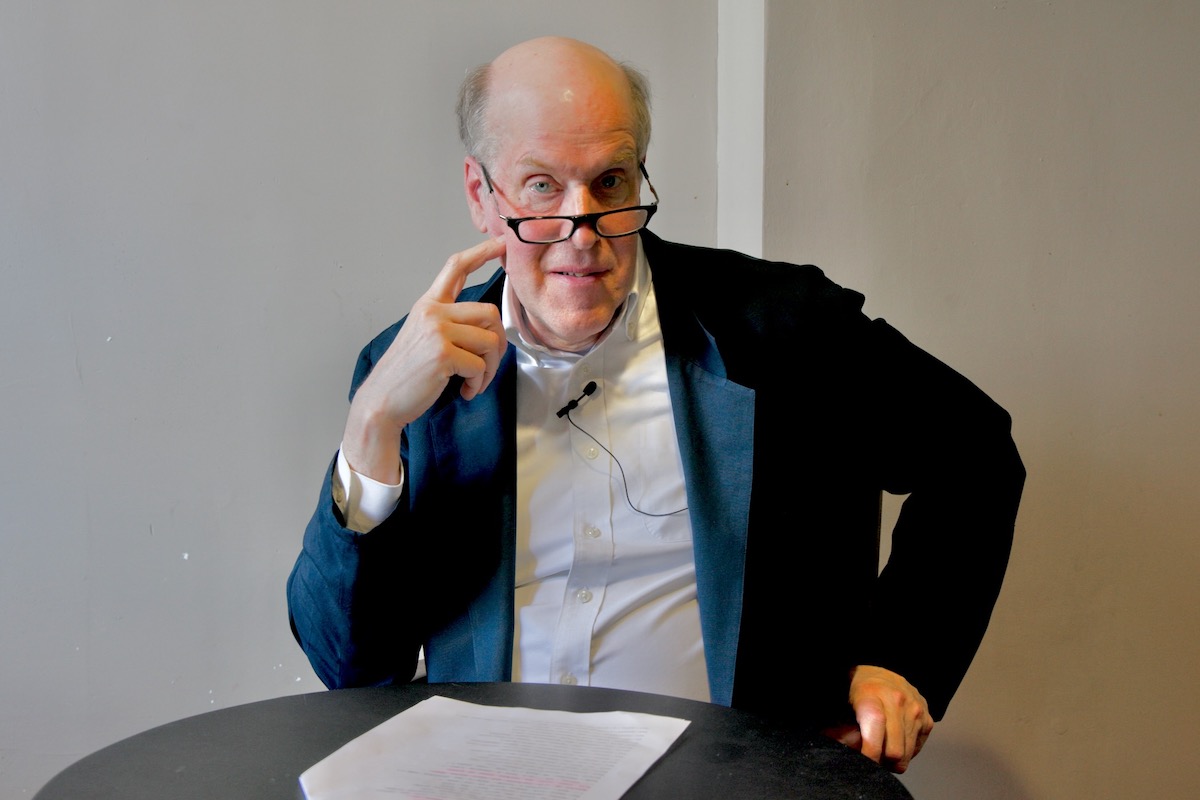
“Theater was regarded as a pastime that was extravagant and distracting. This was a holdover from a general puritanical viewpoint that pervaded America for the previous century.”
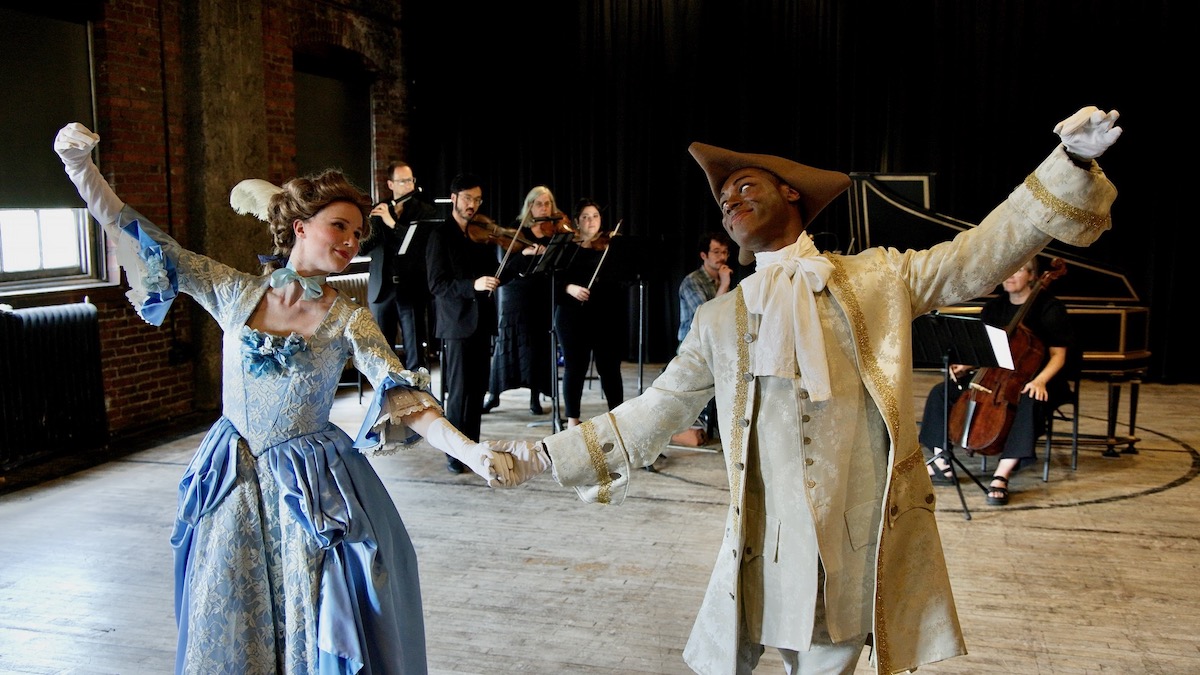
The British Army loved theater and reveled in entertainment. Officers quickly developed their own amateur theater series, staging at least 18 performances on Monday evenings from January to May 1778, at the former Southwark Theater near what is now South Street.
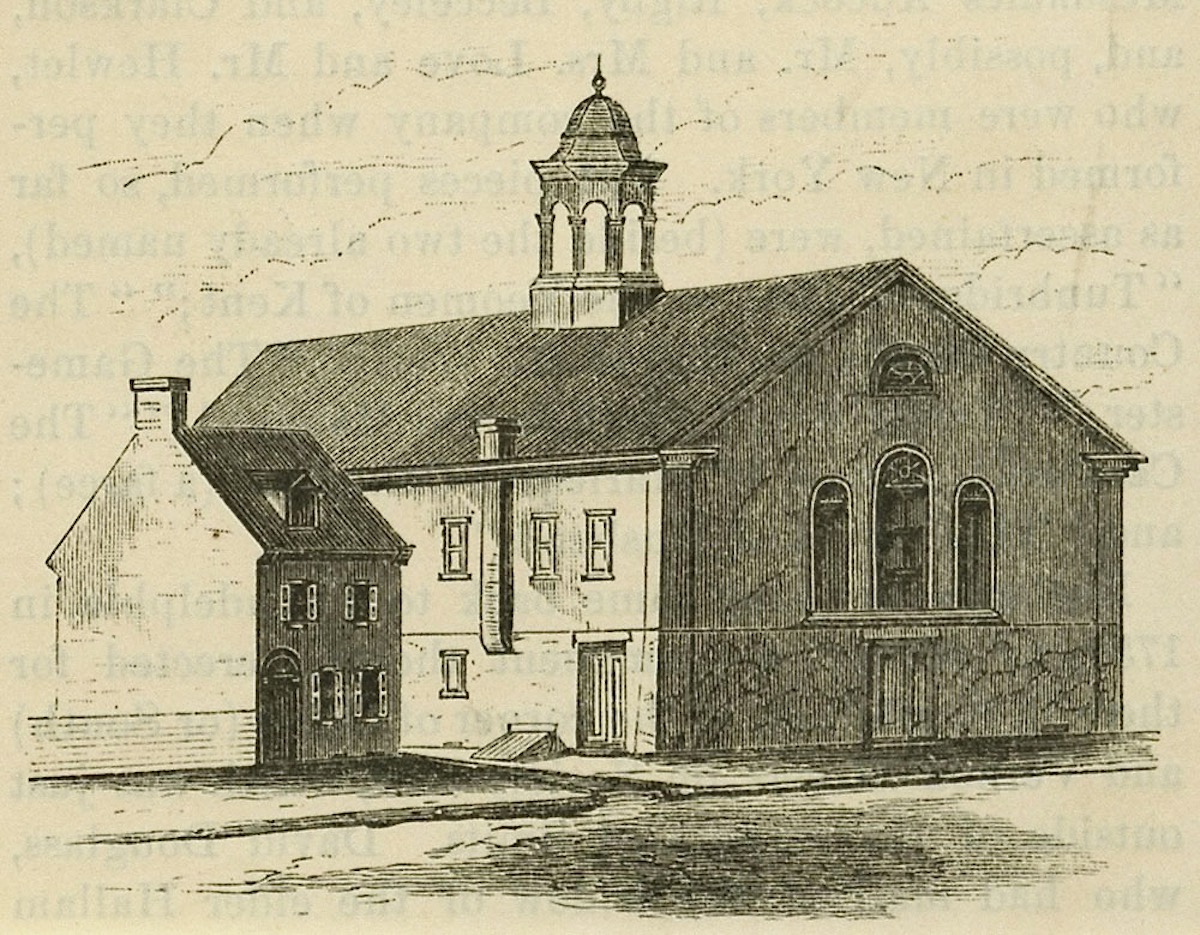
“That’s where the British Army officers tended to put on plays for their own entertainment because that was what gentlemen did, especially if they are of any artistic or literary character,” said Schmitz, who is also a local to the Philly theater scene. “One of the main reasons that I think they put on plays was as a chance to meet girls.”
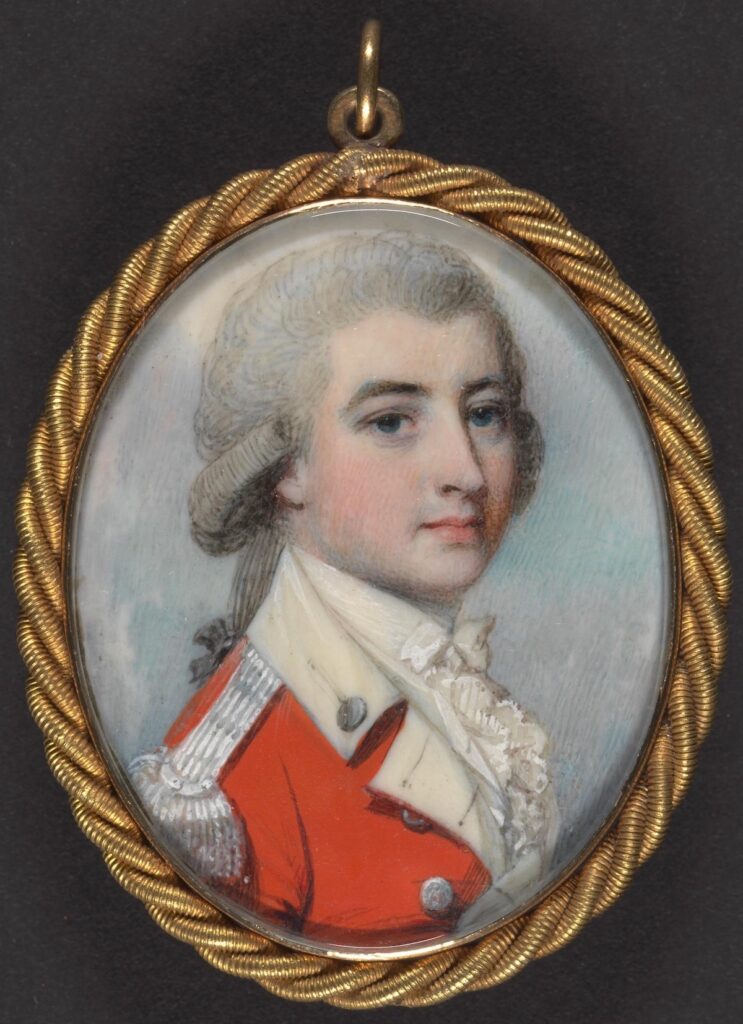
The chief producer of theater in occupied Philadelphia was Maj. John André, the head of British military intelligence, as well as an accomplished artist and poet. He later hanged as a spy for turning Gen. Benedict Arnold into a traitor.
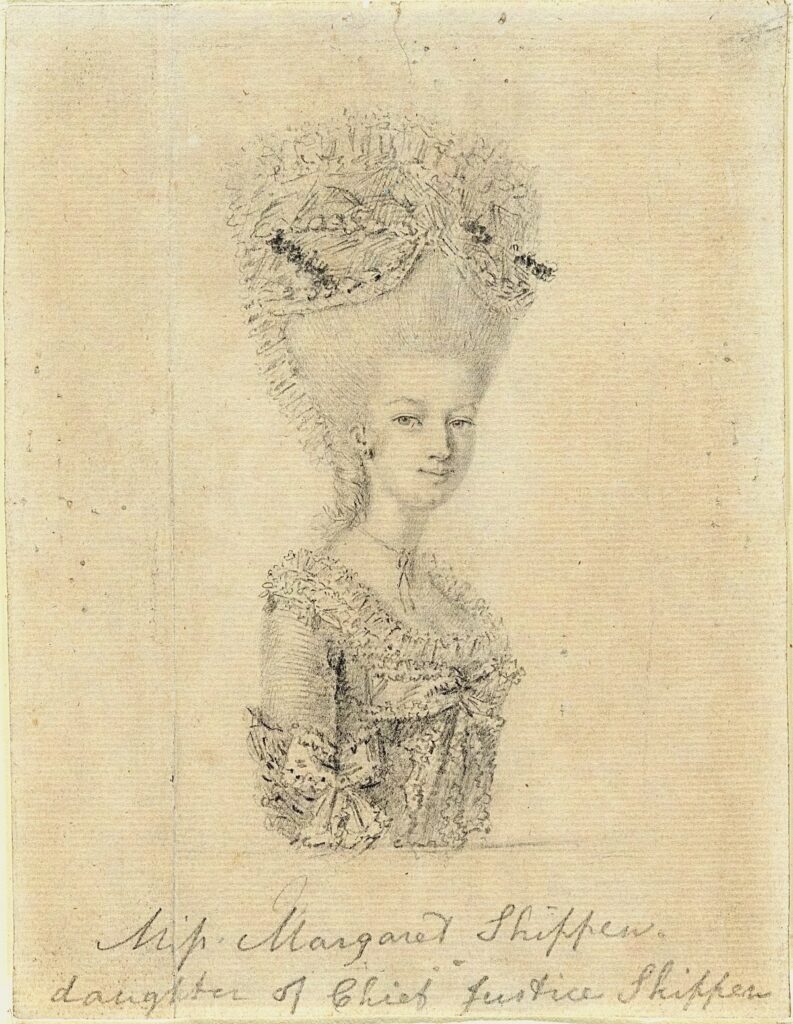
One of the celebrated actors on the Southwark stage, William Cunningham, oversaw prisoners at the Walnut Street jail in an infamously sadistic manner, regularly starving and beating inmates. He was noted for his comical performances on stage.
The British military doctor Dr. Hammond Beaumont reportedly “shined” as the lead in the production “The Mock Doctor, or the dumb lady cured.” He later expanded his passion for plays by operating a theater for three years in New York City while juggling his wartime duties. He died in 1782, and was remembered as a “gentleman of infinite pleasantry and humor.”
Howe was also a great fan of theater and liked to bring companions, including Elizabeth Loring, the wife of his commissary of prisoners in Philadelphia, Joshua Loring, Jr. It is widely believed Howe and Loring were lovers, for which the general was mocked by the Patriots and the Loyalists.
Writing in exile after the war, the New York Loyalist Thomas Jones blamed Howe’s infatuation with Elizabeth for his failure to militarily leverage the occupation of Philadelphia:
“As Cleopatra of old lost Mark Antony the world, so did this illustrious courtesan lose Sir William Howe the honor, the laurels, and the glory of putting an end to one of the most obstinate rebellions that ever existed,” Jones wrote.
On the Patriot side, Francis Hopkinson, a signer of the Declaration of Independence and the unofficial poet of the Revolution, immortalized the Philadelphia affair in a satirical poem:
Sir William he, snug as a flea,
Lay all this time a snoring;
Nor dreamt of harm, as he lay warm
In bed with Mrs. Loring.
Related Content
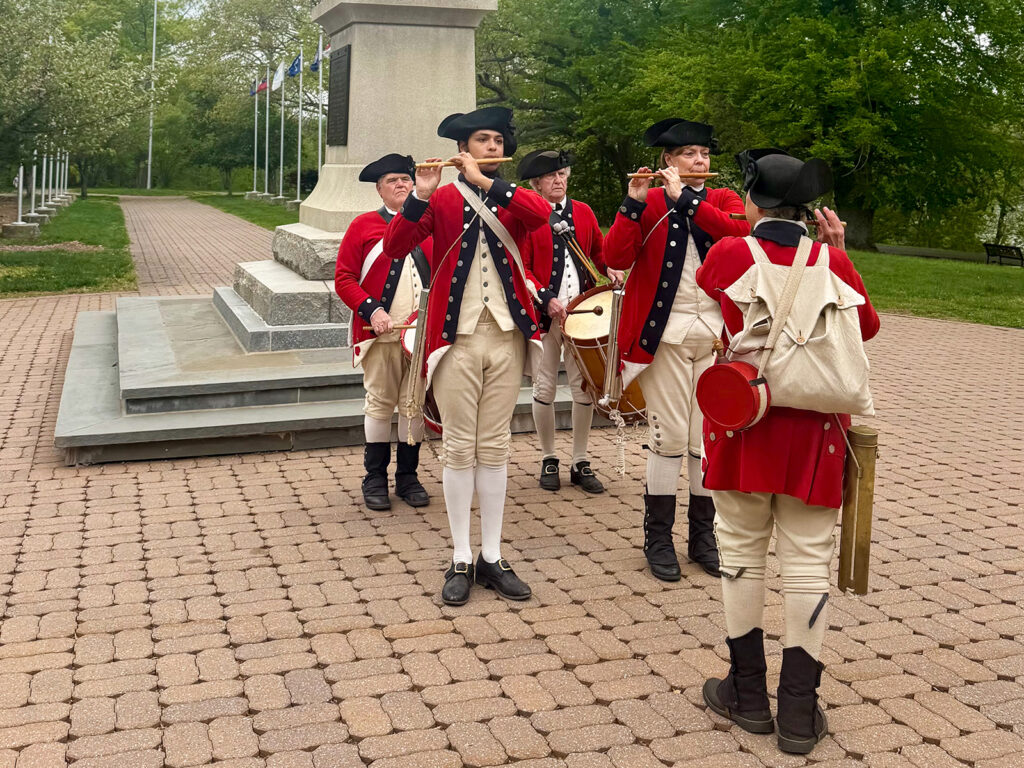
A new map spotlights Revolutionary War history in Bucks County
The educational tool provides information about more than a dozen historical sites connected with the American Revolution.
5 months ago
Listen 0:55Meschianza: Party at Ground Zero
The theatrical life of the British occupation came to its apex just as it ended. Unable or unwilling to expand British military control beyond Philadelphia, and mindful of criticism back home in England, Howe and his brother, Adm. Richard Howe, the head of the British navy, both resigned and ordered their forces to evacuate the city in June 1778.
But before leaving town, the British Army threw a party to end all parties.
“At this moment when everything seems to be turning against them, they throw this enormous party,” Sullivan said. “This seems like a very strange moment to have a major celebration.”
The British threw a party on so large a scale they invented its own word, “Meschianza.”
“It’s a loose translation of the Italian word for ‘medley,’ but essentially it’s a made-up word,” said Caroline O’Connell, a curator at the American Philosophical Society in Center City. “The whole thing is a confection.”
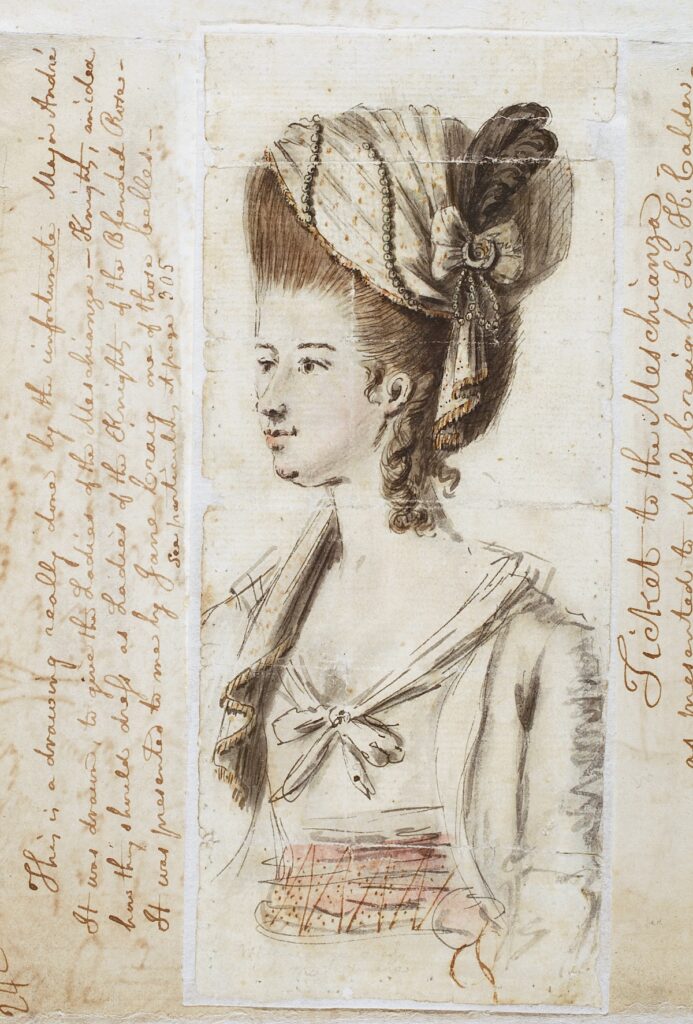
It began as a regatta of festooned ships sailing down the Delaware River to the Walnut Grove estate, at what is now Fifth Street and Washington Avenue, where guests disembarked and participated in a pageant of equestrian jousting.
Riders dressed in medieval plate armor theatrically fought over a gaggle of Philadelphia ladies dressed as princesses and attended by Turkish slaves, who in actuality were enslaved Black people dressed in Turkish costumes.
The party then moved to dinner, served at midnight to hundreds of guests, who afterward danced a ball until sunrise. The party lasted about 18 hours.
“It’s almost a meta-performance of empire,” O’Connell said. “Things in the war are starting to shift. The announcement of the American alliance with the French just made its way across [the Atlantic Ocean] and immediately impacted the course of the war. There is a sense that this is a last gasp of opulence and empire before a real change is about to occur.”
Related Content
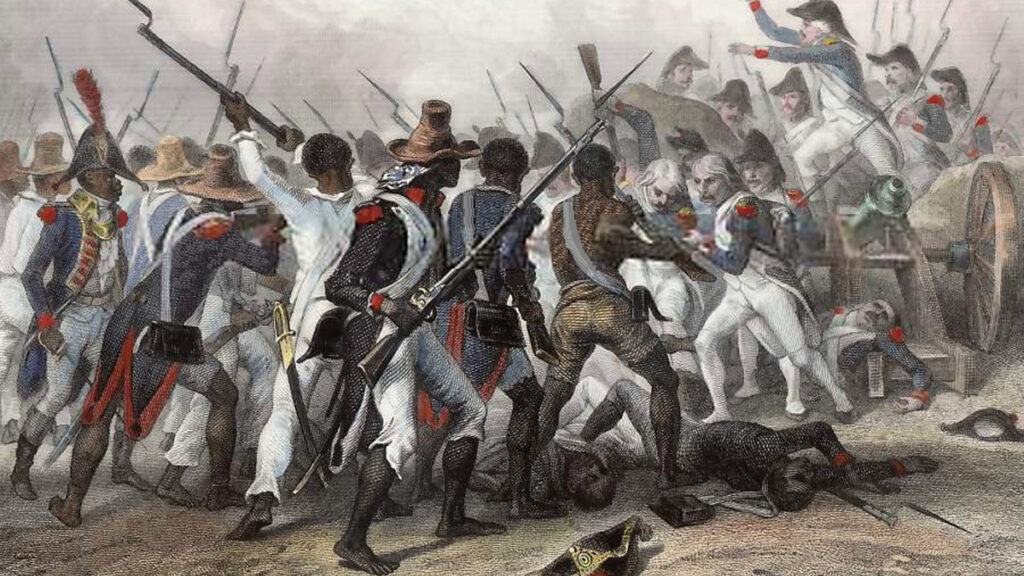
The latest event in the series recounted Haiti’s fight for independence and how Haitian immigrants led to Philly’s role as capital of the catering industry.
5 months ago
Listen 1:28So, about last night…
A month after Meschianza, the British Army left Philadelphia, never to return. The focus of the Revolutionary War shifted south, the threat of military hostility dissipated and Philadelphia’s Patriot residents who fled to country homes immediately returned to the city.
Many Loyalists who joined the British left with them for fear of Patriot reprisal. Those who stayed behind faced the wrath of Patriots who hunted down traitors to the Revolution.
One hundred and twenty-nine men in Pennsylvania were found guilty of treason, Sullivan writes in “The Dissaffected.” The conviction carried a death sentence, but Philadelphians did not express such bloodlust. Only two of the people found guilty were actually hanged — Abraham Carlisle and John Roberts — despite an outcry of public opposition.
Many Philadelphians who had enjoyed the company of the British tried to resume normal relations with their returning neighbors. They were rejected in some places, such as social dancing clubs known as dance associations, that formally barred people known to have consorted with British officers.
“The company of those who were so insensible of the rights of mankind and of personal honor as to join the enemies of their county in the most gloomy moment of the Revolution, cannot be admitted,” a 1780 newspaper advertisement read.
Other Philadelphians were less strident.
Decades after the war, Philadelphian John Fanning Watson assembled a history of the occupation, “Annals of Philadelphia and Pennsylvania, in the Olden Time,” where he asked ladies about the occupation 50 years after the fact. They recalled that parties resumed with a forgive-and-forget attitude.
“When the Americans returned, they got up a great ball,” Watson wrote. “It was made a question whether the Meschianza ladies should be invited. It was found they could not make up a company without them. They were therefore invited.”
Rebecca Franks was not invited to those parties. The former belle of the ball married a British commander and moved to England, where she had two children. Much later in life she was known to have had second thoughts about her youthful reveries, as recorded in the memoirs of British officer Lt. Gen. Winfield Scott.
“Would to God I, too, had been a patriot,” an older Franks wrote.

Get daily updates from WHYY News!
WHYY is your source for fact-based, in-depth journalism and information. As a nonprofit organization, we rely on financial support from readers like you. Please give today.
Part of the series
Philadelphia 250
The United States is marking its semiquincentennial — or its 250th anniversary — in and around the City of Brotherly Love.
‘Philadelphia in Color’ celebrates the grit and glam of the amateur photographer
Hidden City’s visual tome to the spirit of mid-century Philly features work by over 200 professional and amateur photographers.
2 days ago
Listen 1:20
A festival in Philly’s Mantua neighborhood traces Black America’s influence in 250 dance moves
The West Philly festival is turning the country’s 250th birthday into a celebration of Black movement.
3 months ago
Historic Philadelphia expands Revolutionary War performers for America’s 250th celebrations
Historic Philadelphia has hired more performers to populate Old City for the semiquincentennial.
8 months ago
Listen 1:09