

A ‘trifecta’: Pennsylvania Democrats preview policy plans after winning control in Harrisburg
A $15 minimum wage, public transit funding and legalized recreational marijuana may be on the table in 2027 after voters reject Republicans.

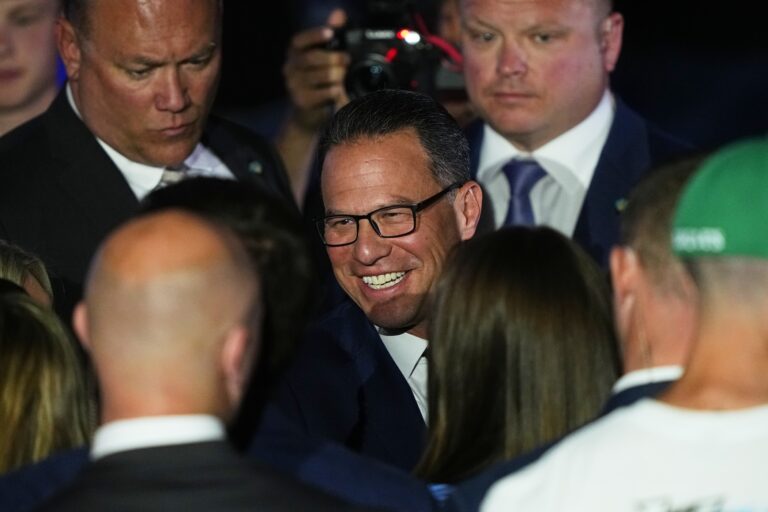
Pennsylvania Gov. Josh Shapiro speaks with his supporters at an election night event in Shiremanstown, Pa., Tuesday, Nov. 3, 2026. (AP Photo/Matt Rourke)
For the first time in 48 years, Democrats flipped the Pennsylvania state Senate, achieving their elusive “trifecta” of control of the executive and both chambers of the legislature.
Gov. Josh Shapiro’s decisive victory over state Treasurer Stacy Garrity fuels speculation around a potential 2028 presidential bid. He joined other Democratic legislative leaders at the governor’s mansion in Harrisburg to celebrate the state party’s win and preview plans for the first 100 days of the next term, policy priorities previously blocked by Republicans in the state Senate.
“Last night’s election showed that I have a mandate to continue to lead our commonwealth forward, and now I’ve got a whole lot more partners in progress, a whole lot more GSD Democrats ready to do this work alongside me,” he said, referring to a shorthand for “get stuff done” that Shapiro uses to describe their approach to policy.
Negotiations with Republicans and the state Senate’s pushback against Shapiro’s expanding budget proposals have also led to late budgets every year, sometimes by several months.
House Speaker Joanna McClinton, D-Philadelphia, said that practice would end.
“We will finally have one on time,” she said. “Come see us in June of 2027.”
Republicans had maintained a majority in the state Senate since taking control in 1978, with a brief interruption in 1993 after state Sen. Frank Pecora switched from the Republican Party to the Democratic Party, shifting the Senate balance to a 25-25 tie and giving Democratic Lt. Gov. Mark Singel the tie-breaking vote.
Professor J. Wesley Leckrone, chair of the political science department at Widener University, said Tuesday’s win will significantly change the shape of policy in Harrisburg.
“Rendell, Wolf and now Shapiro, they’ve always had at least one house that has been dominated by the Republicans, which means a lot more negotiation,” he said. “And that always leads to some sort of stalemate.”
Related Content
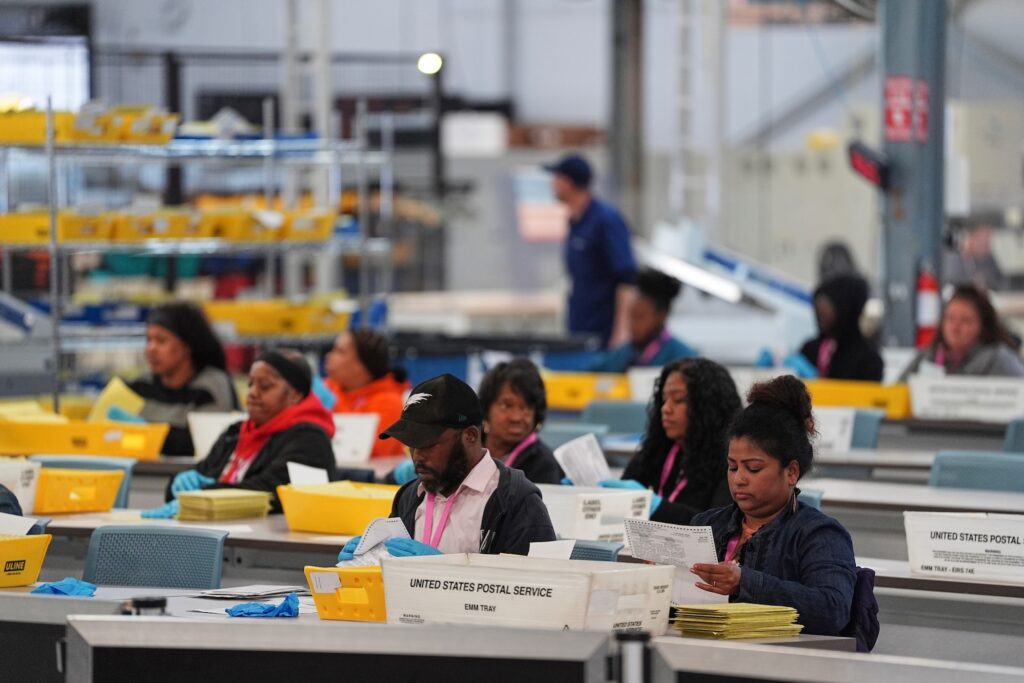
Follow along for live special coverage of the 2026 general election, with reporting on the ground from Pennsylvania, New Jersey and Delaware.
2 days ago
Historic wins for Democrats
Ultimately, the state Senate majority came down to four races in the 2026 midterms, three of which are part of the Philadelphia suburbs.
In Bucks County, Eileen Hartnett Albillar beat incumbent Republican state Sen. Frank Farry in the 6th Senate District. Mark Pinsley ousted Republican incumbent state Sen. Jarrett Coleman to flip the 16th Senate District, which includes parts of Bucks and Lehigh counties. Democrat Chris Thomas bested incumbent state Sen. Tracy Pennycuick in the 24th Senate District, which includes parts of Montgomery and Berks counties. In Monroe County, Democrat Brian Wrightson unseated Republican state Sen. Rosemary Brown of the 40th Senate District.
State Sen. Vincent Hughes, D-Philadelphia, credited Shapiro and Lt. Gov. Austin Davis with “making that happen.”
“This governor and this lieutenant governor put it all on the line and sacrificed their own political advance to make sure that the House grew and that the Senate flipped,” he said.
In July, Shapiro, who was already surging ahead of his own challenger, announced a coordinated Democratic campaign that shared financing benefitting downballot candidates and, in the final days of the race, he toured the state campaigning for them.
Leckrone said that, while Shapiro’s popularity may have helped, many voters in the swing districts went to the polls with President Donald Trump in mind, which elevated Democrats up and down the ballot.
“I think this is a national wave,” he said. “And the reason why I say that also is because it happened all across the country in the same exact manner.”
Democrats also lost a seat to Republicans when state Sen. James Malone failed to fend off a challenge from Republican Tom Jones in the Lancaster County area. Malone won the Republican-majority district in Lancaster County in a special election last year.
Related Content
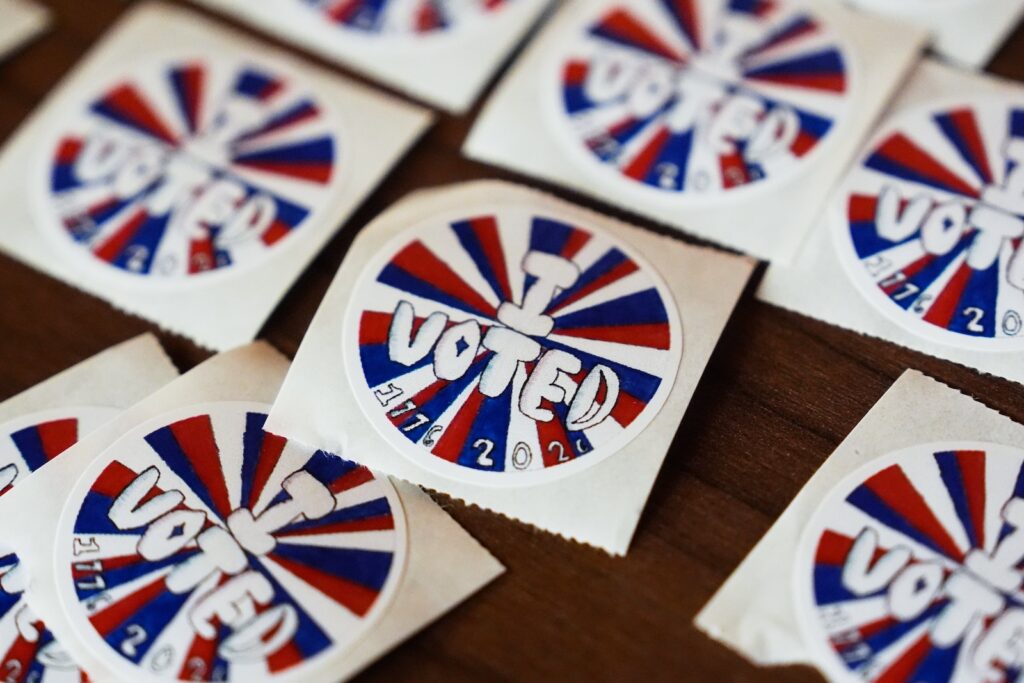
Pennsylvania 2026 election results
See full results from the 2026 midterm elections, including races for governor, the U.S. House and more.
2 days ago
Working across the aisle
At the governor’s mansion, Shapiro told reporters that Democrats planned to move on a lengthy list of policy priorities Republicans in the state Senate blocked.
“We will fund mass transit,” he said. “We will raise the minimum wage. We will make sure that women have a right to reproductive freedom here in this commonwealth. We will build more housing. We will allow survivors of abuse the ability to confront their abusers in court.”
Leckrone said that as Democrats navigate new leadership roles and enhanced power, there will likely be a flurry of bills in the new term.
“You’ve got a lot of pent-up energy among the Democrats who were looking forward to getting this trifecta over the last couple of election cycles,” he said.
For example, state Sen. Nikil Saval, D-Philadelphia, told WHYY News that he hoped to work with the governor on housing issues, beyond increasing housing stock. Saval, who did not attend the governor’s news conference, currently serves as the ranking Democrat on the Senate Housing Committee and could be in line to become its chair under the new Democratic majority.
“I think there’s a lot we can do on housing when it comes to tenants’ rights, to easing the restrictions on zoning and permitting that prevent us from building more types of housing … and developing new tools for developing affordable housing,” he said. “I’m excited to do all of it.”
Democrat voter Colleen Klepser said she looks forward to seeing change in Harrisburg.
“I really do respect Josh Shapiro. Do I like everything he’s done? No, but I do like Josh Shapiro,” she said. “I think for once we need all Democrats to finally get some of the stuff done that needs to get done.”
Despite the new mandate, Shapiro said he hoped to keep Republicans engaged as they negotiate new policy proposals.
“I think I got a pretty good track record of working with these Republicans and I look forward to working directly with whoever the Republican Senate Caucus nominates to be their leader,” he said.
Leckrone said that it makes sense Shapiro would reach across the aisle as he considers his political future.
“If he’s going to run for president, it would look much better for him to have brought some moderate Republicans in on some of these issues in order to be able to get things passed,” he said.
At the mansion, Shapiro said that he was focused on his current job.

Get daily updates from WHYY News!
WHYY is your source for fact-based, in-depth journalism and information. As a nonprofit organization, we rely on financial support from readers like you. Please give today.
Part of the series
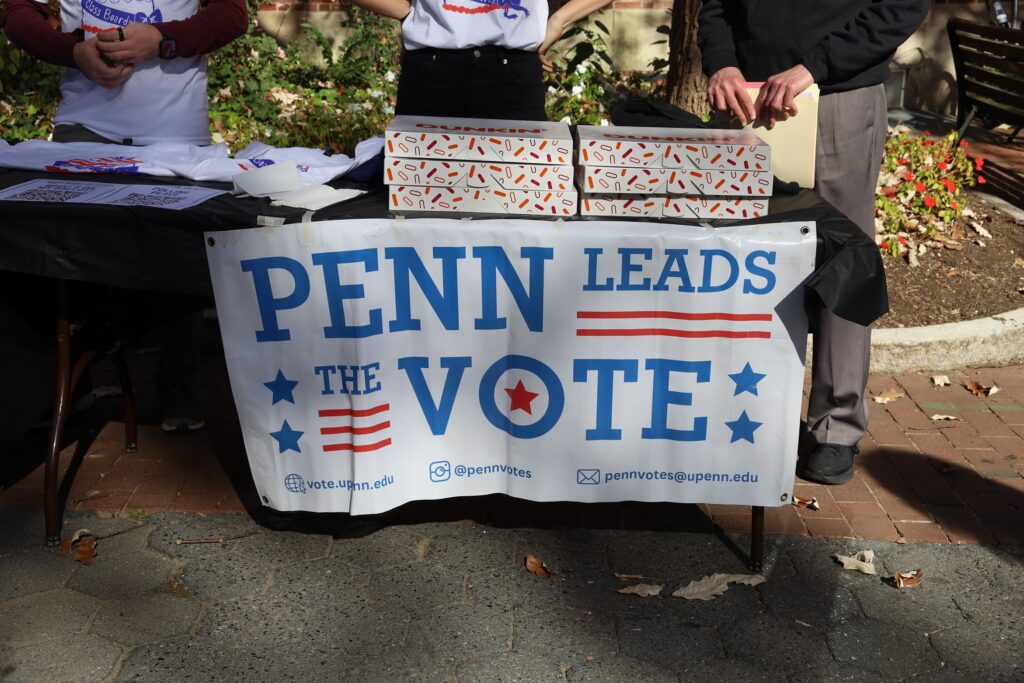
Young Pa. voters weigh in on the issues that brought them to the polls
Pennsylvania college students shared why they voted, which issues matter most to them and the challenges they faced navigating the midterm election.
9 hours ago
Democrats win majority in Pa. state Senate, achieving elusive ‘trifecta’ in Harrisburg
A $15 minimum wage, public transit funding and legalized recreational marijuana may be on the table in 2027 after a blue wave in the midterms.
10 hours ago
Listen 1:02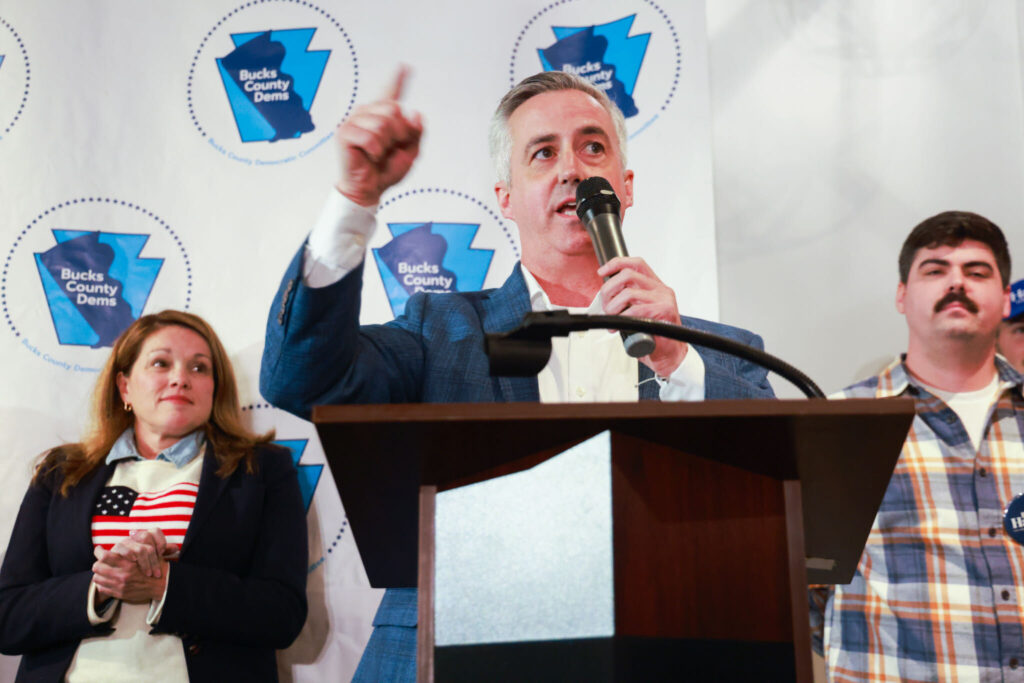
Election 2026: Here’s who won and who lost in Pennsylvania
Democrats swept the commonwealth's four most closely watched congressional races amid a nationwide blue wave.
13 hours ago