
Some do’s and don’ts to avoid injury in a snowstorm, according to Philly-area doctors
Snowstorms and extreme cold can increase risks for heart attacks, respiratory complications, back injuries, hypothermia and carbon monoxide poisoning.
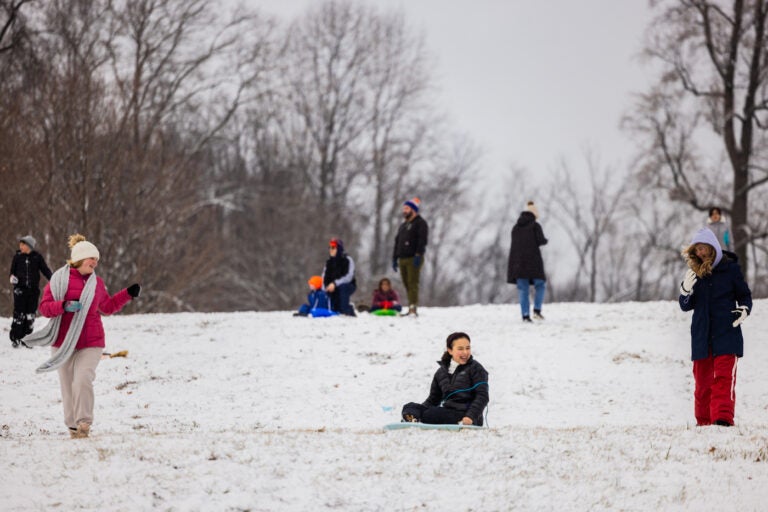
About a dozen families sledded on Belmont Plateau during a winter storm Jan. 6, 2025. (Kimberly Paynter/WHYY)
Winter storm coverage
- Latest updates: See here for the most up-to-date winter storm coverage.
- Get or give help: Here are extreme cold resources across the Delaware Valley, and here’s how you can help your unhoused neighbors amid frigid temps.
- Be prepared: Take these steps to protect yourself — and your pets — and here’s how to keep your pipes from freezing in cold weather.
- Winter wonderland: Here’s how the snowstorm unfolded, in photos.
The Philadelphia region is expecting between 8 and 12 inches of snow Sunday for its first major winter storm of the year, which also comes with a heightened risk for accidents, trauma and other dangerous situations.
People can take precautions at home to avoid painful injuries, serious medical conditions and visits to the emergency room, doctors say.
Here are some Do’s and Don’ts of snowstorm activities to stay safe and healthy:
Do: Assess your ability to shovel snow, recognize your limitations and be aware of heart risks
Before reaching for a shovel, determine if you can handle what might be a very strenuous activity, said Dr. Kraftin Schreyer, an emergency physician and medical director of capacity management at Temple University Health System.
Shoveling heavy snow can be similar to a high-intensity cardio workout, increasing stress on the heart in a way that someone might not be used to, possibly leading to a heart attack.
“And those people that are not as accustomed to exercise are at higher risk,” she said. “Even a minimal amount of perceived exertion with shoveling, you can start to see effects after even two minutes of shoveling. And the heavier the snow, the greater the degree of exertion.”
People should call 911 and seek emergency care if they experience signs of a cardiac event, including chest pain, shortness of breath, fatigue, nausea, lightheadedness or dizziness.
Don’t: Wait until the end of the storm to start clearing snow
To avoid moving the heaviest snow after the storm is over, Dr. Rahul Shah, an orthopedic and spine surgeon at Premier Orthopaedic Associates in South Jersey, recommends people shovel smaller amounts of snow more frequently throughout the day or make plans with neighbors, friends or family who can clear the snow for you.
Don’t: Twist your body while shoveling
Shoveling can lead to painful injuries in the back, neck and upper body when done improperly, Shah said.
“When you move snow, what you do is use your arms, right?” he said. “So, the arms, which are attached to the torso, wherever those [joints] are fragile will potentially give you problems or people have shoulder discomfort, elbow discomfort, wrist discomfort.”
Repeatedly twisting the torso can also cause back issues. Instead, Shah said people need to keep their core rigid and rely on their legs to lift and move the snow.
“You’re generating the power in other areas, like your ankles, like your knees, like your hips,” he said. “In that same vein, you don’t want to twist, because that’s where your back is actually the most fragile.”
Do: Dress appropriately for freezing temperatures to avoid hypothermia
Temperatures will stay below freezing this week, which means people should dress in layers and protect their hands, feet and head. Schreyer said this is especially important for elderly adults and young children “if you’re spending all day playing in the snow.”
“If you can, take a break, get inside, warm up,” she said.
Wet conditions from melting snow or play can also exacerbate hypothermic injuries, Schreyer said, which can include frostbite or damage to the nervous system, cardiovascular system and organs.
“The actual clinical impact of the low environmental temperature is worse than during a whiteout condition,” she said. “So, it’s better to be dry and cold than wet and cold.”
It’s also better to dress assuming you may be exposed to the cold for longer than planned, Schreyer said, accounting for the possibility you may get stuck driving or while traveling in other ways.
Related Content
Philadelphia snow updates: City emergency lifted; 3 die while shoveling in Pa.; latest storm impact
Bitter temps will linger across Pennsylvania, New Jersey and Delaware this week. Here’s everything you need to know.
6 months ago
Don’t: Use inappropriate heating sources indoors
The dangers of a snowstorm and extremely cold temperatures aren’t limited to the outside environment.
As people seek additional sources of heat and warmth, they may resort to using things that can cause a fire or put them at risk of carbon monoxide poisoning, Schreyer said.
“If you’re struggling with heat, just don’t inappropriately heat the inside of your house or wherever you’re staying with a charcoal grill or a camp stove, something that would certainly put you at higher risk for a carbon monoxide poisoning,” she said.
Public health officials recommend people confirm that their smoke alarms and carbon monoxide detectors are working prior to the storm.
Never use a gas-powered portable generator inside as they can cause fatal carbon monoxide poisonings.
Do: Seek medical help for painful or lasting injuries and medical crises
If someone suffers an injury, Shah said that it’s important to stop and carefully catalogue where and to what degree the body is feeling pain or discomfort. He said that can be helpful later in identifying signs that an injury is either healing on its own or not getting better and may need medical attention.
“The real difficulty is what you see isn’t all there is,” he said. “We need sometimes additional testing to be able to further see it so we can match it up with what you’re feeling, so then we have a good pathway planned out on how to potentially help it or protect it or allow the body to potentially take care of itself.”
Despite anticipating an overall drop in patient volume at emergency departments during the storm, as most people will likely stay home, Schreyer said health emergencies will continue to happen and people should not hesitate to call 911 if they’re experiencing problems.
Ambulance and EMS crews work hard to reach people no matter the conditions outside, she said, and they will take extra precautions to ensure the safety of everyone during transport.
“We don’t want anyone delaying emergency care because of the weather,” Schreyer said. That’s especially true in cases of head injuries, accidents or complications of a respiratory disease, she added, which can worsen in extremely cold weather.

Never miss a moment with the WHYY Listen App!


WHYY is your source for fact-based, in-depth journalism and information. As a nonprofit organization, we rely on financial support from readers like you. Please give today.
Parts of Philadelphia have already seen over 12 inches of snow. Here’s everything you need to know.
5 months ago
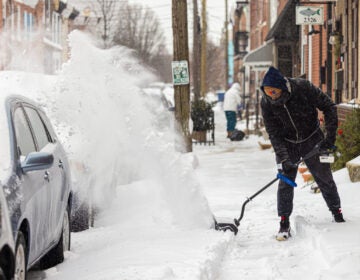
Philadelphia storm updates: Snow emergency in effect amid rare blizzard warning; latest forecast
Pennsylvania, New Jersey and Delaware are gearing up for significant snowfall from Sunday through Monday, along with powerful winds. Here’s everything you need to know.
5 months ago
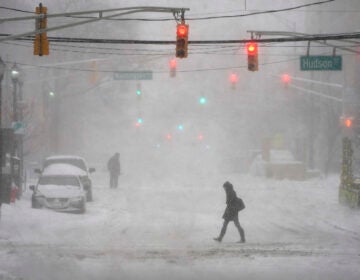
Blizzard warnings issued for New Jersey, New York City, Connecticut as storm threatens East Coast
The weather service said the storm could arrive quietly on Sunday with rainfall in some places before worsening.
5 months ago