

Philly tenant unions have quadrupled since the pandemic — and their political power is growing
From new protections and lawsuits to collective bargaining, organized renters are testing new ways to hold landlords accountable.
Listen 6:15
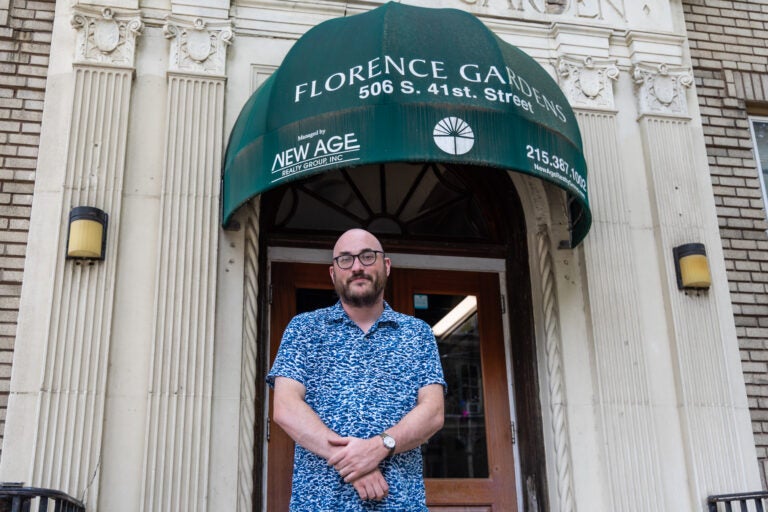
Resident Jared Winters outside the Florence Gardens apartments in West Philadelphia (Kimberly Paynter/WHYY)
Have a question about Philly’s neighborhoods or the systems that shape them? PlanPhilly reporters want to hear from you! Ask us a question or send us a story idea you think we should cover.
On a humid weekday in early August, a couple dozen tenants filed through the glass front doors of a corner office building on Spring Garden Street to deliver a petition and a stark message to New Age Realty Group, the landlord for Florence Gardens Apartments in West Philadelphia.
Minutes later, the company’s property manager, Eric Hanson, emerged from a back room to face the peaceful group, now stuffed inside the company’s narrow waiting area.
He wasn’t expecting them.
“We are forming, at this point, a tenants union in order to have solidarity with each other and in order to get proper living conditions within the building that we rent from you,” said Jared Winters, a server and student who rents a two-bedroom apartment at Florence Gardens with his partner.
“Got you,” Hanson calmly replied. “Let me give you my card and then you guys can set up a time where you can come in.”
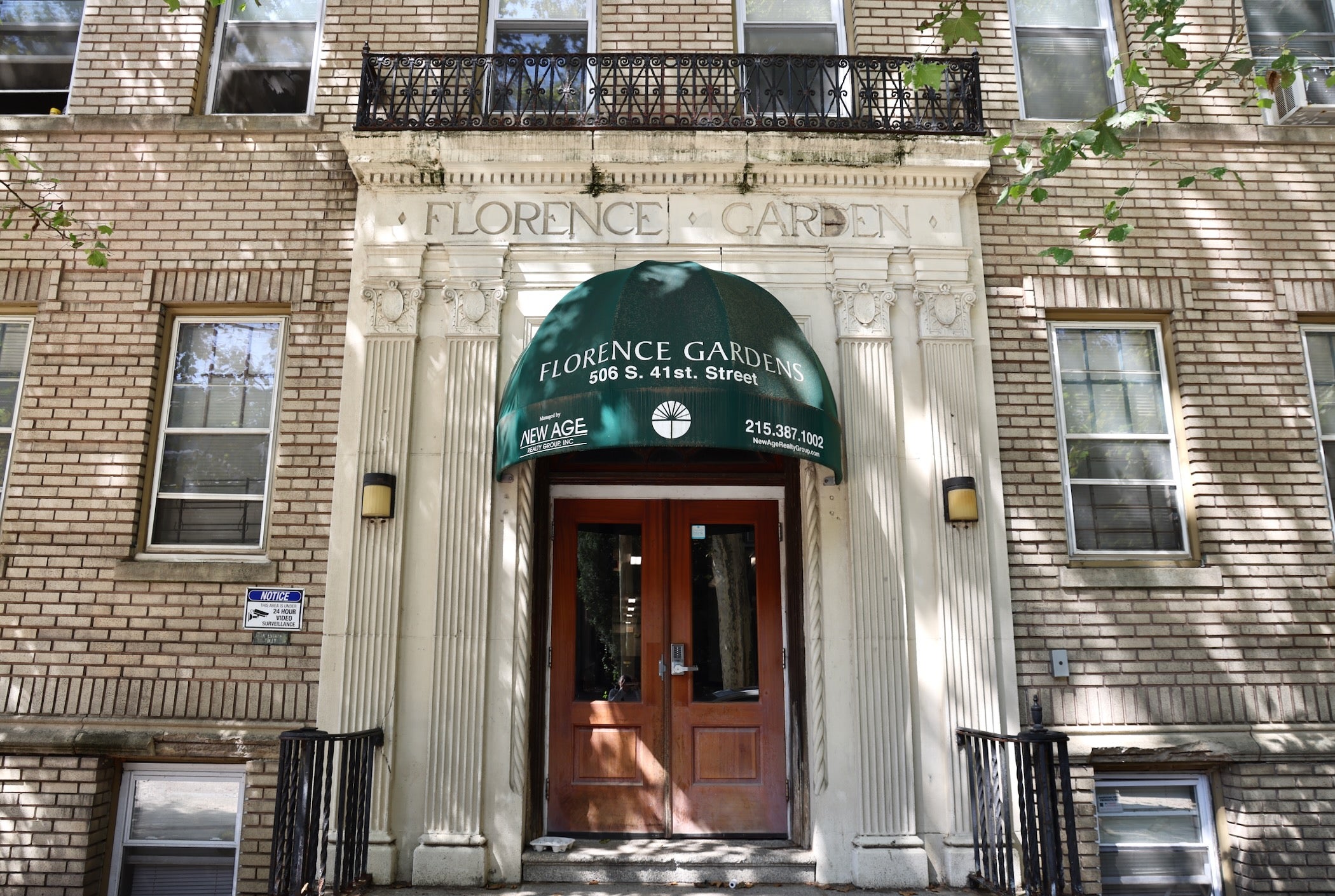
The brief confrontation, scheduled after a couple months of organizing, ended soon afterward with tenants feeling mostly satisfied that they had, at the very least, declared their union and gotten the ball rolling on negotiating a new lease with New Age, their top goal.
In doing so, the group became Philadelphia’s newest tenant association, adding to a growing movement propelled by the city’s ongoing housing crisis and broader affordability issues nationwide.
Since the COVID-19 pandemic, considered a major turning point in the resurgence of tenant unions nationwide, the number of tenant unions in Philadelphia has grown from about five known associations to upward of 20.
These groups are largely composed of working-class residents and were formed through a variety of models. Some are autonomous, launched organically by tenants at the same apartment building without any outside guidance. Others are the products of partnerships with a variety of tenant rights groups.
Hundreds of renters are also members of an informal citywide union, which often targets specific landlords that have properties across Philadelphia.
The group at Florence Gardens is one of five with ties to the Philadelphia chapter of the Democratic Socialists of America. While it’s one of the city’s youngest, organizers say that distinction won’t last long in a city with an aging housing stock, where nearly half of all residents are renters, many of whom can’t afford to move.
“Tenants are really pushed against the wall and realizing that the only choice they have is to come together,” said Vincent Montoya, an organizer with Philadelphia DSA.
Related Content
Fair housing advocates hope the decision empowers more tenants to speak out in a city where fears of retaliation run deep.
3 months ago
Listen 1:09Landlords supportive but wary of tenant movement
While relatively small, and in some ways still experimental, the city’s growing tenant movement has caught the attention of landlords, in part because it has contributed to a string of high-profile legal and legislative victories — victories housing advocates hope will empower more tenants to organize to protect their rights.
Most recently, renters at an apartment building in West Oak Lane moved closer to settling a class-action lawsuit with their landlord over illegally collected rent. The proposed agreement, given initial approval in late July, calls for the largest known per-tenant award in a class-action suit under Philadelphia’s rental license and certificate law, according to the Public Interest Law Center.
-
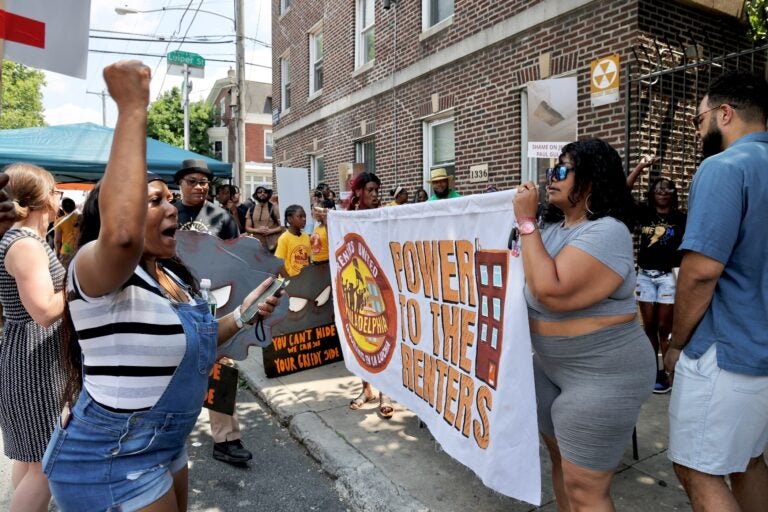
Renters march outside Avondale Apartments on June 18, 2024, during a protest against Odin Properties, accused of poorly managing their low-income rental properties in Philadelphia. (Emma Lee/WHYY) -

Protesters march outside Avondale Apartments on June 18, 2024, during a protest against Odin Properties, accused of poorly managing their low-income rental properties in Philadelphia. (Emma Lee/WHYY) -
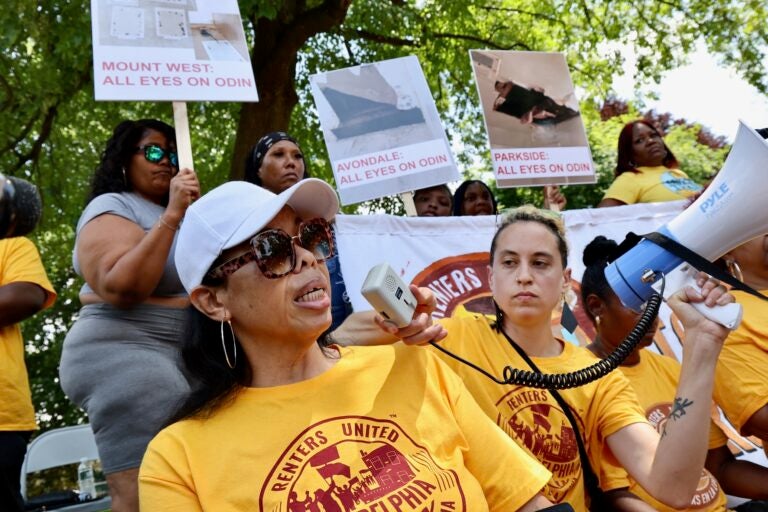
Lori Peterson, who lives in Mount West Apartments, talks about her experience renting from Odin Properties. About 60 tenants gathered in Overington Park to protest Odin's slow response to maintenance issues. (Emma Lee/WHYY) -
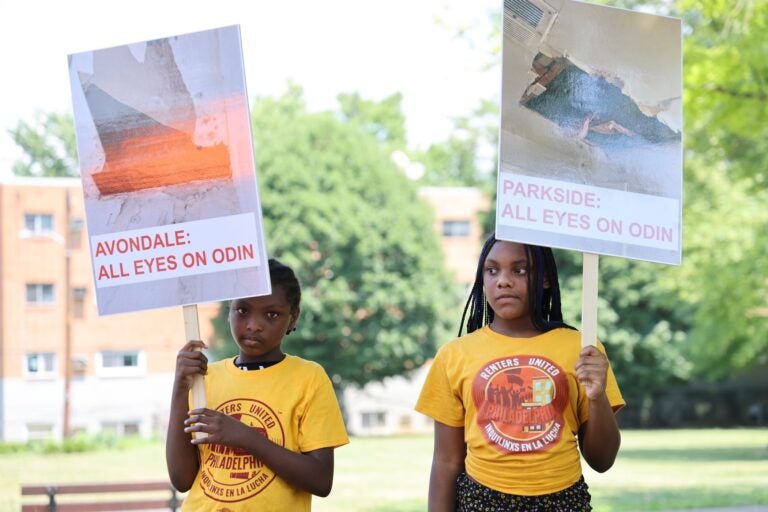
Children carry signs during a protest march on June 18, 2024, against Odin Properties, which provides low-income rentals in Philadelphia. Tenants complained of leaking roofs, cockroach infestations and mold in their apartments and common areas, as well as the company's slow response to their problems. (Emma Lee/WHYY) -
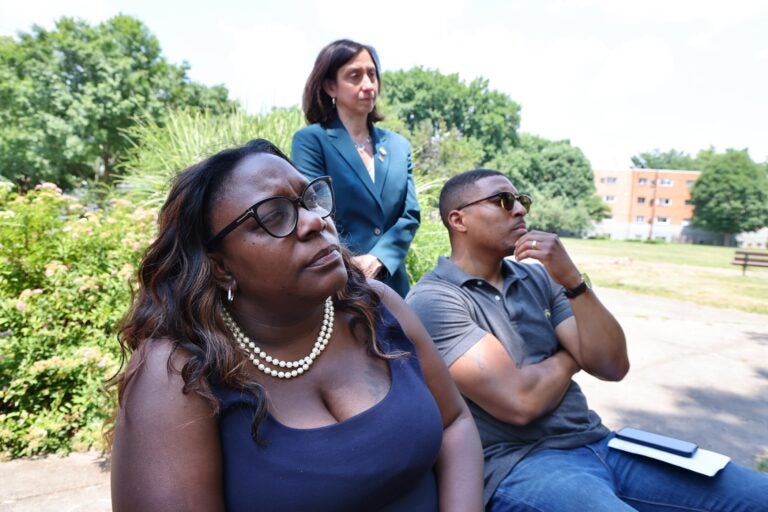
Philadelphia City Councilmembers (from left) Kendra Brooks, Rue Landau and Nicolas O'Rourke listen as tenants air their complaints about Odin Properties. The rally, organized by Renters United, took place in Overington Park on June 18, 2024. (Emma Lee/WHYY)
In November, a pair of laws are set to take effect that housing advocates say will strengthen renter protections and help reduce instances of landlord retaliation, a pervasive fear among low-income tenants in the city.
The measures were crafted in partnership with tenant organizers from the city’s community union, marking a major political win for the movement.
“For too long, the only people with a direct line to City Hall were the corporate landlords who could afford expensive lobbyists,” said City Councilmember Jamie Gauthier, who chairs the body’s housing committee. “Nearly half of Philadelphians rent their homes, and tenant unions have given them an organized, persistent voice.”
Paul Cohen, general counsel for HAPCO Philadelphia, the city’s largest advocacy group for independent landlords, said members continue to express concerns about the legislation’s potential impact on their businesses.
That includes a provision that clarifies that tenants have the right to sue for back rent if their landlord has illegally collected payment. Under the law, landlords must have an active rental license and a certificate of rental suitability to collect rent.
Landlords would not be penalized if they lack those documents because of administrative delays caused by the city, including at the Department of Licenses and Inspections. But Cohen said good landlords could still be punished if, for example, they didn’t know they needed them to legally operate.
“Yes, it’s something they should have. OK, fine them for not having it. I get that. Should be a normal fine, not you get all the rent back. Could be thousands and thousands of dollars,” Cohen said.
And to him, it’s just another regulation that will push independent landlords, particularly those with affordable units, to either make their apartments market rate or sell them to someone who will, further shrinking the city’s supply and making it harder for tenants to find new homes.
“It’s very counterproductive,” Cohen said.
More broadly, he doesn’t view the rise in tenant unions as an inherent threat to HAPCO members — if those unions are targeting truly “bad landlords,” which he considers to be a small percentage of the larger pool.
Enforcement of existing city laws, however, is what will help tenants the most, Cohen said.
Related Content
West Oak Lane renters could receive cash refunds under new class-action settlement
Tenants at Bentley Manor sued Odin Properties last year, alleging the landlord illegally collected rent while the building was deemed unsafe.
4 weeks ago
Listen 0:58What tenants have won
Tenant organizers don’t buy Cohen’s logic and say they aren’t fighting for anything beyond the basics of what city renters deserve under the law, whether that looks like passing new legislation, filing a class-action lawsuit, or having a protest to publicly shame a landlord who is violating their tenants’ rights.
“We’re not asking for luxury. We’re asking that if we get a leak in our kitchen, you come fix it,” said Theresa Howell, and organizer with OnePA Renters United.
-
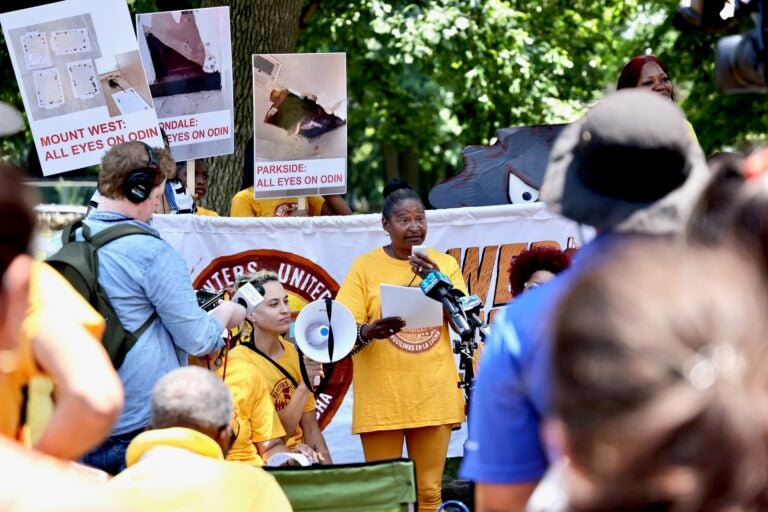
Renters United organizer Theresa Howell speaks on June 18, 2024, to a group of tenants gathered at Overington Park in Northeast Philadelphia during a rally and march against Odin Properties, a provider of low-income housing in Philadelphia. (Emma Lee/WHYY) -
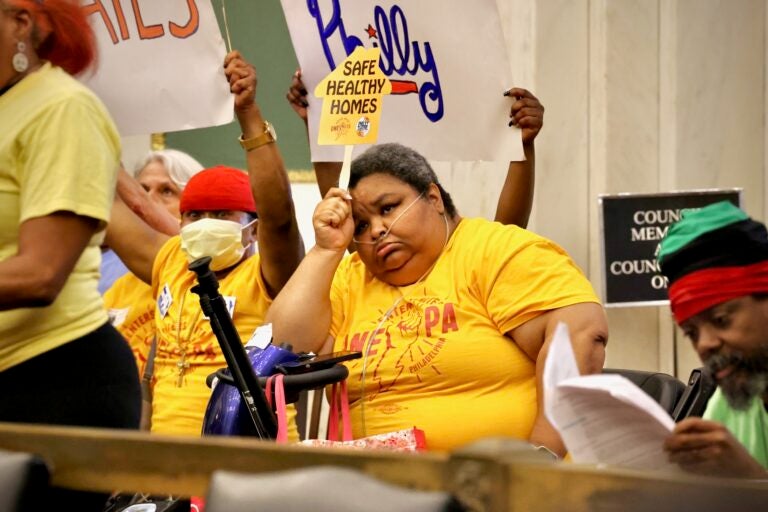
Melissa Monts attends a Philadelphia City Council meeting on June 12, 2025, to testify in support of legislation that would create a fund for displaced renters. (Emma Lee/WHYY) -
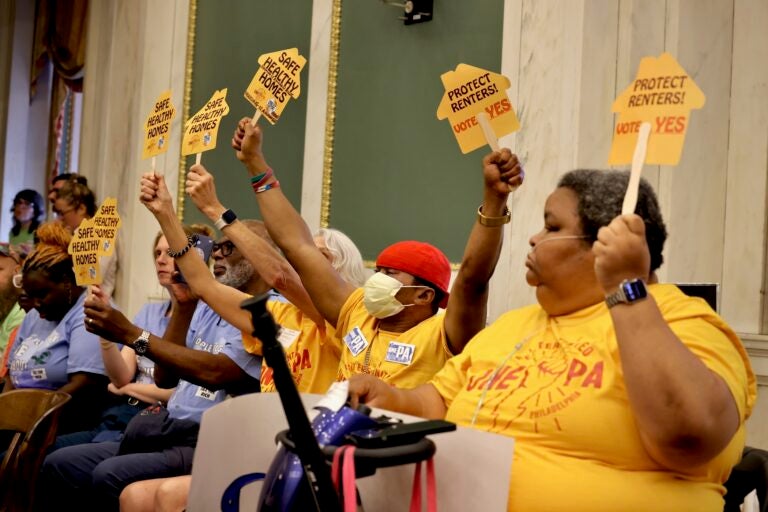
Members of Renters United One PA attend a Philadelphia City Council meeting on June 12, 2025, to support legislation that would protect renters. (Emma Lee/WHYY)
The organization, which has multiple chapters, played a pivotal role in crafting the Safe Healthy Homes Act, which includes the two measures that take effect in November.
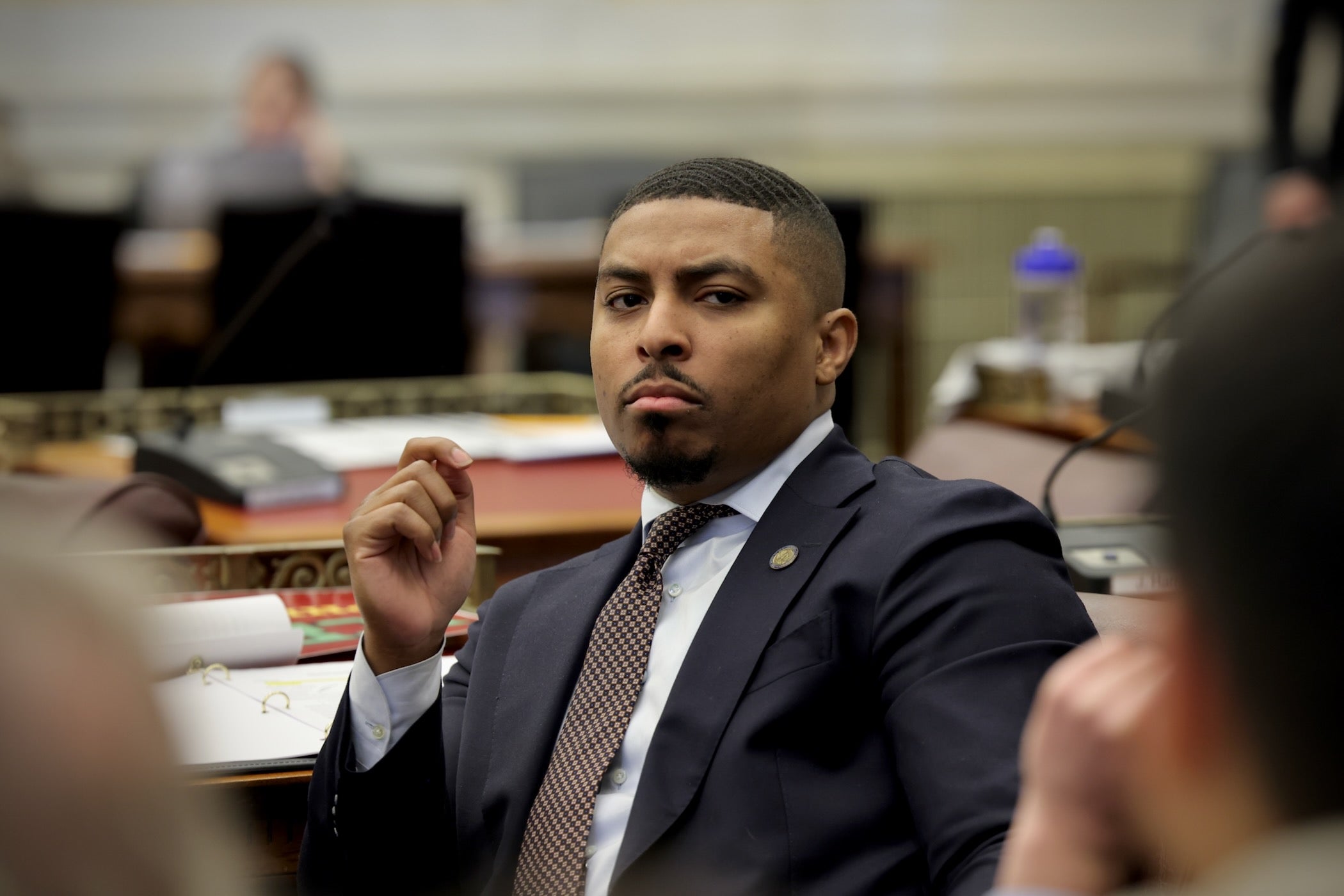
The legislation, introduced by Councilmember Nicolas O’Rourke, expands “good cause” protections to all renters. That means, regardless of the term of a tenant’s lease, landlords must state in writing the legitimate, legally defined reason why they want to terminate or not renew a lease. Currently, the law only applies to month-to-month leases and leases that run for less than a year.
Advocates say the exemption has provided cover for unscrupulous landlords to use this form of eviction to retaliate against tenants with longer leases — because they weren’t required to justify their decision or even give renters advance notice.
Another provision expressly bars landlords from ending or modifying a tenant’s lease simply because that tenant is cooperating with a city investigation, has discussed their living conditions with a council member or reporter, or has joined a tenants association.
OnePA, along with other housing advocates and progressive lawmakers, also pushed hard to refocus how some program funding would be allocated during the first phase of Mayor Cherelle Parker’s signature housing plan — so it would prioritize Philadelphia’s lowest-income households.
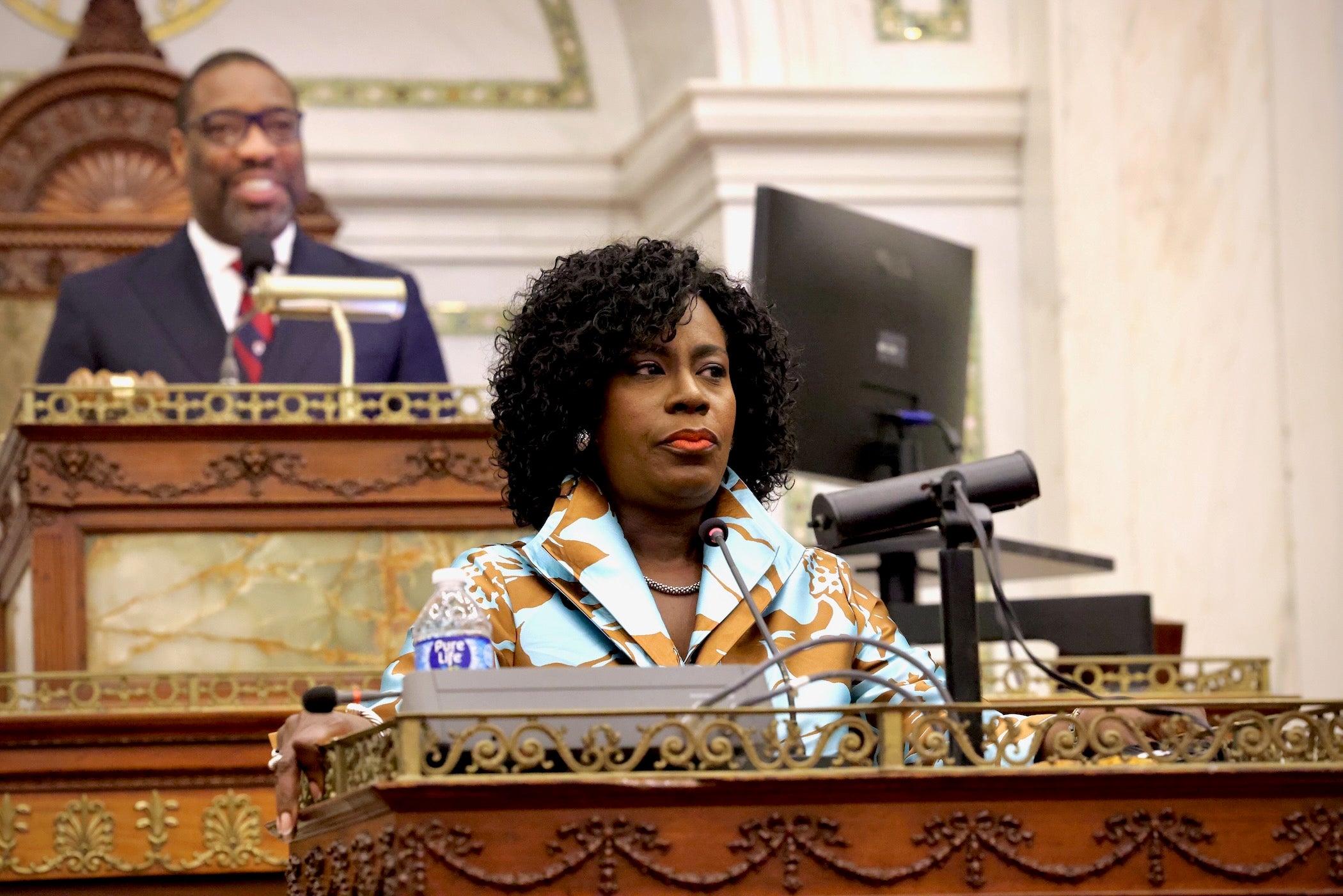
Despite strong opposition from the administration, the budget now includes increased funding for affordable housing preservation and production, a popular home repair program, and an effort to help tenants facing eviction and homelessness.
The plan, known as the Housing Opportunities Made Easy initiative, additionally includes funding for an anti-displacement fund for tenants who must move because their building has become uninhabitable. Under the program, tenants would be eligible to receive a one-time payment if the move is prompted by a negligent property owner or landlord.
Separately, the city is slated to spend at least $7.5 million to expand its proactive rental inspections program, a longtime wishlist item among housing advocates.
Related Content
The mayor strongly opposed prioritizing the city's lowest-income households. Now, the H.O.M.E. initiative is set to add millions for repairs and preservation efforts.
9 months ago
Listen 1:06Accountability through bargaining
Tenant organizers now have a new goal: to win the first collectively bargained lease in Philadelphia.
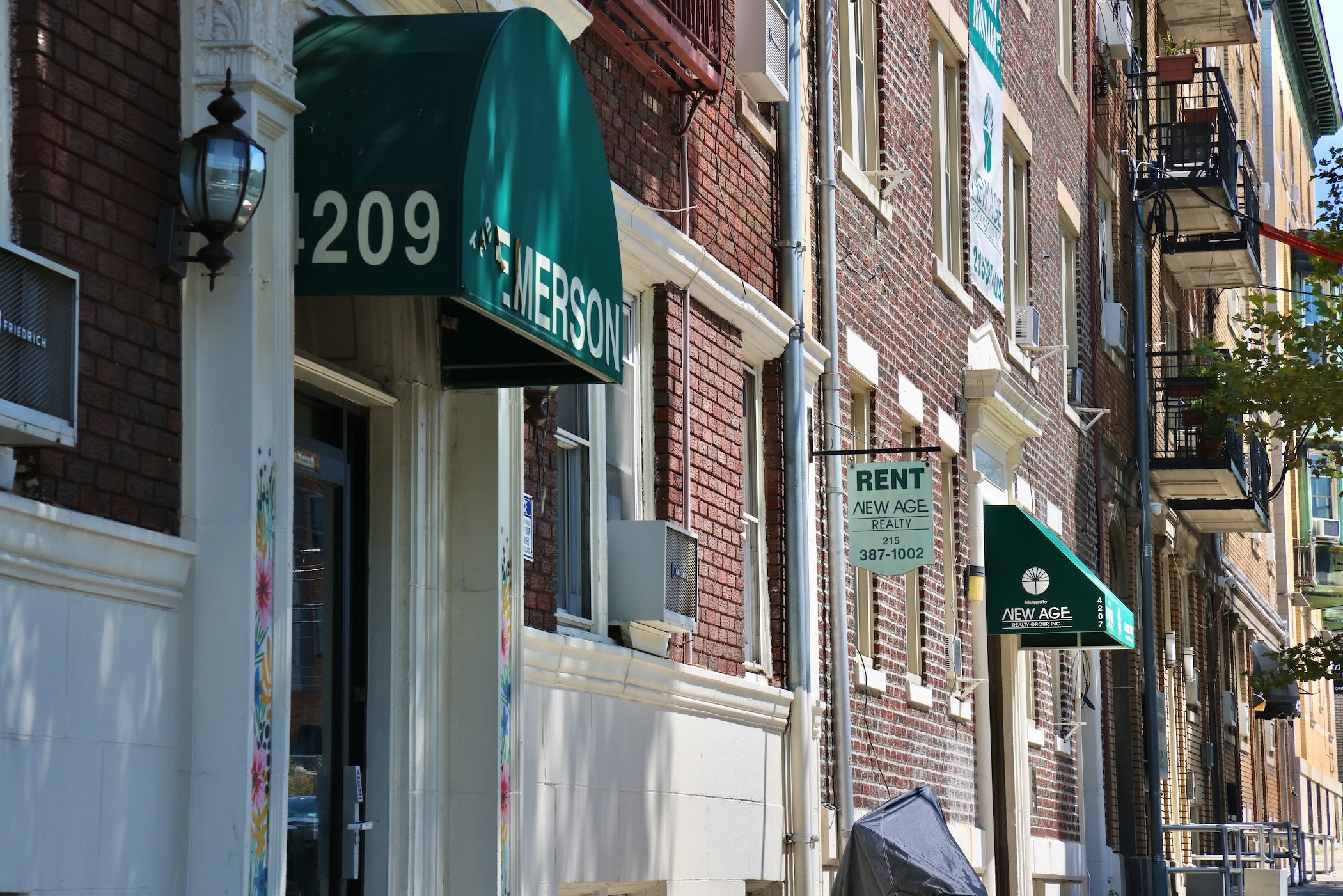
Since February, the tenant union at The Emerson, located a block away from Florence Gardens, has been meeting with representatives from New Age Property Realty Group with hopes of setting that precedent, which they argue would give renters a new tool to hold landlords accountable.
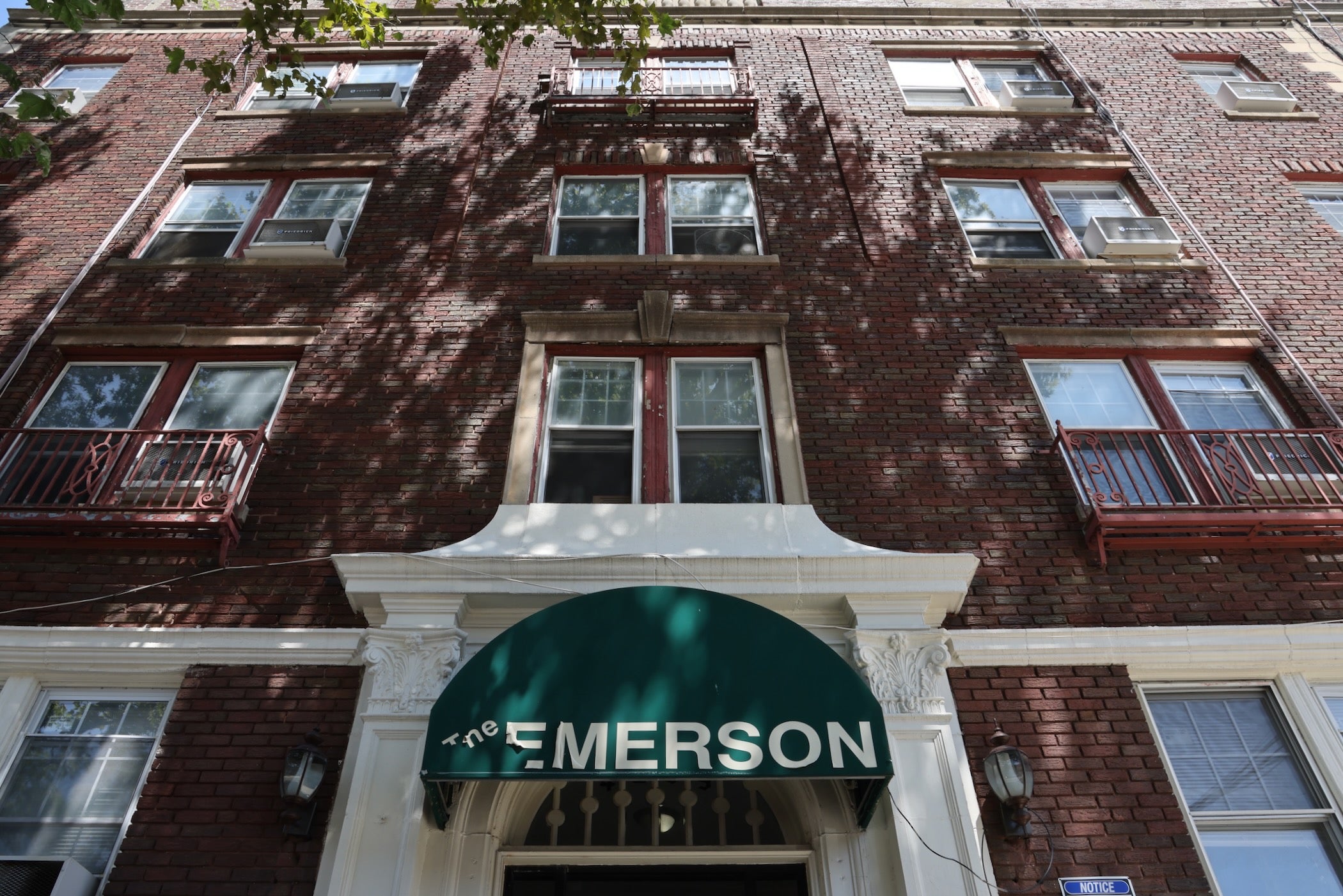
The union formed following a string of winters during which tenants lost heat because of power outages, they say, were the result of New Age opting not to replace the building’s boiler after it failed. Instead, the company installed individual heating and cooling units in each apartment without upgrading the property’s electrical system or installing basic insulation or weatherization, Montoya said.
In the dead of winter, tenants say that left them without any heat for hours, and due to systemic inefficiencies, inflated electric bills when the building’s system was working.
“I can’t afford a $250 PECO bill every winter for three months straight when I’m trying to be conservative with the heat in the first place,” said Gavin Bartlett, who works in the information technology department at Drexel University and rents a studio apartment at The Emerson.
Most tenants in the 36-unit building are paying between $900 and $1,100 a month in rent.
In the negotiated lease, tenants want to see language that sets a deadline for upgrading the building’s heating system, including the installation of a new boiler.
Additionally, the union is seeking a rent cap for the three years, deadlines for certain maintenance requests and financial penalties for when things like pest control and mold prevention issues aren’t tackled in a timely manner.
To date, New Age has not agreed to any of the union’s demands, including to amend all existing lease contracts.
“All lease terms can be considered during the renewal process, as each lease functions as an individual contract between the tenant and the property owner. The owner will ultimately decide if they want to alter the agreement for the tenant to renew, or decline, and the tenant vacates,” Hanson said in an emailed statement.
“It is a shame that the union is putting out a false narrative, and attacking both ownership and management, in an effort to have their lease demands met,” he added.
Lauren Bourke, who helped start the union, said she remains steadfast in pursuing the group’s goal to secure a collectively bargained lease.
To her, there’s no turning back now.
“It’s been the solidarity of our neighbors and people showing up that has given me the confidence to keep moving forward with this,” Bourke said.

Subscribe to PlanPhilly
WHYY is your source for fact-based, in-depth journalism and information. As a nonprofit organization, we rely on financial support from readers like you. Please give today.
Brought to you by PlanPhilly

PlanPhilly
In-depth, original reporting on housing, transportation, and development.

Mayor Parker budget plan could fund more library heating and air conditioning fixes next year
Philadelphia relies on libraries as heating and cooling centers, but they frequently close due to heat or air conditioning issues.
5 months ago
Listen 0:58
Philly City Council’s big housing push: What changed for renters, homeowners and developers in 2025
The mayor’s housing plan took center stage, but lawmakers also made it easier for certain renters to move and made life easier for affordable housing developers.
8 months ago

‘Philly ain’t playing’: City steps up anti-dumping enforcement efforts
Forty additional city employees have been given authority to issue notices of violation against illegal dumpers. They hit the streets next month.
10 months ago
Listen 0:47