
Mayor Parker is proposing millions for proactive rental inspections, modular home factories in Philly
The investments are meant to bolster the mayor’s plan to create and preserve 30,000 housing units amid an affordable housing crisis.
Listen 0:59
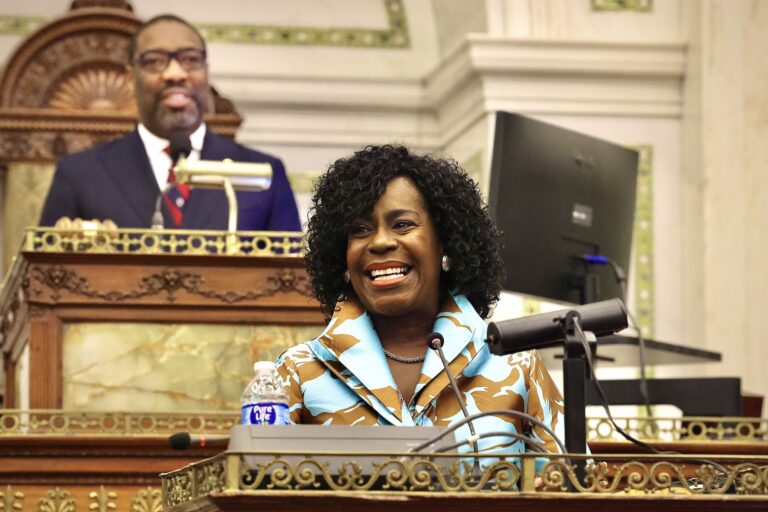
Philadelphia Mayor Cherelle Parker delivers her budget address Thursday at City Council. (Emma Lee/WHYY)
Have a question about Philly’s neighborhoods or the systems that shape them? PlanPhilly reporters want to hear from you! Ask us a question or send us a story idea you think we should cover.
Mayor Cherelle Parker’s latest budget proposal includes millions aimed at mitigating Philadelphia’s affordable housing crisis.
The investments include $7.5 million to create a proactive rental inspections program, $10 million to support modular home factories, and an additional $15 million for the Philadelphia Land Bank.
If approved, the new dollars would bolster Parker’s signature housing plan, one of her top priorities since she took office. The multifaceted effort, dubbed the Housing Opportunities Made Easy initiative, is rooted in preserving and creating 30,000 units.
“We see housing as a gateway to economic mobility — and I know City Council does too,” Parker said during her budget address Thursday.
Her speech came less than a week after lawmakers advanced legislation authorizing the city to launch a program to inspect rental units on a “regular basis” — not just when a formal complaint has been filed with the city’s Department of Licenses and Inspections. The current system makes Philadelphia an outlier among big U.S. cities.
Fair housing advocates say that’s problematic, because many tenants fear they’ll be evicted if they speak up about dangerous living conditions. They argue a proactive inspections program would help reduce that kind of retaliation.
The push is part of a broader legislative effort aimed at strengthening renter protections and empowering tenants to hold negligent landlords accountable.
“We look forward to working with L&I, City Council, and the administration to support the roll out of proactive inspections, so that families like mine will no longer have to worry about our children getting sick in unsafe homes,” said Theresa Howell, a Frankford renter and member of OnePA Renters United Philadelphia.
Department officials have said the agency was in the process of crafting a pilot program with help from researchers at Pew Charitable Trusts. A spokesperson said there are “no additional details to share” about the effort.
Related Content
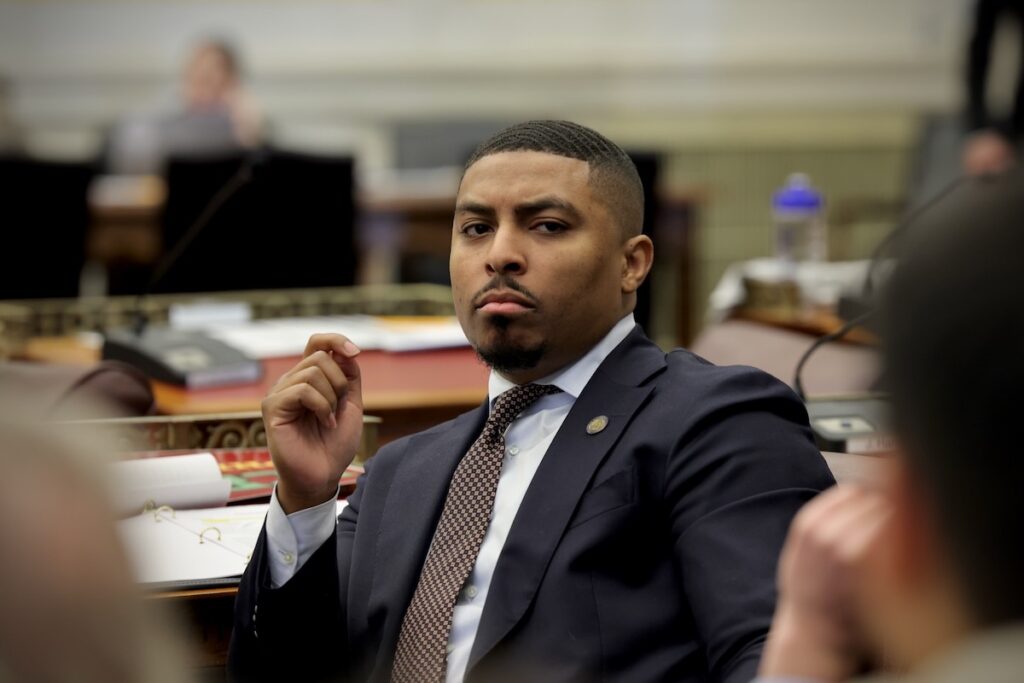
City Council’s housing committee advanced the legislation after months of negotiations with the mayor’s administration and landlord advocates.
7 months ago
Listen 1:17Funding for modular homes
Parker’s housing plan calls for the construction of 13,500 new units.
In service of that goal, the mayor wants to make Philadelphia a hub for modular home factories by bringing up to five facilities to underutilized sites.
In January, the city began soliciting information from industry experts with hopes of putting out a request for proposals in the near future. Now the Parker administration wants to commit at least $10 million to the effort through the next capital budget.
“I want you to think about three shifts working 24/7 — family-sustaining union jobs — to build affordable and workforce homes for Philadelphians who need housing now. Right now. We can’t wait,” Parker said Thursday.
Finance Director Rob Dubow told reporters Wednesday that the figure was a “placeholder” for the initiative, which Parker is also pitching as a job creator.
The funding would go toward site preparation, utilities and infrastructure improvements that “support the development of underutilized assets that could be candidates for this type of facility,” according to a spokesperson for the Department of Planning and Development.
Parker has floated the idea of bringing factories to locations where “persistently” vacant schools now stand, as well as to the infamous Logan Triangle in North Philadelphia.
Nearly 1,000 homes once stood at the site, a 35-acre triangular parcel near Roosevelt Boulevard. The city demolished them after the discovery that they were hopelessly sinking into the unstable soil they were built on. It’s been vacant ever since.
Separately, Parker’s administration is pushing to improve the Philadelphia Land Bank, which puts vacant city-owned land into productive use and often serves as the front door of the city’s land disposition process.
Most of those parcels are sold to private developers for affordable housing projects, including homes built for the popular Turn the Key program, which Parker has vowed to put “on steroids” under the new budget.

Get daily updates from WHYY News!
WHYY is your source for fact-based, in-depth journalism and information. As a nonprofit organization, we rely on financial support from readers like you. Please give today.
Brought to you by PlanPhilly
PlanPhilly
In-depth, original reporting on housing, transportation, and development.
Part of the series
Philadelphia real estate developers argue a 20-year tax abatement would boost city revenues
Critics contend tax breaks deprive the city and schools of badly needed funds, while proponents say that’s a misconception.
4 hours ago
Philly tenants are fighting to limit AI in property management. Here’s why
Landlords are increasingly turning to generative software for repetitive tasks. Housing advocates say tenants aren’t benefiting.
12 hours ago
Philly tenants are waging a war against ‘junk’ fees. City Council may help
The fight is part of the “End Rental Ripoffs” campaign launched by members of a citywide tenant union. It’s unclear when legislation will be introduced.
1 week ago
Listen 0:56