

Stomach bug virus resurging in New Jersey, Northeast U.S.
Wastewater data indicates a resurgence of rotavirus in parts of New Jersey.

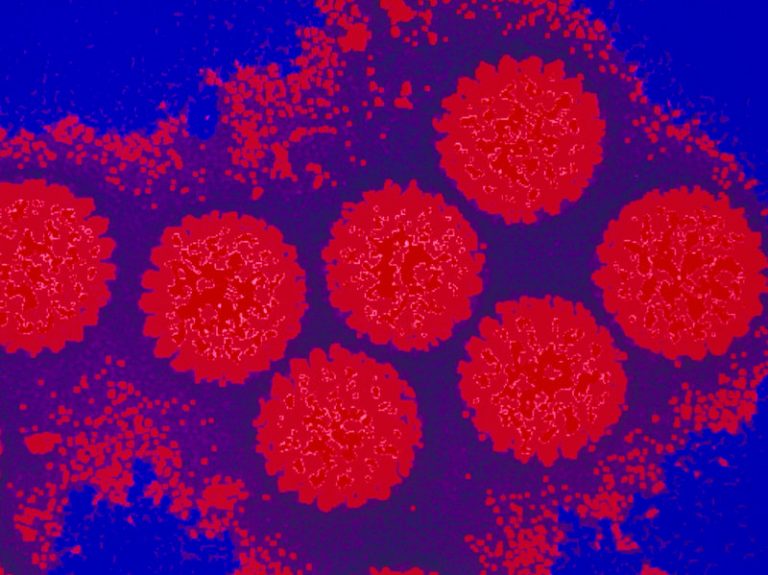
A cluster of rotaviruses. The image is from a transmission electron micrograph and has been colored. (Dr. Gopal Murti/Science Source)
From Philly and the Pa. suburbs to South Jersey and Delaware, what would you like WHYY News to cover? Let us know!
Rotavirus, the major cause of stomach bugs, is spiking in parts of New Jersey, according to samples collected from wastewater between January and April.
The virus is commonly spread through contaminated food, or by touching contaminated surfaces like toys and furniture, when people don’t wash their hands after using the bathroom or changing diapers.
Rotavirus primarily affects infants and young children, though older children and immunocompromised adults can also contract the virus. Once infected, children can have serious vomiting and diarrhea, which can lead to dehydration.
“It’s really important for families and kids to be aware of what rotavirus is, what are the symptoms, so that they can get treatment earlier in the course of the illness, and that treatment is typically ensuring that there’s enough rehydration that’s given in an appropriate period of time to keep the child out of the hospital,” said Dr. Harpreet Pall, a pediatric gastroenterologist and chief medical officer at Jersey Shore University Medical Center.
Wastewater sampling indicates increased concentrations of rotavirus in parts of Monmouth County, as well as moderate increases in parts of Somerset County, according to data from the WastewaterSCAN dashboard. The data also reflects national spikes of rotavirus, particularly in the Northeast.
The surveillance tool tracks infectious disease pathogens in wastewater in real time, and is utilized by the U.S. Centers for Disease Control and Prevention’s wastewater monitoring program.
The wastewater samples provide results within 48 hours, as well as track trends over time, said Amanda Bidwell, scientific program manager for WastewaterSCAN at Stanford University.
“Wastewater is an amazing monitoring tool. It doesn’t require anybody to do anything other than go to the bathroom or wash their hands,” she said. “We’re able to develop specific assays that can target different pathogens of interest, whether that be SARS-CoV-2, or Influenza A, RSV, rotavirus, measles, a whole host of other things. It’s a great way to get a community level assessment of what is happening in your area on a given day.”
Pall said the resurgence of rotavirus could be caused by reduced immunizations among children, compounded by the contagiousness of the virus. Rotavirus spreads easily in settings such as hospitals and childcare centers.
Kids’ immune systems may also be weakened because they haven’t been exposed to as many infectious diseases as they have historically, Pall said.
Related Content
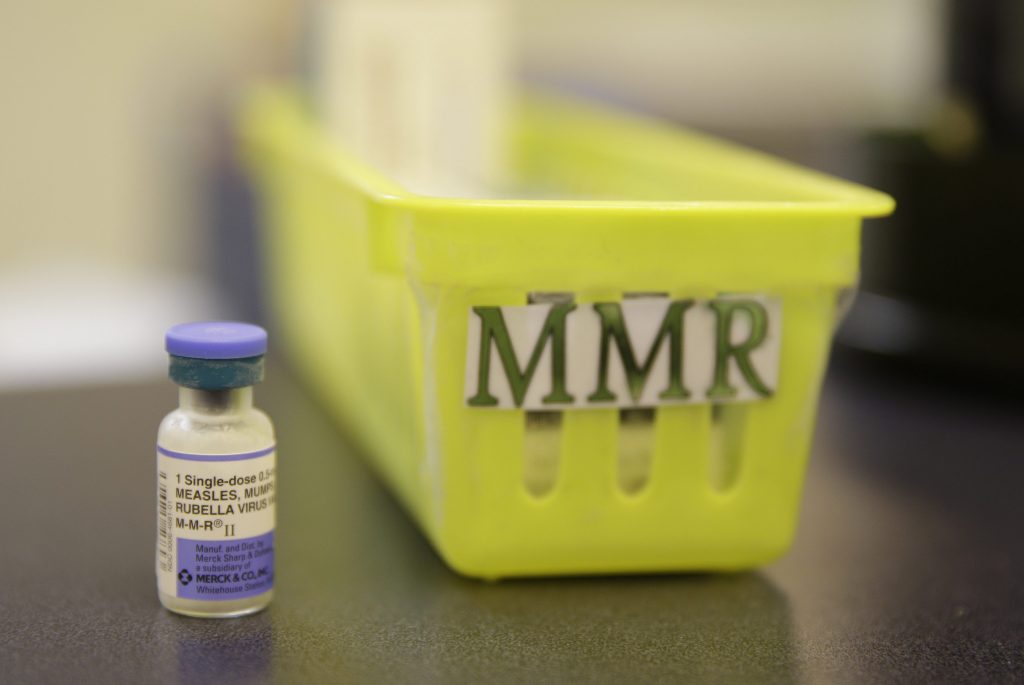
Pennsylvania has reported 12 confirmed cases of measles so far in 2026 and is on track to surpass last year’s total of 16 infections.
7 months ago
Listen 1:15Infant vaccinations can prevent the spread of the rotavirus, as well as maintaining hand hygiene and separating kids from potential outbreaks, he said. Hand sanitizer will not break down the virus, therefore proper hand washing with soap and water is necessary to prevent spread.
According to the CDC, rotavirus affected nearly every U.S. child before age 5. Following the introduction of the vaccine in 2006, hospitalizations dropped significantly.
A spokesperson for the New Jersey Department of Health said it does not track individual cases of rotavirus because they are not reportable to the agency. However, data shows increasing activity with higher percent positivity compared to the same time last year, both nationally and in the Northeast region.
“Vaccination remains the most effective way to protect children against rotavirus. While good hygiene practices such as frequent handwashing and maintaining clean environments are important, they are not sufficient on their own to prevent transmission,” the spokesperson said in an email. “Also, although vaccination reduces the risk of severe illness, neither vaccination nor natural infection provides complete immunity, and reinfections can occur.”
The rotavirus resurgence is not completely surprising, Bidwell said. The virus is seasonal, and it typically peaks late winter and into spring.
“We’re hitting, possibly, the crest of concentrations we see,” Bidwell said. “So we’re almost at the peak, most likely, and then as we head into May, June and July, we typically start to see things decrease.”

Get daily updates from WHYY News!
WHYY is your source for fact-based, in-depth journalism and information. As a nonprofit organization, we rely on financial support from readers like you. Please give today.
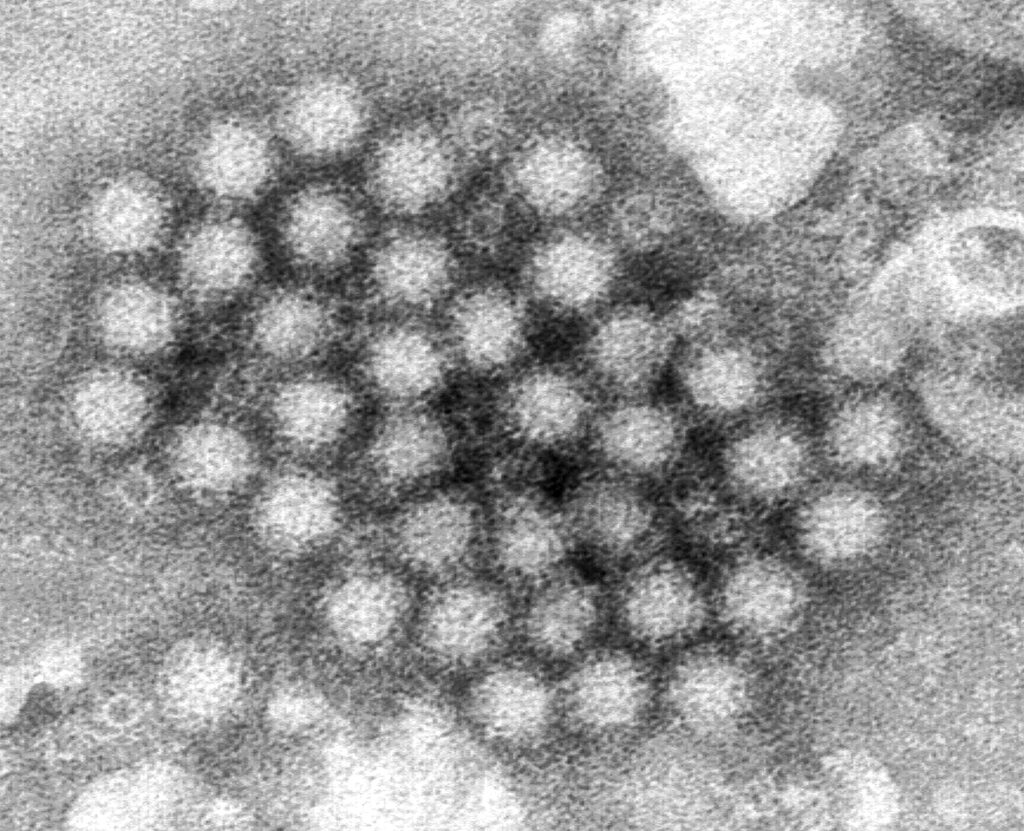
Cases are more common in the winter as people spend more time indoors and in settings like schools, long-term care facilities and daycares.
10 months ago
Listen 1:14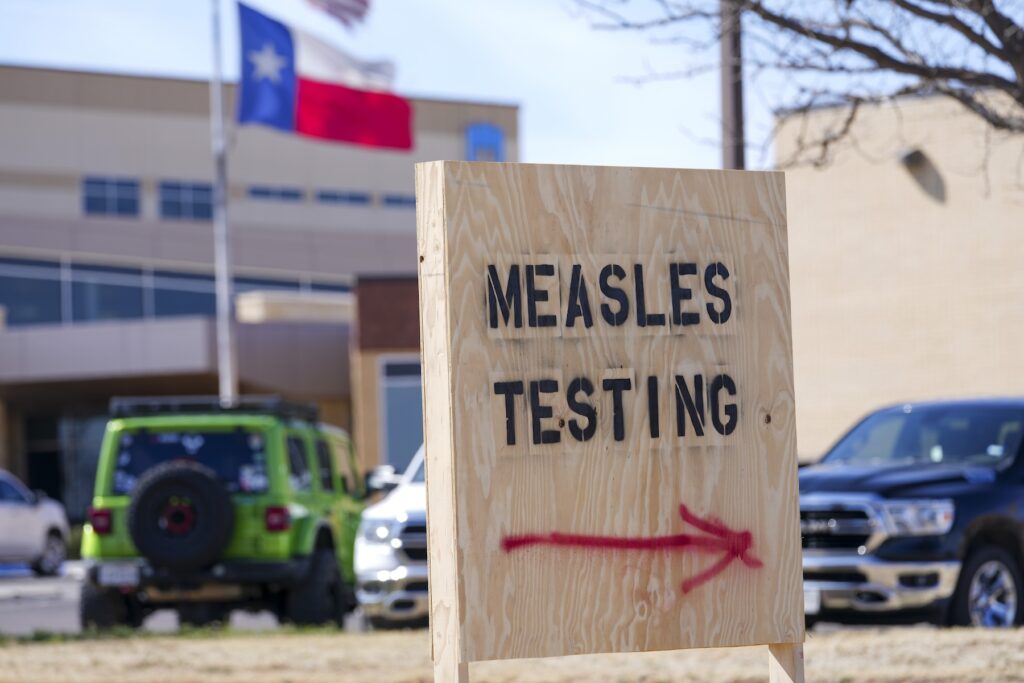
U.S. measles cases surpass 2019 count, while Missouri is latest state with an outbreak
Measles is caused by a highly contagious virus that’s airborne. It is preventable through vaccines, and has been considered eliminated from the U.S. since 2000.
2 years ago
The Philadelphia region is getting hit with norovirus. Here’s how to avoid this bug
One expert says the rate of norovirus infections has increased substantially this year compared to years past.
2 years ago
Listen 1:12