

Delaware to test and treat toxic PFAS in private wells free of charge
The program will help homeowners with private wells who are responsible for testing and treating their own drinking water.
Listen 1:12
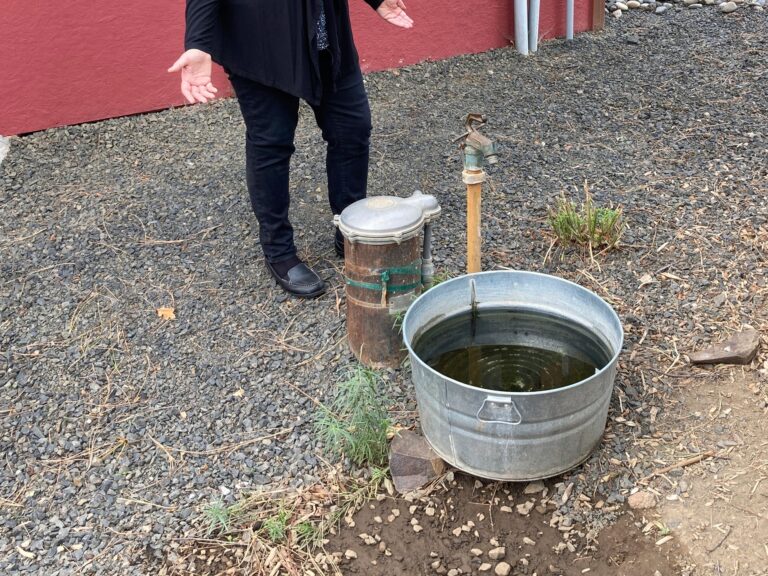
File - In this Tuesday, Oct. 5, 2021, photo, a woman stands at her well at her property on the outskirts of The Dalles, Oregon. (AP Photo/Andrew Selsky)
This story is part of the WHYY News Climate Desk, bringing you news and solutions for our changing region.
From the Poconos to the Jersey Shore to the mouth of the Delaware Bay, what do you want to know about climate change? What would you like us to cover? Get in touch.
Delaware residents who rely on private wells can now test their drinking water for toxic PFAS chemicals free of charge as part of a new state initiative.
State agencies are using federal grants, as well as funding from a PFAS contamination settlement from chemical manufacturers DuPont, Chemours and Corteva, to help residents test and treat their private well water.
About 20% of residents in Delaware rely on private wells for their drinking water because they live too far from a municipally operated or investor-owned water supply.
These water providers are required under state law to test and treat PFAS to levels of almost zero by 2029. However, private wells aren’t state or federally regulated, leaving those homeowners on their own.
Under the new initiative, private well water will be tested for 40 different types of PFAS chemicals and other contaminants at no cost. Residents may also qualify for funding to pay for filtration systems.
The program is led by the Department of Natural Resources and Environmental Control and the Department of Health and Social Services.
“We’re trying to bring to light not only the issue of PFAS within the state, but also the standard drinking water parameters,” said Todd Keyser, a hydrologist at DNREC. “As a well owner within the state, it is primarily your responsibility to ensure that you’re consuming good water.”
Related Content
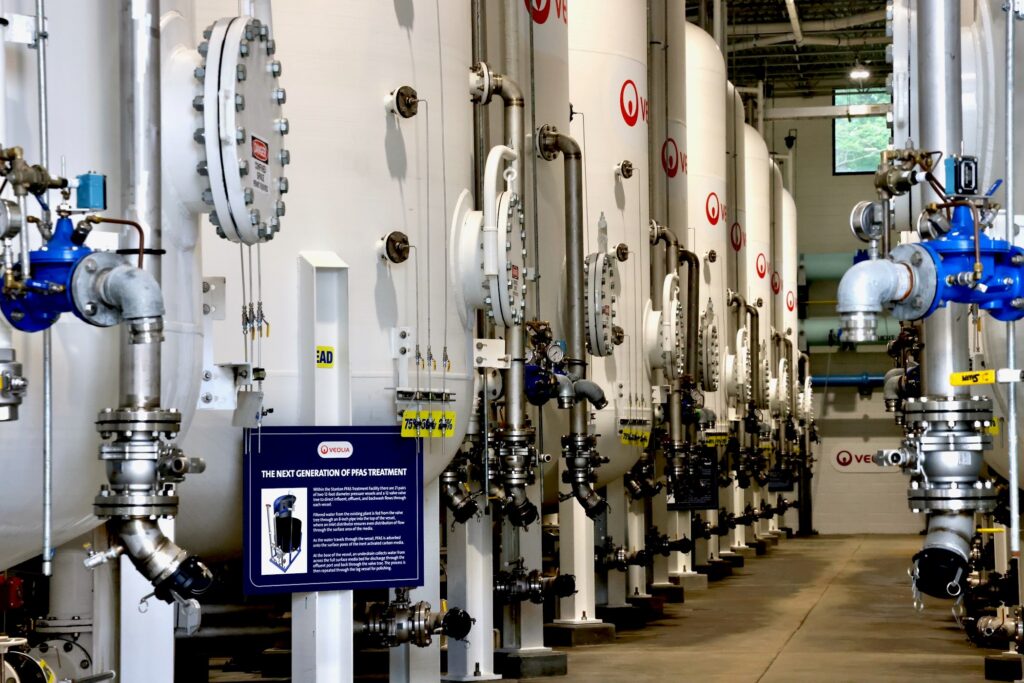
Delaware’s drinking water supplier Veolia files suit against 9 companies for PFAS contamination
The lawsuit alleges nine companies failed to prevent toxic forever chemicals from entering the waterways Veolia relies on to provide drinking water.
2 months ago
Listen 1:23Why private well owners in Delaware should worry about PFAS
PFAS are widely used in consumer products such as nonstick cookware and waterproof clothing, as well as in firefighting foam. The “forever chemicals” have been linked to serious health problems, including some cancers, thyroid disease and developmental delays in children.
The health risks associated with PFAS, which can stay in the human bloodstream for years, have sparked numerous lawsuits against chemical manufacturers like DuPont, which used PFAS chemicals to manufacture its products, such as Teflon.
Delaware is no stranger to PFAS contamination. Its largest city, Wilmington, is known as the chemical capital of the world. PFAS chemicals have been detected in cities across the state, as well as in rivers and streams that supply drinking water.
The state’s private well testing kits, which historically have tested for contaminants like nitrates, iron and E.coli, are underutilized by residents, despite experts recommending people test their well water every year.
The state has offered free private well tests for these common types of contaminants for a number of years. This year marks the first time the state has offered PFAS testing.
Keyer said many residents don’t test their private wells for PFAS because they aren’t aware the chemicals exist, and because testing for “forever chemicals” can cost around $500. He said he hopes the new funding initiative will remove financial barriers, and educate residents about the importance of testing their well water.
Related Content
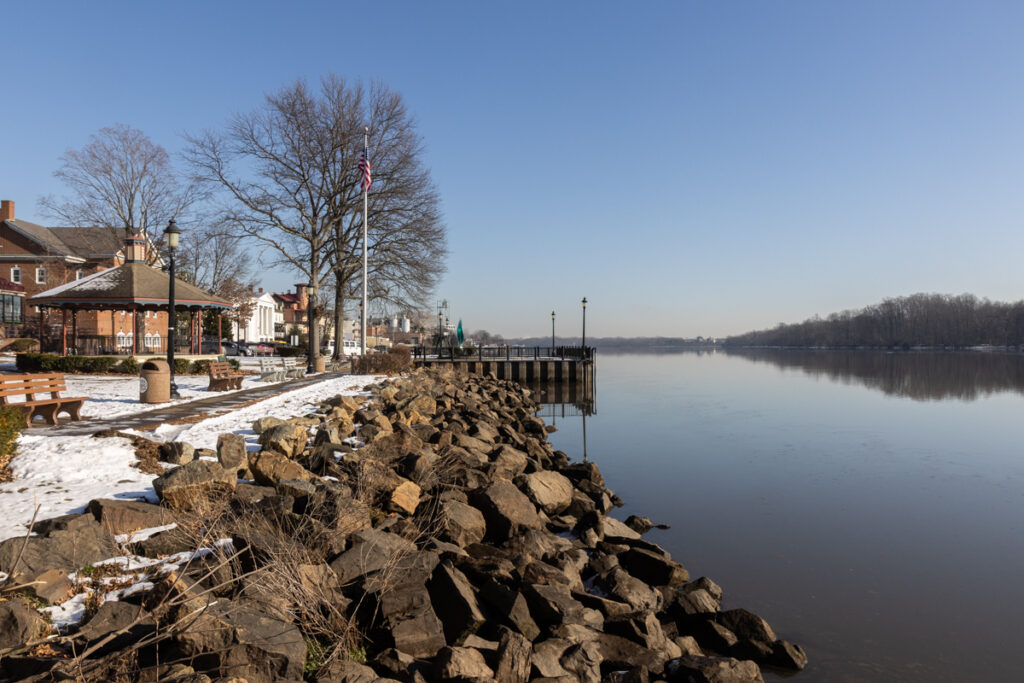
New tool shows toxic PFAS chemicals pervasive in Delaware River
The so-called “forever chemicals” were found at higher levels between Chester and Pea Patch Island.
4 months ago
Listen 1:15How to get free well water testing in Delaware
DNREC doesn’t have an estimate for the number of private wells in the state that could be contaminated with “forever chemicals,” Keyser said. However, the new initiative will help the agency investigate potential sources of contamination, he said.
“The challenge in this is that as much as we’re sampling one well, we do recognize that so many people have neighbors and those neighbors could be impacted as well,” Keyser said.
He added that different divisions of DNREC will work together if their testing finds large numbers of PFAS contamination.
“So, we have a collective effort … to determine whether or not we have an isolated incident of … PFAS in a well or if it’s a larger topic that we may have to address more holistically and get assistance on,” he said.
DNREC will help residents with contaminated wells install filtration systems. People with low to moderate incomes may be eligible for funding to help pay for the cost of installation.
Residents must submit a request and consent form to receive private well testing. Keyser said residents should expect to wait two weeks to receive a response.

Get daily updates from WHYY News!
WHYY is your source for fact-based, in-depth journalism and information. As a nonprofit organization, we rely on financial support from readers like you. Please give today.
Part of the series

Watershed
Preserving Our Water: How we use our Delaware Watershed.
The project is funded by The William Penn Foundation.
Part of the series
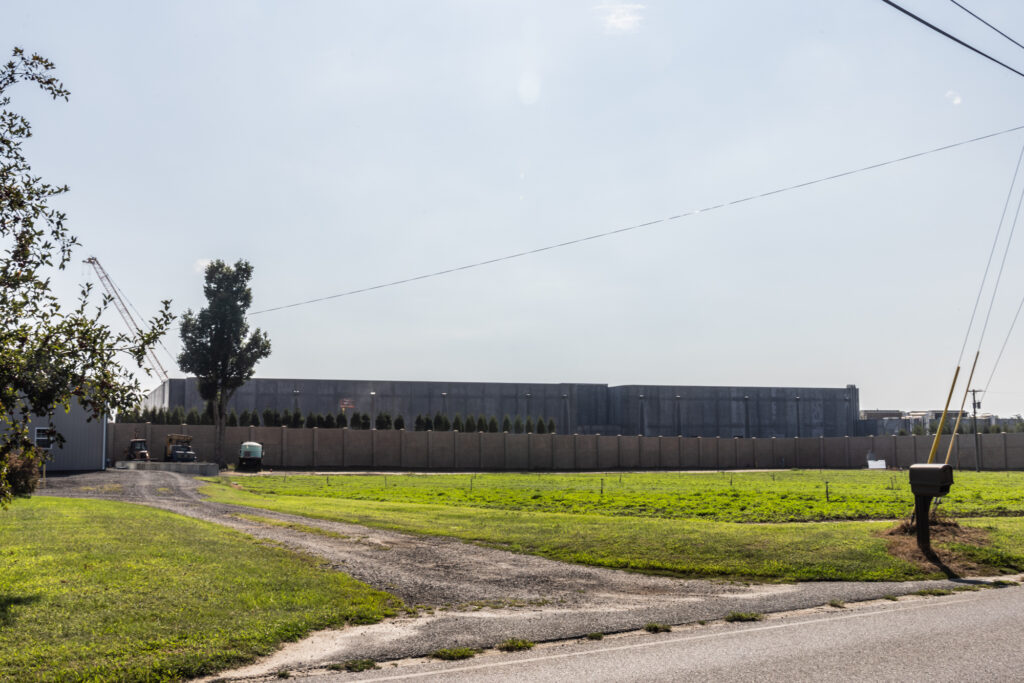
Vineland residents have pushed back against the data center, citing noise and air pollution.
4 days ago
Listen 1:00
The task force would be required to develop recommendations for data center regulations. Residents say a moratorium is needed in the meantime.
1 week ago
Listen 1:01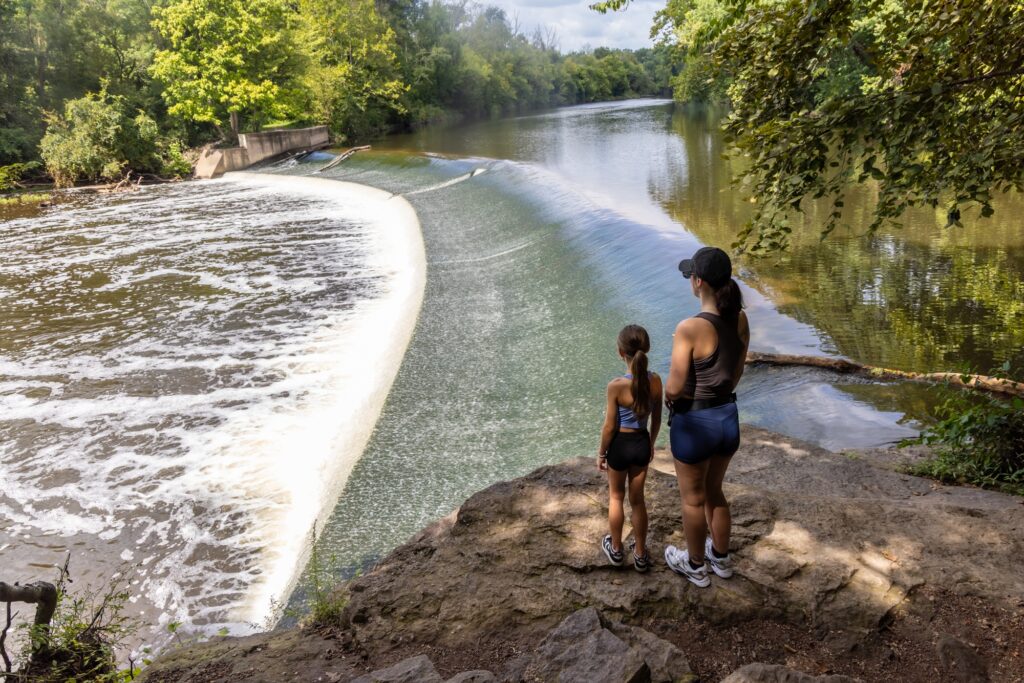
$1.3 million dam-removal project in Bucks County aims to create and ease fish passage
The project aims to restore river flow in the Neshaminy Creek and help fish to migrate.
3 weeks ago