

Philadelphia-area schools are tapping the sun’s energy and saving money on utilities
Unionville High School in Kennett Square and Universal Audenried Charter School in Philadelphia are building solar arrays that will slash their energy bills.

This story is part of the WHYY News Climate Desk, bringing you news and solutions for our changing region.
From the Poconos to the Jersey Shore to the mouth of the Delaware Bay, what do you want to know about climate change? What would you like us to cover? Get in touch.
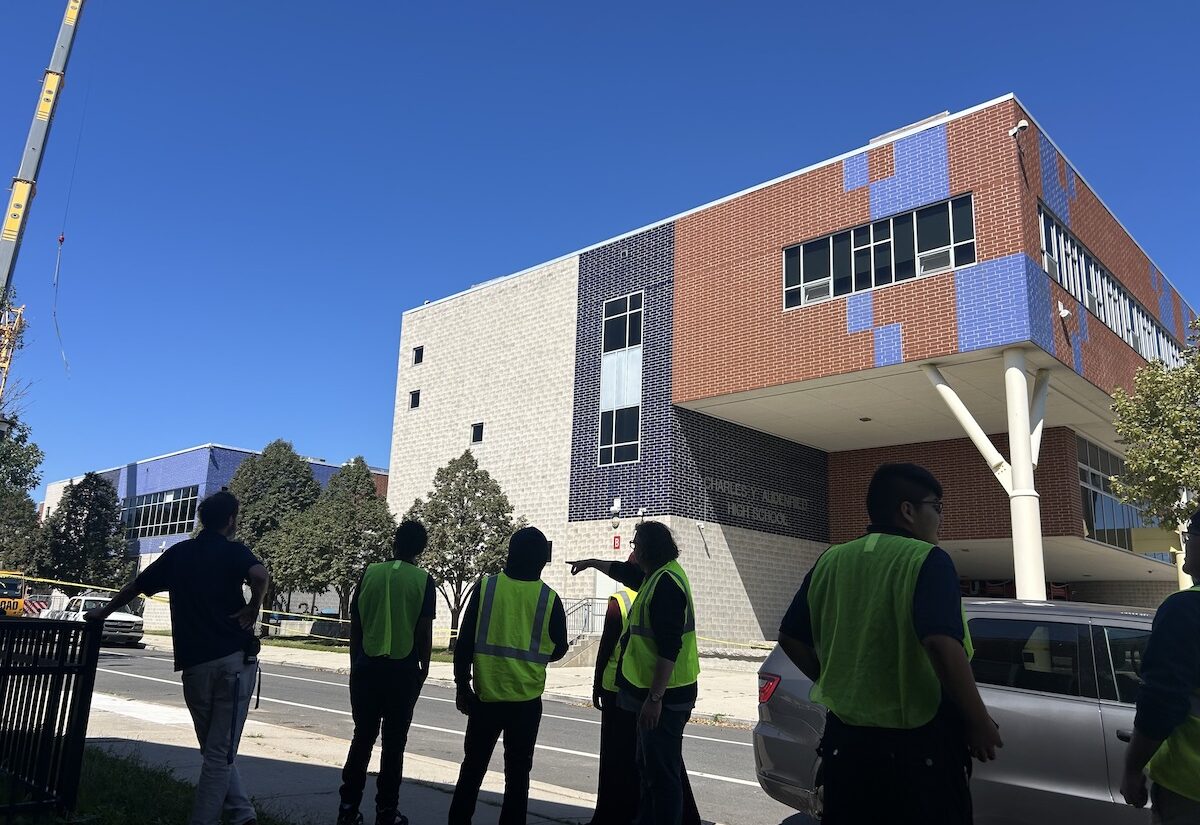
About a dozen students wearing yellow safety vests watched from the sidewalk as a 6-story-tall crane hoisted a stack of cinder blocks onto the roof of Universal Audenried Charter School in Philadelphia’s Grays Ferry neighborhood.
“That thing is tall,” said 18-year-old student Malakai Tim, looking up at the crane. The blocks will be used as weights to keep solar panels from blowing off the roof. “We’re planning on using the panels … for one of our projects.”
The school is one of a growing number in Pennsylvania that have installed solar panels under a state grant program that helps cover the costs.
The Solar for Schools program, first funded in 2024, has given grants to 85 schools across the state, including 10 in Philadelphia. Grants cover up to 75% of the solar project costs, or up to $900,000. Proponents say the solar will save schools money on utilities, lower their climate pollution and teach students about careers in renewable energy.
The program received $25 million in this year’s state budget.
Saving money while cutting pollution
At Audenried, the 350-kilowatt solar array will produce enough power to cover roughly 40% to 50% of the school’s electricity needs, said Micah Gold-Markel, founder of Solar States, the company installing the panels.
With the state grant covering half of the cost and a 40% federal tax credit, the school will only pay around $100,000 for the project. This means the project should pay itself off in energy savings in one to two years, Gold-Markel said.
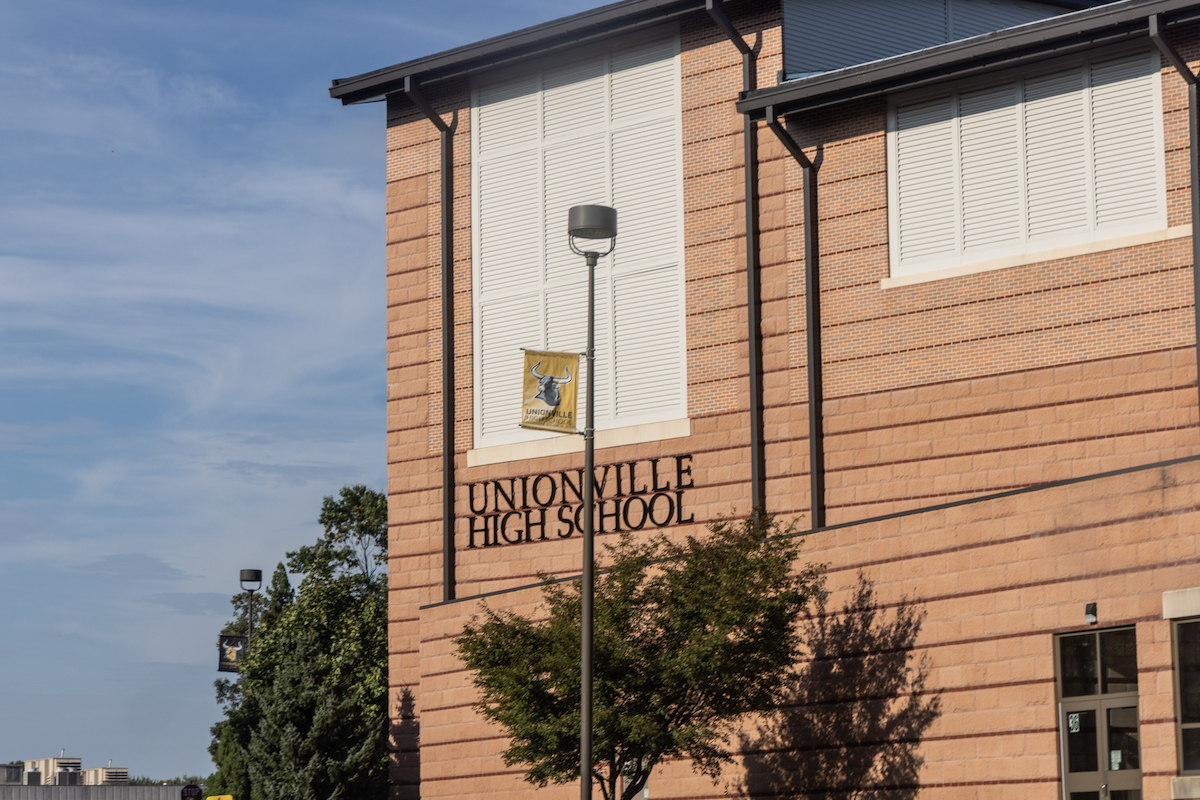
Unionville High School in Kennett Square flipped on the switch to its new solar array installed under the program last Friday. The 650 kilowatts of solar power will cover about a quarter of the school’s and district office’s energy needs.
Related Content
Pennsylvania Gov. Shapiro signs legislation guaranteeing 30 minutes of recess to elementary students
The governor signed a bill Wednesday that was approved by the state legislature as part of the 2026-27 budget.
4 weeks ago
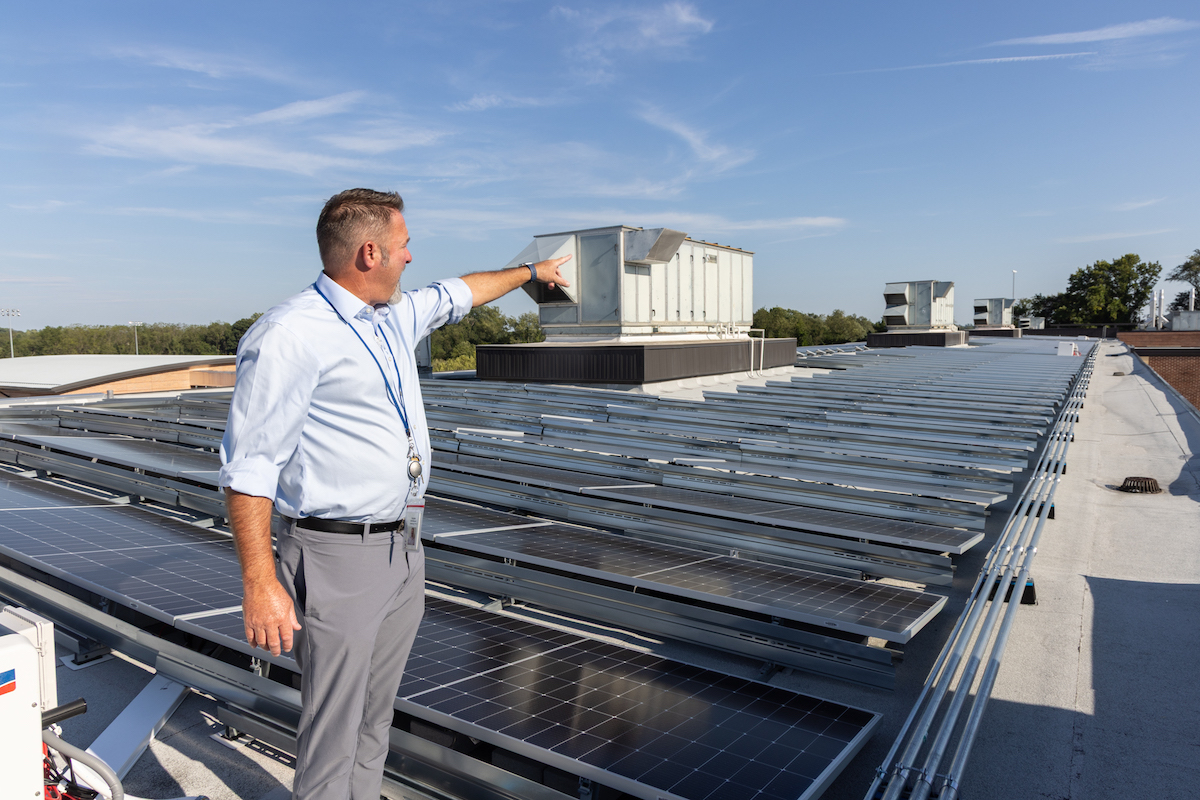
Electricity bill savings will add up to cover the upfront cost of the solar array in around seven years, said James Whitesel, director of facilities at the Unionville Chadds Ford School District. This means savings of roughly $75,000 per year — the equivalent of a full-time staff member, he said.
“The state grant almost made it like a no-brainer to do it,” Whitesel said.
Over the course of 25 years, Whitesel estimates the solar panels should save the Unionville Chadds Ford School District over $1 million.
“It’s huge,” he said.
The solar projects will also lower the schools’ carbon emissions. Nearly 60% of the electricity mix on the regional grid is produced using climate-polluting natural gas and coal.
“It also is about being good stewards of our environment,” Whitesel said. “If we’re using less of those electrical resources, then there’s less that has to be generated to support our site.”
“As someone who believes in sustainability, I should put my money and energy where my mouth is,” said Audenried Principal Josh Anderson.
Students learn about careers in solar energy
At Unionville High School, students in math and science classes will work with real-time power production data from the solar panels and will get up on the roof to see the system in action, Whitesel said.
Anderson said the educational benefit of the solar project was a major motivator for Universal Audenried Charter High School’s pursuit of the Solar for Schools grant.
“There’s a lot of emerging jobs in basically any hands-on industry, but specifically electronics and electricity,” he said.
The solar array on Audenried’s roof will give students in the school’s engineering career and technical education program the chance to learn how to connect, disconnect and service solar panels, Anderson said. The school plans to work with Solar States to create a “solar lab” where students will also gather real-time data on the energy the panels generate.
Audenried senior Richie Palillero, 17, said he hopes to work in mechanical or robotics engineering, and that he’s curious about how the new solar panels work.
“I’m pretty sure this is interesting to all of us,” he said.
Watching the crane lift materials onto the Audenried roof alongside Palillero’s class, Gold-Markel directed students’ attention to the worker operating the crane.
“I think he’s making about $80 an hour,” Gold-Markel said. “Guess what the roof workers on this job who are installing the solar are going to make. … $100 an hour.”
“Who here wants to make $100 an hour?” he asked.
Several students raised their hands.
-
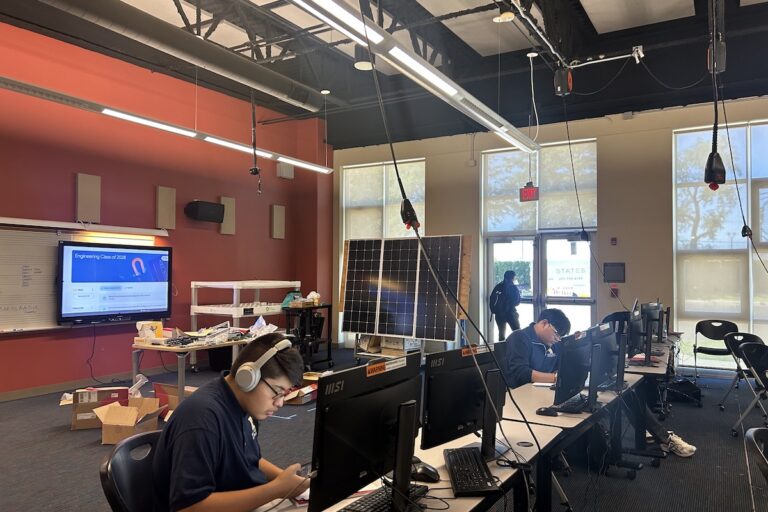
Solar energy will become a larger part of the curriculum for a senior-level engineering class at Universal Audenried Charter High School after the rooftop array is installed. Students Richie Palillero (left, age 17) and Malakai Tim (right) are seen taking part in course studies. (Sophia Schmidt/WHYY) -
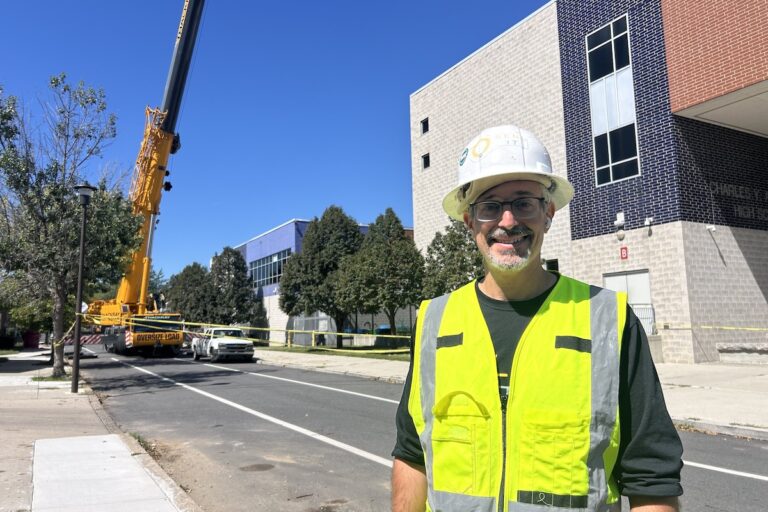
Micah Gold-Markel, founder of Solar States, the company installing the panels, stands in front of Universal Audenried Charter High School. (Sophia Schmidt/WHYY) -
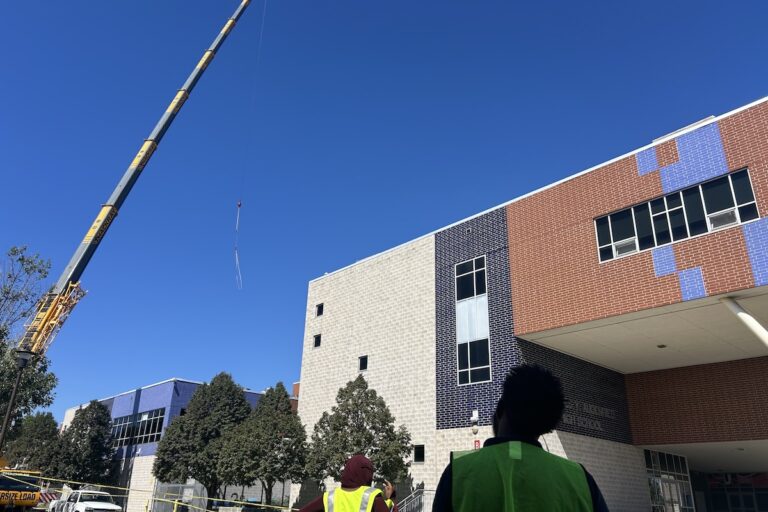
Students in a senior-level engineering class at Universal Audenried Charter High School watch a crane lift building materials onto the roof of their school to prepare for installation of solar panels. (Sophia Schmidt/WHYY) -
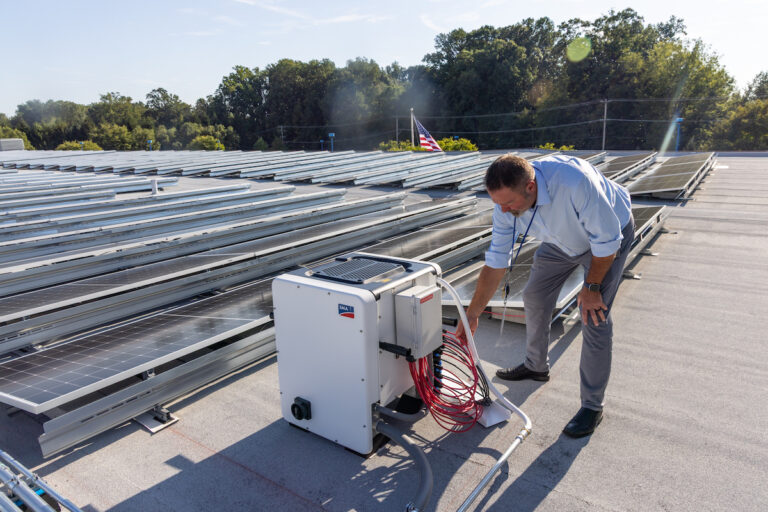
Each inverter connects to about a hundred solar panels on the Unionville High School roof. (Kimberly Paynter/WHYY) -
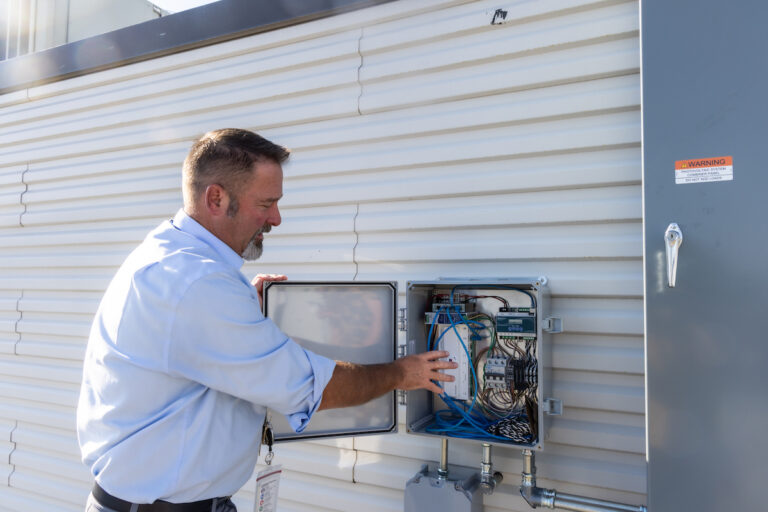
James Whitesel, director of facilities at Unionville Chadds Ford School District, explains how the solar array on the roof of Unionville High School works. (Kimberly Paynter/WHYY)

Get daily updates from WHYY News!
WHYY is your source for fact-based, in-depth journalism and information. As a nonprofit organization, we rely on financial support from readers like you. Please give today.
Part of the series
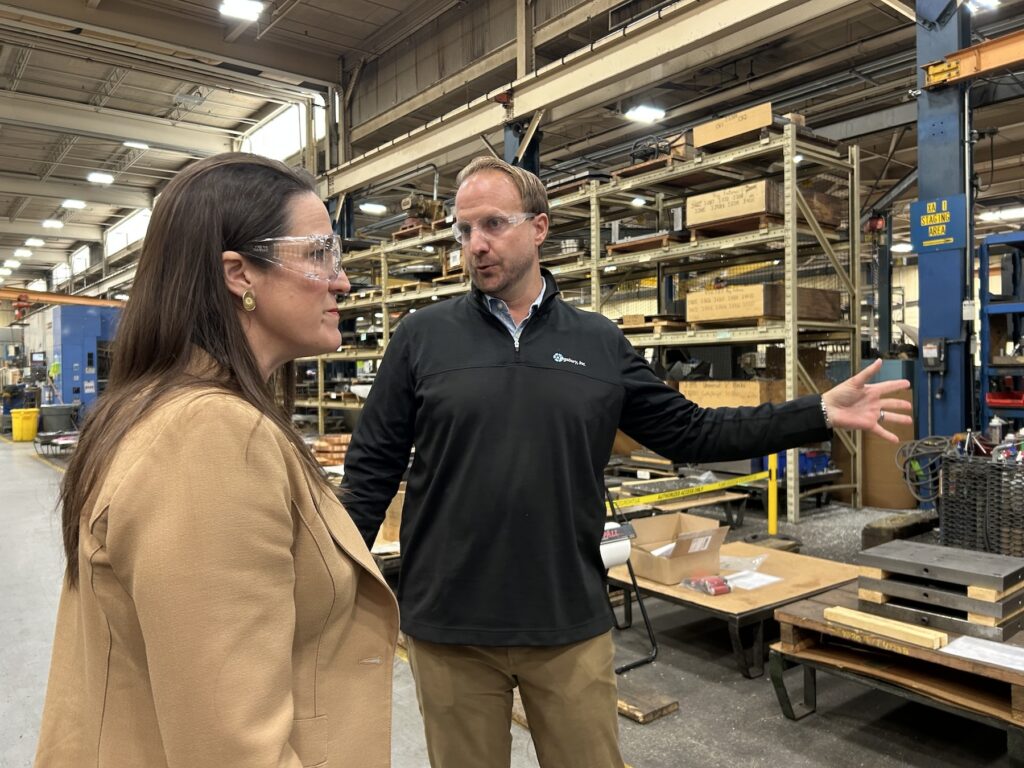
Hydropower parts manufacturer in Northeast Philadelphia lands federal research partnership
Kingsbury plans to test new materials for hydroelectric power equipment that can support the needs of modern-day grids.
12 hours ago

The task force would be required to develop recommendations for data center regulations. Residents say a moratorium is needed in the meantime.
3 weeks ago
Listen 1:01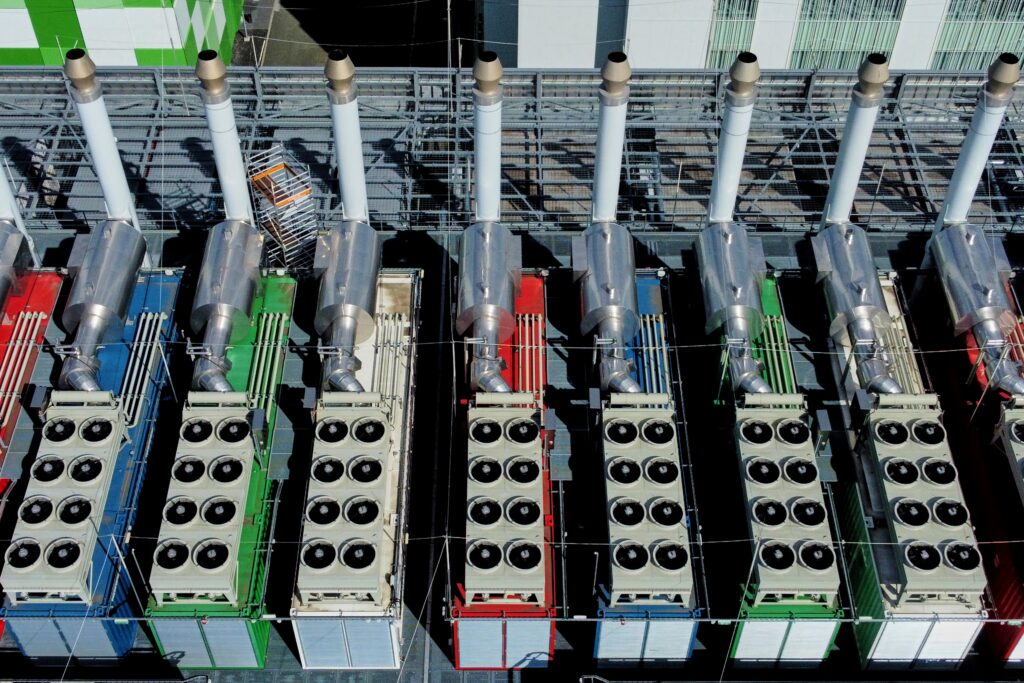
Data center growth could mean blackouts in coming years, Pa. utility regulators say
A report predicts electricity demand on the regional grid will nearly double by 2040, due almost entirely to data centers.
3 weeks ago
Listen 1:08