

WHYY finalizes deal with Penn State to take over and operate WPSU, saving PBS, NPR affiliate from likely closure
The agreement comes after two years of negotiating, during which WPSU was slated to permanently close following federal funding cuts.

From Philly and the Pa. suburbs to South Jersey and Delaware, what would you like WHYY News to cover? Let us know!
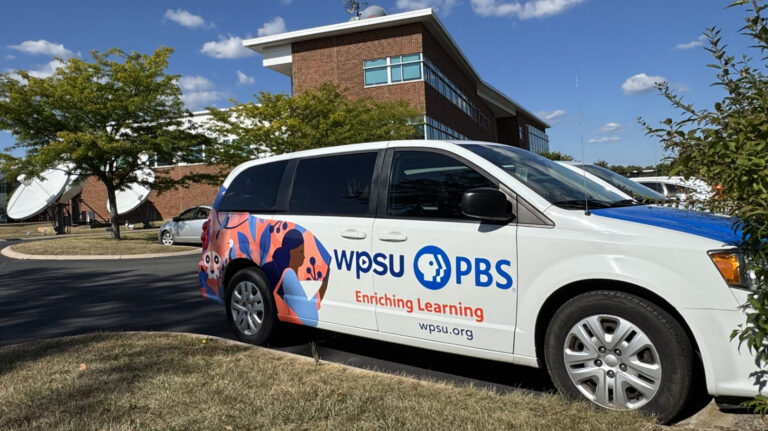
WHYY and Pennsylvania State University finalized an agreement Wednesday, in which WHYY will acquire WPSU, the public media station that serves State College and two dozen counties in central Pennsylvania.
The acquisition has provided a new lease on life to a station that was threatened with closure just months ago. WHYY CEO Bill Marrazzo called it a victory for both stations, giving WHYY a new audience and WPSU a certain future.
“At ‘HYY, we believe in the fundamental right of any citizen in our country to have access to a free, trustworthy media experience,” he told WHYY News. “And WPSU fits that bill.”
Sara Thorndike, Penn State senior vice president for Finance and Business and Treasurer and Chief Financial Officer, expressed relief that the station would remain open.
“We are very pleased that the more than 1.5 million people across central and northern Pennsylvania will continue to benefit from this vital public media service,” she said in a statement.
What it means for WPSU and WHYY
WPSU was founded in 1953 as a student radio station and added TV in 1965. It is now an affiliate of both Public Broadcasting Service and National Public Radio. The PBS TV broadcast serves 24 counties, while 12 counties fall into its radio coverage area.
In addition to licensing and providing national news and other programming to its audience, WPSU produces original television, radio and digital content and supports lifelong learning, education and community engagement programs. The station has won numerous awards for their original content.
The station had 44 employees as of last year, though more than a dozen left for other jobs due to concerns about the station’s future. Of those who stayed, WHYY is retaining around 70%, including newsroom staff and other content producers.
Most of the rest are retiring or taking other positions at the university or elsewhere, though a handful of positions were also eliminated. WHYY also plans to hire new staff, particularly in fundraising and development.
Marrazzo said that little will functionally change for the reporters, producers and others at WPSU.
“The employees of WPSU who we are retaining will become employees of WHYY, but the work will be dedicated to developing content that is uniquely local up and down Central and Northern Pennsylvania,” Marrazzo said.
He added, however, that he is looking to expand the station’s scope in addition to WHYY’s own.
“As a member of a large university like Penn State, understandably a lot of WPSU’s focus has been in and around the state college zip code,” he said. “Our intention is to grow it in a more meaningful way up through the rest of central Pennsylvania and across northern Pennsylvania.”
Related Content
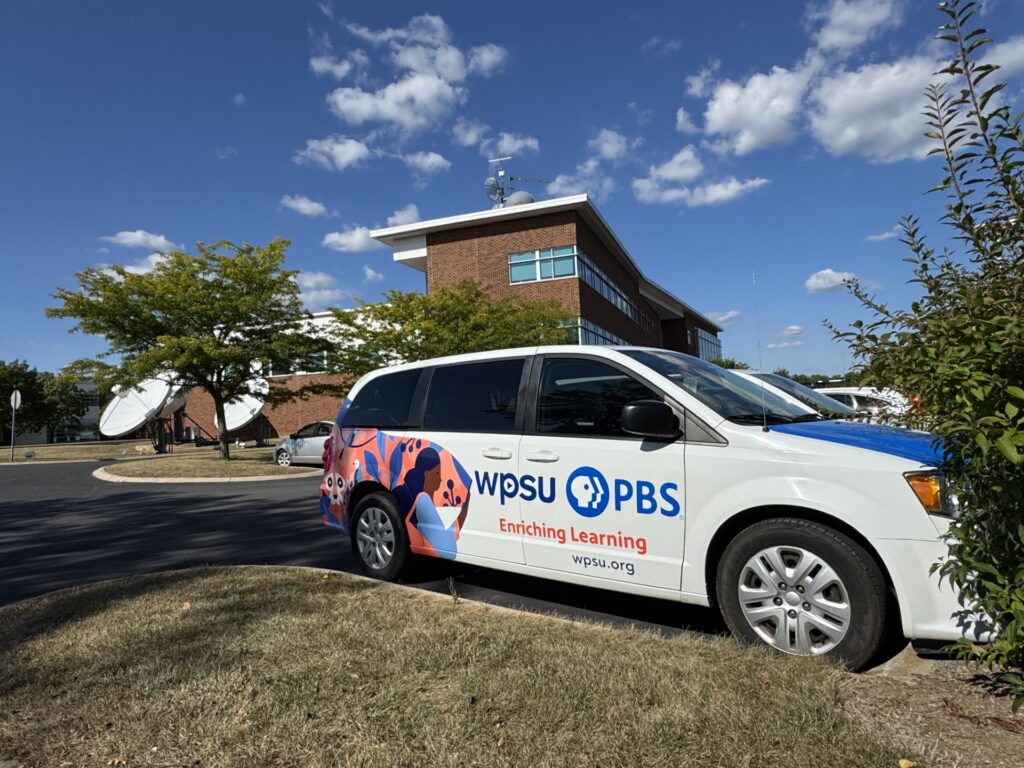
FCC approves transfer of WPSU to WHYY
WHYY is inching closer to owning and operating WPSU.
4 weeks ago
Two years in the making
By the time WHYY entered talks with Penn State about taking over the station in spring 2024, the station relied on annual subsidies of $3.4 million from the university. The following May, President Donald Trump issued an executive order enacting federal funding cuts to public media. In July, Congress passed the rescission bill that clawed back already appropriated funding and shut down the Corporation for Public Broadcasting, which administered that funding to stations around the country.
Penn State, among other affiliates, sounded the alarm about what they called an existential threat.
“Federal funding is essential to WPSU’s ability to serve central and northern Pennsylvania … and supports the infrastructure that keeps us on the air, including antennas, transmitters, emergency alert systems and digital platforms,” the college said in a statement sent to WHYY News at the time.
In September, however, college trustees declined the proposal to transfer the station to WHYY, citing concerns over a $17.5 million subsidy the university would have paid over five years and a lack of commitment to retain the station’s employees.
“It said they may, and that also means they may not and that’s not good enough for me,” trustee Robert Fenza said about WHYY’s plans to retain employees in a committee meeting.
Shortly after, the university announced it would shutter the station instead.
“The failure to approve this transaction is unfortunate, as it was the most feasible option to keep the station open and broadcasting,” said Larry Terry, Penn State’s vice president for outreach, in an email to WPSU staff.
In August, the trustees approved a renegotiated contract. For the final hurdle, the Federal Communications Commission approved the acquisition earlier this month.
As for the effort, Marrazzo said he “feels good” about the result.
“As a business executive, I’ve always felt that anything really worth doing was hard to do,” he said. “And since this was hard to do, it must be worth doing.”
WHYY also agreed to bear the $17.5 million cost to keep PSU operating. Marrazzo told WPSU’s Anne Danahy in an interview that WHYY has already raised two-thirds of that.
“And, we have good reason to believe that in time we should be able to get closer to 15 million,” he said.
Saving public media
After the Trump administration and Republicans in Congress successfully defunded public media and closed the CPB, concerns over the future of smaller stations around the country became widespread, with several announcing imminent closure. WPSU would have been the first.
Few have actually shut down so far, as increases in donors and acquisitions have helped to keep them alive. NJ PBS, for example, was slated to shutter over the summer but was acquired by Montclair State University.
However, dozens of stations are still at risk. Marrazzo sees consolidation as one way to preserve stations.
“Gratefully, we’ve got the capability and the capacity that can be leveraged to ensure the sustainability of others that can’t go it on their own,” he said. “That’s pretty much what the PSU deal looks like to me.”

Get daily updates from WHYY News!
WHYY is your source for fact-based, in-depth journalism and information. As a nonprofit organization, we rely on financial support from readers like you. Please give today.
WPSU names Fred Vigeant as general manager under WHYY ownership
The station that faced closure this year is getting new leadership after a deal with WHYY kept it alive.
7 hours ago
WHYY board agrees to WPSU acquisition plan
The central Pennsylvania station that serves 1.5 million people was slated to shut down after an earlier agreement was rejected by Penn State.
12 months ago
Listen 1:12
Penn State to wind down WPSU after board of trustees declines transfer to WHYY
In voting down a proposal to transfer the station to WHYY, trustees expressed concern over a $17 million subsidy and wanted a commitment to hire staff.
1 year ago
Listen 1:27