

A smash hit: Pumpkins take flight as Jefferson University students put engineering skills to the test
Seven teams of architecture, design and engineering students built wooden contraptions to see who could launch a 5-pound gourd the farthest.
Listen 1:10
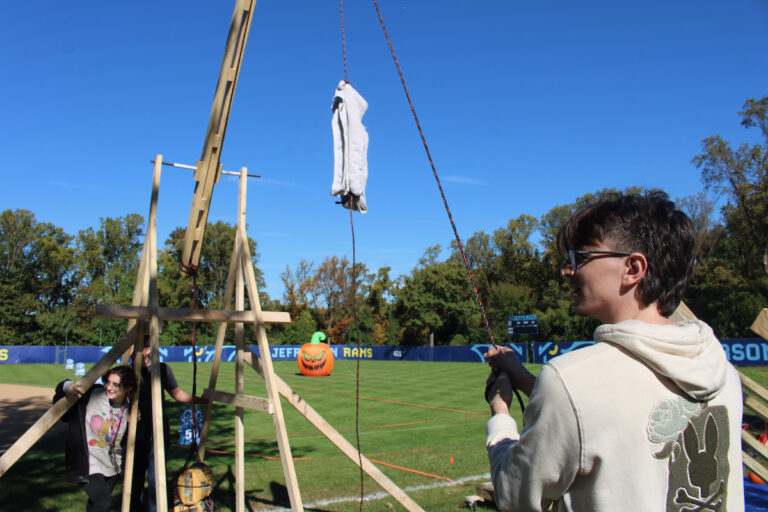
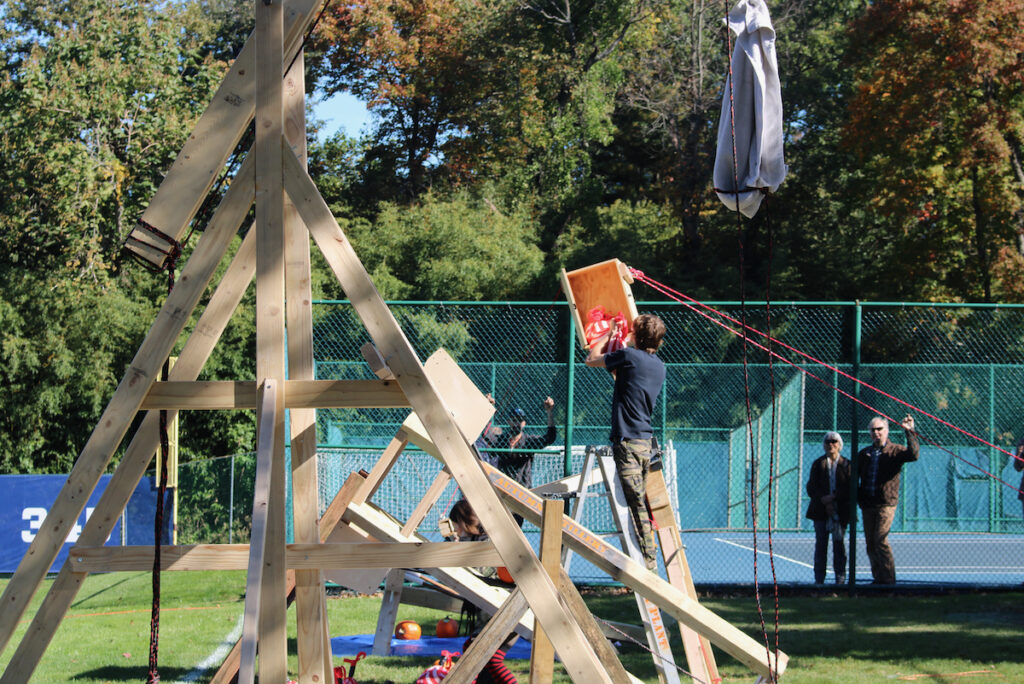
Evan Franco, right, prepares his team's pumpkin launching device ahead of Thomas Jefferson University's inaugural punkin chunkin contest on Saturday, Oct. 24, 2026. (Emily Neil/WHYY)
From Delco to Chesco and Montco to Bucks, what about life in Philly’s suburbs do you want WHYY News to cover? Let us know!
It isn’t unusual for baseballs to clear the fence at Thomas Jefferson University’s Alumni Field.
But on Saturday, it was a bright orange pumpkin that sailed 338 feet through a cloudless blue sky, falling just short of the edge of the ballpark.
It might not have been a home run, but that launch earned one of seven student teams the title in the College of Architecture, Design and Engineering’s inaugural “Pumpkin RAMpage” event.
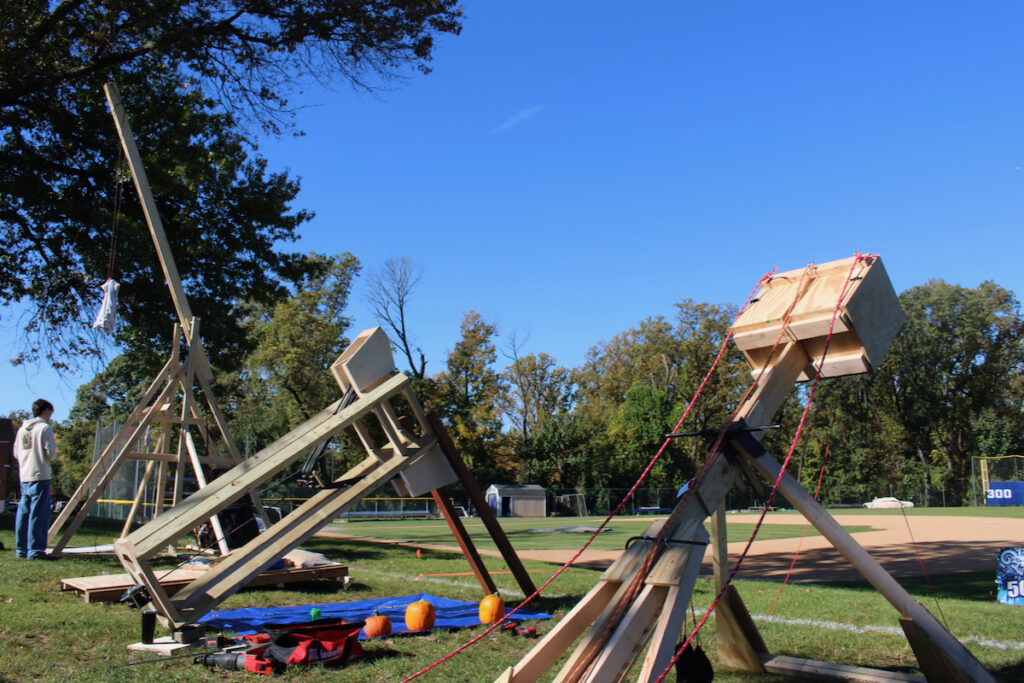
Named for the university’s mascot, Phil the Ram, the punkin chunkin event featured several wooden contraptions that students from architecture, design and engineering disciplines designed and constructed over the past couple of weeks.
Some of the teams built traditional trebuchets, while other launchers had a more “Da Vincian style,” with a crossbow design, said Todd Kramer, associate dean for the college.
“Thats the beauty of all these disciplines coming together,” he said. “They all have a slightly different view, from what works from a physics perspective, or aesthetics, or historical.”
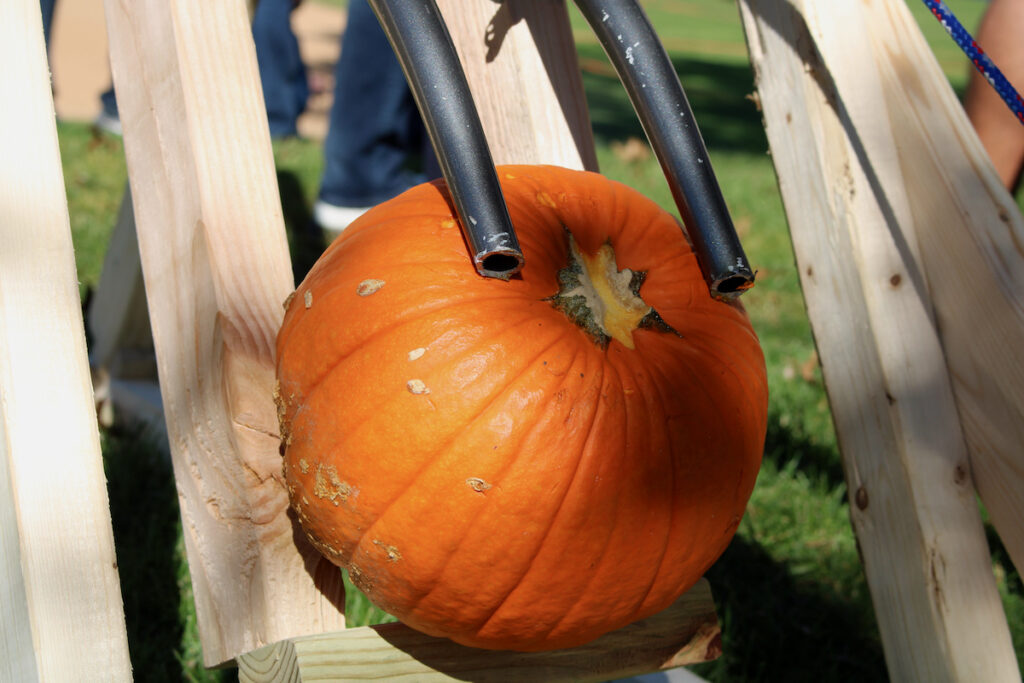
Students were not allowed to use gas-assist designs, cannons or motors. A world-famous annual punkin chunkin contest in southern Delaware was discontinued after an air cannon exploded and critically injured a woman in 2016.
While they’re powered by weight and gravity alone, the contraptions “are technically siege machines,” Kramer said, so safety was a priority.
Related Content
Edmondo Crimi’s “actually very funny” book about vampires features hundreds of paranormal artifacts on display at the VAMPA Museum in Doylestown.
4 weeks ago
Listen 2:02Dozens of spectators gathered behind a tall fence to watch the teams in action. Students wore goggles as they prepared their launchers, while members of the university’s safety team supervised.
Barbara Klinkhammer, dean of the college, which was just formed in July after a reorganization of the university, said that the event encapsulates the university’s focus on “collaboration across disciplines.”
“You can see that spark when the students are working together, and you have an engineering student working with an architecture student together to work one of these catapult machines,” she said.
The challenge also gives students the opportunity to apply classroom learning to a tangible challenge.
But for Charlotte Wilson, a 22-year-old senior in industrial design, signing up was “just kind of for fun.”
“We just like building things, so it’s really nice to have an excuse to do something, especially when something is being thrown,” said Wilson, one of four students on the winning team, “Liability Launchers,” who took home $500 and a trophy.
Braeden Escobar, a sophomore in architecture, signed up with Evan Franco, a sophomore majoring in construction management, for similar reasons.
“I just said, ‘You know what? That seems like fun,’” he said. “Got nothing better to do, so why not put the engineering to the test?”
Franco said when Escobar asked him to be on a team he agreed. “I was bored,” Franco said.
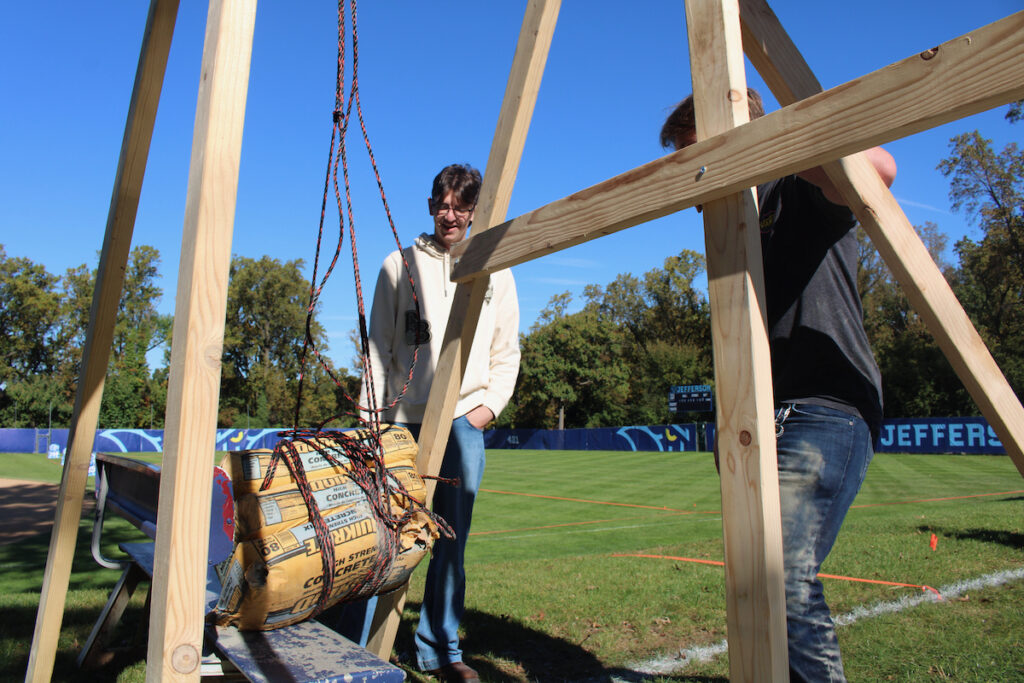
The duo constructed a trebuchet using a 240-pound counterweight. Escobar said the hardest part was translating knowledge on the page into the real world.
“The theory was not difficult at all. The practice is fairly difficult,” he said.
Klinkhammer said the college plans to build on the event and invite high schools and students from other higher education institutions to participate in future editions.

Saturdays just got more interesting.
WHYY is your source for fact-based, in-depth journalism and information. As a nonprofit organization, we rely on financial support from readers like you. Please give today.
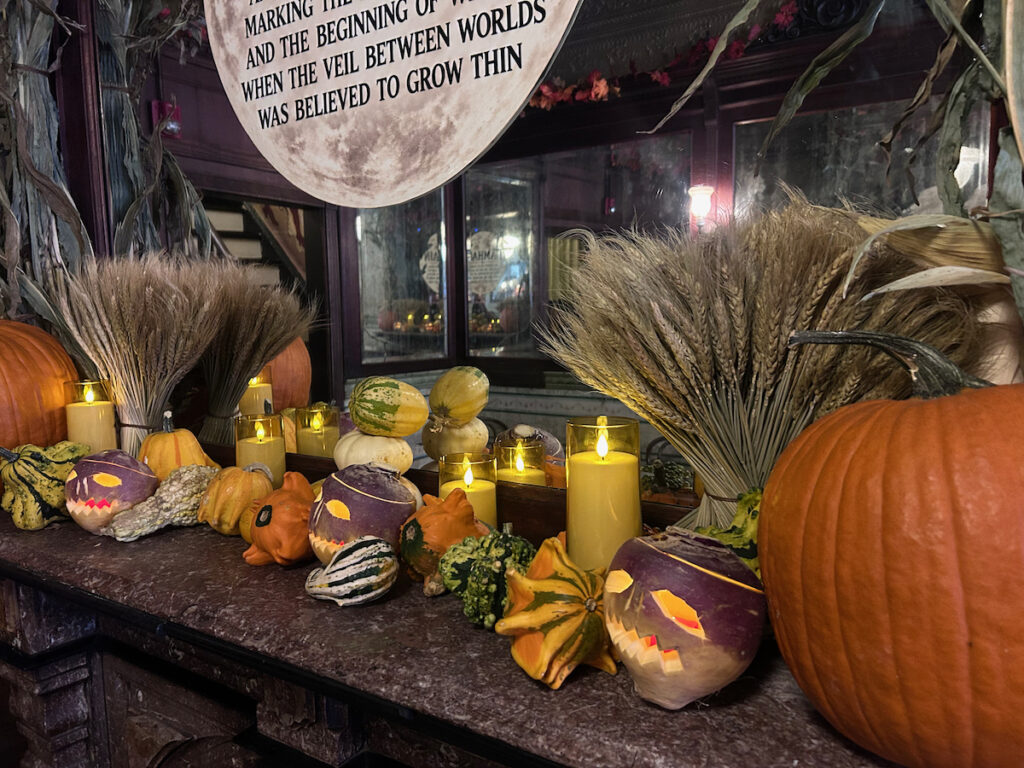
A spotlight on Halloween’s roots in an ancient Celtic holiday grows in the Philadelphia region
From business owners and academics to spiritual practitioners, more people are embracing Samhain, an ancient Celtic festival that gave birth to many Halloween traditions.
2 weeks ago
Listen 1:09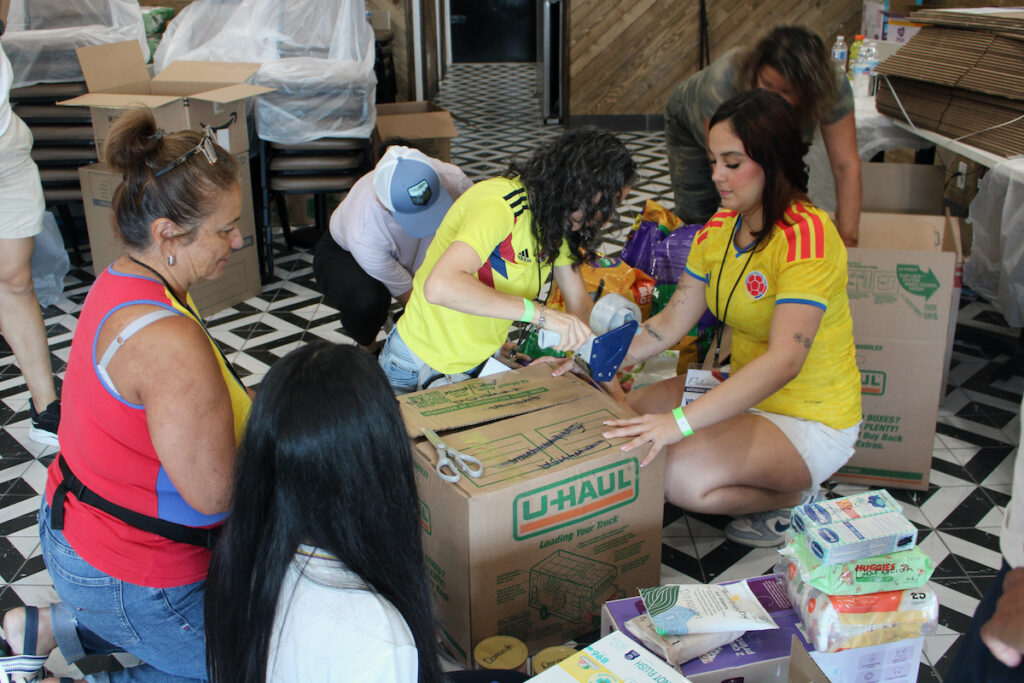
After deadly earthquake, Philadelphia’s Colombian community mobilizes recovery efforts
Local organizations and businesses are collecting boxes of food, diapers and other supplies for communities devastated by the 7.4-magnitude earthquake.
3 months ago
Listen 1:14
Valley Forge National Historical Park, born on the Fourth of July, celebrates America250
The pivotal Revolutionary War site in the Philly suburbs hosted hundreds of people for live readings of the Declaration of Independence, a cannon fire demonstration and more.
5 months ago
Listen 1:45