

Pa. election 2026: Where Josh Shapiro and Stacy Garrity stand on the economy, affordability and more
The candidates for Pennsylvania governor offer competing approaches to taxes, housing, energy and business development. Here’s what to know ahead of the midterms.

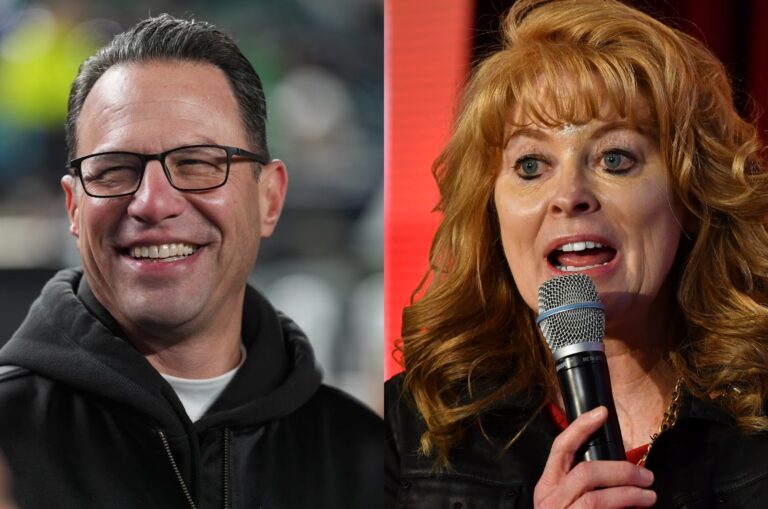
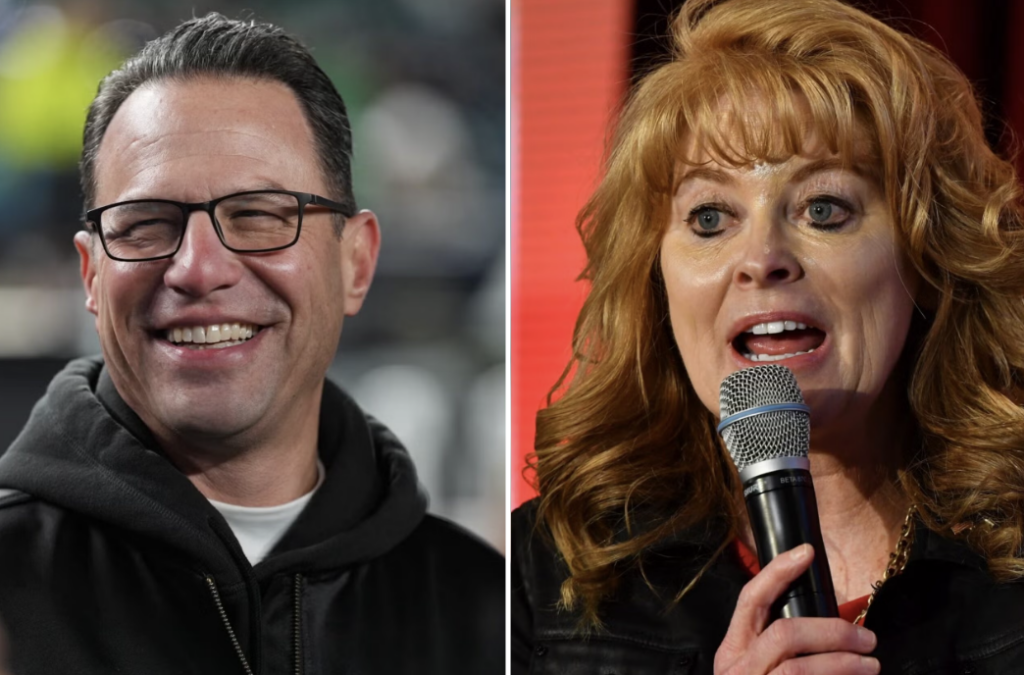
File: Democratic incumbent Gov. Josh Shapiro faces challenger Republican Stacy Garrity in Pennsylvania's 2026 election for governor. (AP Photo/Marc Levy, File)
What questions do you have about the 2026 elections? What major issues do you want candidates to address? Let us know.
Ahead of the 2026 midterm elections, Democratic Gov. Josh Shapiro and Republican challenger Stacy Garrity agree that the cost of living in Pennsylvania has become too high for many families to bear. However, the candidates largely disagree over what the state government should do about it.
Much of Shapiro’s argument for reelection touts his first-term policy record and accomplishments, such as implementing the Working Pennsylvanians Tax Credit, as well as unachieved goals, such as raising the minimum wage. Garrity said that life in the commonwealth has become too expensive under Shapiro, and she offers an alternative path to making it more affordable.
Lowering taxes
Both Shapiro and his challenger in the governor’s race have called for reducing the tax burden on Pennsylvanians. While Garrity prefers a broad tax cut, Shapiro’s approach includes targeted relief.
Garrity has called for reducing the overall state tax rate from the current 3.07%. While her platform does not include a specific target rate, Republicans have put forward legislation to drop it to 2.8%, a proposal that has garnered support from Republican legislators as well as some Democrats. Those Democrats say they would offset the revenue loss by increasing corporate taxes. Garrity has also promised to eliminate the state inheritance tax, which she calls the “death tax,” and to “roll back or eliminate” the 5.9% gross receipts tax on utilities.
Shapiro has not proposed lowering the state personal income tax, but he has proposed tax relief for working families, seniors and parents. During his first term, Shapiro expanded the Property Tax/Rent Rebate Program for older adults and people with disabilities and increased the Child and Dependent Care Enhancement Tax Credit, which provides eligible families between $600 and $2,100. The state also created the Working Pennsylvanians Tax Credit, which equals 10% of a taxpayer’s federal Earned Income Tax Credit and can be worth as much as $805.
Related Content
Pa. election 2026: Voter guides, key races and more
Election Day is Tuesday, Nov. 3. Here’s what you should know beforehand, from voter deadlines to who’s on the ballot in Philadelphia and statewide.
2 months ago
Making housing more affordable
Both candidates say homeownership has become unaffordable for too many Pennsylvanians, but their proposals target different parts of the problem. Garrity focuses on reducing homeowners’ property taxes and mortgage costs, while Shapiro emphasizes increasing the housing supply, preserving existing homes and strengthening protections for renters and homeowners.
Garrity’s HOPE for PA initiative would use current state spending, investment accounts and interest earnings to fund property-tax rebates. She says the program would reduce homeowners’ property-tax burden by one-third within two years and help first-time buyers by having the state cover up to 3 percentage points of their mortgage interest. Her campaign has not detailed who would qualify, how long the mortgage assistance would last or how much either proposal would cost.
Shapiro’s Housing Action Plan calls for building and preserving more homes, streamlining local zoning and permitting, supporting first-time buyers and expanding home-repair programs. It also proposes limits on rental-application fees, protections for manufactured-home residents and measures intended to prevent evictions and foreclosures. Shapiro has sought a $1 billion infrastructure fund to help finance housing construction and additional funding for the Whole-Home Repairs program, which helps qualifying homeowners and landlords repair and weatherize older properties.
Boosting the economy and jobs
Both candidates say Pennsylvania needs to attract more business and create better-paying jobs by providing economic incentives and reducing regulatory obstacles. However, the specifics in their plans widely diverge.
A central plank of Shapiro’s platform is raising the minimum wage to $15/hour, a proposal he has made each year but that Republicans in Harrisburg have pushed back against. Nineteen other states now have minimum wages set at $15 or more, including Florida, which is set to raise it at the end of September. Garrity doesn’t support a higher minimum wage, saying it is already established by the free market.
Shapiro has also pursued reductions in the time and paperwork required to obtain licenses, permits and certifications that he argues reduce barriers for entrepreneurs and help small businesses open and hire workers sooner. His administration says the efforts lowered processing time by 74% last year.
Garrity has promised to reduce regulatory obstacles to small businesses, particularly in the agriculture sector. Her proposed reduction in the personal income-tax rate would also benefit businesses whose profits are taxed as individual income. Eliminating the inheritance tax could make it less expensive to transfer family-owned businesses and farms to the next generation.
Pa. election 2026: What to know
- 🤔 Voter FAQs: WHYY News’ Pa. voter guide has the answers you need.
- 🗳️ Governor’s race: Here’s what to know about the race between Josh Shapiro and Stacy Garrity.
- 💰 On the issues: Here’s where Shapiro and Garrity stand on health care issues.
- 📬 Voting by mail: Here’s what to know about requesting, filling out and returning your ballot.
- 📱 Your go-to coverage: As election developments unfold, follow WHYY News on WHYY.org and the WHYY App.
The energy economy
Both candidates say Pennsylvania needs more energy production to create jobs, attract businesses and control electricity prices. Garrity’s plan focuses primarily on natural gas, while Shapiro supports a broader mix of natural gas, nuclear power and renewable energy.
Garrity contends that Pennsylvania’s large natural gas reserves should serve as the foundation of its energy and economic-development strategy and that environmental mandates have discouraged investment and raised consumer costs. She has promised to lift restrictions on new drilling and accelerate permits for wells, pipelines and power plants.
Garrity’s Turn Around PA plan would also eliminate regulations it describes as outdated or duplicative and reconsider renewable-energy mandates. Garrity says these policies could create 200,000 jobs, generate $6 billion in government revenue and reduce utility bills by 15% to 25%, although her campaign has not released its supporting analysis.
Shapiro supports continued natural gas production but argues that Pennsylvania should diversify its electricity supply rather than depend too heavily on a single fuel. His proposed Lightning Plan would use tax incentives and faster permitting to encourage new natural-gas, nuclear and renewable generation and energy-storage projects. It would also increase clean-energy requirements and establish a cap-and-invest program for power-plant emissions, with most of the proceeds returned to consumers.

Get daily updates from WHYY News!
WHYY is your source for fact-based, in-depth journalism and information. As a nonprofit organization, we rely on financial support from readers like you. Please give today.
Part of the series
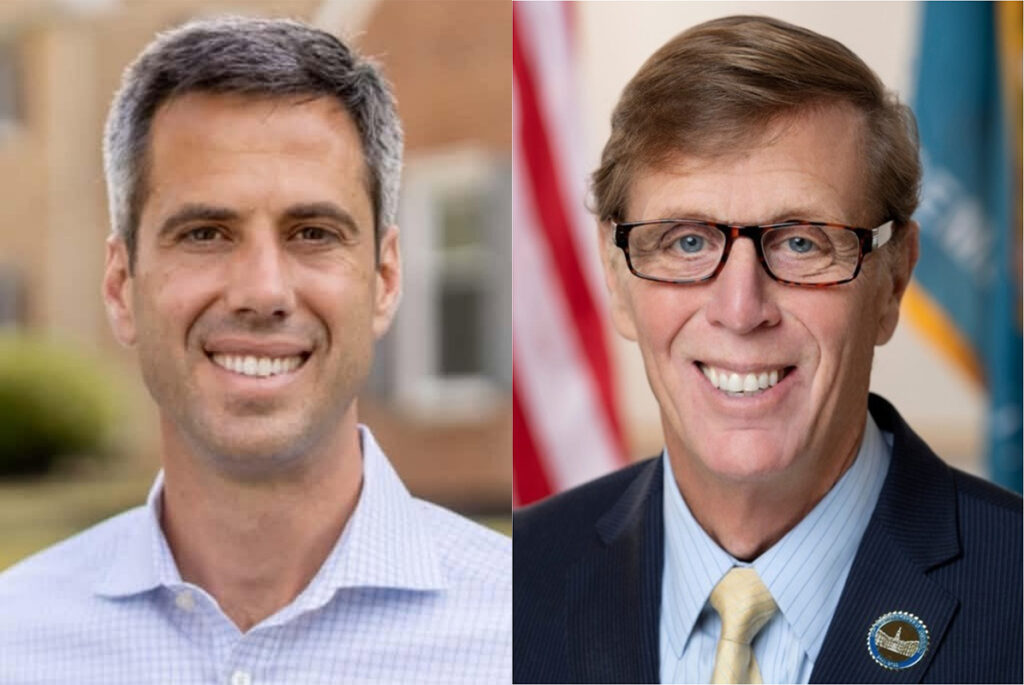
Democrat Ted Lauzen and Republican Mike Ramone outline their priorities on the economy ahead of Delaware’s Nov. 3 general election.
9 hours ago
Delaware election 2026: What to know about the U.S. Senate race between Chris Coons and Mike Katz
U.S. Sen. Chris Coons was first elected to the Senate in 2010. If Katz is elected, he would be the first Republican to hold the seat in about 25 years.
1 day ago
Tariffs, taxes and other takeaways from Josh Shapiro and Stacy Garrity’s governor debate
Garrity accused Shapiro of driving the economy into the ground while Shapiro tried to paint his opponent as allegiant to the president.
3 days ago
Listen 1:01