

Anglers help stock White Clay Creek with trout, celebrate improvements to water quality
Pennsylvania has awarded more than $17 million in grants to 89 state projects to improve water quality and support trout.

This story is part of the WHYY News Climate Desk, bringing you news and solutions for our changing region.
From the Poconos to the Jersey Shore to the mouth of the Delaware Bay, what do you want to know about climate change? What would you like us to cover? Get in touch.
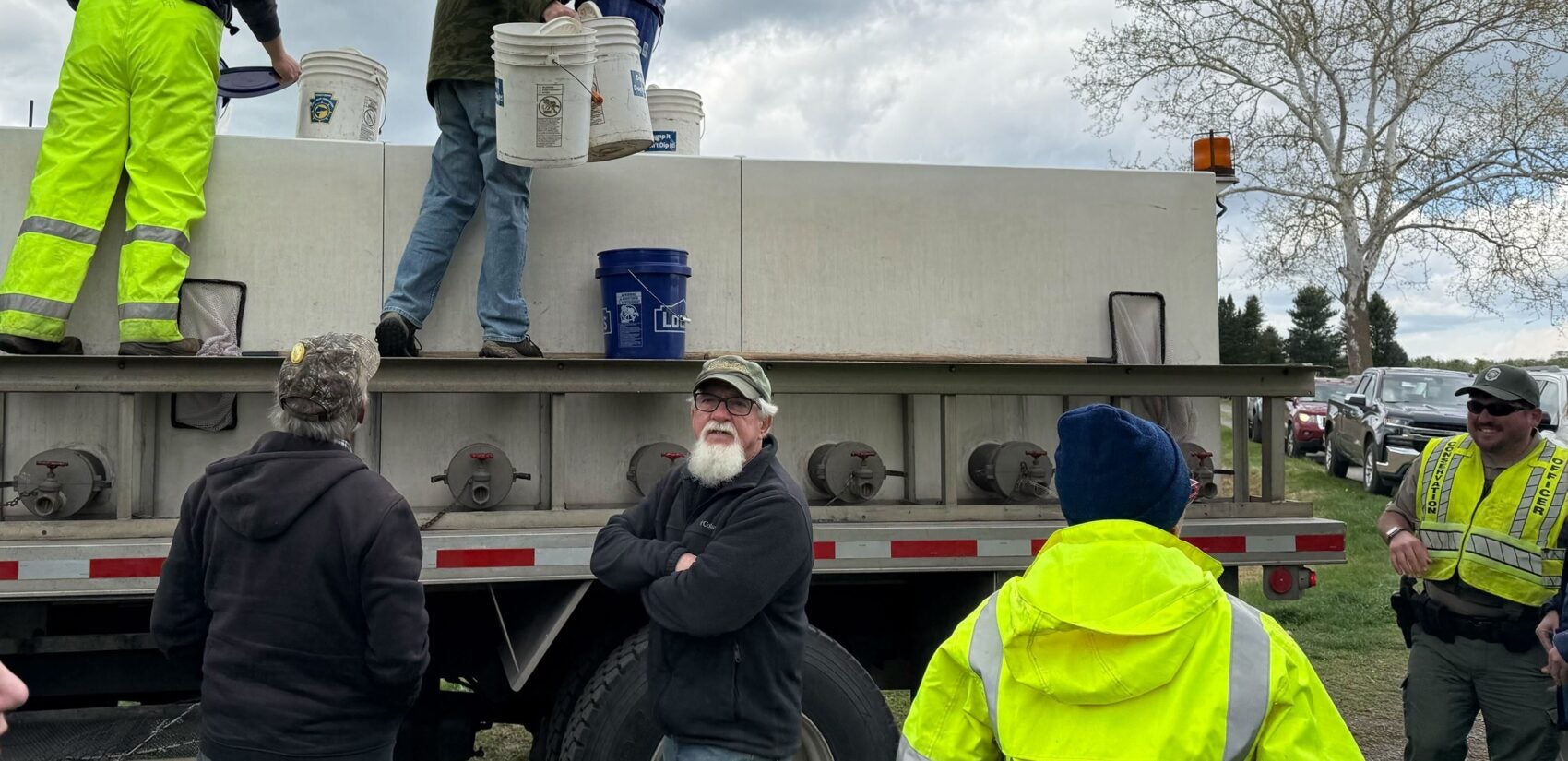
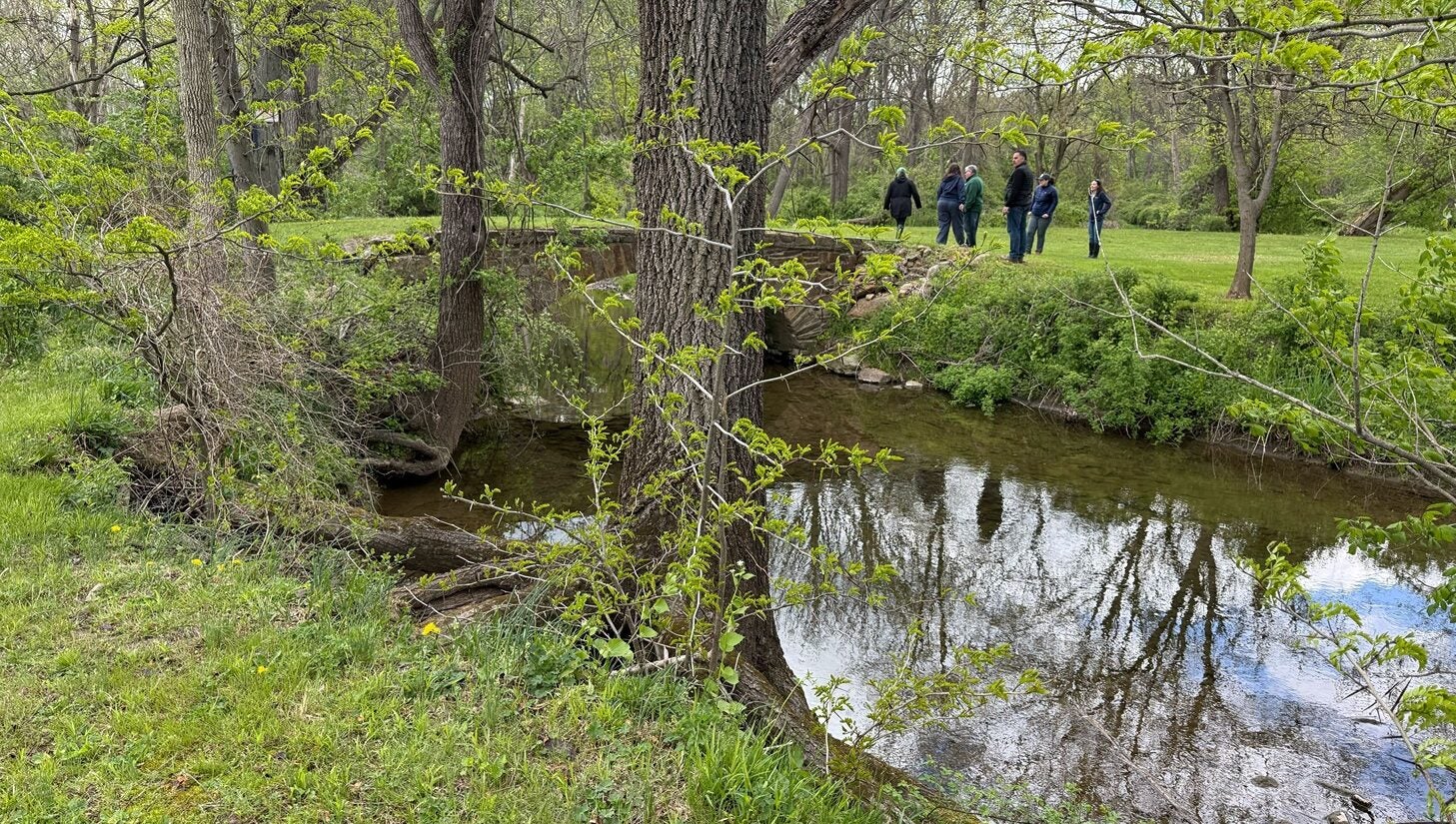
A small group of anglers, and staff from Pennsylvania’s environmental agencies, waited excitedly Monday morning for a white truck carrying a couple dozen wriggling trout to pull up near a stream behind a family-run farm in Avondale.
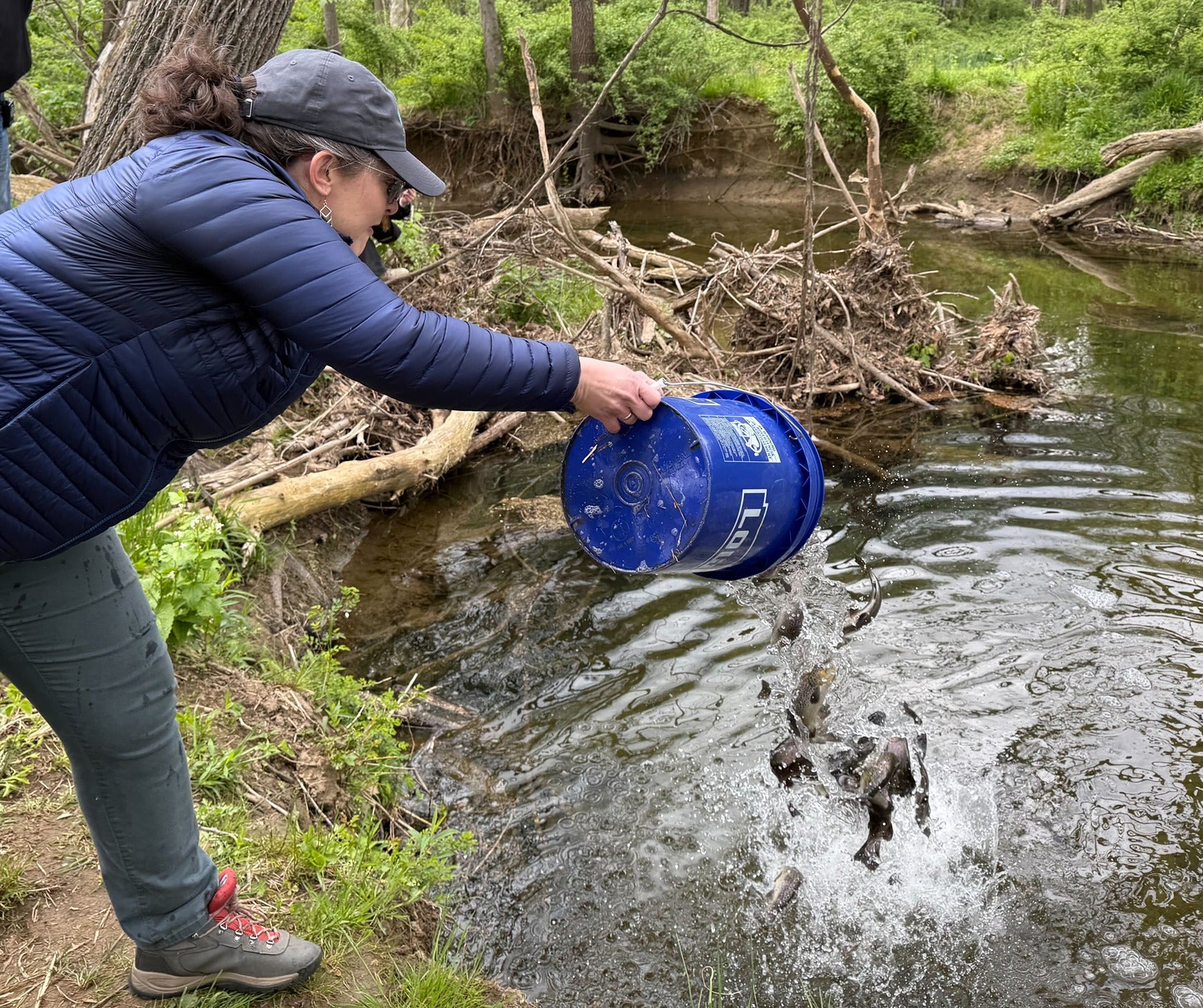
After scooping the trout into blue Lowe’s buckets, the volunteers and staff hurried in their waders toward the stream in the east branch of the White Clay Creek to release the fish into the water.
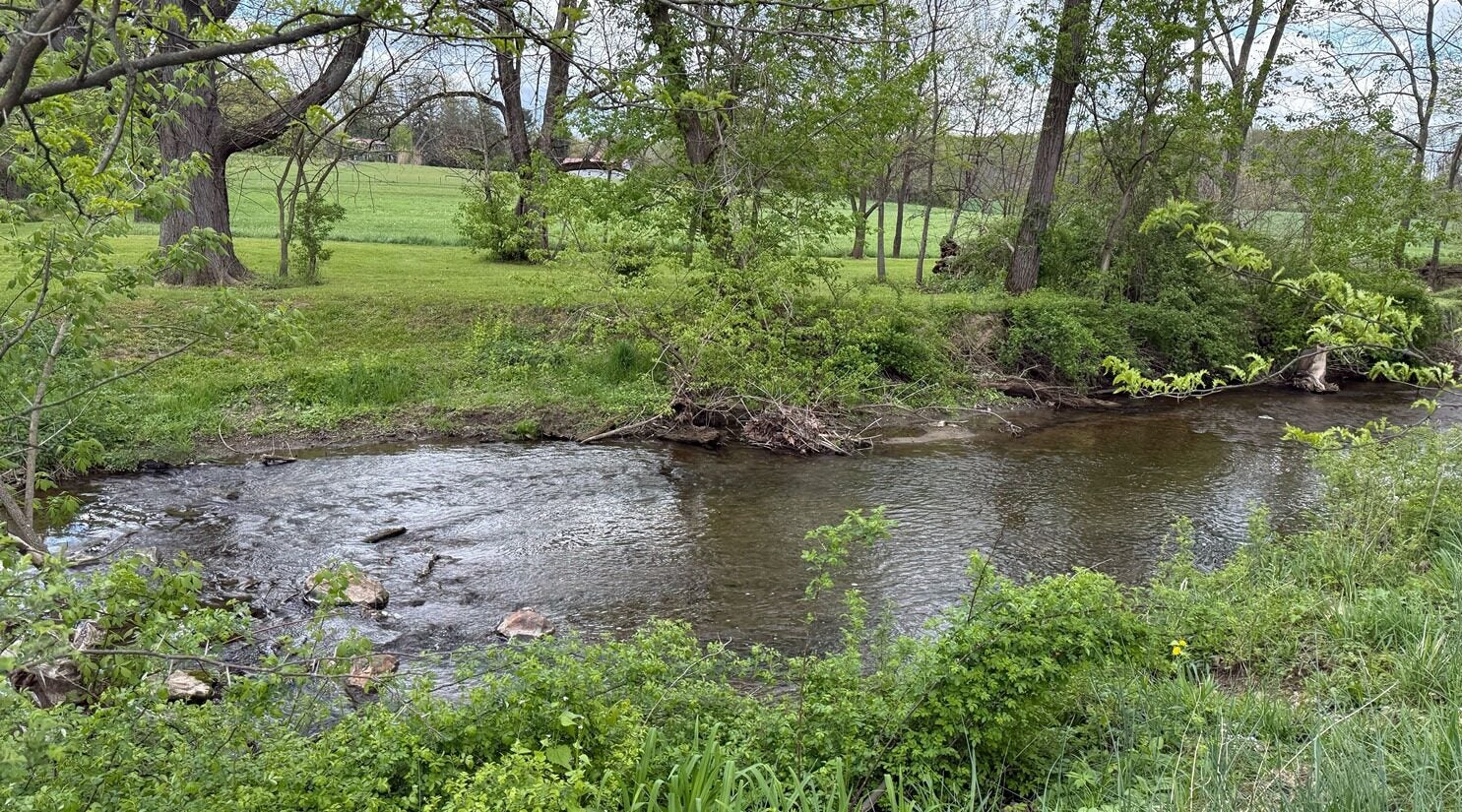
The Chester County waterway is one of several that has been restored with help from the state’s Department of Environmental Protection’s Growing Greener Grant program. The initiative aims to reduce pollution in waterways and protect fish, including trout. Trout populations have been impacted by land use, habitat loss and sediment pollution.
This year, DEP awarded more than $17 million in grants to 89 projects across Pennsylvania, supporting efforts to reduce stormwater runoff pollution, control erosion and plant native trees.
“These improvements help keep nutrients and pollutants out of the surrounding waterways, protecting the creeks and streams that support fish, including trout,” said Pat Patterson, DEP regional director, before the stocking event. “They also support other aquatic life that depend on clean water. The clean water could also be a source of drinking for a community.”
Each year, hundreds of thousands of anglers visit Pennsylvania’s waterways to fish during trout season, which began at the beginning of April.
Friends and families flock to their favorite streams and lakes in the early morning to claim their spots. Anglers line up elbow to elbow for their chance to catch large, trophy-sized fish.
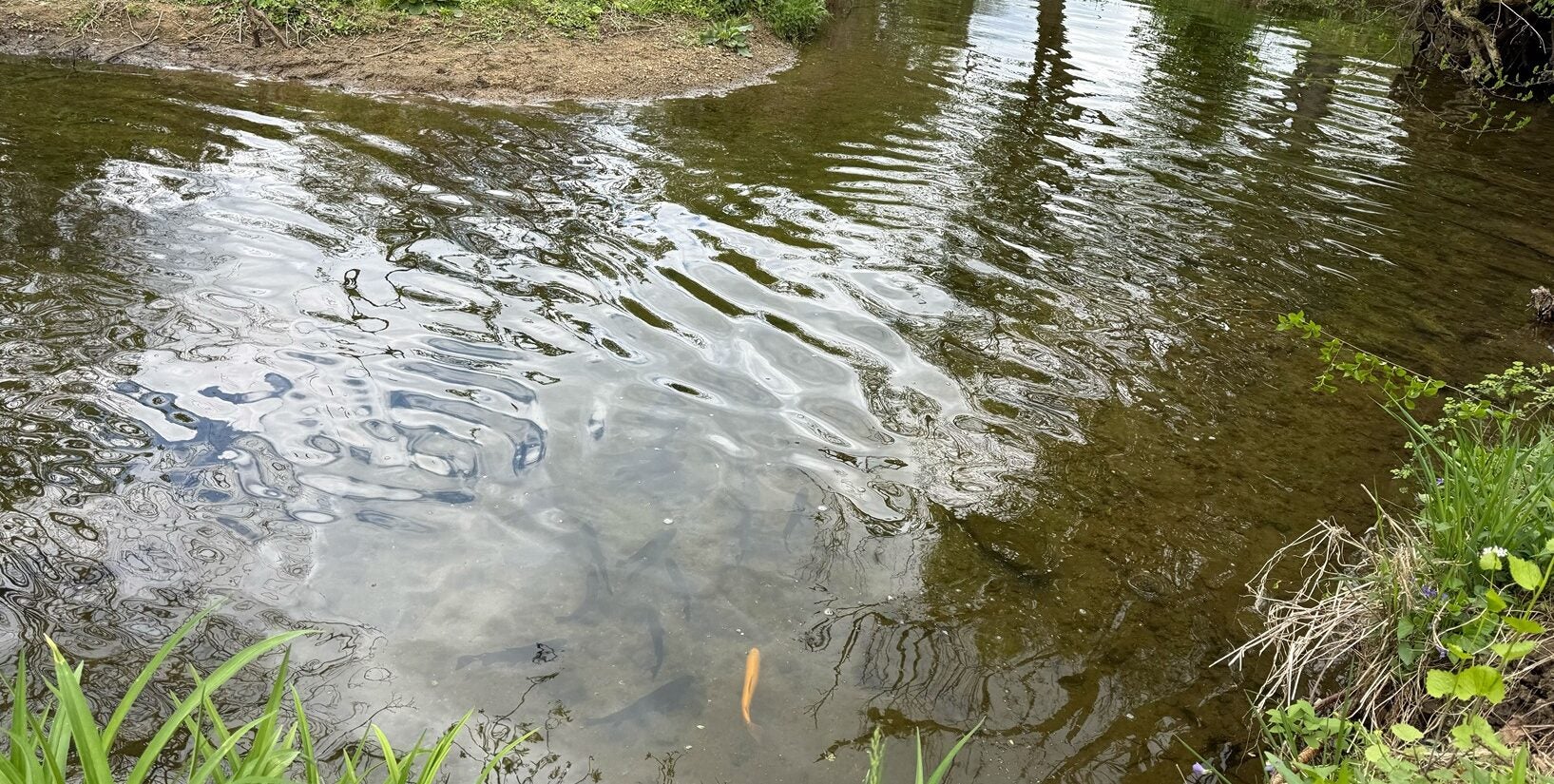
The Pennsylvania Fish and Boat Commission supplies more than 3 million trout from its hatcheries each year into hundreds of streams and lakes across the state. This year, the agency will stock three species of trout, including the eye-catching rainbow trout, known for its pink stripe and black speckles. The stock includes 72,000 trophy-sized rainbow, brown and brook trout species.
“I just love getting to spend this time with my family and catch fish,” said Scott Mason, an Oxford resident who volunteered to stock trout in the White Clay Creek. “My daughter’s young, she’s turning 3, she enjoys it. So it’s just cool to see that it’s a generational thing that we’ve passed down, that it is a hobby that we have all enjoyed, and it’s one thing I get to teach my kid to love to do.”
Related Content
EPA approves long-awaited protections for endangered fish in the Delaware River
Environmentalists have called for protections for the federally endangered Atlantic sturgeon for decades.
11 months ago
Listen 1:13State Rep. Christina Sappey, D-Chester, attended Monday’s trout-stocking event along the White Clay Creek. She said residents have greater opportunities for trout fishing when water quality is improved.
Funding for the White Clay Creek has supported reforesting trees, shrubs and perennial plants next to waterways in efforts to increase biodiversity and reduce the effects of agricultural runoff.
Nearly 130,000 residents in New Castle County, Delaware, and Chester County, Pennsylvania, live within the watershed, which is a major drinking water source, provides habitat for species such as the federally threatened bog turtle, and offers trout-fishing opportunities. The watershed is part of the National Wild and Scenic Rivers System — a federal initiative that protects rivers proven to have exceptional natural, cultural and recreational features.
“Ongoing efforts to improve water quality that support aquatic life go hand in hand with one of our state’s favorite pastimes, which is fishing,” Sappey said. “Fishing provides the opportunity for Pennsylvania to enjoy the outdoors together, time with family friends or in quiet solitude.”

Never miss a moment with the WHYY Listen App!


WHYY is your source for fact-based, in-depth journalism and information. As a nonprofit organization, we rely on financial support from readers like you. Please give today.
Part of the series
Part of the series
Watershed
Preserving Our Water: How we use our Delaware Watershed.
The project is funded by The William Penn Foundation.

Pennsylvania Gov. Shapiro signs wide-ranging executive order reining in data center development
While stopping short of issuing a moratorium on new data centers, Shapiro’s executive order accuses developers of “predatory” behavior against local communities.
1 day ago
Listen 1:20
Opposition to data center construction is rising sharply, survey says
Opposition has jumped significantly among both Democrats and Republicans, according to a recent Penn poll.
6 days ago
Listen 1:07
Environmentalists say contaminated waterways in Philadelphia are caused by raw sewage overflows.
6 days ago
Listen 1:19