

Conservationists launch plan to protect Wissahickon Valley Park and Creek
During the aftermath of Hurricane Ida in 2021, water rushed down the creek, flooding Forbidden Drive.

This story is part of the WHYY News Climate Desk, bringing you news and solutions for our changing region.
From the Poconos to the Jersey Shore to the mouth of the Delaware Bay, what do you want to know about climate change? What would you like us to cover? Get in touch.
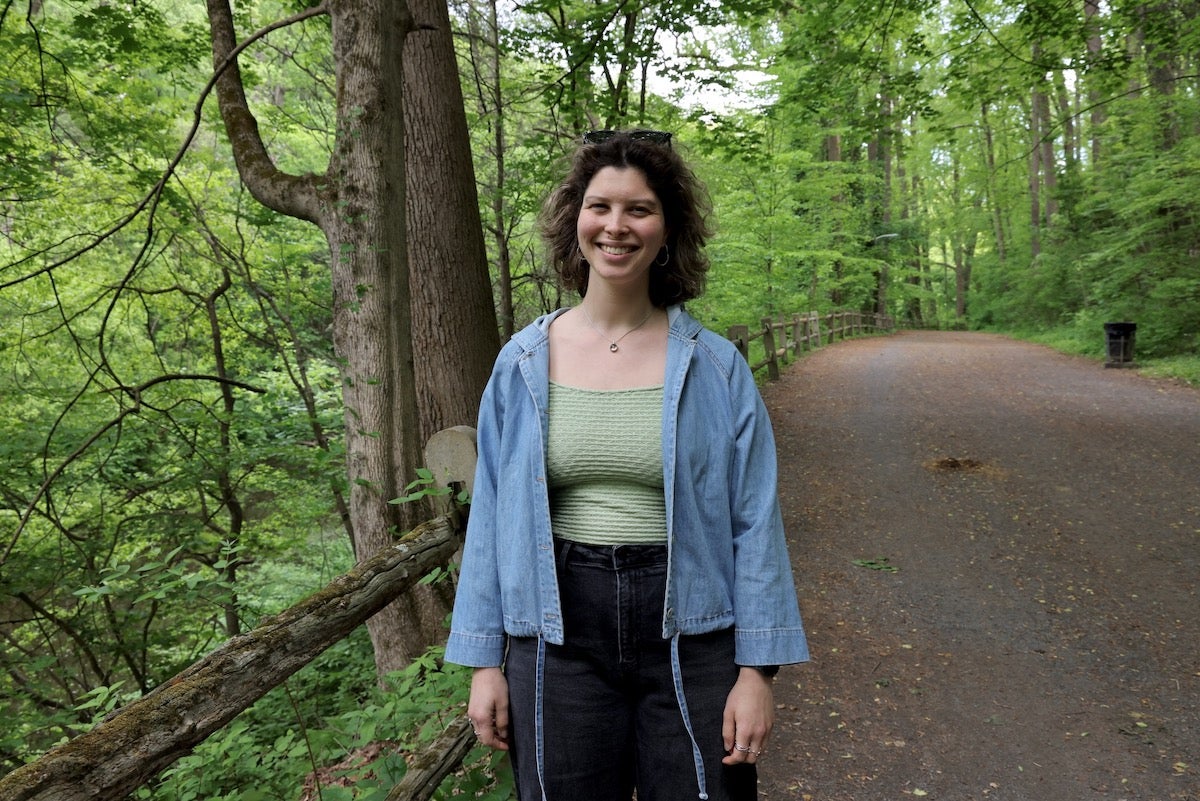
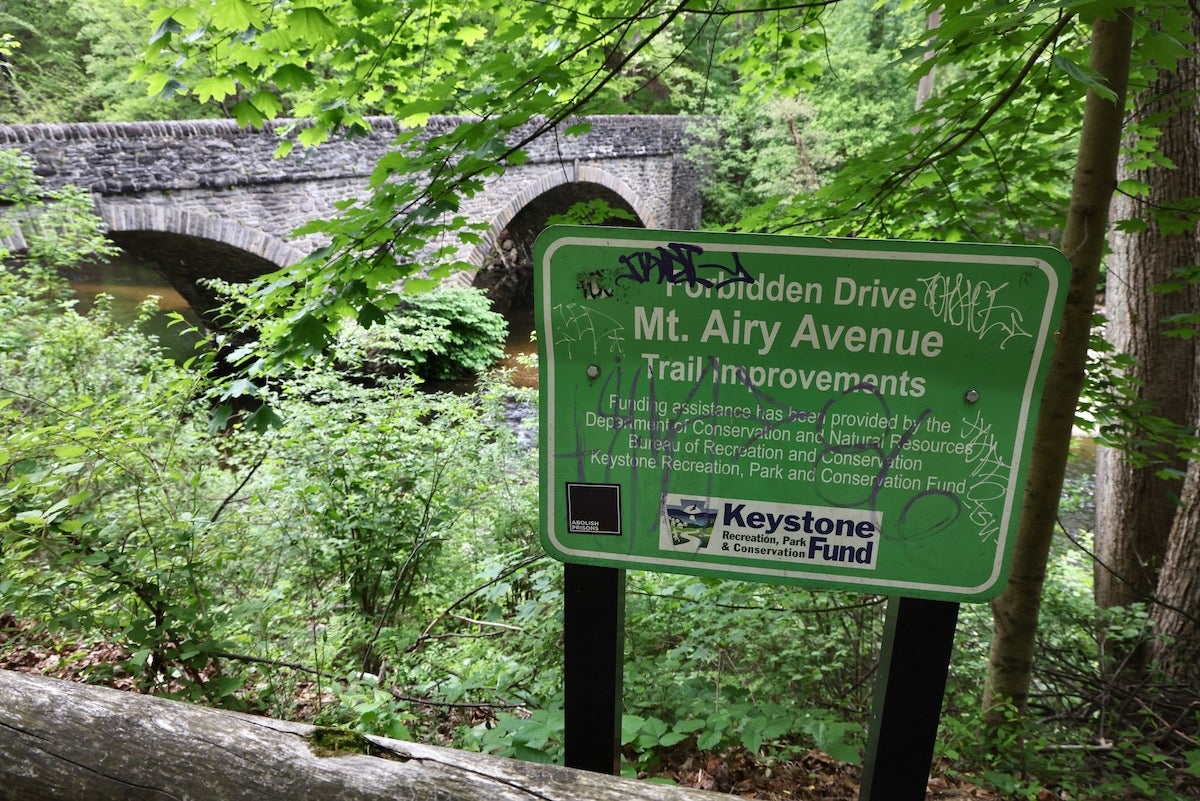
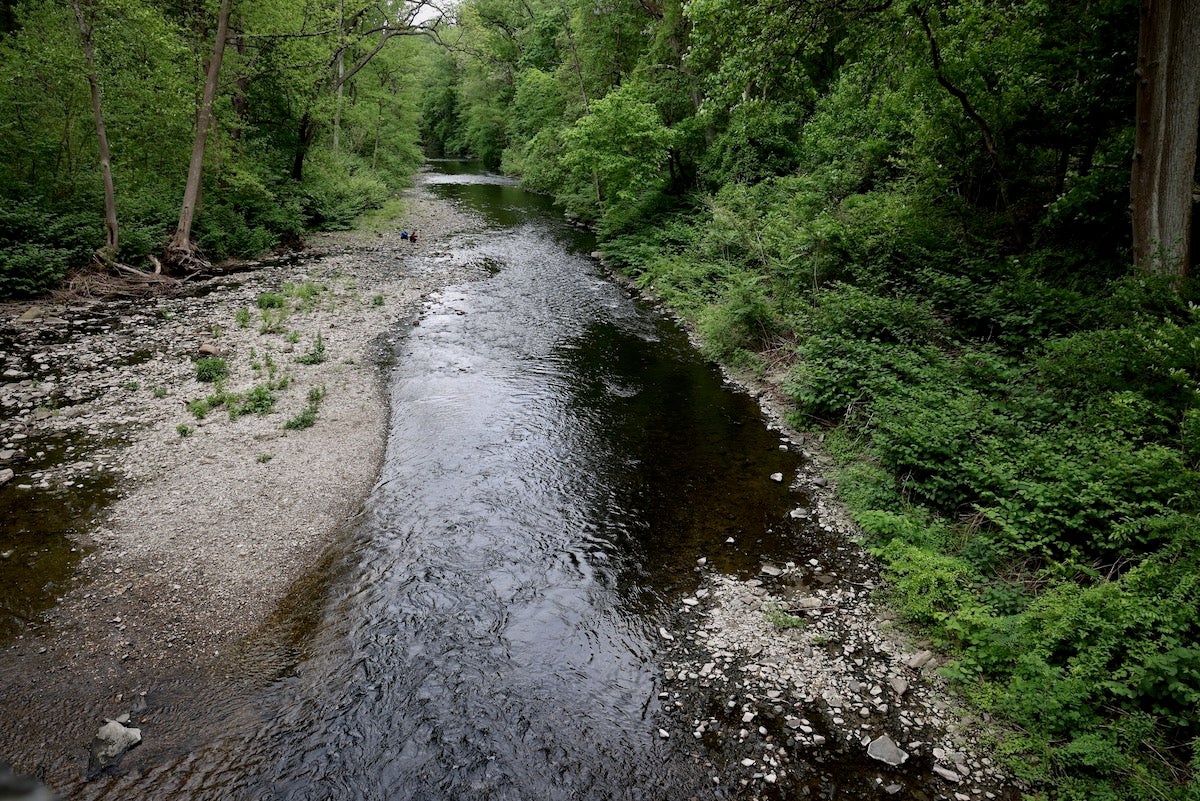
Pauline Berkowitz stood at the edge of the historic Mount Airy Avenue Bridge in Wissahickon Valley Park in Northwest Philadelphia, and peered toward the Wissahickon Creek below.
In the near distance, one of the park’s tall deciduous trees leaned over the waterway — its roots exposed. A number of storms have swept away the soil that once protected the tree, and Berkowitz said that one day the tree will likely fall down.
Berkowitz is the director of capital projects for Friends of the Wissahickon, a century-old nonprofit that aims to conserve and improve the 1,800-acre gorge, which welcomes more than 2 million visitors a year. Now, the organization hopes to receive funding to create a pathway for water to flow down while preventing erosion and runoff.
“While we want people to continue coming to the park to enjoy it, we understand that we need to be creating a balance where we’re restoring the environment, while also creating resiliency, so that we can continue to welcome many visitors for years to come,” said Berkowitz, who has biked and hiked the park since she moved to Philadelphia in 2019.
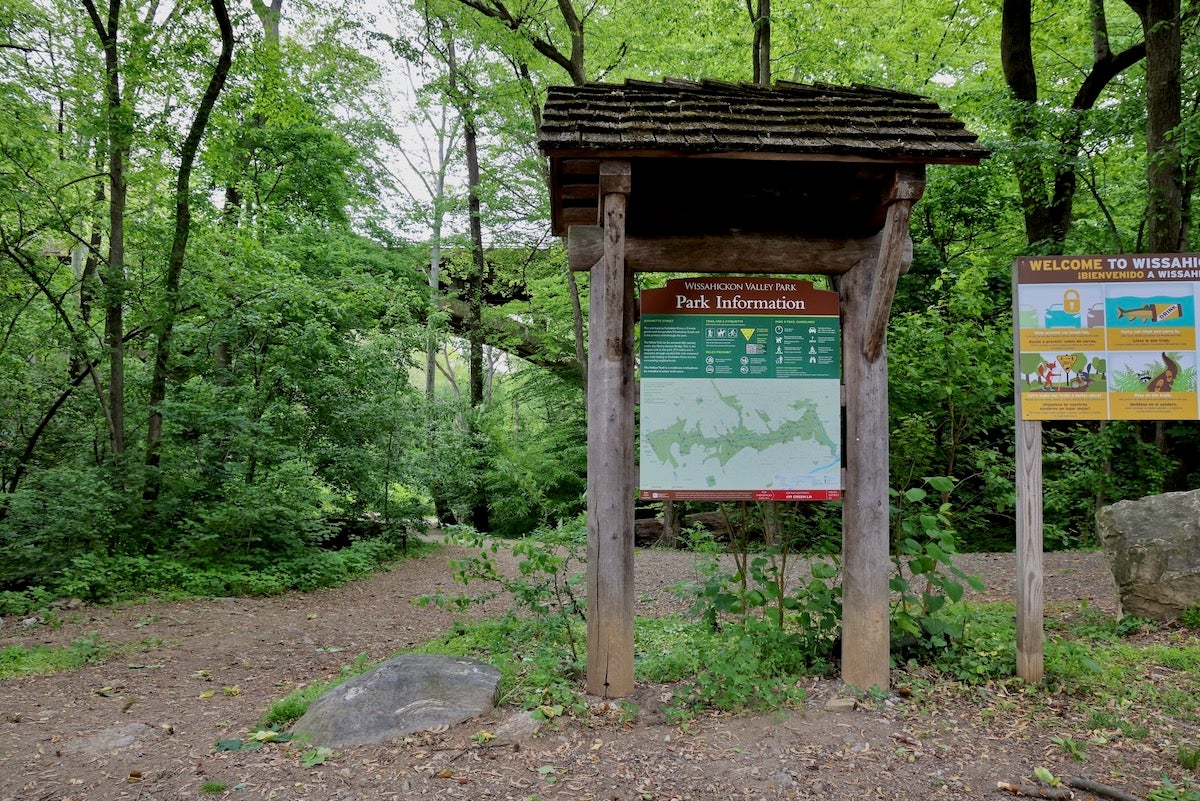
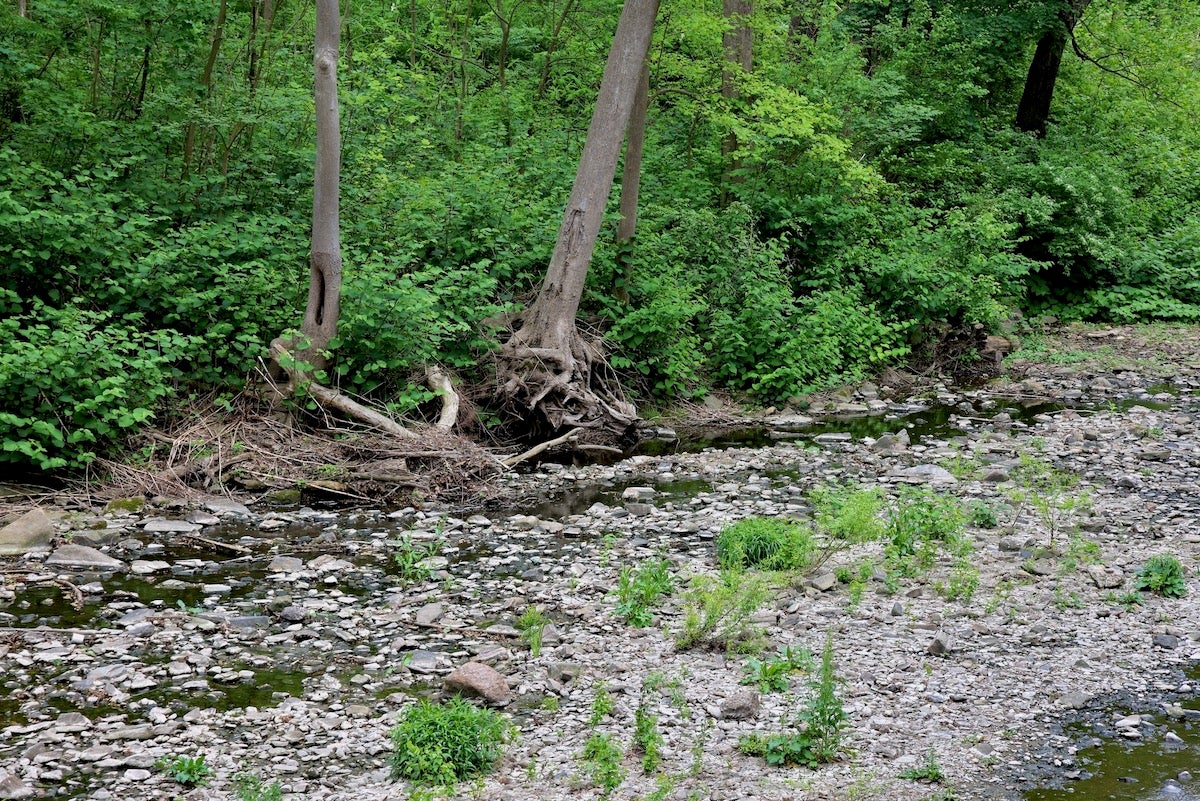
Wissahickon Creek is prone to overflowing after heavy storms. During the aftermath of Hurricane Ida in 2021, water rushed down the creek, flooded Forbidden Drive and washed away benches and portions of the trail.
The Wissahickon Creek Watershed, which provides drinking water to 1 in 4 Philadelphia residents, is heavily developed and surrounded by deep slopes, making it vulnerable to stormwater runoff.
Friends of the Wissahickon has launched a study with consultant Princeton Hydro to evaluate issues such as erosion and runoff, and recommend projects to mitigate the effects of flooding.
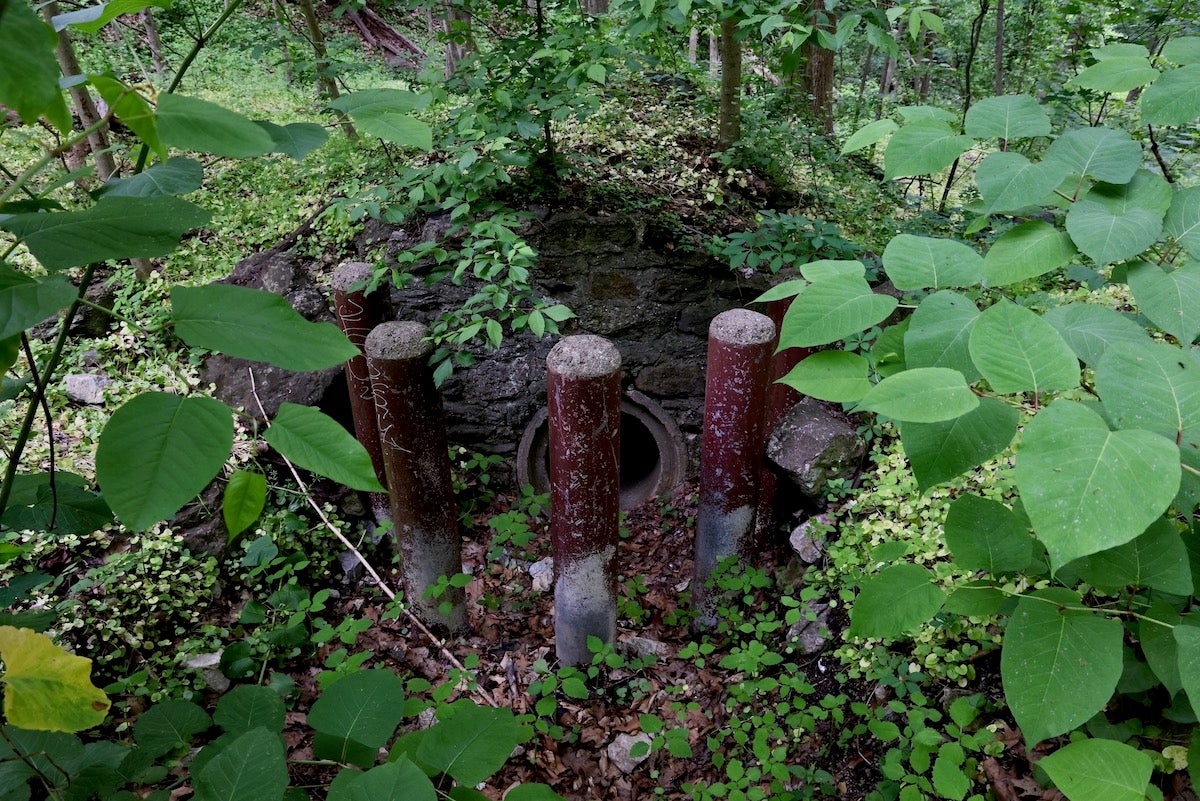
The projects could involve planting native plants to slow down the movement of water, or creating a step pool conveyance system, which essentially acts like a staircase to collect sediment and help slow down water.
The nonprofit is partnering with Philadelphia’s Parks and Recreation, the Water Department, and the Planning Commission.
Related Content
Philadelphia launches real-time flood monitoring to help Eastwick residents prepare for storms
Newly installed flood gauges will detect rainfall and water levels to help inform Eastwick residents of potential risks.
3 months ago
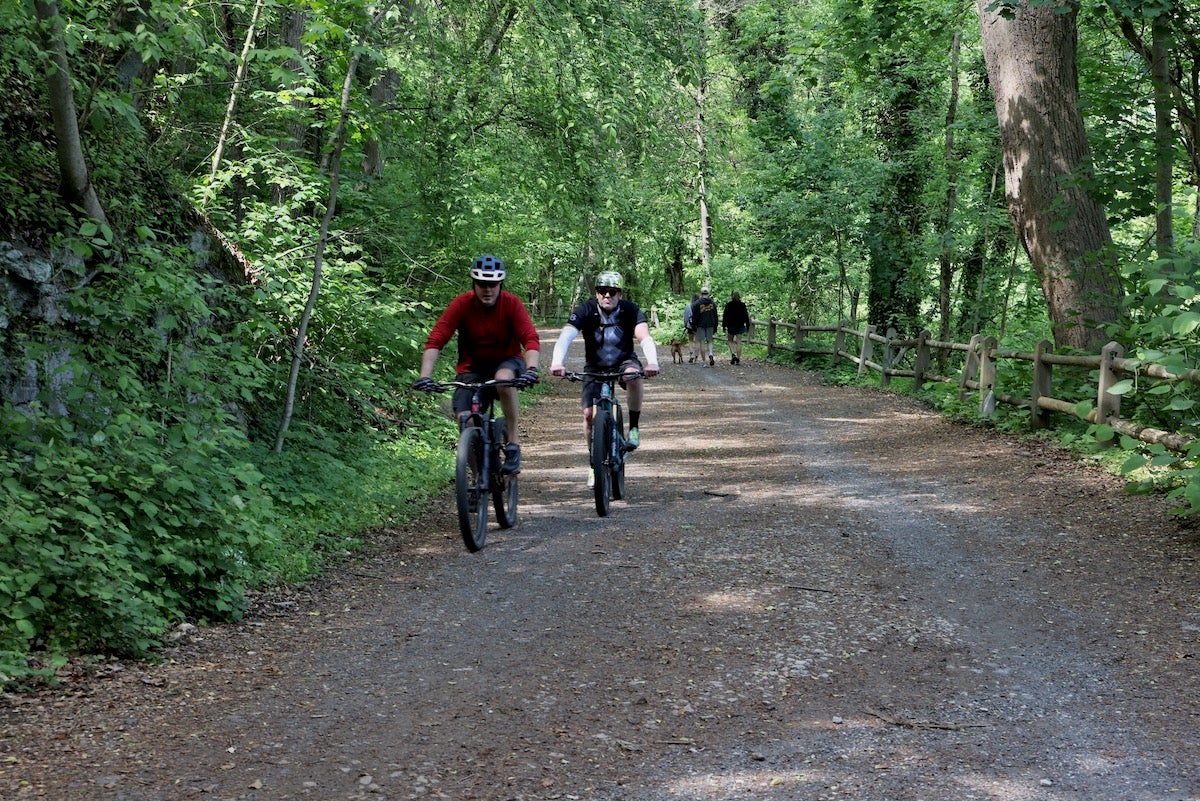
Listen 1:03Berkowitz said the initiative not only protects the environment and water quality, but can also make the park more enjoyable for hikers, horseback riders, birders and bikers.
Marc Fisher of Blue Bell has hiked and ridden his mountain bike on the Wisshahickon for the past 30 years to soak up the diverse sights and sounds in the area.
“There are parts in the trail system where sometimes I feel like I’m riding over a sewer system, like I’m in Philly. There’s times when I feel like I’m riding over rocks that should be in Canada. Other times, I feel like I’m riding through the Redwood forest,” he said.
Fisher said though volunteers maintain the trails, they can become tough to ride on when they’re impacted by stormwater runoff.
“Rocks start to get exposed too much, then it’s difficult to even ride your bike over it, so the erosion is what kills all trails,” he said.
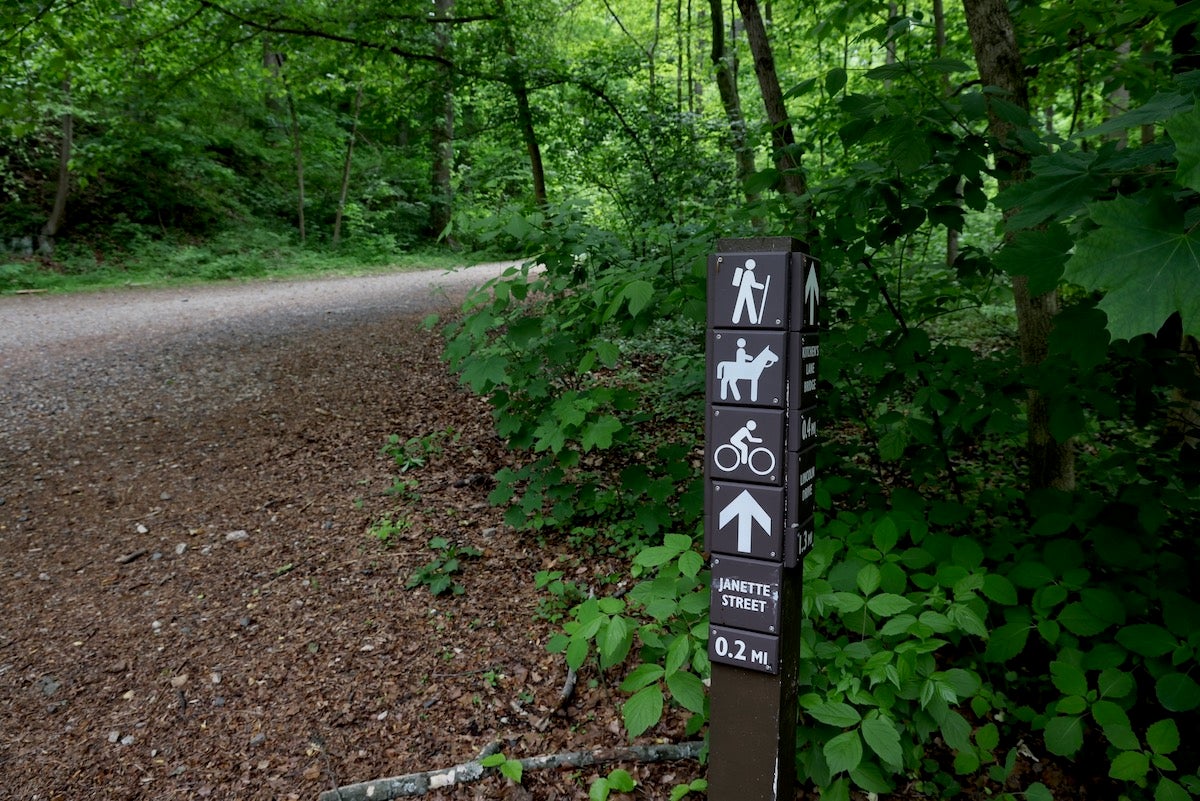
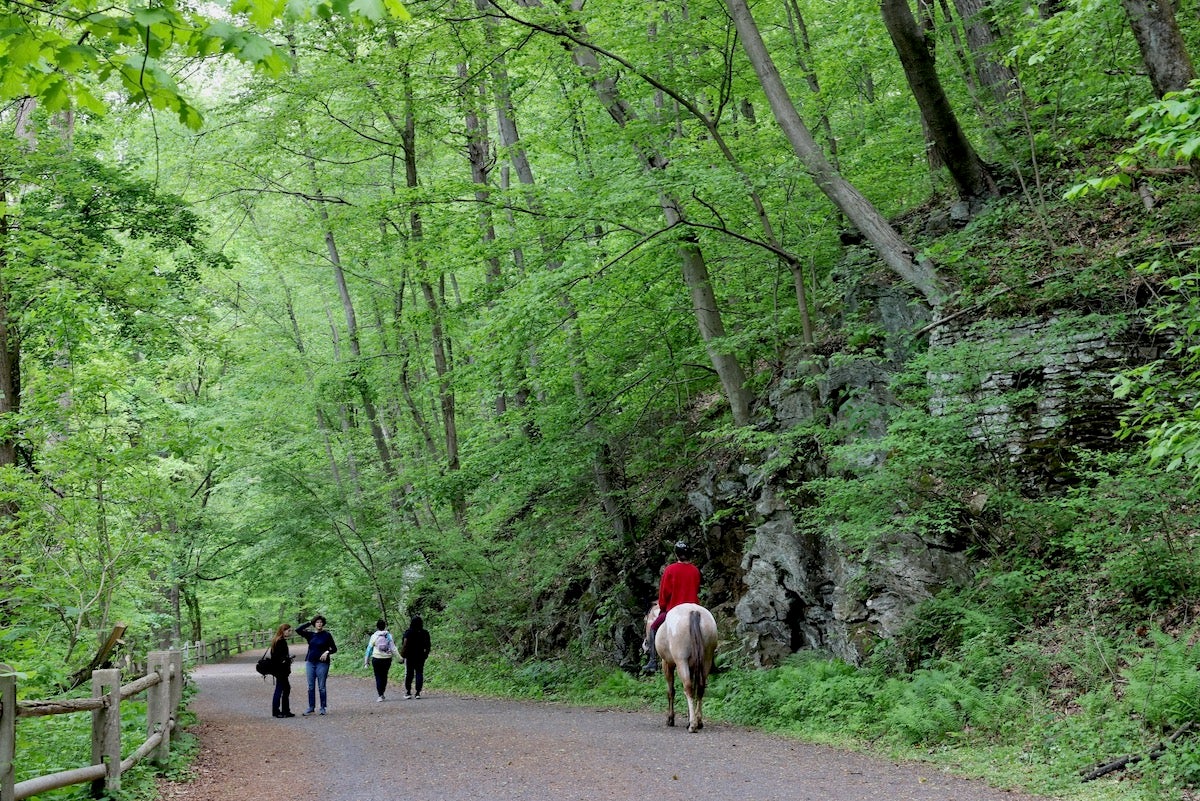
There are more than 400 incipient gullies along the park’s Forbidden Drive. Often the first sign of erosion, incipient gullies are where concentrated runoff starts to carve a channel. These channels can allow pollutants, or physical materials, to make their way to the water.
“When I look at what I’ve rode for the past 30 years, from when I started to now, it’s a big difference,” Fisher said. “There’s a difference in the way the trails look and feel, and if they’re not maintained to the best standards, then in the next 30 years they won’t be rideable for the next group of kids that want to come through it.”
Friends of the Wissahickon hopes to release a draft of the study by November, and start designing a project in 2028.
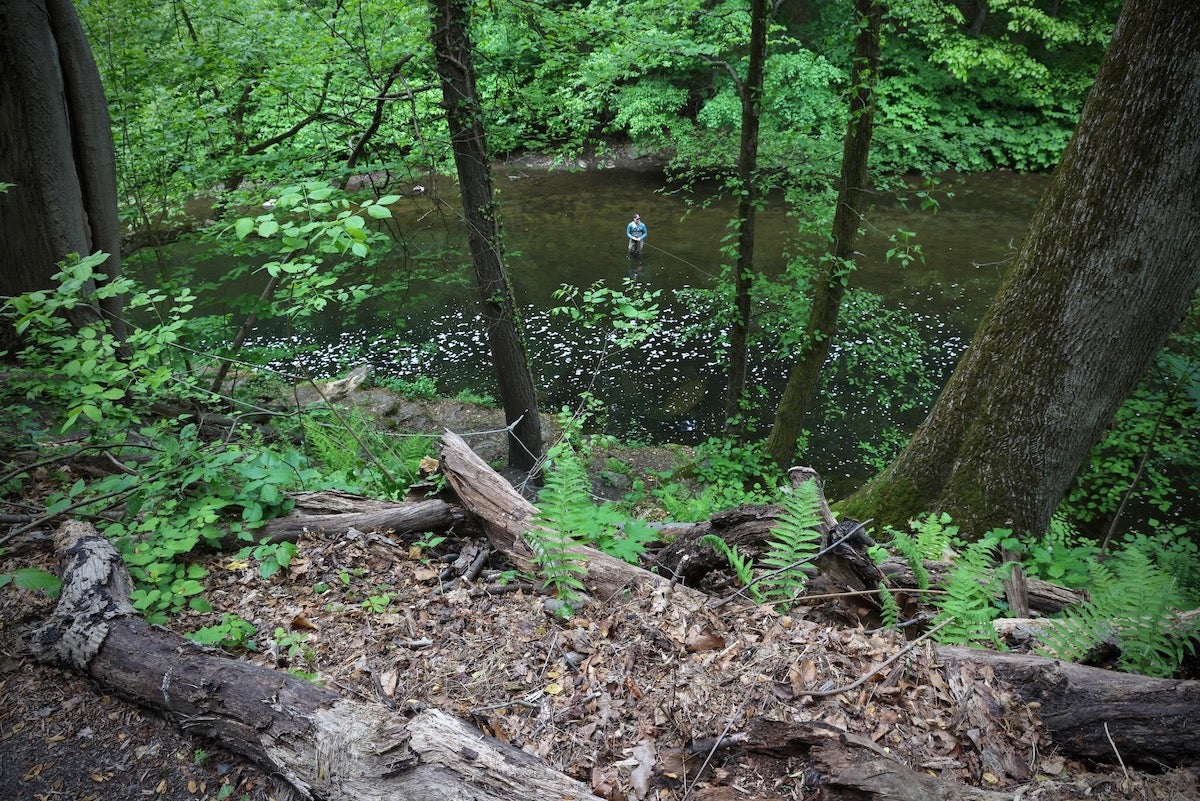
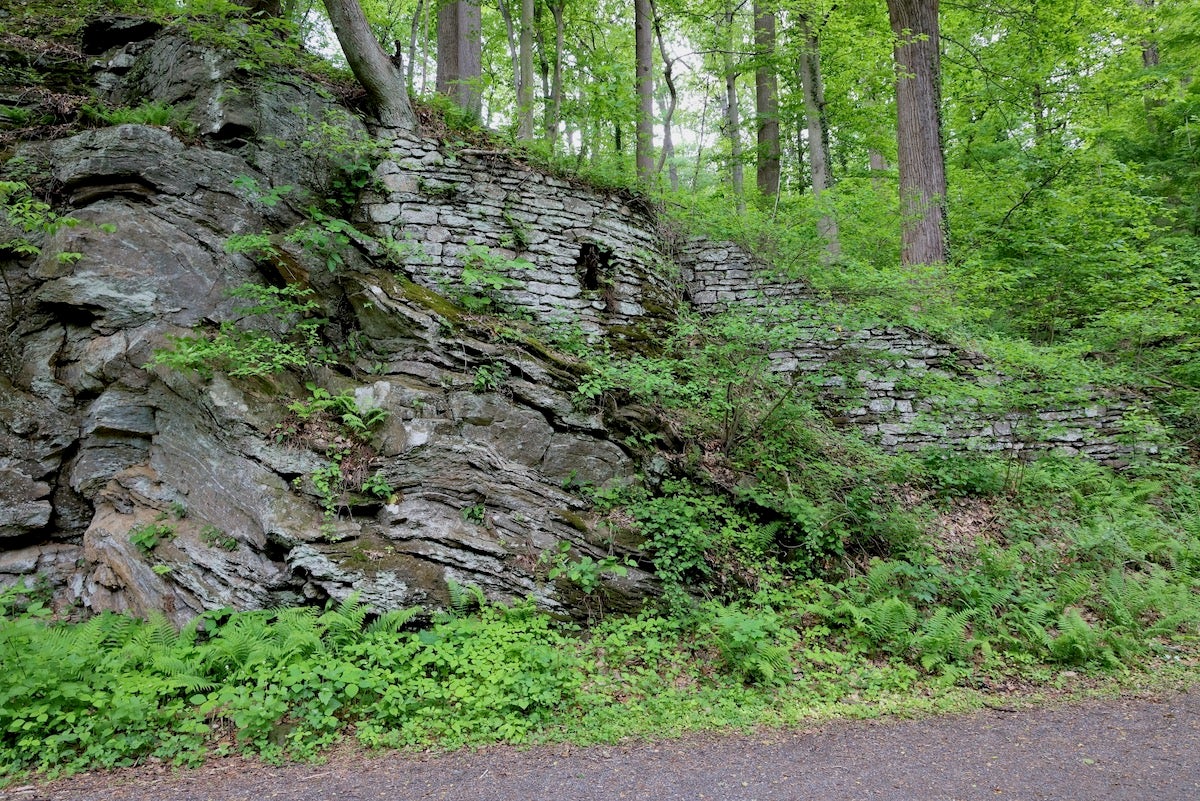
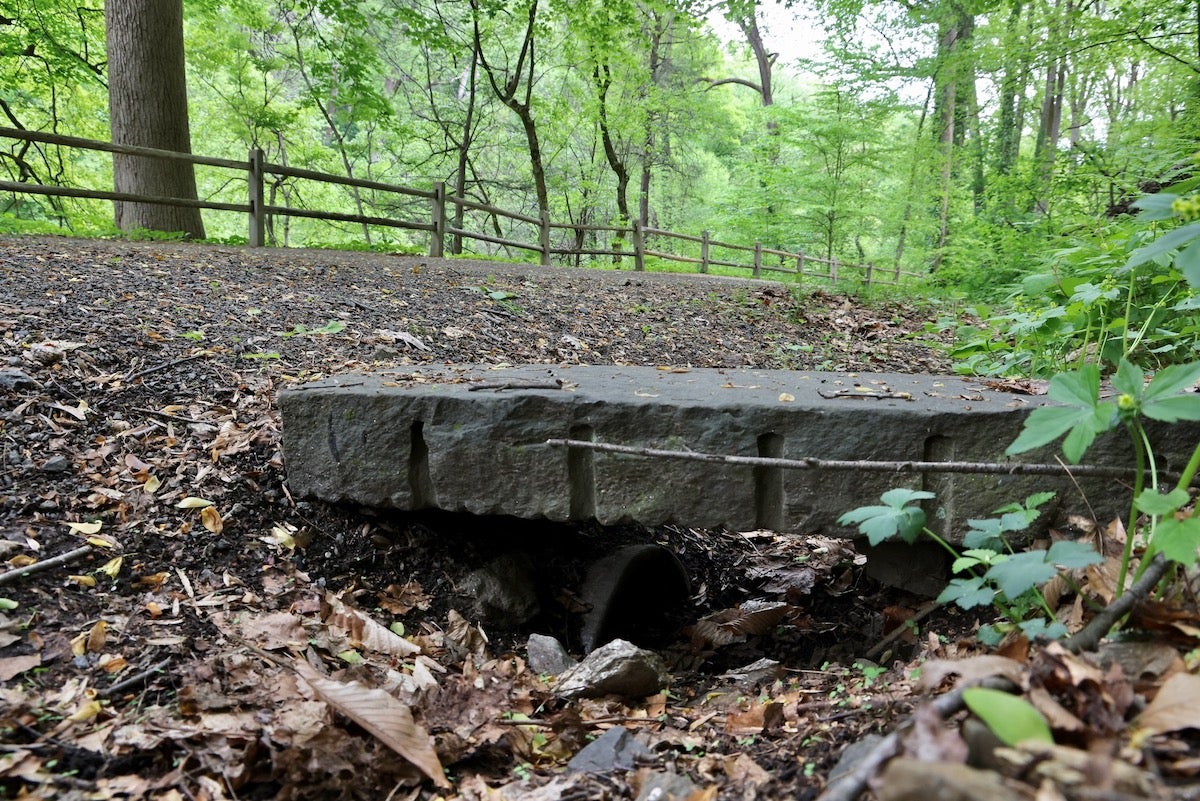
The initiative is applauded by staff at the Valley Green Inn, a 19th-century road house on Forbidden Drive. The restaurant and wedding venue’s parking lot and basement have been flooded during large storms.
“The Inn and the park [is] really a special place for a lot of people. I know my couples, most of them, have been coming here since they were little kids, and their grandparents brought their parents,” said events manager Amber Atkinson. “So, channeling the water is going to be really huge in preserving the walkable space that we have down here.”
People who recreate in the park are encouraged to provide feedback as part of the study.

Get daily updates from WHYY News!
WHYY is your source for fact-based, in-depth journalism and information. As a nonprofit organization, we rely on financial support from readers like you. Please give today.
Part of the series
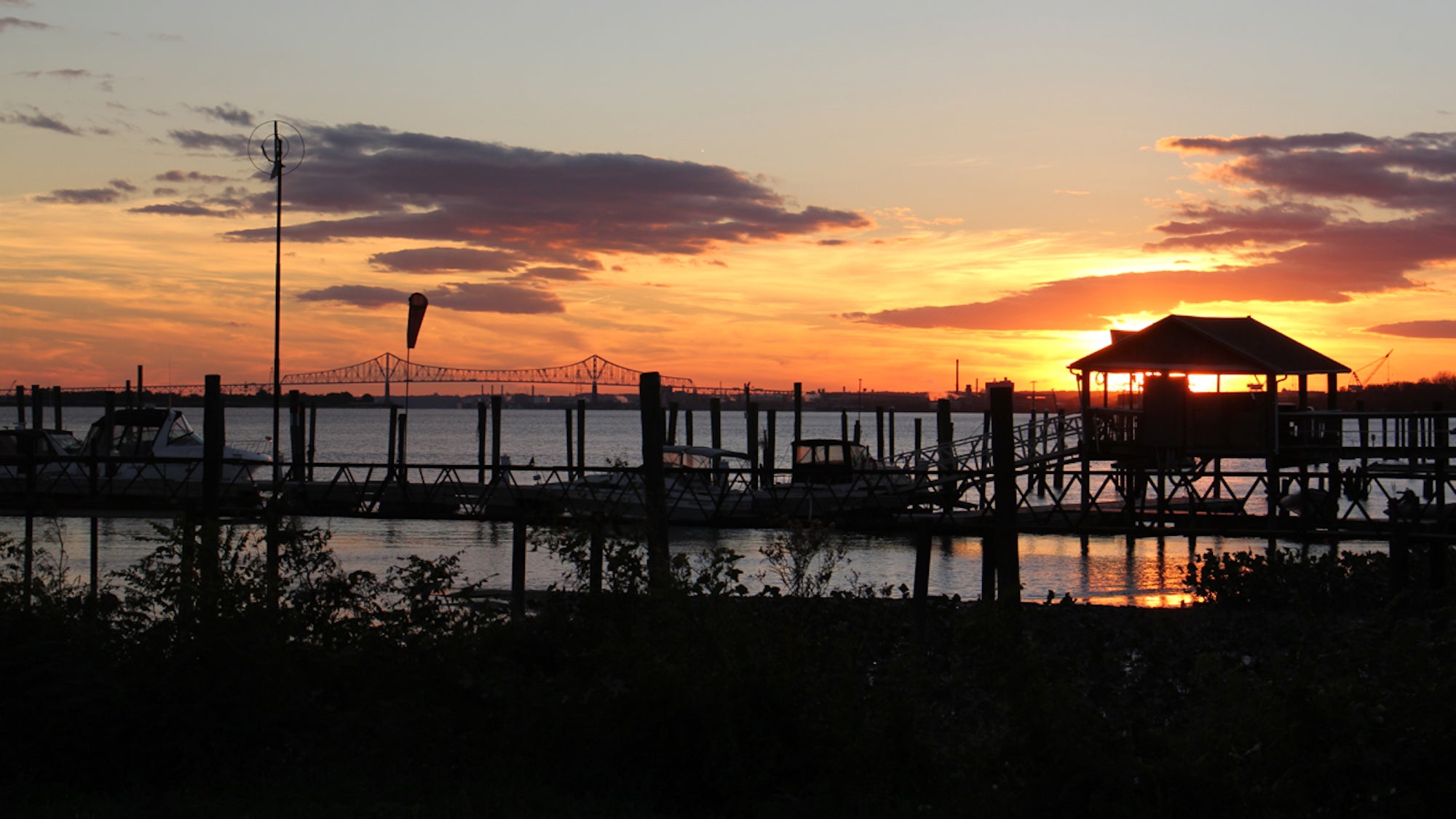
Watershed
Preserving Our Water: How we use our Delaware Watershed.
The project is funded by The William Penn Foundation.
Part of the series

Opposition to data center construction is rising sharply, survey says
Opposition has jumped significantly among both Democrats and Republicans, according to a recent Penn poll.
1 week ago
Listen 1:07
Environmentalists say contaminated waterways in Philadelphia are caused by raw sewage overflows.
1 week ago
Listen 1:19
Camden nonprofit plans to keep bus riders cool with shade and pollinator gardens
Neighborhood Collaborative Community Gardens’ bus shelters will include shade trees, pollinator-friendly plants and air quality monitors.
2 weeks ago
Listen 1:11