

Earth Day: How climate change is threatening vulnerable species in Pennsylvania
Five decades after the original Earth Day, some Pennsylvania species are still at extreme risk.

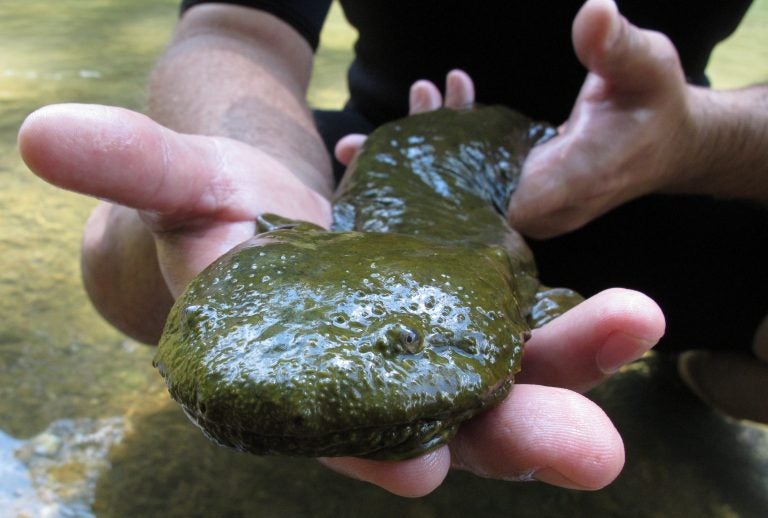
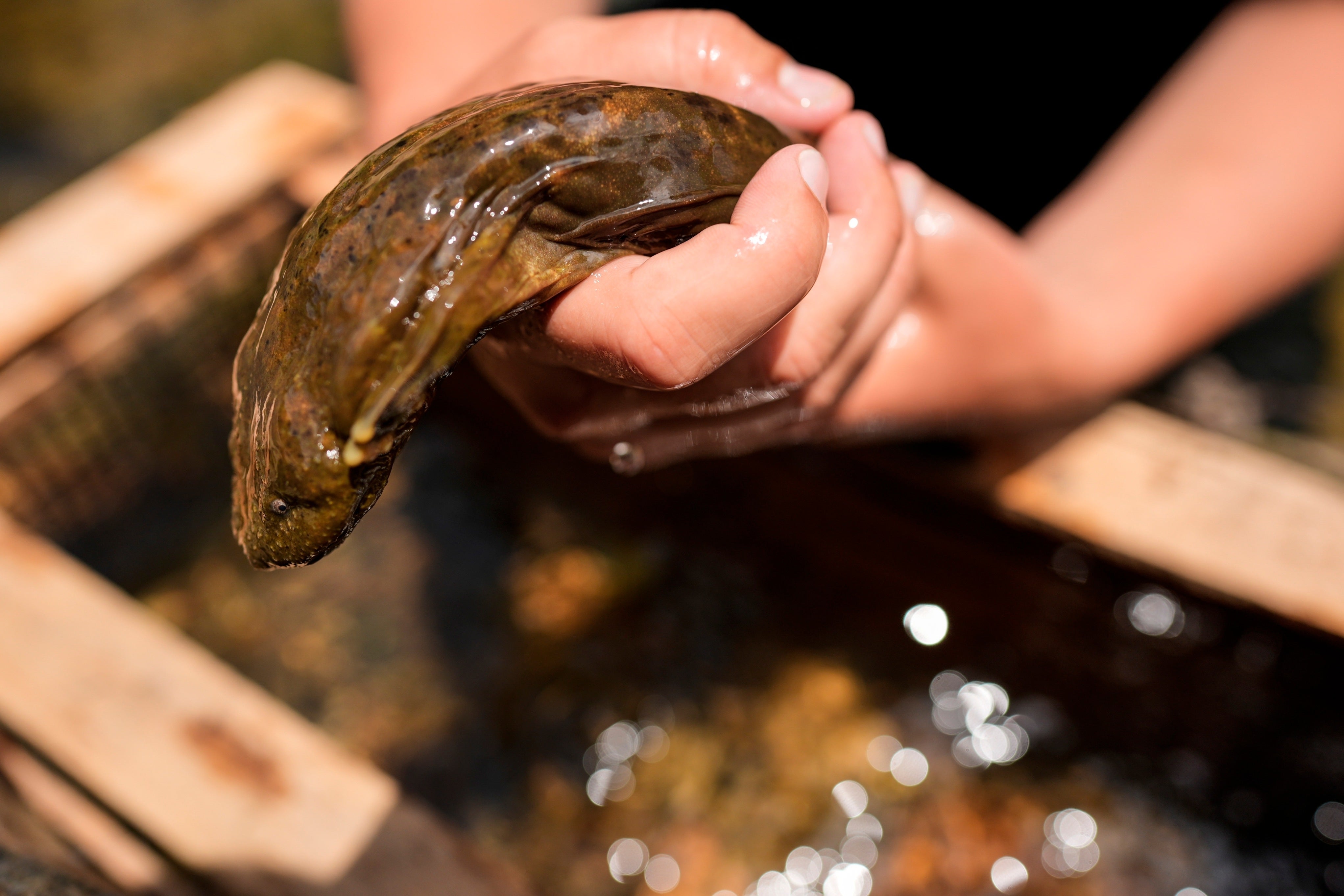
In this June 18, 2014, photo, Rod Williams, a Purdue University associate professor of herpetology, holds a hellbender that he and a team of students collected in southern Indiana's Blue River near Corydon, Ind., during a survey of populations of the rare amphibian. (Rick Callahan/AP Photo)
This story is part of the WHYY News Climate Desk, bringing you news and solutions for our changing region.
From the Poconos to the Jersey Shore to the mouth of the Delaware Bay, what do you want to know about climate change? What would you like us to cover? Get in touch.
Earth Day was first celebrated 56 years ago with about 12,000 events nationwide, including one in Philadelphia’s Fairmount Park that attracted about 20,000 people. The daylong celebrations marked a pivotal turning point for an environmental movement that created signature laws in the 1970s with bipartisan support, including the Clean Water Act, Clean Air Act and the Endangered Species Act. Congress authorized the creation of the Environmental Protection Agency a few months following the event.
More than five decades later, experts warn of emerging toxins like PFAS and microplastics that can harm the environment and public health. Current threats from climate change include rising sea levels, greater precipitation and extreme heat, which Pennsylvania has already begun to experience.
The Trump administration has enacted or planned hundreds of rollbacks of environmental protections. These moves impact everything from agricultural practices to air pollution rules to environmental justice programs.
A number of Philadelphia-area species are threatened by the administration’s plans to weaken the Endangered Species Act, including the red knot, bog turtle and fireflies.
WHYY News’ senior climate reporter and editor Susan Phillips joined WHYY’s “Morning Edition” host Jennifer Lynn to take a look at how climate change is impacting some of Pennsylvania’s most vulnerable species.
Jennifer Lynn: You know there are many creatures and plants native to Pennsylvania that face threats from pests, disease and changing environmental conditions.
Susan Phillips: That’s right, and climate change is exacerbating all those threats. So the Pennsylvania Natural Heritage Program, which works with state agencies, took a look at 85 species to rate them on its climate change vulnerability index. And a common theme among those listed as extremely vulnerable is that they can’t easily move to a better climate, which in general would be going north to cooler temperatures.
JL: Well, let’s talk about some of the species on that list.
There are amphibians, birds, insects, mammals, mollusks, plants, and reptiles, and Susan, I’ve learned from the WHYY [News] Climate Desk reporting that mollusks, you know, oysters, clams, mussels, they’re very valuable when it comes to filtering water.
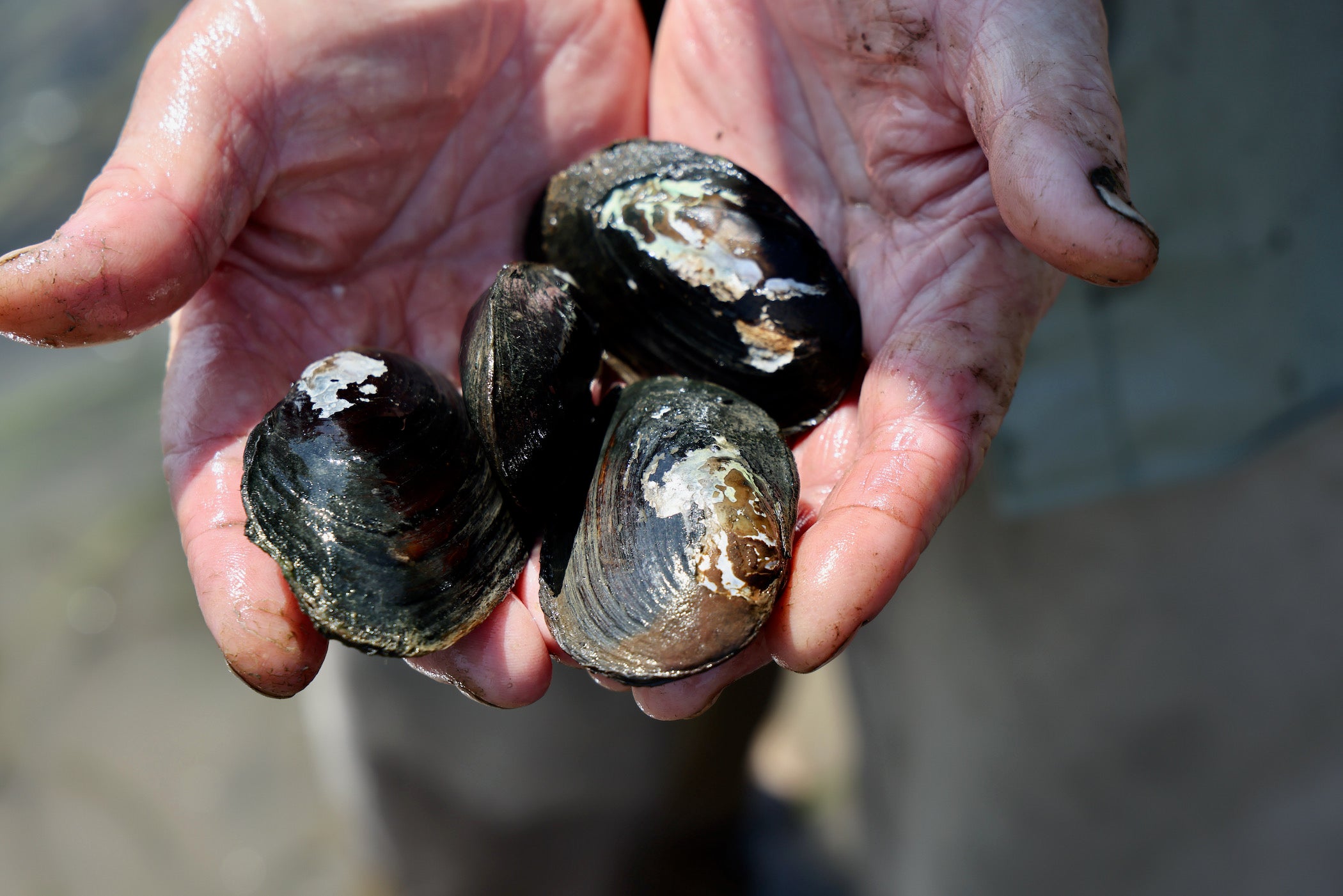
SP: That’s right. So they filter things like silt, but they also help with pollution. It’s interesting that they help with pollution, but they also can’t live in waterways with too much pollution.
JL: And from this list, I read that the eastern pearl shell, that’s a mussel, it’s native to Pennsylvania and Delaware, it’s listed as extremely vulnerable.
SP: It’s been impacted by climate change, specifically, more intense flooding associated with climate change, which alters water habitat quality. Ten freshwater mussels are listed as threatened or endangered in Pennsylvania [under the federal Endangered Species Act]. You know, freshwater mussels can treat about 300 gallons of water each month. The eastern pearl shell can live up to 100 years. So when they are healthy, that’s a lot of filtering. However, the populations have been impacted by poor water quality, human-made dams that prevent the movement of certain fish species which the mussels rely on to survive.
Related Content
Goats, salamanders and ziplines: Your guide to free Earth Week events in Philly
There are plenty of free opportunities to learn about nature, get active outside and volunteer to clean up your community.
4 months ago
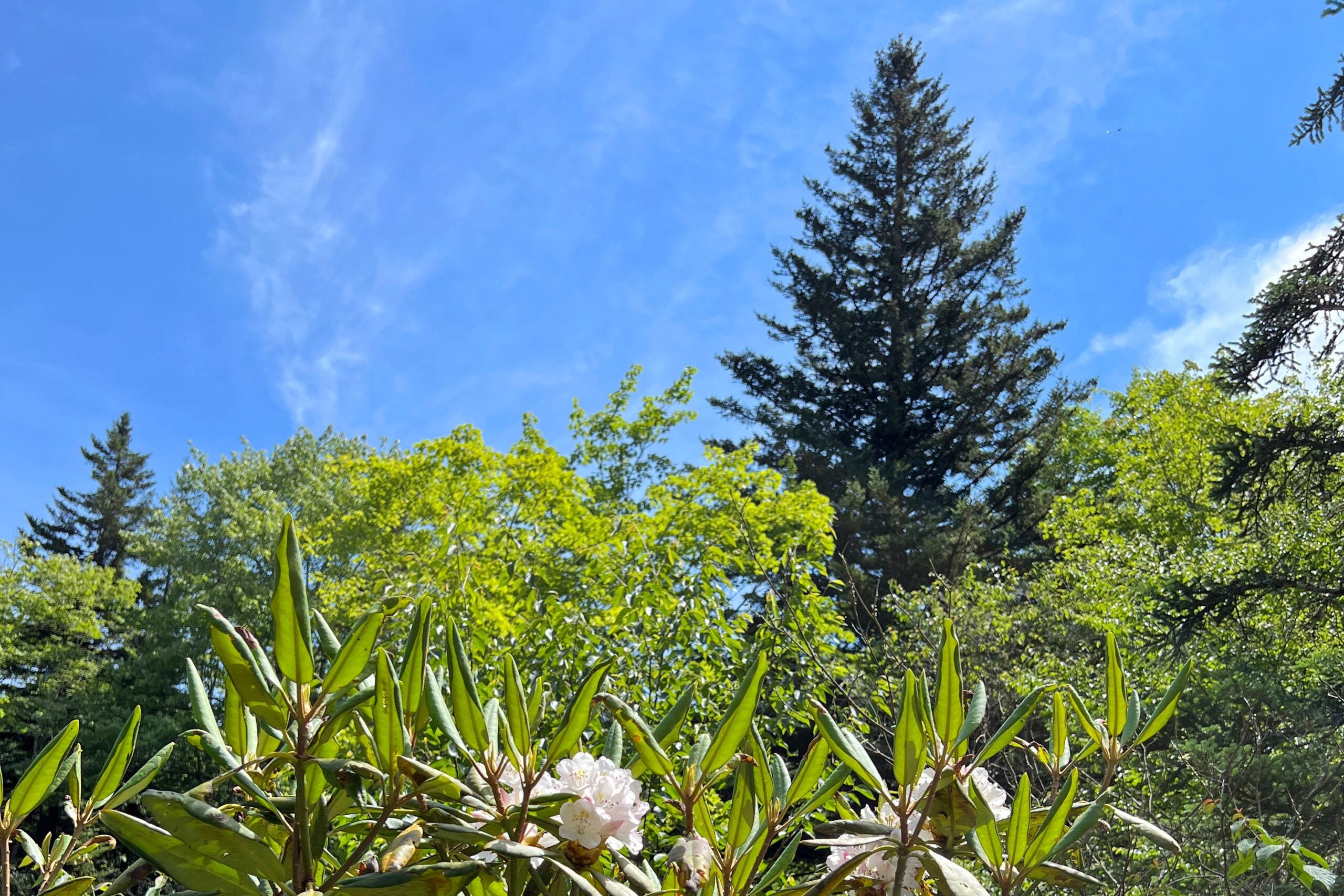
JL: OK, in the plant category. We learned the plight of the red spruce tree found northeast of us in Pennsylvania. Red spruce can be used for lumber. It makes great musical instruments. Red spruce provides food and cover for various mammals and birds.
SP: It likes cool, high elevations with moist cloud cover. Climate change is threatening their survival in our state because it’s threatening the microclimate that they rely on. The overall health of the red spruce seems to be declining also due to pollution, and they are impacted by several insects. So this tree is extremely vulnerable on this list.
JL: Susan, did you know Pennsylvania has a state amphibian?
SP: Yes, the famous eastern hellbender. So this is actually a salamander. But if you haven’t ever seen one, just listen to a few nicknames for it: snot otter, devil dog, old lasagna sides. It’s got this flat head, a wrinkled body, and a paddle-shaped tail, so it looks prehistoric and weird. It’s actually existed for millions of years, and they can live for more than 30 years.
JL: Well, it says these little snot otters are found in waterways in the central and western part of Pennsylvania.
SP: And they need clean, cool water. They can’t easily adapt to a changing climate, and they have declined so much, 59% in the last six years actually, that the [U.S.] Fish and Wildlife Service has proposed listing them under the Endangered Species Act. They are very well adapted to their little microclimates and waterways in western Pennsylvania, and they just can’t move easily when the temperatures change.
They’ve also been illegally collected from the wild, and that’s just not good.
JL: You know, when I was a kid, we would wade around in the creek near our house and bring back little critters like maybe a turtle ’til our parents would be really upset and say, you’ve got to take this back into the woods now.
SP: I took a turtle in for show and tell one day. It’s just not a good idea and can be actually illegal if the turtle is native and endangered.
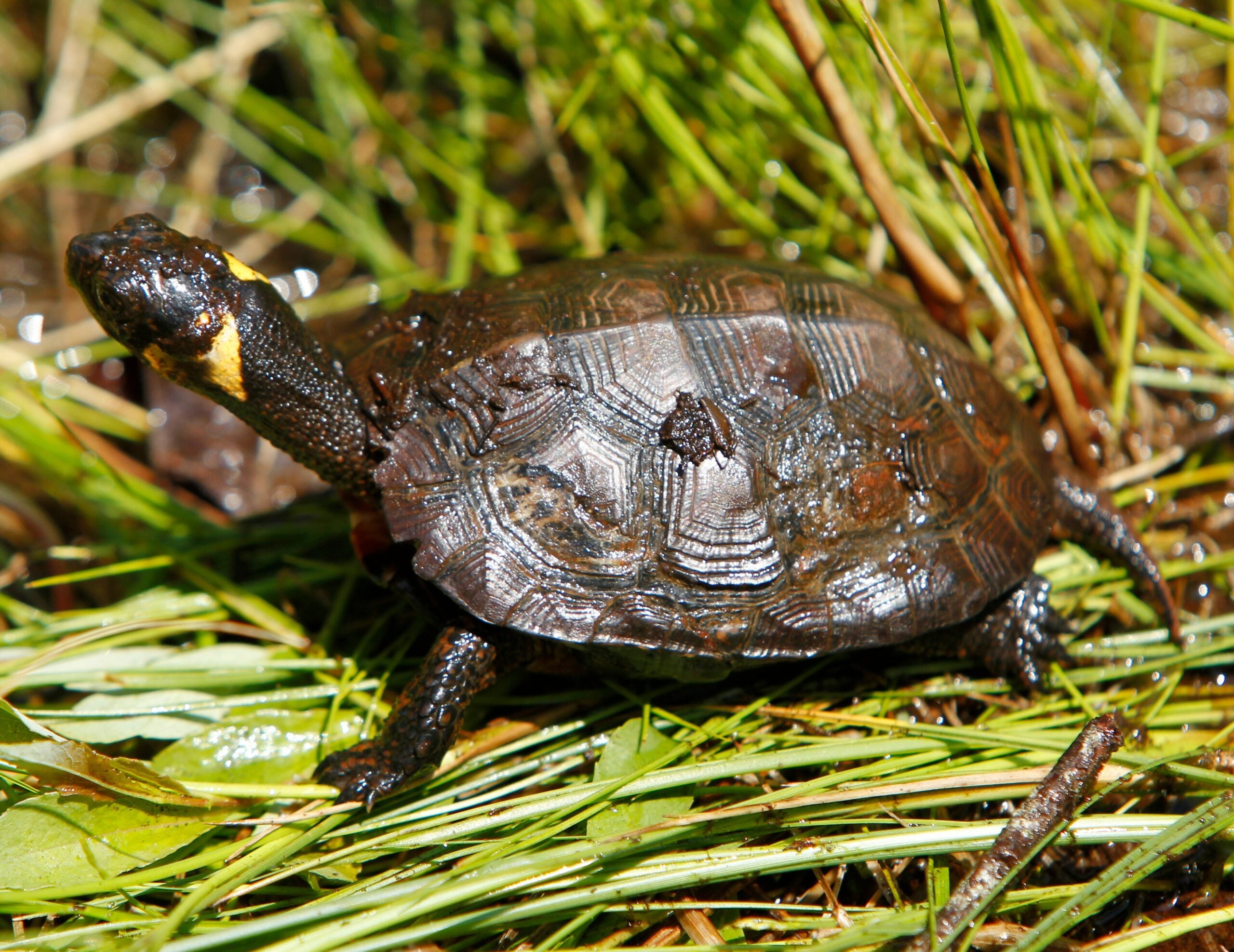
So let’s talk about the bog turtle. It’s actually New Jersey’s state reptile. Again, these little critters don’t adapt well, and like the hellbender, they are illegally taken as pets.
The bog turtle is tiny. An adult fits into the palm of your hand, and when they are born, they’re only the size of your thumb. So they’re so cute and really cool looking, they have these bright orange and yellow spots on their neck, like a little necklace, and they don’t snap at you. So you can understand why people want to take them home, but again, it’s not a good idea. And it’s actually illegal.
JL: What makes them extremely vulnerable in this list?
SP: They can’t move very well to a better climate, but they’re also eaten by raccoons. The other thing is humans often step on them while they’re hiking because they don’t see them. And they really need to move to a cooler climate, but like the hellbender, they have a hard time getting there in part because of everything we’ve built, like roads, developments, etc.
They’ve actually been on the endangered species list since 1974, and climate change could really deplete their population.
Related Content
Proposed changes include allowing the government to consider the economic impact before deciding whether a species should be considered endangered.
9 months ago
Listen 1:17JL: You know, while looking at this list, there are a number of these species that live in wetlands that are extremely vulnerable.
SP: Yes, so there’s this bush called the bog laurel. It’s really rare. It only exists in a few places in the state. It’s got pink flowers. It’s an evergreen shrub, and the flowers appear in late May to June. It’s related to the mountain laurel and grows in bogs and peaty wetlands in Northeastern Pennsylvania.
Again, at high elevations in these microclimates that are cooler, it’s very sensitive to temperature changes and changes in moisture. They also grow in the Spruce Flats Bogs in Westmoreland County, but they can’t move very well, very easily. And you know, one thing to note, Jennifer, is that the evergreen leaves are highly toxic, so do not eat them.
JL: The Pennsylvania Natural Heritage Program also names species that are in a better spot. They’re listed as stable. Here are some: the worm-eating warbler, the northern baron’s tiger beetle, and the snowshoe hare are in pretty good condition.
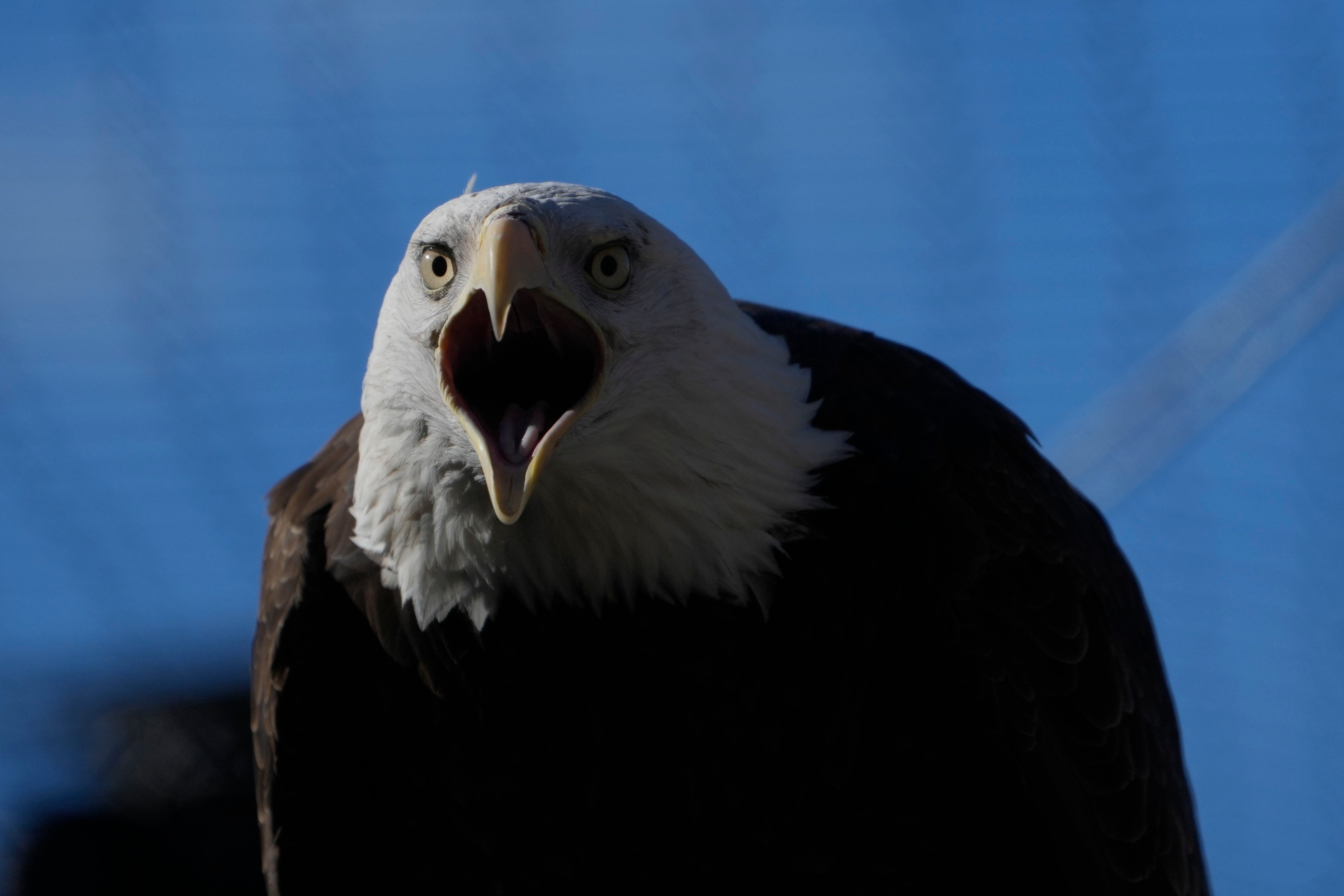
SP: Well, there’s a lot of things that are not on this list, fortunately, but I just wanted to point out the bald eagle.
We see them flying around the city all the time. In fact, I just saw a juvenile bald eagle outside of WHYY the other day flying around Independence Mall.
This is a species that actually has come back from near extinction.
JL: Yeah, having more eagles is directly linked to the success of some of those laws passed in the ’70s. Well very good, thanks for chatting about these critters and some of the flora of Pennsylvania.

Get daily updates from WHYY News!
WHYY is your source for fact-based, in-depth journalism and information. As a nonprofit organization, we rely on financial support from readers like you. Please give today.
Part of the series
Camden nonprofit plans to keep bus riders cool with shade and pollinator gardens
Neighborhood Collaborative Community Gardens’ bus shelters will include shade trees, pollinator-friendly plants and air quality monitors.
3 days ago
Listen 1:11
Plymouth Township, Conshohocken-area residents shout, boo, as hearing for data center begins
Residents say they’re concerned the new data center will reduce property values and impact their quality of life in the suburban Pennsylvania towns.
5 days ago
Environmentalists petition New Jersey over horseshoe crab bloodletting
The horseshoe crab’s blood helps test the sterility of medical products.
6 days ago