

Trump administration drops demand for Penn records identifying Jewish faculty and staff
The settlement resolves dispute over employee records sought in the EEOC's antisemitism investigation, but the agency's broader probe will continue.
Listen 1:06
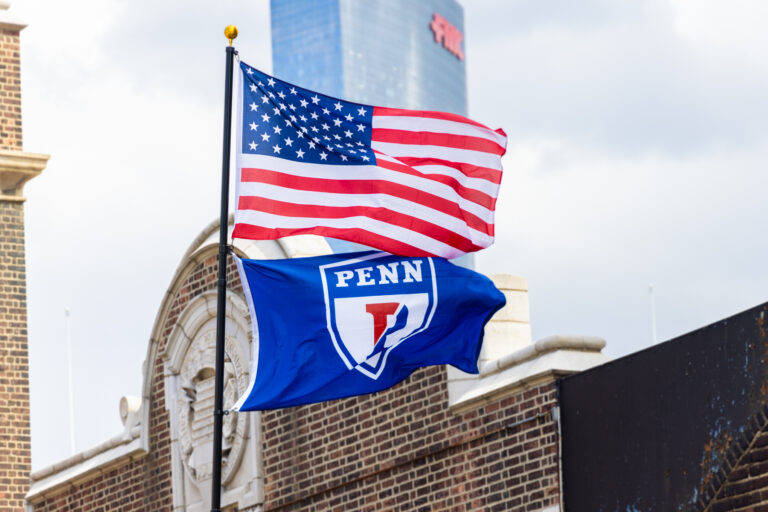
Flags fly at the University of Pennsylvania’s athletic stadium and sports medicine center. (Kimberly Paynter/WHYY)
From Philly and the Pa. suburbs to South Jersey and Delaware, what would you like WHYY News to cover? Let us know!
The Trump administration’s Equal Employment Opportunity Commission has dropped its controversial demand that the University of Pennsylvania provide records related to all Jewish faculty and staff as part of its investigation into alleged antisemitism on campus.
In return, Penn has agreed to dismiss its appeal to the 3rd Circuit, possibly ending a monthslong legal battle over whether the federal government could compel the university to identify employees based on their religious affiliation or national origin.
Penn claimed victory with the latest agreement, saying the action “vindicated” the university.
“With the support of many members of the community who have stood with Penn throughout, the University has been able to protect its employees’ rights and none of the subpoenaed personal contact information was disclosed,” a Penn spokesperson said in an email to WHYY Nnews.
The EEOC launched an inquiry into Penn in late 2023, after learning of allegations of antisemitism at the Ivy League school following the Oct. 7, 2023 Hamas attack on Israel, Israel’s war in Gaza and the wave of protests that followed. Then-President Liz Magill was called on to testify before Congress about antisemitism on campus in December 2023, along with other university presidents. Days later, she resigned under pressure.
Related Content

The judge paused his own order, writing that while the university is unlikely to win its appeal, the delay will not harm a federal investigation.
5 months ago
Listen 0:57After taking office again in January 2025, President Donald Trump pressured Penn and other universities to conform and adopt his political priorities on admissions, women’s sports, free speech and other demands.
Nevertheless, Penn resisted and, soon after, the EEOC filed subpoenas for records including those related to Jewish faculty and campus organizations. While the university agreed to much of the investigative process, they fought the subpoena for records, sending the case to federal court.
Faculty groups, Jewish organizations and civil rights advocates sided with the university, citing historical implications of government efforts to identify individuals based on religion.
However, the federal court sided with the EEOC, finding that Congress gave the EEOC broad subpoena authority when investigating possible workplace discrimination. The university appealed, putting the request on hold.
Related Content

The city and activists have vowed to continue the legal fight to restore the original panels that focused on the nine enslaved people held by George Washington at the site.
3 months ago
Listen 1:08The latest resolution agreement between the parties means that the university will not have to submit those records. Yet, the government has only withdrawn the portion of its subpoena seeking records identifying Jewish faculty and staff, meaning the EEOC investigation is not fully resolved.
Given the university merely opposed the records request rather than the investigation overall, the appeal is now moot. The university said it provided information to the EEOC “where community members consented to the disclosure.”
“Penn remains committed to fighting antisemitism and all other forms of discrimination, to ensure everyone it serves can learn, work, and thrive,” the university said in the email.
Editor’s note: This story was updated to include the University of Pennsylvania’s response to a request for comment.

Get daily updates from WHYY News!
WHYY is your source for fact-based, in-depth journalism and information. As a nonprofit organization, we rely on financial support from readers like you. Please give today.
Part of the series

ICE mandatory detention policy is unlawful, federal appeals court in Philly rules
Under the Trump administration policy, ICE has sought to detain nearly all undocumented immigrants and deny them bond hearings.
1 month ago
Listen 1:06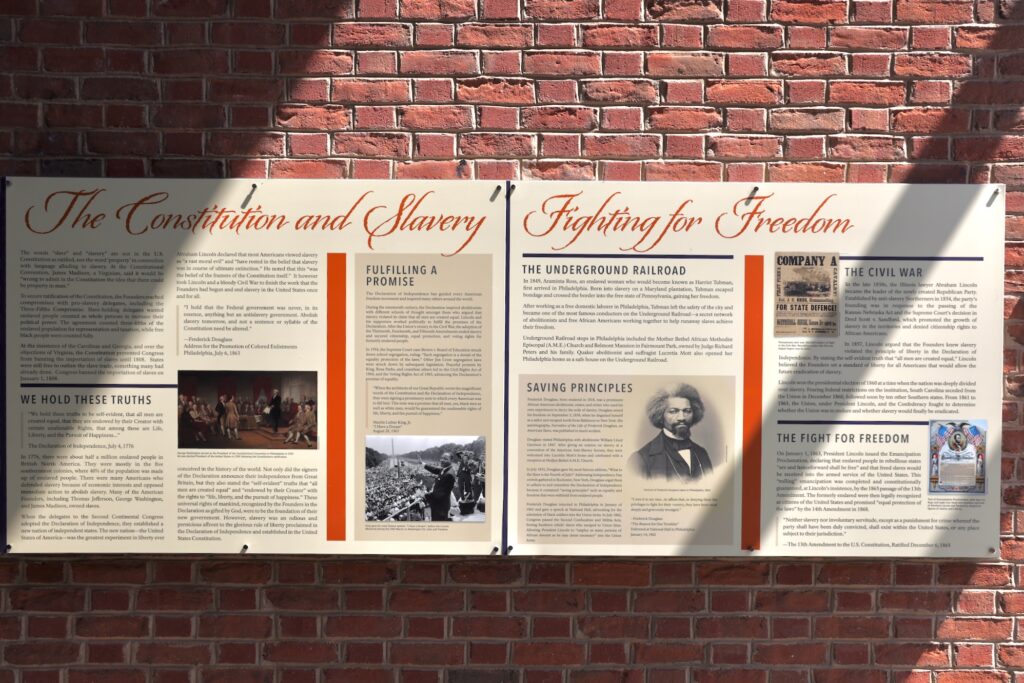
Philadelphia asks appeals court for rare review of President’s House ruling
The city argues the decision created a “Catch-22” that could allow federal agencies to carry out consequential actions while avoiding judicial review.
2 months ago
Listen 0:54
Federal immigration enforcement agents have begun arresting people with expired visas at airports across the country.
2 months ago
Listen 1:45