

Homeownership rates among Philadelphia seniors remains high, but older renters face heavier cost burden
Some older Philadelphians are turning to each other for support in finding affordable housing options as they age.
Listen 1:16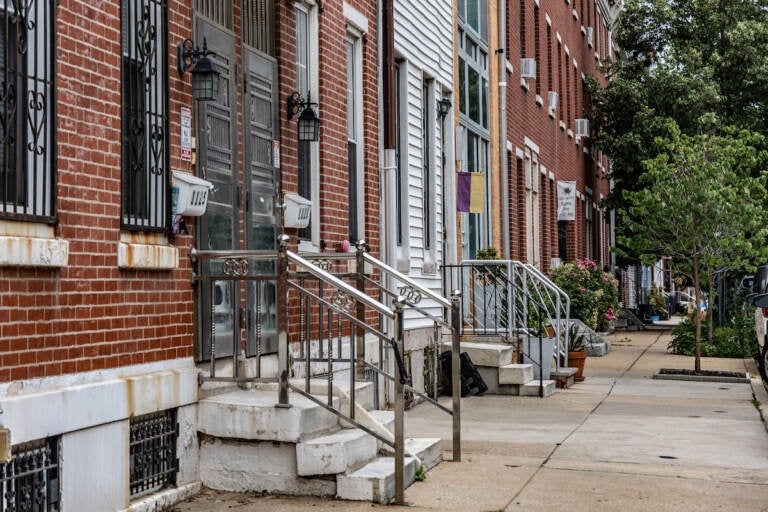
File photo: Rowhomes in Philadelphia’s Spring Garden neighborhood. (Kimberly Paynter/WHYY)
From Philly and the Pa. suburbs to South Jersey and Delaware, what would you like WHYY News to cover? Let us know!
A majority of Philadelphia seniors are homeowners — about 69% — while a smaller percentage rent, research shows.
But more than a third of the city’s 65 and older population live at or below the federal poverty line, according to data from the Pew Charitable Trusts, which can make it difficult for homeowners and renters alike to find affordable housing on limited fixed incomes.
Some seniors are turning to each other for support while city and state leaders try to increase awareness about programs that help aging residents stay in their homes and communities.
Seniors, aging advocates and policy makers discussed these challenges and potential solutions during a WHYY Bridging Blocks community event at the Parkway Central Library.
A Pew report released in November found that the level of housing cost burden was “far higher” for older renters compared to homeowners. But Edward T. Johnson, 66, said it can still be tough for seniors who’ve purchased homes.
Johnson lives in the Cecil B. Moore neighborhood in a townhouse he bought in 1999.
“If your house is paid for, that’s one half of the battle. The other half is the upkeep,” he said. “If they own a home, they can’t pay for repairs, they cannot pay even if they have equity in their house, they cannot pay back the loans, then they are cash strapped.”
Now retired, Johnson is living off a pension and Social Security income. He can afford the costs that come with being a homeowner, but said he knows that’s not the case for many others.
Recently, he invited a longtime friend who had suffered from a stroke to come live with him. They now share some of the expenses of daily living.
“We’re both retired, so I don’t charge him hardly nothing to pay,” Johnson said. “He can save some money, and I can save some money, OK. That’s the whole idea.”
Related Content
PHA, building trades unions strike deal to rebuild shuttered Brith Sholom House
PHA announced a $100 million agreement to restore the apartment tower in Wynnefield Heights, creating “deeply affordable” senior housing and hundreds of jobs.
3 months ago
Listen 1:18That’s the same idea behind initiatives like the Pennsylvania Department of Aging’s Shared Housing and Resource Exchange Program, which pairs older homeowners with older renters seeking affordable housing.
The program is also open to people with disabilities, veterans, college students, those at risk of homelessness, single parents and others.
Other options include the Philadelphia Corporation for Aging’s Domiciliary Care Program, which matches homeowners with seniors who are unable to live fully independently because of physical or behavioral challenges, but do not need 24-hour care.
City aging officials are also trying to raise awareness about other programs like the Senior Housing Assistance Repair Program, which helps homeowners 60 and older make minor repairs and modifications to their homes, and tools like One Philly Front Door, which can help older residents searching for housing assistance and other social services based on their specific circumstances.
WHYY’s Bridging Blocks partners with the Free Library of Philadelphia and other organizations to host community conversations across the region throughout the year.

Get daily updates from WHYY News!
WHYY is your source for fact-based, in-depth journalism and information. As a nonprofit organization, we rely on financial support from readers like you. Please give today.
Part of the series


Retirement among Philadelphians not a ‘one-size-fits-all’ experience, new Pew report shows
Daily costs of living, health insurance, workplace changes and caretaking responsibilities are among factors in retirement decisions.
1 week ago
Listen 1:13
Members of the 40+ Double Dutch subclub in the West Oak Lane neighborhood celebrate aging, fitness and sisterhood during weekly meetups.
4 months ago
Listen 2:03
Pennsylvania launches free statewide legal support program for grandparents raising grandchildren
The statewide free legal line, staffed by attorneys at the SeniorLAW Center, will provide advice and resources to help families navigate the court system.
7 months ago
Listen 1:15