

‘ICE Out’ in Philly: Advocates are filling in the gaps where they say the city has fallen short
Immigrant advocacy groups say many residents don’t fully understand what protections the legislation provides or how the city is enforcing the new laws.
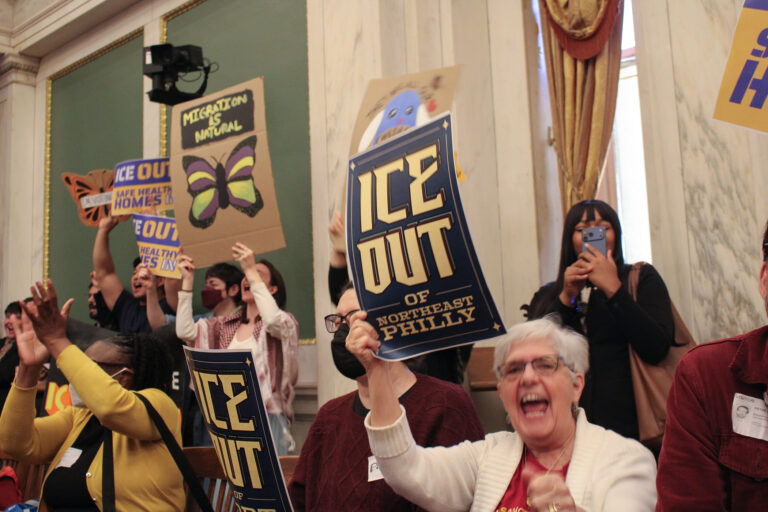
Supporters of Philadelphia City Council's "ICE Out" legislative package celebrated at City Hall during the final vote on Thursday, April 23, 2026. (Emily Neil/WHYY News)
ICE latest: What to know
- ‘ICE Out’ in Philly: Here’s what to know about ICE-related legislation in the city.
- ICE cooperation: WHYY News explores what immigration agreements are in place in Philly, the suburbs, New Jersey and Delaware.
- Legal protections: Here’s what to know if you’re an immigrant living in Philly. Plus, advocacy groups share what to know if you are stopped by federal immigration agents.
Philadelphia’s new “ICE Out” laws place new limits on federal immigration enforcement activity in city-owned spaces and restrict how city employees can cooperate with immigration agents. But more than a month after the laws took effect, immigrant advocacy groups say many residents still don’t know what protections they provide or how the city is enforcing them.
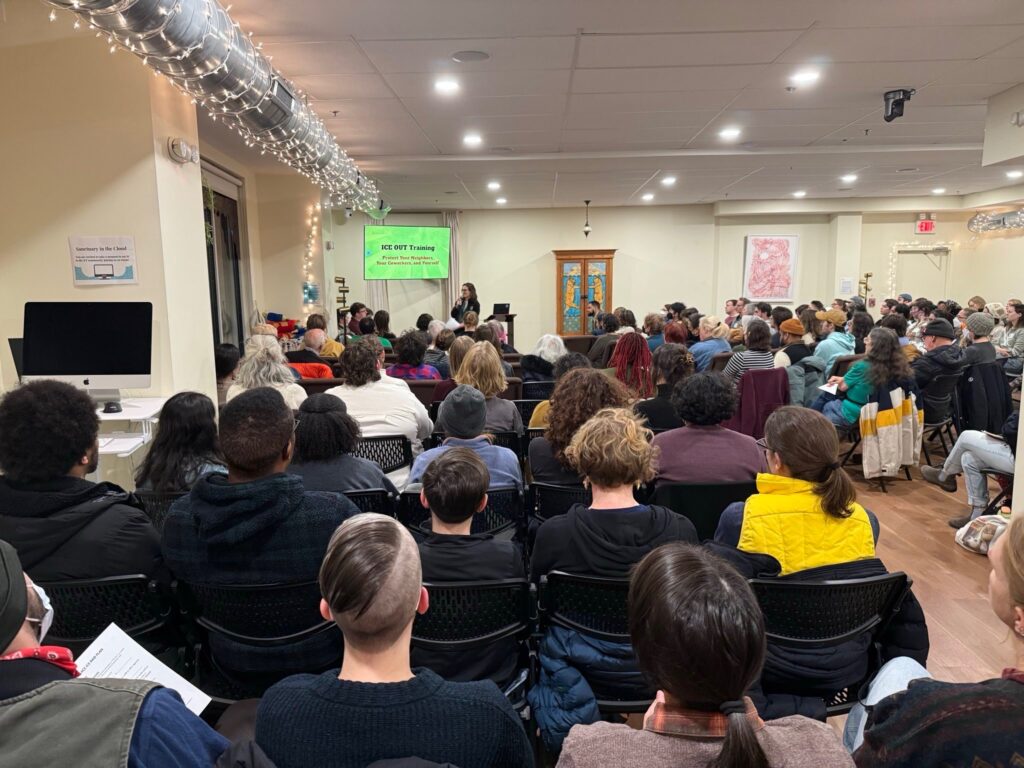
Eight community organizations sought to fill that gap Tuesday night with a training at Folk Arts-Cultural Treasures Charter School, where residents learned what the laws cover, where they apply and what to do if they believe city employees have violated them.
The training was organized by the Pennsylvania Immigration Coalition, Asian Americans United, Juntos, VietLead, New Sanctuary Movement, The Domestic Workers Alliance, Victim/Witness Services of South Philadelphia and Make the Road Pennsylvania.
Among other provisions, the laws restrict ICE agents from entering city-owned spaces without a judicial warrant and limit when city employees can assist federal immigration authorities.
Elena Emelchin Brunner, an immigration justice organizer at Asian Americans United, said the goals of the legislation are to keep the community safe while ensuring local resources stay focused on local needs.
“We started meeting over a year ago with a couple different immigration justice organizations and some of the lawyers that we work with, and we wanted a way to at least protect our community members as much as possible, especially in places that are public and are paid for by our public tax dollars,” Emelchin Brunner said.
Related Content
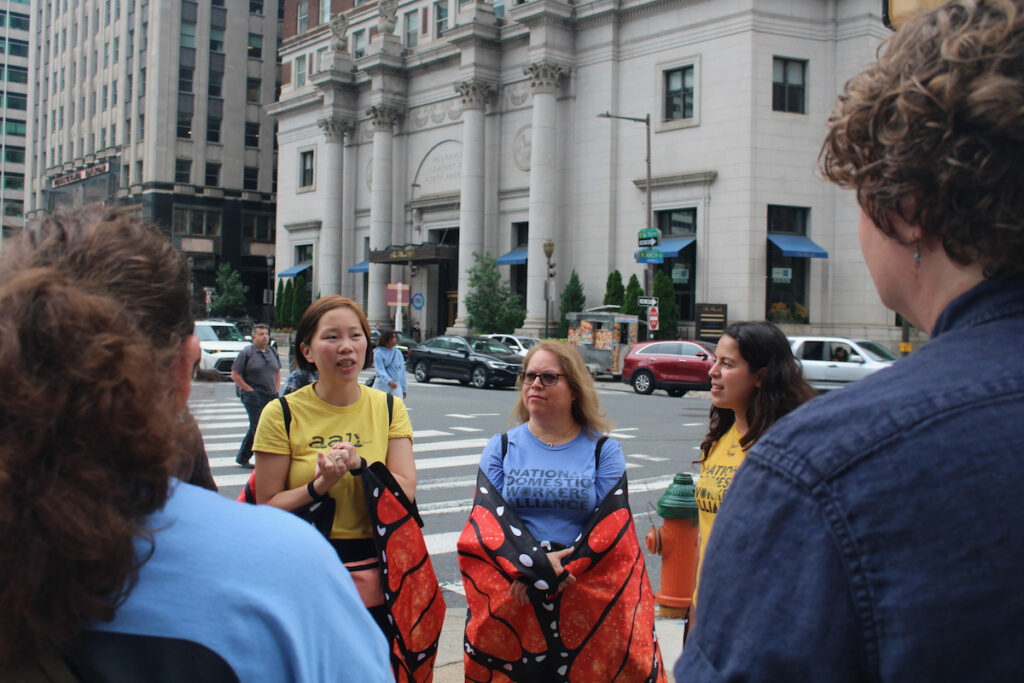
Philadelphia Mayor Cherelle Parker needs to do more to enforce ‘ICE Out’ legislation, activists say
Immigrant rights groups on Tuesday requested a meeting with Parker and outlined what actions her administration should take to implement the new laws.
2 months ago
Listen 1:12‘We need the city to step up’
Emelchin Brunner led the training with Caitlin Barry, an immigration lawyer and law professor at Villanova University. They walked community members through the package’s restrictions and how they translate into practice, including which spaces the laws cover, which situations fall outside their protections and what residents can do if they witness a potential violation.
The session included an exercise testing attendees’ understanding of the new rules. Emelchin Brunner and Barry presented scenarios involving ICE interactions with city employees and community members, and attendees indicated with signs whether they believed the conduct was permitted under the “ICE Out” laws.
Training participants came from a wide variety of age groups and communities. Vivian Chang, executive director of Asian Americans United, said community organizations are hosting the sessions because residents are looking for information about them that she believes the city has not adequately provided about how the laws are being implemented.
“People really need this information,” Chang said. “Yes, they’re hungry for it, but it also is just a huge gap in what’s not being provided, so unfortunately, community organizations have to provide it. We’re glad to do it, but also what we really need is the city to step up and enforce these laws.”
Related Content
The “Know Your Rights” trainings, which have served over 1,000 people, provide information and tactics. Residents say they’re needed and useful.
9 months ago
Rhiannon Newcomer, a member of Concerned Pilipino Americans in Philadelphia, attended the training to learn more about what comes next. CPAP works with migrant communities and has been distributing flyers about the legislation, which Newcomer said people are confused about.
“My biggest takeaway from this is, there’s just a lot of unanswered questions, and the city is not telling people what’s happening,” Newcomer said. “I think we were able to get a good understanding of where [ICE] can be, where can they not be, but a lot of things seem vague.”
Barry said the next necessary step is the city fully enforcing the legislation and communicating how they’re doing it. On Tuesday at noon, immigration justice groups are holding a press conference at Philadelphia City Hall to demand transparency about the legislation’s implementation, training for city employees and a clear way to file policy violations, among other requests.
“It was this really vast coalition of organizations who decided together what was going to be the best policy that we could possibly ask for from the city, and then they were successful in passing it, which was incredible,” Barry said. “It’s a really huge expansion of what the city’s policy had been before, which is really incredibly exciting. Now, we just need to see the city actually implement it throughout city government.”

Never miss a moment with the WHYY Listen App!


WHYY is your source for fact-based, in-depth journalism and information. As a nonprofit organization, we rely on financial support from readers like you. Please give today.
Part of the series
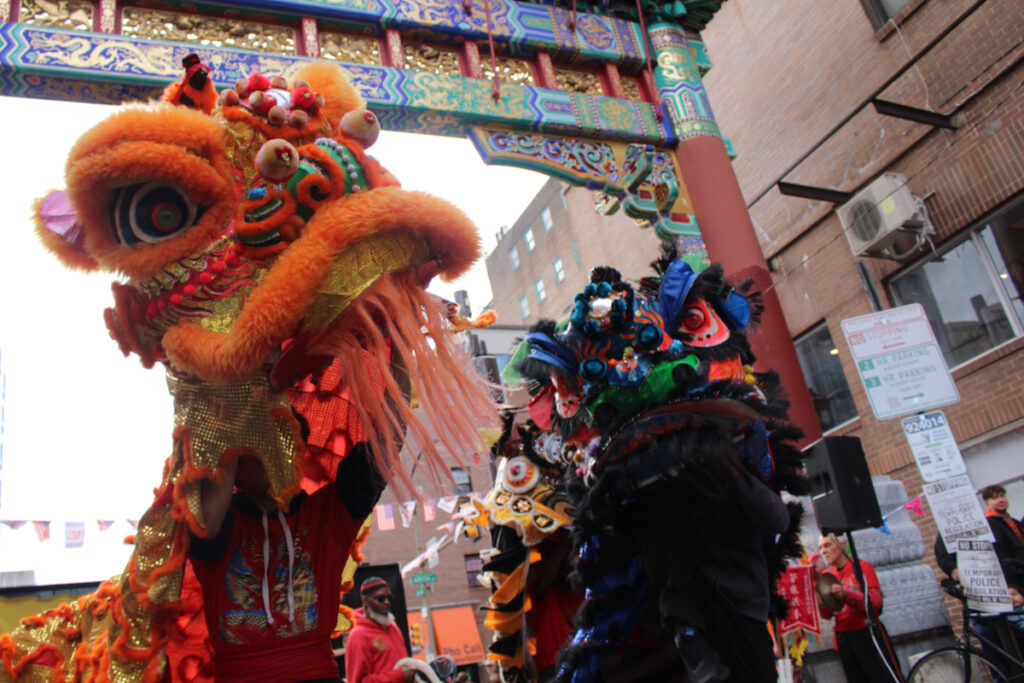
Philadelphia’s Chinatown celebrates resilience, immigrant rights at Mid-Autumn Festival
Asian Americans United founded the festival in 1995 to mark the holiday, celebrated widely across Asia, that honors family reunions and the end of harvest season.
3 days ago
Listen 0:58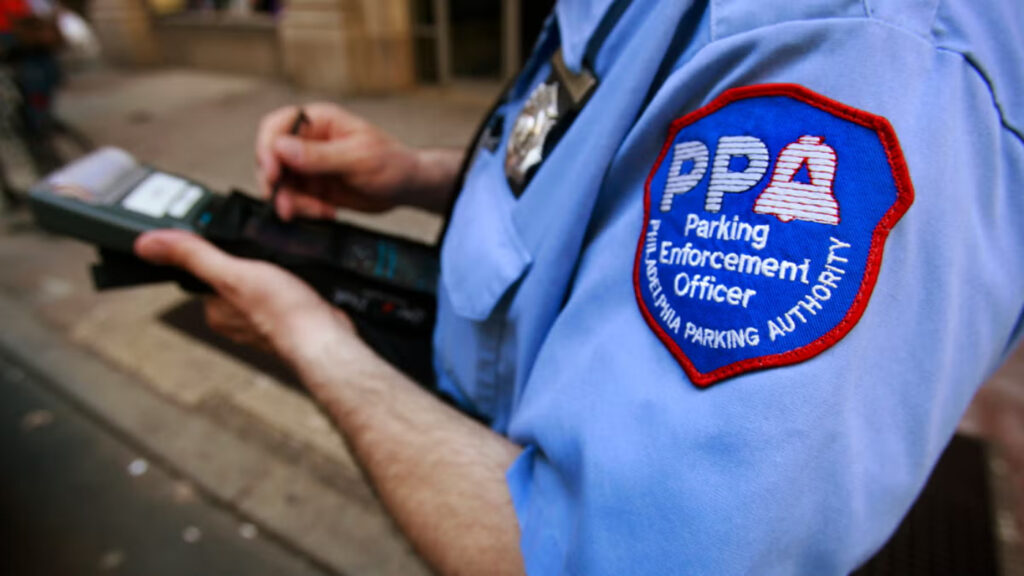
Protesters call on Philadelphia Parking Authority to end parking contract with DHS
Protesters urged the agency to end its contract with the Department of Homeland Security, which oversees ICE.
3 weeks ago
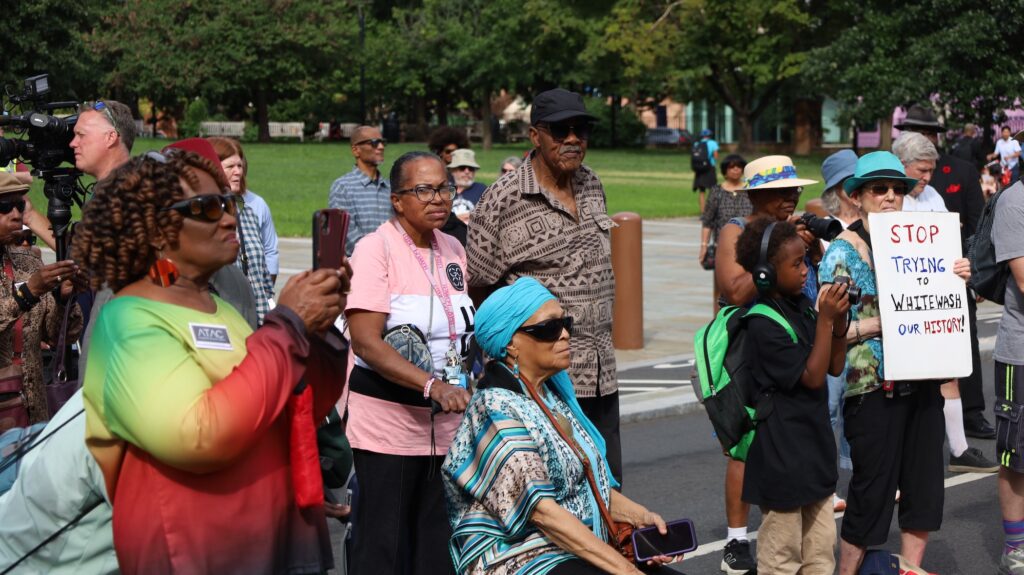
Amid a dispute between federal and city officials over the site’s slavery exhibit, the gathering marked the anniversary of enslaved Africans’ arrival in America in 1619.
1 month ago
Listen 1:29