

Protesters call on Philadelphia Parking Authority to end parking contract with DHS
Protesters urged the agency to end its contract with the Department of Homeland Security, which oversees ICE.
ICE latest: What to know
- ‘ICE Out’ in Philly: Here’s what to know about ICE-related legislation in the city.
- ICE cooperation: WHYY News explores what immigration agreements are in place in Philly, the suburbs, New Jersey and Delaware.
- Legal protections: Here’s what to know if you’re an immigrant living in Philly. Plus, advocacy groups share what to know if you are stopped by federal immigration agents.
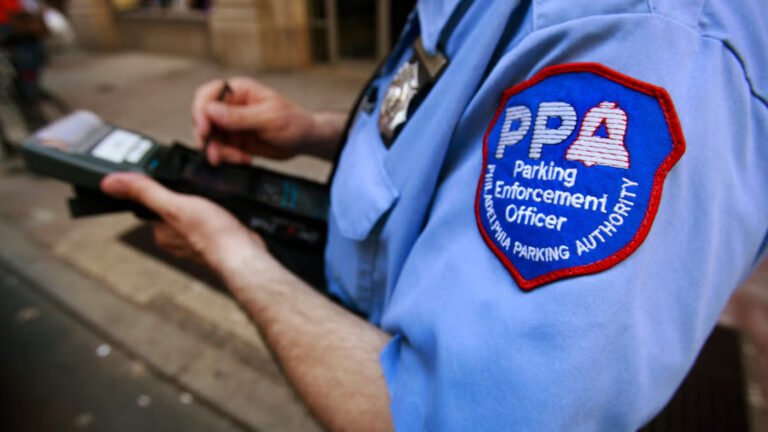
People packed the Philadelphia Parking Authority’s Market Street boardroom Tuesday morning to voice opposition to a variety of policies, and most of all, the PPA’s parking contract with the Department of Homeland Security.
In September 2025, the PPA entered into a one-year contract with DHS to provide 16 indoor parking spaces for $53,520 at federally owned facilities managed by the parking authority..
The contract has become the focus of protests calling on the parking authority to cut ties with the federal agency, which oversees Immigration and Customs Enforcement.
“I was raised to think, ‘How will our actions be judged by our descendants?’” said Rev. Jay Bergen, a pastor at Germantown Mennonite Church and volunteer with NO ICE Philadelphia.
“I’d rather not be here today,” they stated, “but I am because I am accountable to the congregation I serve, my family and my 2-year-old nephew who, in a few years, will ask, ‘What did you do while ICE agents rounded up your neighbors?’”
The cost of ICE maintaining parking for 16 vehicles in Philadelphia, Bergen argued, far outweighs whatever potential actions the Trump administration may take in response to a nonrenewal of contract.
However, Bergen reiterated a fact that is difficult to overlook: Philadelphia has taken an increasingly strong stance against ICE, recently passing a sweeping package of legislation aimed at limiting the federal agency’s operations and the city’s cooperation with it.
Jack McCurnin, who works with intellectually disabled individuals in Langhorne, Pennsylvania, said ICE’s continued presence in Philadelphia’s suburbs has had a negative effect on its population.
“ICE, through their offices in Philly, harasses multiple of my residents and their families,” McCurnin said.
“I want you to imagine that you cannot speak, that you’re not from this country,” he said. ”Now, you’ve got an agent of the state; you don’t know what they are; nobody’s explained because they don’t think you can understand. You can’t say words, but you can feel it.”
In all, around a dozen anti-ICE activists attended the meeting. Others who spoke included Miriam Oppenheimer, the granddaughter of Holocaust survivors, who likened ICE’s activities in Philadelphia to those of the Gestapo in Nazi Germany.
The PPA’s contract with DHS expires on Sept. 29. Despite the looming date, it remains unclear what the PPA will do come the end of the month.
Related Content
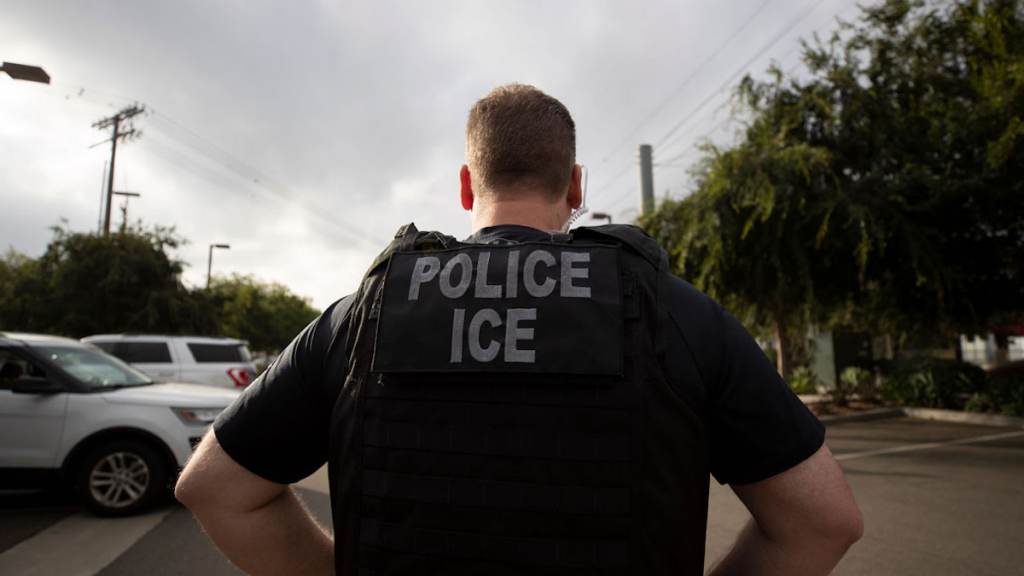
ICE mandatory detention policy is unlawful, federal appeals court in Philly rules
Under the Trump administration policy, ICE has sought to detain nearly all undocumented immigrants and deny them bond hearings.
1 month ago
Listen 1:06Criticism over red light cameras
Also contentious was the PPA’s new red light camera program, which, according to data presented during the board meeting, is on track to generate tens of millions of dollars in revenue this year.
Wanda Walker, a Germantown teacher and entrepreneur, expressed doubt over the intentions of the PPA’s ever-expanding speed camera program.
“If it was about safety, they wouldn’t reduce the speed [limit] and then put up the camera. That’s a setup,” she said.
According to data presented during the meeting, areas where cameras have been installed have seen a 67% reduction in speeding incidents, which the PPA characterized as irrefutable proof of success.
Walker has spent considerable time researching PPA policy and networking with individuals negatively affected by what she views as excessive and arbitrary enforcement.
She recounted one story in which a mother and daughter had their cars impounded the same weekend. Because of financial circumstances, the women couldn’t reclaim their vehicles, which were eventually sold.
PPA policy is to initiate the sale of any unclaimed and impounded vehicles after 21 days.
“People’s lives and safety depend on their cars,” Walker said. “It’s as serious as it gets.”
A common theme of community members’ statements was that the PPA is simply out of step with Philadelphia’s population.
Whether regarding parking spaces sold for less than the market price for a historically unpopular law enforcement agency, fines disproportionate to Philadelphians’ income or new speed cameras in low-income areas, all speakers agreed: The PPA must make meaningful changes, and quickly.
Editor’s note: This story has been updated to clarify that the parking garage is federally owned but managed by the PPA.

Get daily updates from WHYY News!
WHYY is your source for fact-based, in-depth journalism and information. As a nonprofit organization, we rely on financial support from readers like you. Please give today.
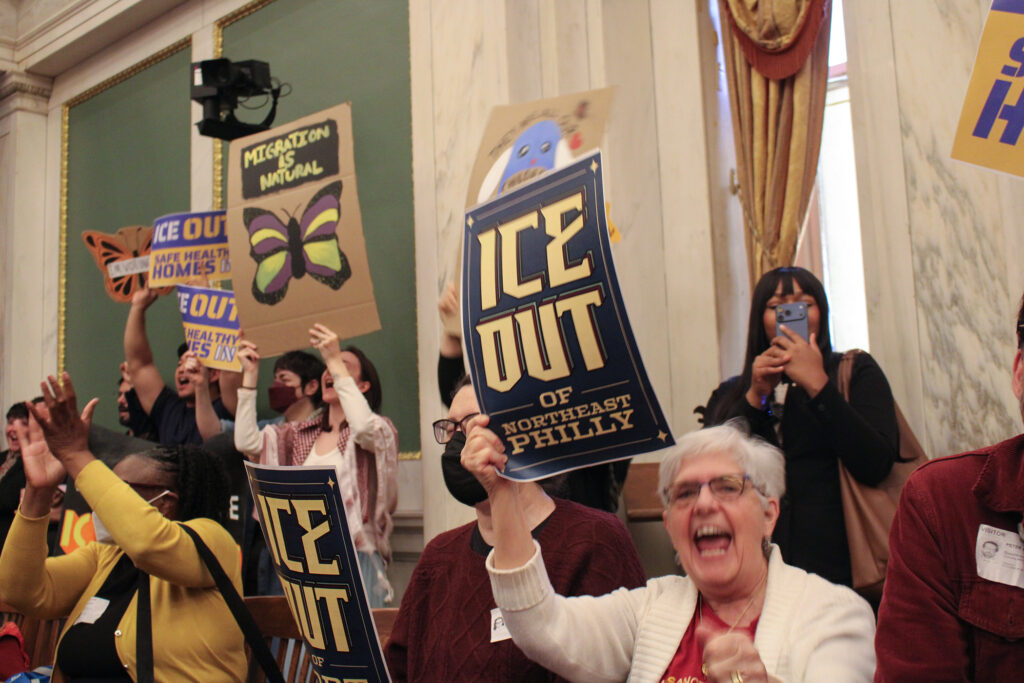
‘ICE Out’ in Philly: Advocates are filling in the gaps where they say the city has fallen short
Immigrant advocacy groups say many residents don’t fully understand what protections the legislation provides or how the city is enforcing the new laws.
2 months ago
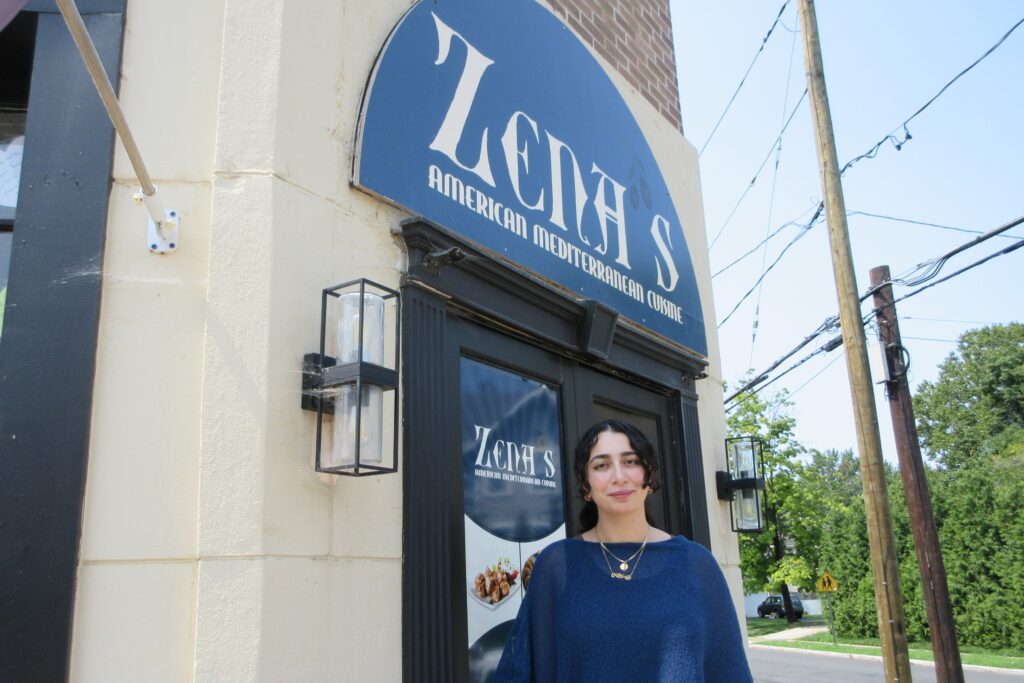
Iemad Saifo, owner of Zena’s, an American-Mediterranean restaurant in Collingswood, is scheduled for a bail hearing Friday morning.
2 months ago
Listen 2:18
Philadelphia Mayor Cherelle Parker needs to do more to enforce ‘ICE Out’ legislation, activists say
Immigrant rights groups on Tuesday requested a meeting with Parker and outlined what actions her administration should take to implement the new laws.
2 months ago
Listen 1:12