At Philly’s ‘No Kings’ protest, a fight for the future
Protesters gathered at satellite election offices in Philly for the fourth 'No Kings' protest against the Trump administration.

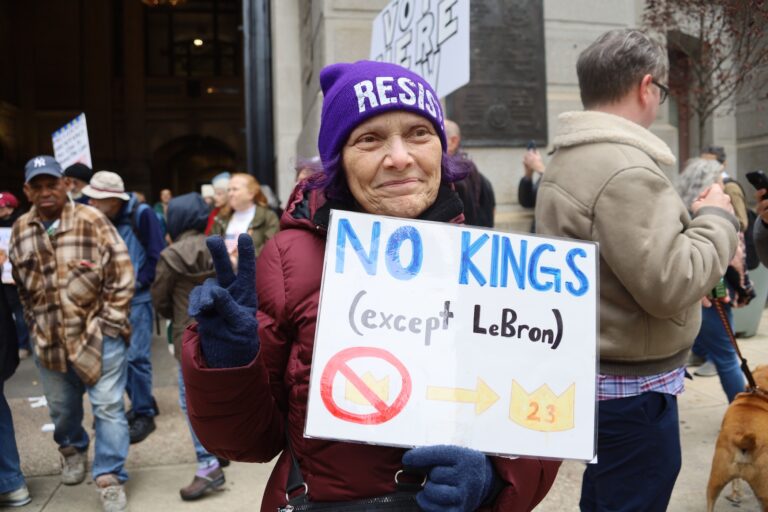
Wendy Foreman, 79, participates in the No Kings” protest in Philadelphia on Saturday, October 17, 2026. (Rana Rastegari/WHYY)
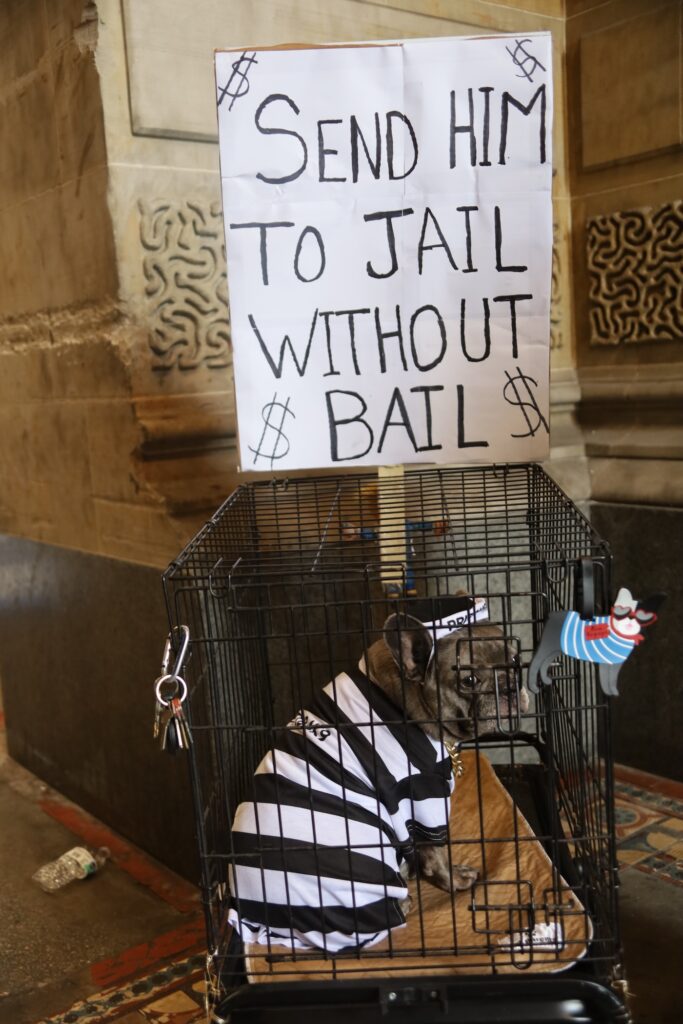
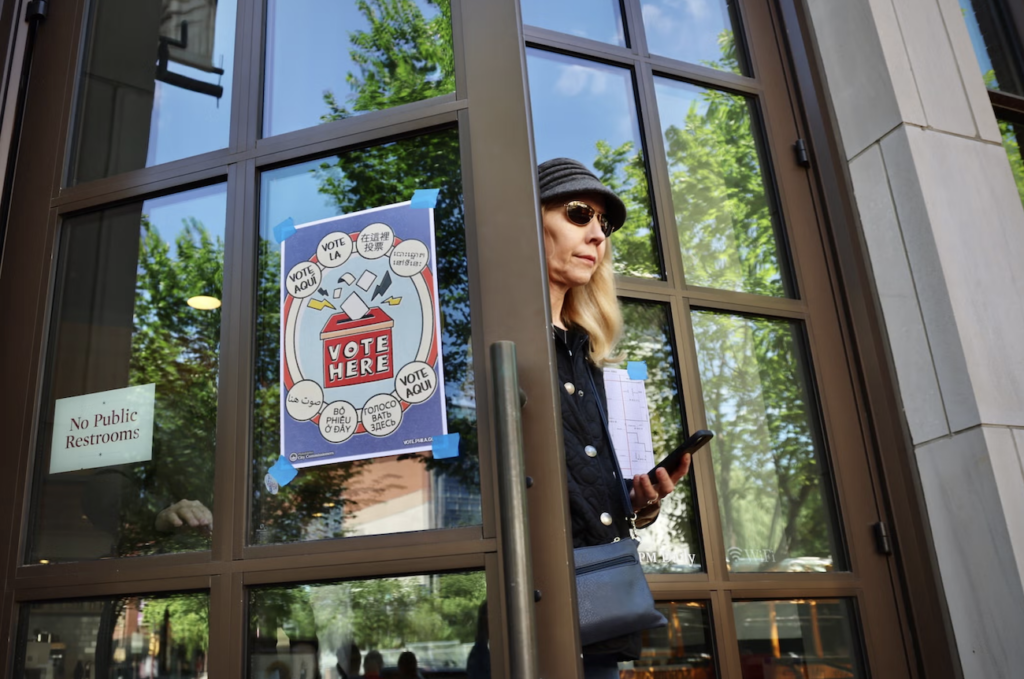
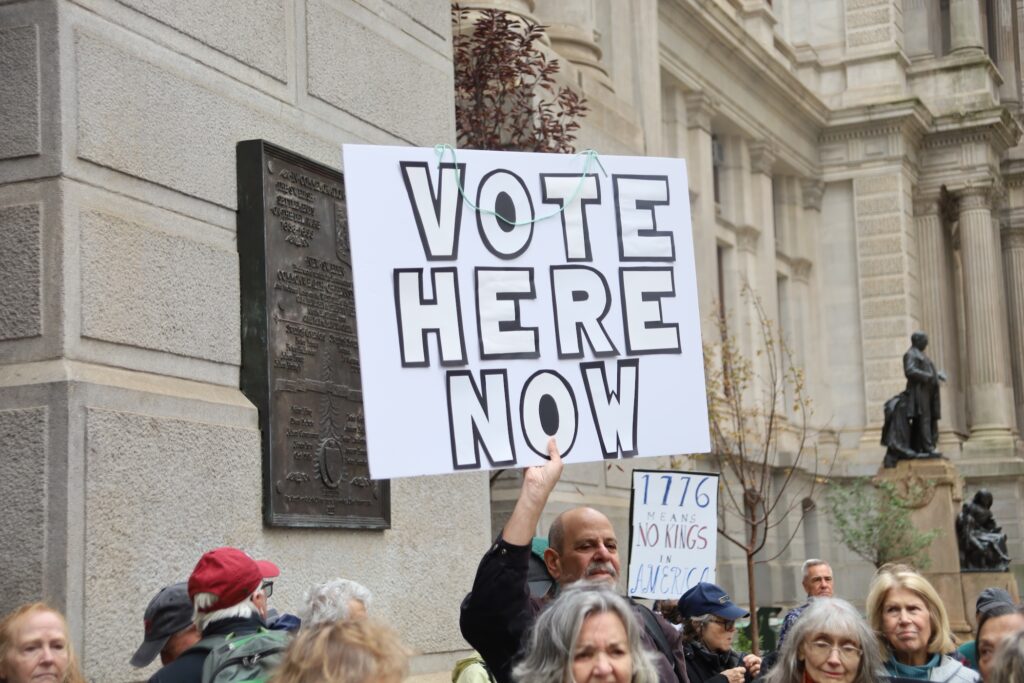
Protesters gathered outside Philadelphia City Hall and at nine satellite election offices on Saturday as part of the nationwide “No Kings” movement, with demonstrations to encourage early voting and increased civic engagement ahead of the Nov. 3 midterm elections.
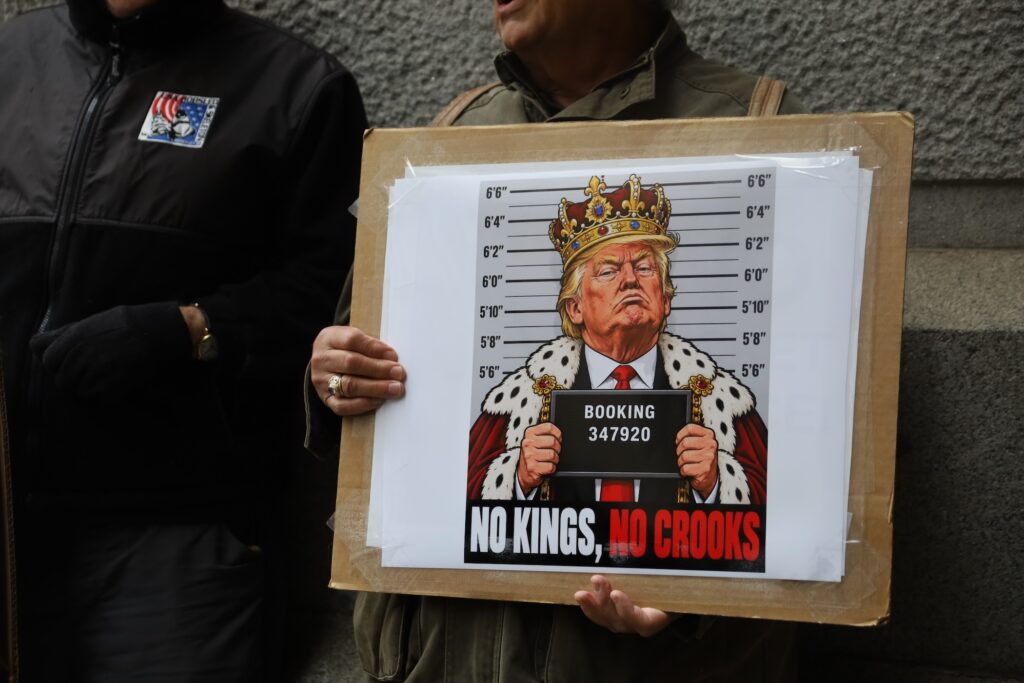
Demonstrators held signs urging residents to vote early and denouncing the federal administration, the war in Iran, and calling for the abolition of the U.S. Immigration and Customs Enforcement. Though many protesters were older adults, the event also highlighted the nation’s future and the importance of young activists and voters.
Wendy Forman, 79, has been an activist since she was 15 years old. She views technology and social media as tools that can help young people learn about political issues and make their voices heard.
“If there had been the internet back in the day, the Vietnam War probably would have been over a lot sooner. Technology helps people find out what’s going on,” she said.
She said that in her youth, protests were organized by mailing posters, whereas mobilizing people is much more efficient now due to social media. For Forman, attending protests such as No Kings and encouraging early voting are ways to advocate for future generations.
“I’m old … we’re on our way out. I feel terrible about the world that I’m leaving for my children and grandchildren but all of the stuff that’s being done is being done without my permission, and [this is] about the best I can do,” she said.
Several protesters said they were hopeful the upcoming midterms would change the course of American politics. Unlike other “No Kings” protests, this demonstration aimed to mobilize voters to elect more Democrats in November.
Jacob and Mia, two 21-year-olds who asked that their last names be withheld for privacy, hadn’t known about the protest beforehand but learned about it while at Jefferson Station and decided to take part.
For Mia, the stakes went beyond just the upcoming election. She said preserving democracy was a major reason she wanted to participate.
“The state of our democracy … is not standing and that is something I personally really want to preserve. It’s what makes the country so great, it’s what brings people together,” Mia said.
Jacob said seeing protesters across generations challenged stereotypes about older people and political ideology. He saw their presence as a sign that people from different generations shared concerns about the country’s future.
“It certainly helps with the stereotype that a lot of conservatives are older people or that mostly older people are conservatives. It’s really nice to hear that [older protestors] actually do care about our future, which is something that you really cannot say for our president right now,” he said.
Jacob also views social media as a beneficial method of rallying young voters. He said online platforms helped publicize the protests.
“I don’t think [“No Kings”] would have the publicity it has right now without social media,” Jacob said.
He said climate change and the war in Iran were among his top concerns heading into the midterms. He said he hopes that electing more Democrats into Congress could change the government’s approach to both issues.
Related Content
Pa. election 2026: Voter guides, key races and more
Election Day is Tuesday, Nov. 3. Here’s what you should know beforehand, from voter deadlines to who’s on the ballot in Philadelphia and statewide.
3 months ago
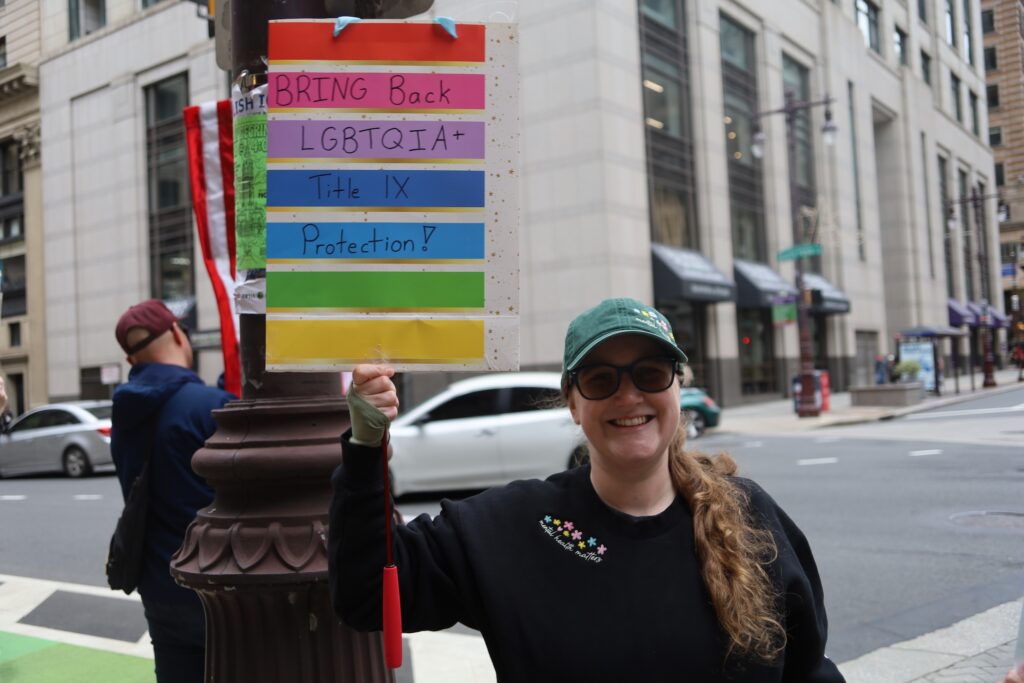
Madison Brewster, a high school teacher in Philadelphia, attended the protest “in solidarity” with her students. She said she was particularly concerned about LGBTQ+ students’ rights under Title IX.
In September, the U.S. Department of Education formally rescinded the 2024 Title IX protections and reinstated the 2020 Trump administration’s rules. The change removes protections given to students based on their gender identity and sexual orientation.
“[This is] impacting my kids. They deserve to be protected in our schools,” Brewster said. “I’m watching my kids’ rights be taken from them and it’s making me very angry”.
As a career planning teacher, Brewster said she worries about the future her students will face as they enter the workforce. She said the rise of artificial intelligence and cuts to diversity, equity and inclusion initiatives will limit their opportunities.
“Right now, a lot of careers are disappearing. AI [and] taking away DEI initiatives are draining nonprofits. If we don’t get [Trump] out of office and get this turned blue, [students are] not going to get to live their dreams out loud. They’re not going to have their dream careers,” she said.
Despite those concerns, Brewster said she is encouraged by young people’s willingness to speak up for themselves. She said she wants her students to understand that their voices matter and that they can help shape the future.
“The youth are truly our future and they are going to come together and the change that we want to see because they are not going to stand for this,” she said.
Editor’s Note: This story is part of a series on Youth Civic Engagement funded by the William Penn Foundation. WHYY News produces independent, fact-based news content for audiences in Greater Philadelphia, Delaware and South Jersey.

Get daily updates from WHYY News!
WHYY is your source for fact-based, in-depth journalism and information. As a nonprofit organization, we rely on financial support from readers like you. Please give today.
Part of the series
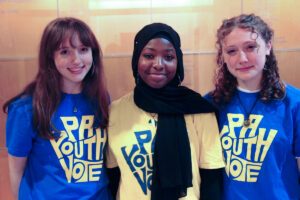
Youth voting
WHYY News explores stories about youth voting as part of its civic dialogue work and to elevate awareness for our future generations.
Funded by William Penn Foundation.
Part of the series
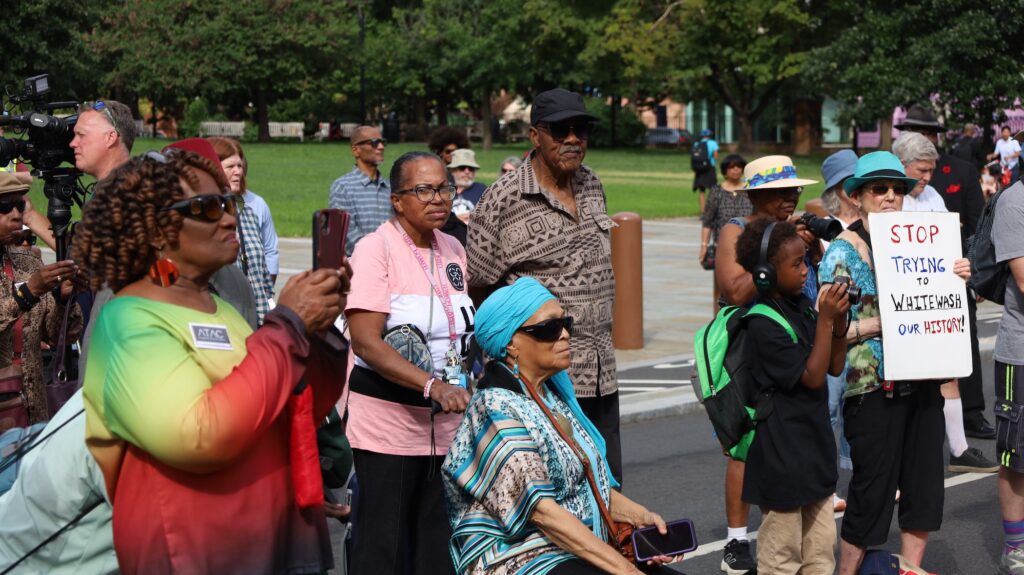
Amid a dispute between federal and city officials over the site’s slavery exhibit, the gathering marked the anniversary of enslaved Africans’ arrival in America in 1619.
3 months ago
Listen 1:29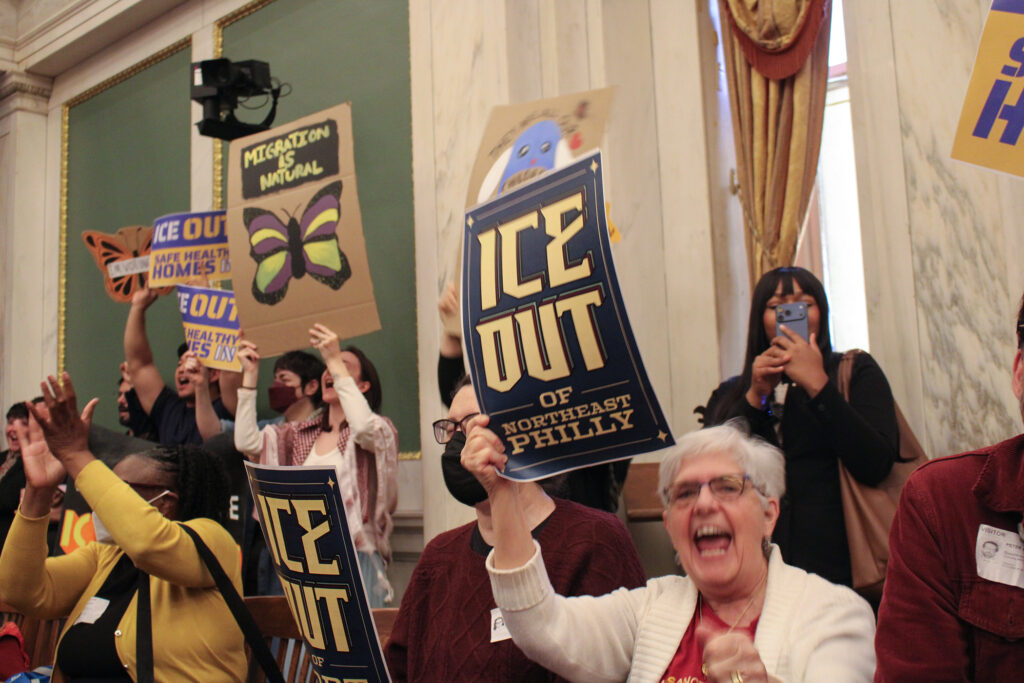
‘ICE Out’ in Philly: Advocates are filling in the gaps where they say the city has fallen short
Immigrant advocacy groups say many residents don’t fully understand what protections the legislation provides or how the city is enforcing the new laws.
3 months ago
Philadelphia Mayor Cherelle Parker needs to do more to enforce ‘ICE Out’ legislation, activists say
Immigrant rights groups on Tuesday requested a meeting with Parker and outlined what actions her administration should take to implement the new laws.
3 months ago
Listen 1:12