

Early heat wave in Philadelphia region sparks concerns about heat-related illness
Heat is the top weather-related cause of death in the U.S.
Listen 1:03

Children play outside a polling place at the East Passyunk Community Center in Philadelphia, Tuesday, May 19, 2026. (AP Photo/Matt Rourke)
How to cope with the Philly heat
- Have questions about enduring extreme heat in Philly? WHYY News has the answers.
- Here’s what a Code Red means for Philly residents.
- Plus: If you’re going out in the heat, here are 8 mistakes to avoid.
As the Philadelphia region faces the first heat wave of the year and temperatures hit as high as above 98 degrees, the highest on record for this time of year, physicians are warning residents to keep hydrated.
High temperatures and humidity mean people are at greater risk of heat-related illnesses, particularly older people, infants and pregnant people, as well as residents without access to air conditioning, people who are unhoused and outdoor workers.
This week’s heat wave is arriving earlier in the year than normal, and physicians say people haven’t had much time to adjust to the high temperatures. Studies find that early-season heat waves can be more dangerous because people are not prepared.
“The earlier [the heat wave], the less adapted people are to changes in temperatures,” said Dr. Kraftin Schreyer, medical director of the emergency department at Temple University Hospital. “It does take the human body a little bit of time to adapt to changes in temperatures, and a rapid onset of a heat wave like this one is challenging for people to adapt to. Your body’s not used to trying to stay as hydrated as you usually do during the summer.”
A heat advisory remains in effect until 8 p.m. Tuesday, with temperatures approaching the upper 90s in Philadelphia. There have been a number of individual hot days during the spring across the region, but it’s less common to experience consecutive 90-degree days, New Jersey State Climatologist David Robinson said.
He said he believes the high temperatures this week are partly caused by the dry ground. New Jersey has been facing a long-term drought over the past two years, while parts of Pennsylvania are facing moderate to severe drought.
“This is a bona fide heat wave, not something you find all that often in May,” Robinson said. “You do find 90-degree temperatures in May, as well as some in April, but the string of three or four days in a row is quite unusual.”
Scientists say climate change, primarily caused by the burning of fossil fuels, is driving higher temperatures and longer-lasting heat waves.
Related Content
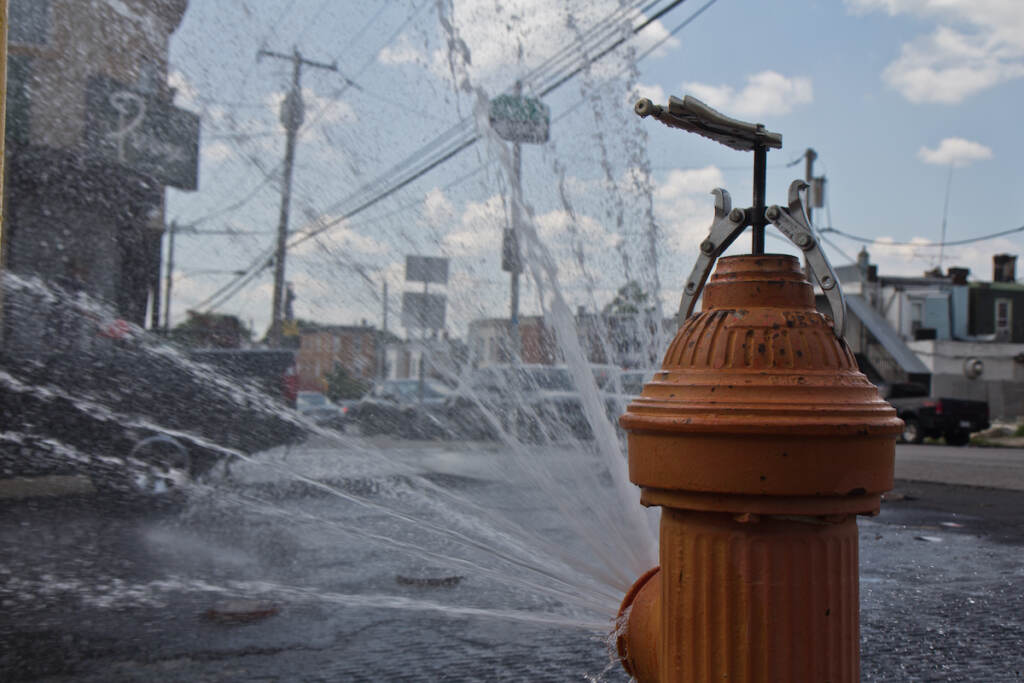
‘Fingerprint of climate change’: April heat wave could break a record in Philadelphia
Climate change makes balmy April temperatures twice as likely, according to a research nonprofit.
6 months ago
Listen 0:48Excessive temperatures not only impact cardiovascular and respiratory health, but heat is also the top weather-related cause of death in the U.S.
“As temperatures rise, as we see more extreme summers, more days where the temperatures are 90 degrees and up, I think about people in terms of their occupational exposures, what their home environments are like, because that can worsen your risk when it comes to heat,” said Dr. Meera Nair Harhay, a nephrologist and professor of medicine at Drexel University College of Medicine. “There’s a real acknowledgement that we could see more kidney injury and related conditions just simply by a warming planet.”
Heat exhaustion can cause symptoms like nausea, muscle cramps and dizziness, while the most common symptom of heat stroke is confusion.
Physicians say regular hydration is crucial during heat waves, and thirst is a sign of dehydration. People should also avoid alcohol and caffeine, which can lead to dehydration, Schreyer said. Kidneys are particularly vulnerable to fluid loss and heat exposure, Harhay said.
“The human body is mostly made up of water, so we do have adaptations when we start to sweat and we overheat, but they can only adapt so far, and you start to see health effects pretty quickly if you’re exposed to that heat for any extended period of time,” she said.
The physicians warn that people who use blood pressure medication are also at risk of heat illnesses, as those medications can reduce a person’s ability to respond to heat.
Schreyer and Harhay urge people to access shaded and air-conditioned areas, wear loose clothing, and avoid spending time outdoors if possible. They advise people to check on their elderly neighbors, as well as colleagues who work outdoors. People should intervene during medical emergencies by calling 911 and by helping someone with heat-related illness find a cool area immediately.
People in the Philadelphia region are expected to find relief mid-week, as rain and storms are predicted for the area Wednesday evening. Meteorologists are predicting colder temperatures through Memorial Day Weekend.

Get daily updates from WHYY News!
WHYY is your source for fact-based, in-depth journalism and information. As a nonprofit organization, we rely on financial support from readers like you. Please give today.
Part of the series

Gusty winds, dangerous waves, flooding expected along New Jersey, Delaware coast
A powerful nor’easter is expected to push strong winds and high surf along the coast.
2 weeks ago
Listen 1:00
Reprieve from wildfire smoke expected to come over the weekend, meteorologists say
Rainfall and a change in wind direction are expected to push the smoky air away from Philadelphia.
3 months ago
Philly pools closed, trash pickup canceled due to very unhealthy air
Wildfire smoke is bringing very unhealthy air pollution to the Philadelphia region. Officials say everyone should avoid optional outdoor activities.
3 months ago
Listen 0:58