
Philadelphia developers are seeking more building permits for new rentals. Here’s why
The uptick is raising questions about Philadelphia's broader identity as a city of homeowners.
Listen 1:10
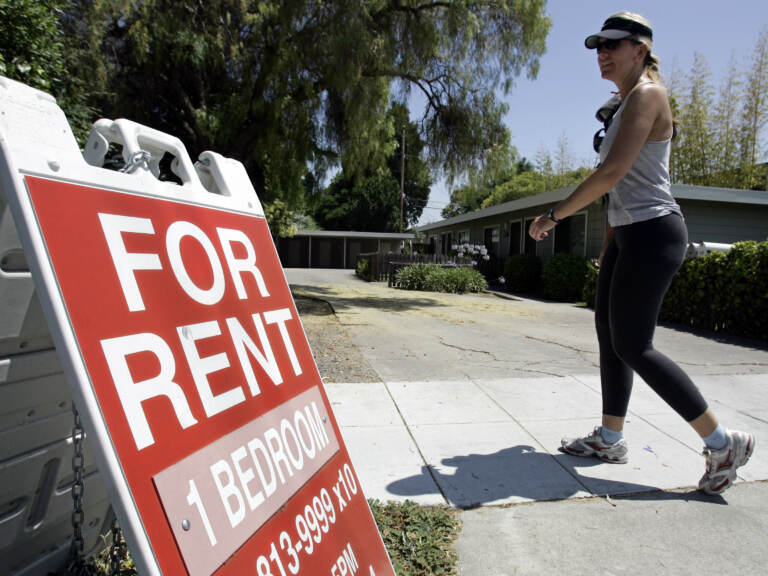
In this file photo, a woman walks next to a "For Rent" sign at an apartment complex in Palo Alto, Calif. (Paul Sakuma/AP)
Have a question about Philly’s neighborhoods or the systems that shape them? PlanPhilly reporters want to hear from you! Ask us a question or send us a story idea you think we should cover.
Philadelphia is on track to permit construction of significantly more multifamily units this year than in 2025.
Last year, developers obtained building permits for multifamily properties comprising 2,179 units, according to data from Drexel University. That total is projected to reach 3,588 by the end of 2026. The multifamily category covers apartment buildings but also duplexes and triplexes.
“The multifamily development pipeline definitely appears to be reawakening. And that’s a very positive sign, because it indicates increased bullishness on the expectations of our homebuilders and our developers,” said Kevin Gillen, an economist with Drexel’s Henderson Real Estate Institute.
While a building permit doesn’t guarantee a particular project will be built, a developer must obtain one before starting construction. That means many of these units are expected to come online in the next two or three years, particularly in and around Center City.
Gillen said the uptick in permitting is largely connected to the city’s tight housing market and how unaffordable it continues to be for so many, mostly as a result of overvalued sale prices and high mortgage rates.
“Starter homes are increasingly out of range for first-time homebuyers. They’re renting longer,” Gillen said. “So that segment of the market is responding to the affordability issue by providing more affordable rentals as opposed to what would typically be for-sale single-family houses.”
Related Content
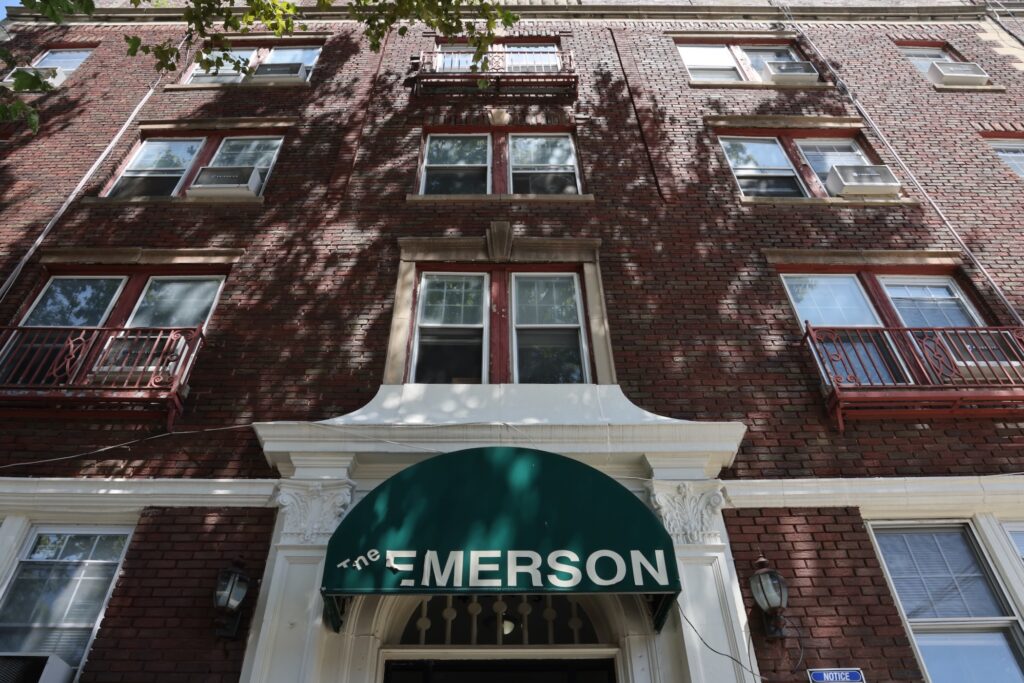
Philly apartments are shrinking. New ones will be even smaller
Some renters are trading larger spaces for amenities. Others are contending with larger affordability issues amid a tight housing market.
1 month ago
By comparison, Philadelphia is projected to approve building permits for 1,210 single-family homes by the end of 2026, according to the data from Drexel. That would be in line with the yearend totals in 2024 and 2025.
Despite the rise of multifamily building permits, Philadelphia remains a city of homeowners. For now, just under half — about 48% — of Philadelphia’s residents are renters.
And yet the Drexel data does feed into broader concerns that the city may be losing that identity, especially as home values continue to rise in lower-income neighborhoods where residents may be more vulnerable to displacement.
“Sometimes those prices were low because it included a lot of homes that were unlivable, unmortgageable,” said Emily Dowdall, president of policy solutions at the Reinvestment Fund. “However, it does mean that there might be fewer opportunities for lower-income folks to buy.”
Additionally, forthcoming research shows that fewer Philadelphia households are applying for mortgage loans, Dowdall said. Part of that may be rooted in renters having a much harder time affording homeownership. There is also anecdotal evidence that more renters are questioning whether they want to ever buy a house, even if they can afford to. That’s particularly true for individual households who may not want to maintain an entire house on their own.
“We’ve got a very diverse population here in Philly just in terms of household makeup and desire. And so I think it’s important that we have different types of choices available,” Dowdall said.

Get daily updates from WHYY News!
WHYY is your source for fact-based, in-depth journalism and information. As a nonprofit organization, we rely on financial support from readers like you. Please give today.
Brought to you by PlanPhilly
PlanPhilly
In-depth, original reporting on housing, transportation, and development.
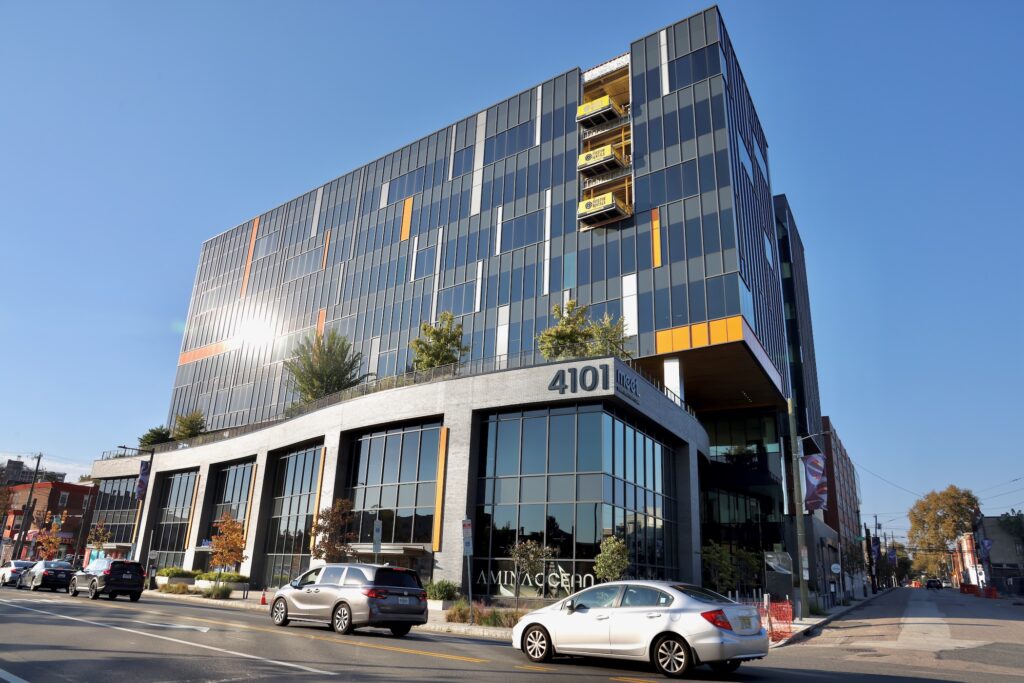
Philly’s new crime lab takes shape as City Council approves borrowing $40 million more
The Police Department's $95 million facility in University City will replace what is widely considered an undersized, outdated lab in North Philadelphia.
4 days ago
Listen 0:47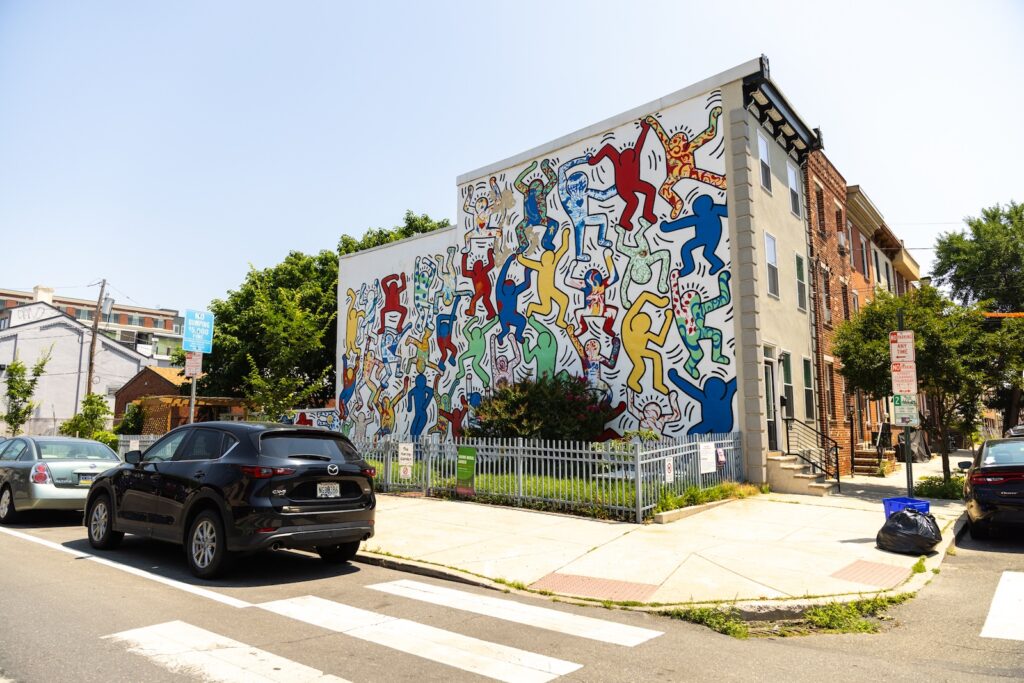
While there’s widespread support for saving the pop art mural, its future remains uncertain due to its condition.
1 week ago
Listen 1:09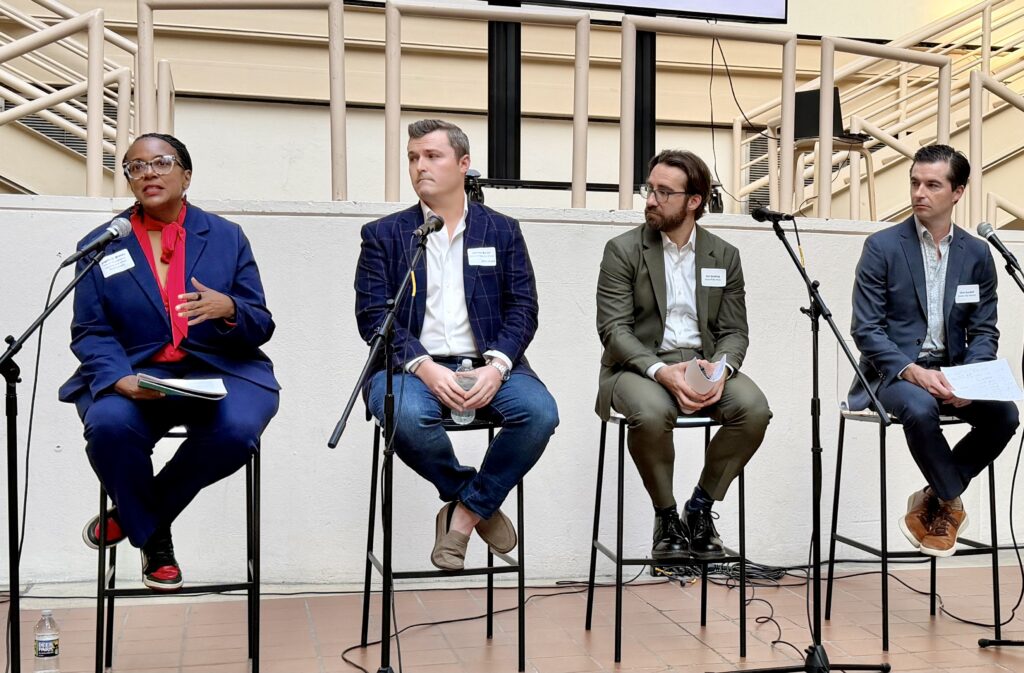
Philadelphia real estate developers argue a 20-year tax abatement would boost city revenues
Critics contend tax breaks deprive the city and schools of badly needed funds, while proponents say that’s a misconception.
2 weeks ago
Listen 1:23