


New Philadelphia renter-protection laws set to take effect Sunday
The Safe Healthy Homes Act expands protections against landlord retaliation, strengthens tenants' rights and creates new enforcement measures.
Listen 1:01
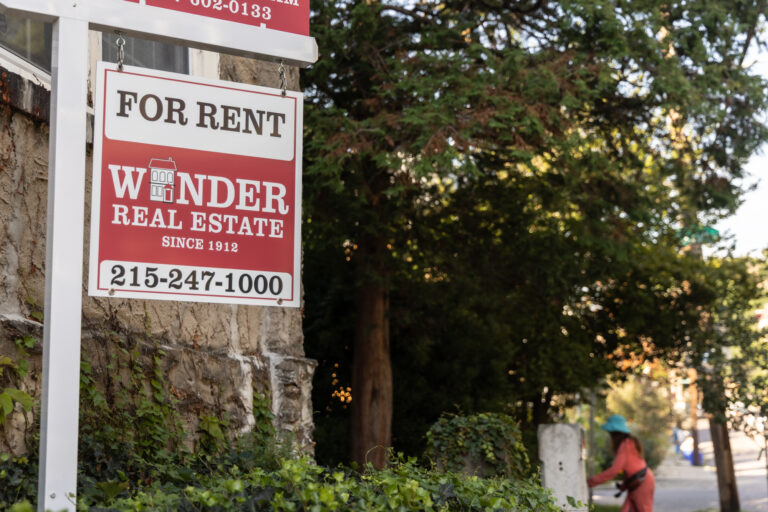
Apartments for rent in Philadelphia’s Germantown neighborhood. (Kimberly Paynter/WHYY)
Have a question about Philly’s neighborhoods or the systems that shape them? PlanPhilly reporters want to hear from you! Ask us a question or send us a story idea you think we should cover.
At the end of this week, a pair of city laws will take effect that fair housing advocates hope will strengthen renter protections and reduce instances of landlord retaliation against tenants.
Both measures are part of the Safe Healthy Homes Act, a legislative package crafted in partnership with tenant organizers that has faced staunch opposition from independent landlords, who argue the legislation will harm their small businesses.
Supporters are skeptical of those concerns and argue the laws will — over time — empower renters to speak out about dangerous living conditions and help hold negligent landlords accountable as the city continues to experience an affordable housing crisis.
“These laws will not create a sea change overnight. But I believe Philadelphia will experience safer housing conditions, better landlord business practices, and more robust protections from retaliation or displacement if they are faithfully implemented,” said City Councilmember Nicolas O’Rourke, who introduced the legislation, in a statement.
In the meantime, the freshman lawmaker said he is focused on ensuring that “implementation meets the moment.”
Here’s what else to know:
What do these laws do?
The legislation has three major components.
These laws expand “good cause” protections to all renters in Philadelphia. That means, regardless of the term of a tenant’s lease, landlords must state in writing the legitimate, legally defined reason why they want to terminate or not renew a lease.
Currently, the law only applies to month-to-month leases and leases that run for less than a year.
Advocates say the exemption has provided unscrupulous landlords with a loophole, of sorts, enabling them to effectively evict tenants with longer leases without having to justify their decision or even give renters advance notice. Legal experts say that has made it difficult for renters to dispute their landlord’s decision if they suspect the eviction is retaliatory and want to file a complaint with the city.
“It’s not necessarily a hard and fast rule, but it makes it really hard to challenge it when you’re kind of fighting against silence,” said Madison Gray, a staff attorney with the Public Interest Law Center, in February.
Separately, the legislation expressly bars landlords from ending or modifying a tenant’s lease simply because that tenant is cooperating with a city investigation, has discussed their living conditions with a council member or reporter, or has joined a tenants association.
Backers are particularly pleased with the last part. While tenants have always had the right to organize, that right was not spelled out in the law. Advocates say the change will help empower more renters to form new tenant associations to protect their rights, potentially increasing their political capital along the way.
“We’re not asking for luxury. We’re asking that if we get a leak in our kitchen, you come fix it,” said Theresa Howell, an organizer with OnePA Renters United, in September.
Lastly, the legislation clarifies that tenants have the right to sue for back rent if their landlord has illegally collected payment. Under city law, landlords must have an active rental license and a certificate of rental suitability to collect rent.
Landlords, however, will not be penalized if they lack those documents because of administrative delays from the city, including the Department of Licenses and Inspections.
Opponents say the legislation could still do damage because they suspect it will be harder — and likely more costly — to remove problem tenants, while also potentially requiring them to give out rent rebates they can’t afford.
“I could run into the wrong tenant with this legislation, not be able to make my mortgage on my properties and end up in foreclosure,” said Seth Floyd, an independent landlord.
Related Content
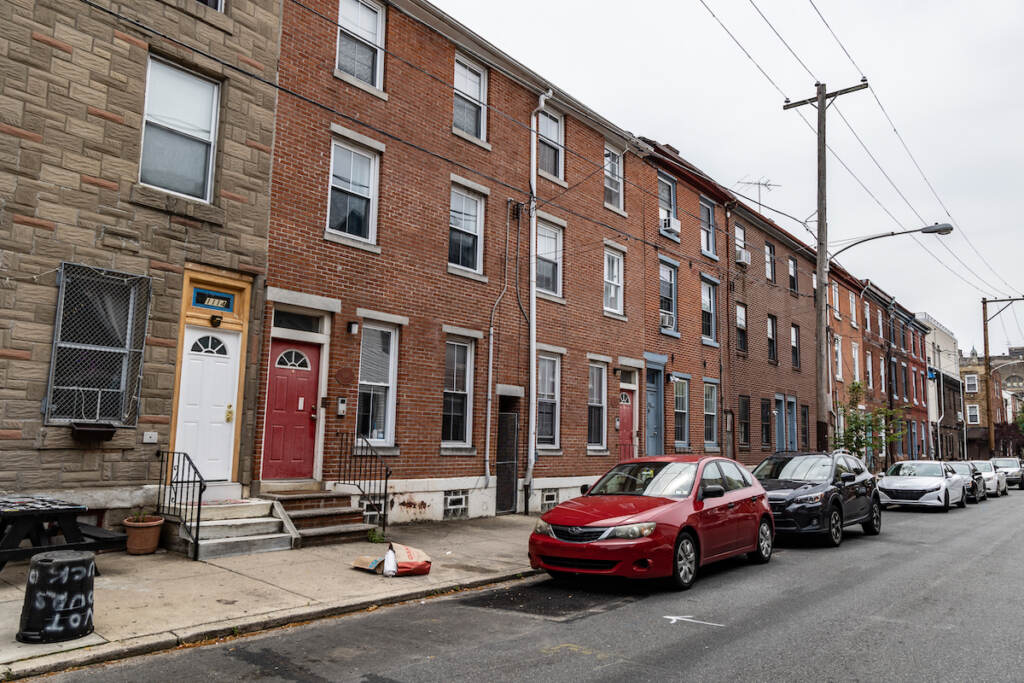
Philly renters just secured new protections from landlord retaliation. A lawsuit could undo them
Fair housing advocates say the City Council measures will make it safer for tenants to speak up about dangerous living conditions. But a federal lawsuit looms.
7 months ago
Listen 1:19How did we get here?
City Council passed these measures in April following a protracted legislative process that pitted fair housing advocates against independent landlords. Mayor Cherelle Parker signed them into law less than two months later.
Lawmakers were expected to approve them in March, but a day before the vote, two landlords took the unusual step of suing Council’s housing committee for allegedly violating state and federal law. A settlement reached the same day sent the bills back to committee, requiring council members to effectively retrace their steps ahead of the final vote.
Ultimately, the committee held three public hearings on the legislative package before they were sent to Parker’s desk.
For now, the lawsuit remains open. That could change as soon as Friday, when a federal judge is set to preside over a hearing to consider the city’s motion to dismiss the case.
It’s unclear when she might rule on the motion.
Lawmakers previously passed part of the Safe Healthy Homes Act — a measure authorizing the city to create an anti-displacement fund for tenants forced to move because their property had become uninhabitable. But facing pushback from the Parker administration, O’Rourke agreed to hold the package’s remaining bills to allow more time for negotiations and related amendments.
The anti-displacement fund is now part of Parker’s signature housing initiative, but the fund is not yet operational.
Related Content
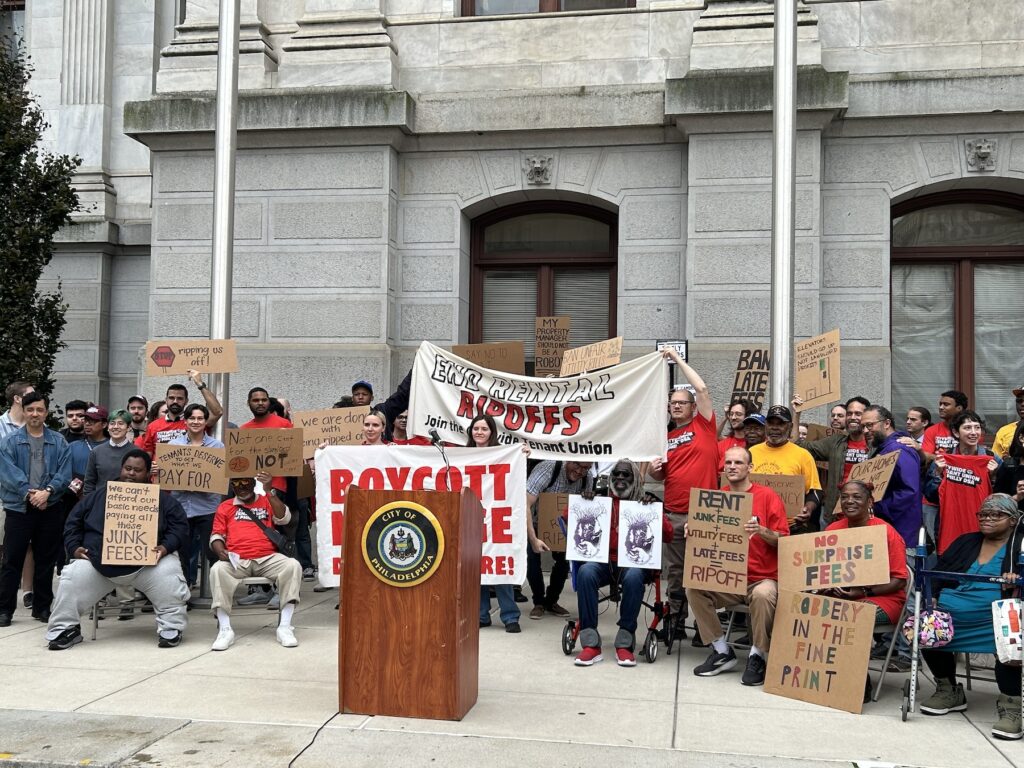
Philly tenants are waging a war against ‘junk’ fees. City Council may help
The fight is part of the “End Rental Ripoffs” campaign launched by members of a citywide tenant union. It’s unclear when legislation will be introduced.
2 months ago
Listen 0:56
Subscribe to PlanPhilly
WHYY is your source for fact-based, in-depth journalism and information. As a nonprofit organization, we rely on financial support from readers like you. Please give today.
Brought to you by PlanPhilly

PlanPhilly
In-depth, original reporting on housing, transportation, and development.
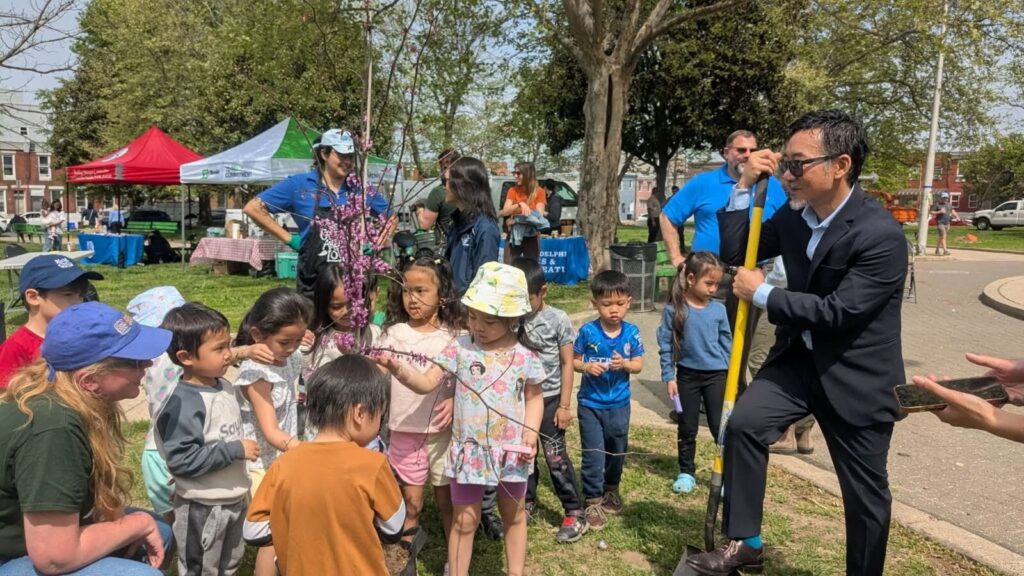
Philadelphia tree advocates report progress on planting, with over 18,000 added in 3 years
The city aims to expand its tree canopy from 20% to 30%. Partners implementing the plan have not yet measured progress toward that goal.
4 days ago
Listen 0:54
“Why is this such a difficult decision to make when the money is there?” asked one Cobbs Creek renter at risk of displacement.
7 days ago
Listen 1:07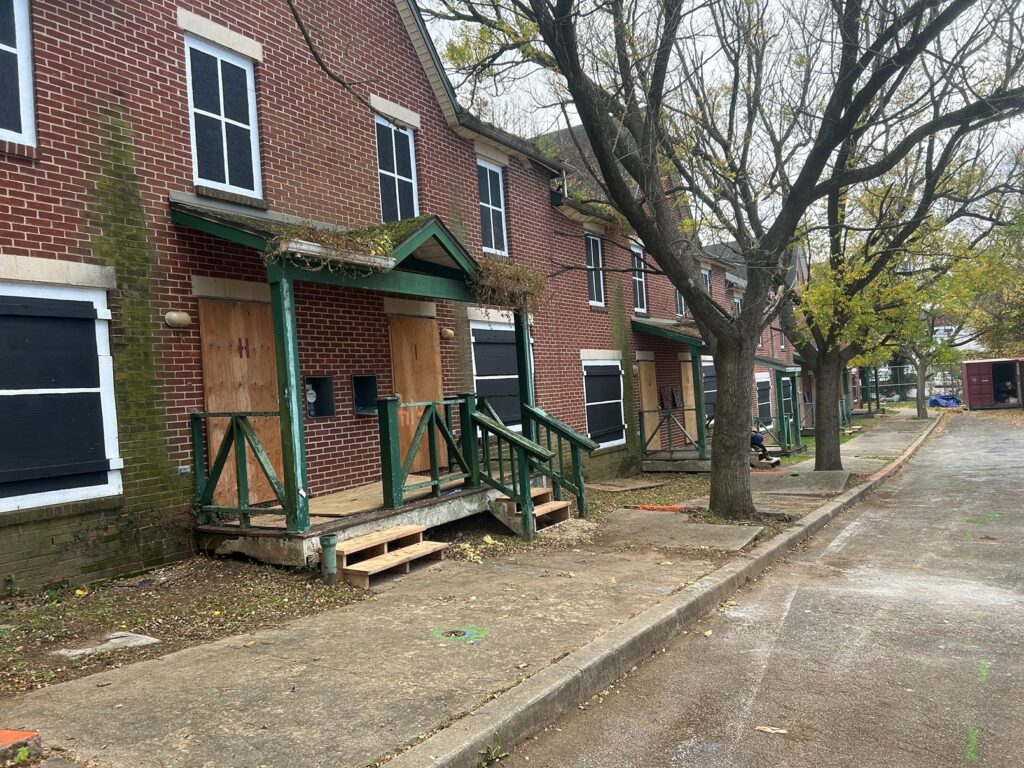
Philly Habitat for Humanity project will overhaul blighted East Germantown rentals
The townhomes will become homeownership units after becoming vacant in 2006.
1 week ago
Listen 1:00