

Artists bring Indigenous roots to life at Delaware Art Museum’s annual fashion show
Artists Dayesla Ixtli and Kehala Smith bring Indigenous heritage into the present through fashion and makeup, honoring ancestral roots, cultural identity and resilience
Listen 1:19
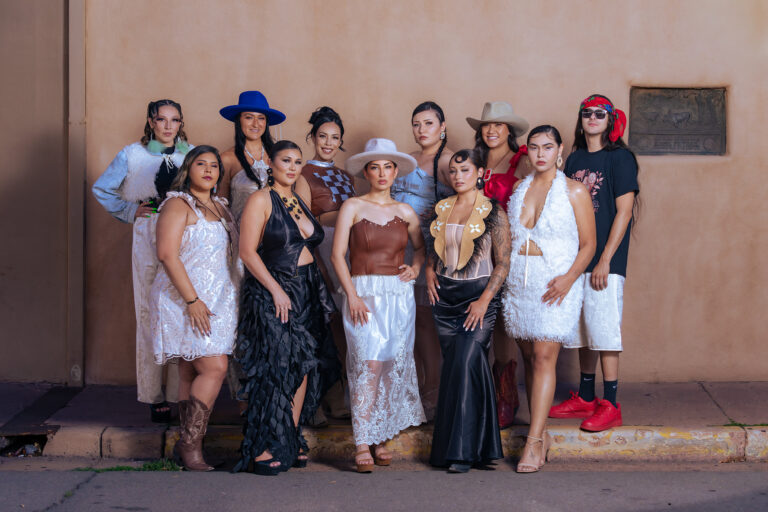
Fashion designer Kehala Smith showcases her designs on several models. Her work draws on the traditions of her Tuscarora Nation heritage while incorporating contemporary styles. (Courtesy of Kehala Greene Smith)
The sound of drum beats will fill the room as the Delaware Art Museum prepares to host its second annual Indigenous/Native Fashion Art Show.
“Living in the Present” will bring together traditions, contemporary fashion and artistic expression for an evening celebrating Indigenous peoples across the Americas.
The Nov. 6 event will begin with a drumming ceremony led by the Red Blanket Singers and hosted by Chief Urie of the Nanticoke Lenni-Lenape tribe. Attendees can also explore Indigenous fashion and artwork, enjoy food from local vendors and experience an evening centered on the visibility and celebration of Indigenous cultures.
“This is going to tell a beautiful story of a vibrant tapestry of Indigenous nations across the Americas. At the same time, you know, showcasing designs, exhibitions, that honors the past while living in the present,” said Iz Balleto, cultural programs manager at the Delaware Art Museum.
For Balleto, the show is also an opportunity to highlight the connections Indigenous communities share — connections that can be overlooked when their histories are told separately.
“As Indigenous folks, a lot of people don’t realize that we’re relatives,” Balleto said. “Those in South and Central and North America, we’re all family. And sometimes the history gets divided by who’s telling the story, but our ancestral roots [are] the story. Our roots [are] the foundation to the lineage.”
The runway will feature artistic expressions of Indigenous heritage, including the Matlatzinca and Mexican-Nahuatl roots of multidisciplinary artist Adaysela Reyes, who works under the artistic name Dayesla Ixtli. In addition, fashion designer Kehala Smith, a member of the Turtle Clan, will feature her Tuscarora heritage in her work.
Related Content
Climate Fixers: Slowing down fashion with a century-old tradition in Collegeville, Pa.
Industrial farms damage waterways and contribute to climate change. But at Pa.’s only certified organic sheep farm in Montco, the sheep do all the hard work.
2 years ago
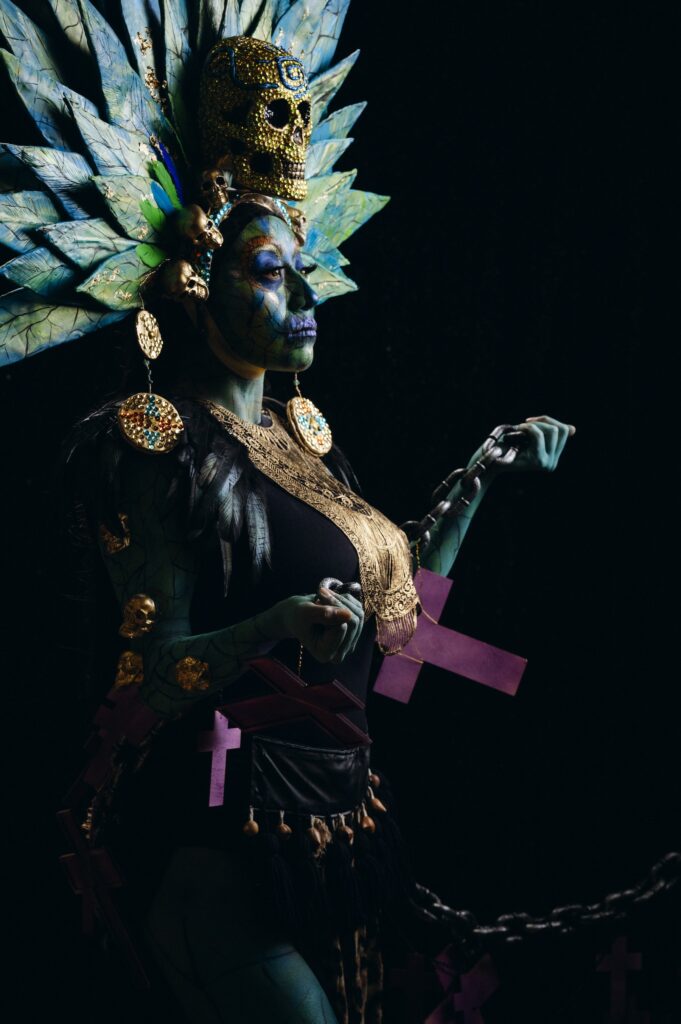
Use of fashion and makeup reconnects to Indigenous roots
For Reyes and Smith, artistic expression offers a way to honor their ancestry, reclaim cultural identity and challenge the idea that Indigenous traditions only belong to the past. Through their individual creative practices, both artists bring their heritage into the present, using their work to share stories of identity, resilience and cultural continuity.
“Yo soy de la zona centro-sur del Estado de México, que se llama Tenancingo que de hecho también es una pequeña ciudad muy llena también de [la] cultura, prehispánica”, ella dijo. “Entonces, siento que esta reconexión de ver atrás y decir, okay, ¿qué es lo que tiene mi ciudad, el pueblo donde yo nací, que que sea algo que pueda yo representar también en esta en esta en este show, en este evento.”
“I’m from the south-central part of the State of Mexico, from a place called Tenancingo, which is actually a small city very rich in pre-Hispanic culture,” Reyes said. “So, I feel that this reconnection of looking back and saying, ‘Okay, what is it about my city, the town where I was born, that I can also represent in this show, in this event?’”
It’s for that reason that Reyes will be showcasing pre-Hispanic Nahuatl cultures from where she is from. Rather than just walking the run way, her presentation will be more theatrical and act presenting. One of those deities featured will be the Quetzalcoatl, the Feathered Serpent.
“A mí me encanta mucho como representar las deidades que conocemos de la cultura prehispánica, mexicana, azteca,” ella dijo.”Y pues buscando como deidades femeninas que se puedan representar y pues espero que sea un poquito más teatral.”
“I really love how to represent the deities we know from pre-Hispanic, Mexican, Aztec culture,” she said. “And I’m looking for female deities that can be represented, and I hope it will be a little more theatrical.”
For Smith, fashion provides another way to honor Indigenous traditions while making them part of contemporary life. An artist and designer from the Tuscarora Nation, Smith draws on traditional techniques — porcupine quillwork, beadwork and weaving — to create wearable art that reflects her heritage while incorporating modern styles.
“I usually add a little bit of the weaving to one of the Mohawk weavers. The black ash basket is what we would also use to wash corn,” Smith said. “So it’s kind of like a full-circle moment how I honor the Mohawk basket makers and make it into wearable art and a weaving piece into one of my collections. At least one of my models usually has something woven.”
Smith said she sees her artistry as a way to recognize the resilience of Indigenous communities and the generations who have preserved their traditions.
“For me, I like to show the world that Indigenous people are resilient. No matter what we’ve been through, we are still here and we’re still thriving,” she said.
Through their different approaches, Reyes and Smith show how Indigenous heritage can be carried forward through contemporary artistic expression. Whether through theatrical makeup inspired by ancestral traditions or fashion that brings traditional craftsmanship into everyday life, their work challenges the notion that Indigenous cultures belong only to the past.

Get daily updates from WHYY News!
WHYY is your source for fact-based, in-depth journalism and information. As a nonprofit organization, we rely on financial support from readers like you. Please give today.
Part of the series
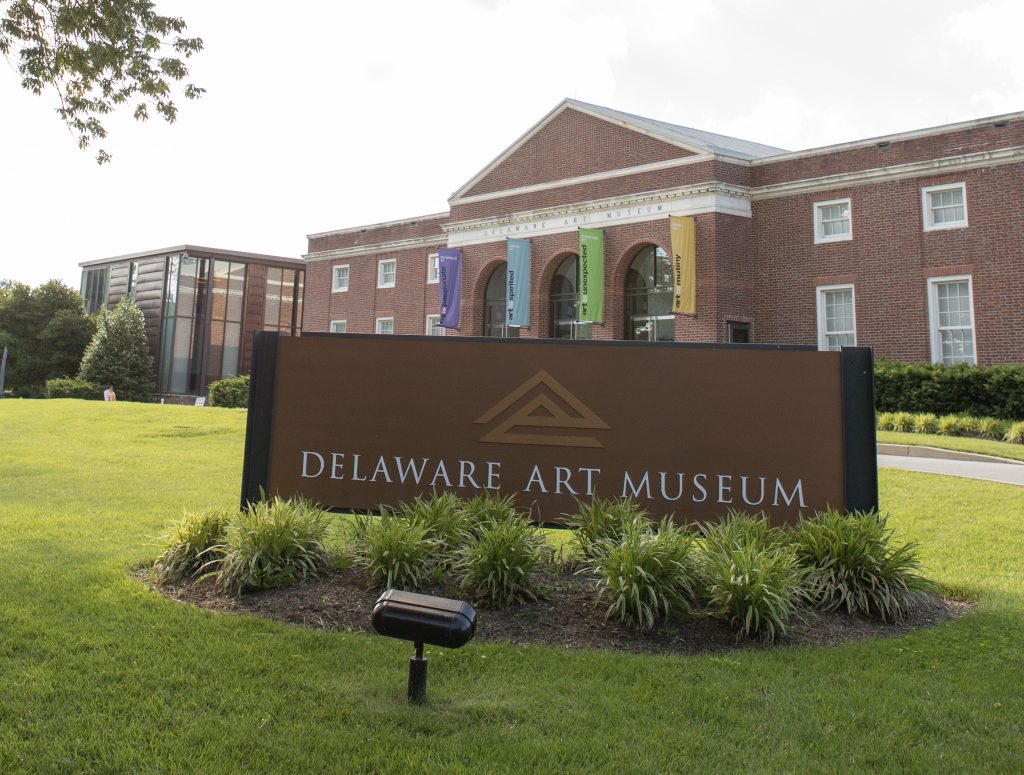
The Delaware Community Foundation awarded $650,000 to 39 projects supporting Hispanic communities, including the Delaware Art Museum's expanding Spanish-language programming.
4 months ago
Listen 1:25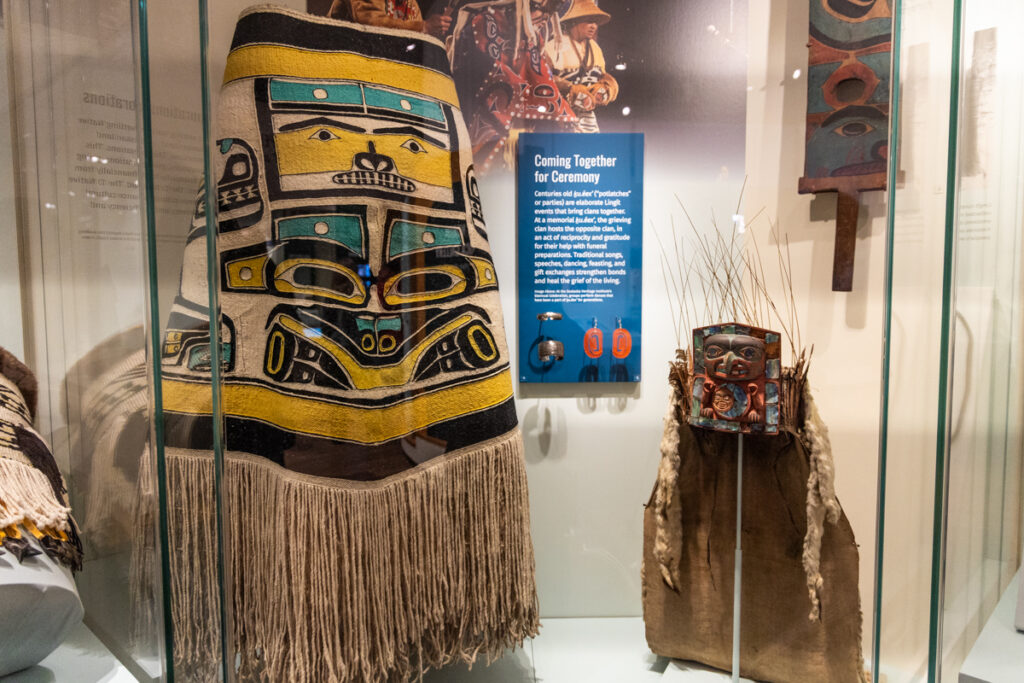
Penn Museum’s new Native North America exhibition collaborates with Indigenous curators
Eight curators from eight Indigenous nations redesigned Penn Museum’s Native North America display.
12 months ago
Listen 1:20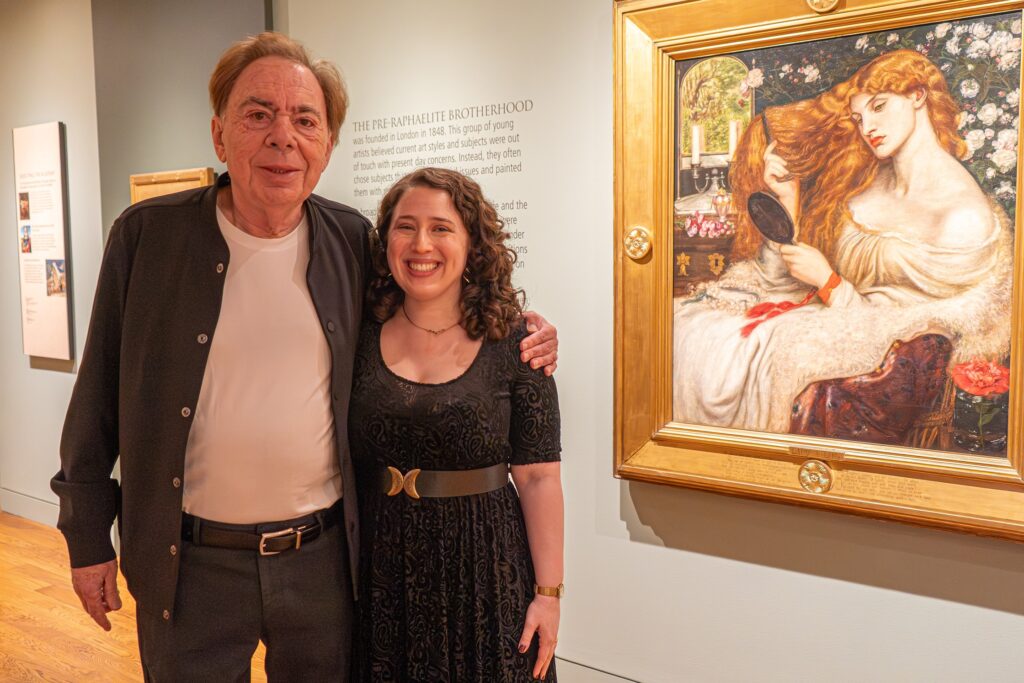
Andrew Lloyd Webber visits the Delaware Art Museum’s Pre-Raphaelite collection
The musical theater composer stopped in Wilmington during the “Phantom of the Opera” revival tour to talk about Victorian-era paintings.
1 year ago