Election 2026: What Philly voters need to know about the ballot questions in the May 19 primary
All voters, regardless of party, will decide whether to create a city-run retirement savings program and to make permanent an office that monitors youth services.
Listen 1:03
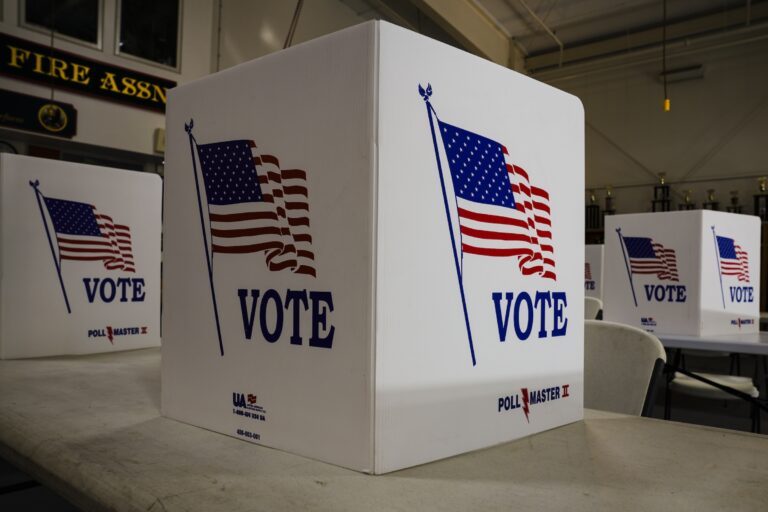
FILE - Voting booths are set up at a polling place in Newtown, Pa., Tuesday, April 23, 2024. (AP Photo/Matt Rourke, File)
From Philly and the Pa. suburbs to South Jersey and Delaware, what would you like WHYY News to cover? Let us know!
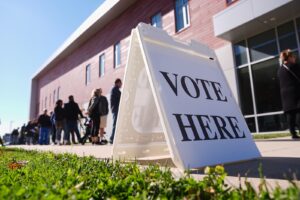
All registered voters in Philadelphia can weigh in on two ballot questions for the May 19 primary election.
Pennsylvania has closed primaries, meaning registered Democrats and Republicans can cast a ballot only for races within their party. Ballot questions, however, are open to all voters, regardless of party affiliation.
This election cycle, Philadelphia has two questions on the ballot. Here’s what you need to know.
Ballot Question 1
Question text
Shall the Philadelphia Home Rule Charter be amended to provide for the creation of the Philadelphia Retirement Savings Board to oversee a defined contribution retirement program for the benefit of eligible private-sector workers, and to authorize City Council to determine the composition, powers and duties of the board?
Ballot statement
The City’s Home Rule Charter sets up the framework of City government. The Charter is the City’s constitution.
A “yes” vote means you approve the creation of the Philadelphia Retirement Savings Board as an independent board within the City’s government. The Board would oversee creation and administration of a retirement program for certain eligible workers whose employers do not offer them a retirement plan. Contributions to the plan would only come from the participating workers. Details of the retirement program may be established by ordinance.
What’s the context?
In 2016, Mayor Cherelle Parker, at the time a city council member, proposed a task force to explore the possibility of launching a city-supervised retirement savings plan. A study had revealed that Philadelphians on average weren’t saving enough for retirement.
Out of that came the proposal for the Philly Saves program. If the ballot question is approved, amending the city’s Home Rule Charter to create the Philadelphia Retirement Savings Board, that board will implement and facilitate the Philly Saves program.
Under Philly Saves, workers in the city whose employers do not offer a retirement savings plan will automatically be enrolled, with 3%-6% of their paycheck going into a city-sponsored individual retirement account, or IRA. Philadelphians will have the option to opt out or adjust their contribution levels.
Philadelphia would become the first city in the U.S. to offer its own retirement savings plan, joining 17 states, including New Jersey, that have already implemented similar programs.
According to an August 2025 study from the Pew Charitable Trusts, 35% of older Philadelphians have incomes that either fall below or just above $14,330 per year, the Census Bureau’s poverty threshold. The report found that older Philadelphians are struggling more financially compared to their counterparts across the nation and in other cities, with a median household income level of $39,412.
Older households relied on wages for 35.6% of their income, with retirement funds — not Social Security — representing just 21.3%.
The number of seniors in Philadelphia who are either keeping their jobs past age 65 or returning to the workforce is also on the rise, research by the same organization found.
Related Content
Pa. election 2026: Primary voter guides, key races and more
Primary elections will take place Tuesday, May 19. Here’s what you should know beforehand, from voter deadlines to who’s on the ballot in Philadelphia and statewide.
6 months ago
Ballot Question 2
Question text
Shall the Philadelphia Home Rule Charter be amended to provide for the creation of the Office of the Youth Ombudsperson to improve the safety and quality of services for youth placed in juvenile justice, child welfare, and behavioral health residential care facilities, and to authorize City Council to determine additional powers and duties of the Youth Ombudsperson as needed to carry out this mission?
Ballot statement
The City’s Home Rule Charter sets up the framework of City government. It is the City’s constitution.
The Office of the Youth Ombudsperson monitors the safety and quality of services for youth in residential placements. It was created by the Mayor in 2022, but is not part of the formal City Charter framework and is not a permanent office.
If you vote “yes” on this ballot question, that means you approve including the Office of the Youth Ombudsperson in the City’s Charter and making it permanent. It also means you approve allowing Council to give the office additional powers and duties by ordinance.
What’s the context?
Philadelphia’s Office of the Youth Ombudsperson was established in 2022 by an executive order from then-Mayor Jim Kenney. The office was first proposed in 2021 following a series of reports of abuses at residential youth treatment facilities.
Under the current executive order, the office monitors residential placement facilities within Philadelphia’s child welfare, juvenile justice and behavioral health treatment systems. The goal is to improve the safety and quality of the services provided to youth in those places, per the office’s website.
Since it was established by an executive order, the office is not permanent, and any mayoral administration would have the power to eliminate it. It also does not have the authority to conduct independent investigations, something current Youth Ombudsperson Tracie Johnson hopes would change if it becomes a permanent city office.
The ballot question seeks to amend the city’s Home Rule Charter to make the office a permanent part of city government.

Get daily updates from WHYY News!
WHYY is your source for fact-based, in-depth journalism and information. As a nonprofit organization, we rely on financial support from readers like you. Please give today.
Part of the series
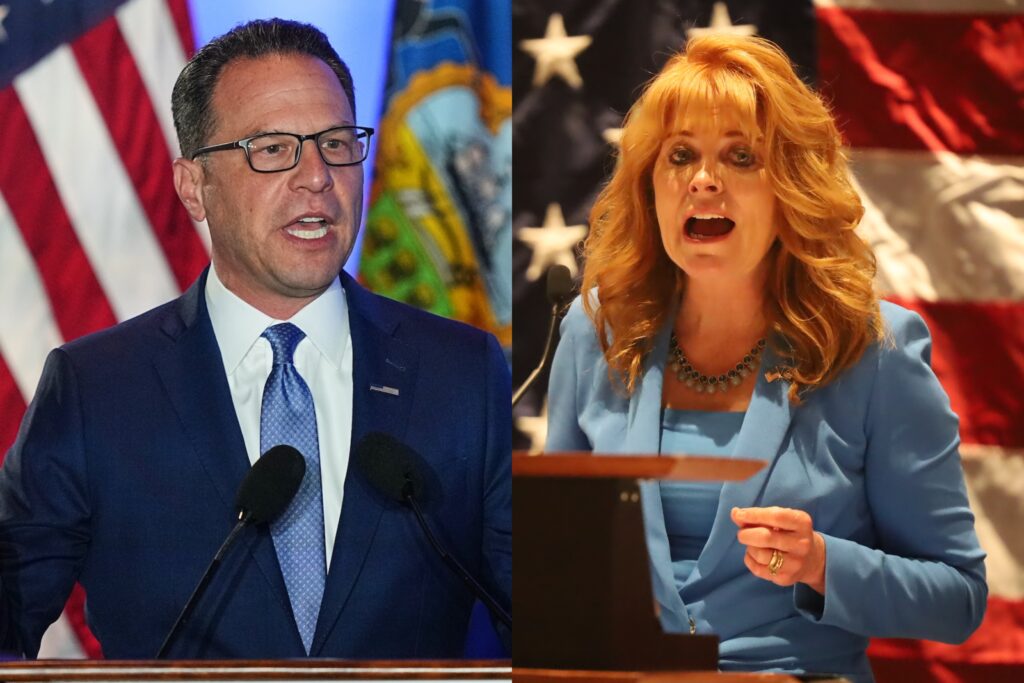
Pennsylvania’s governor will face a challenging health care environment next year as hundreds of thousands lose coverage.
2 hours ago
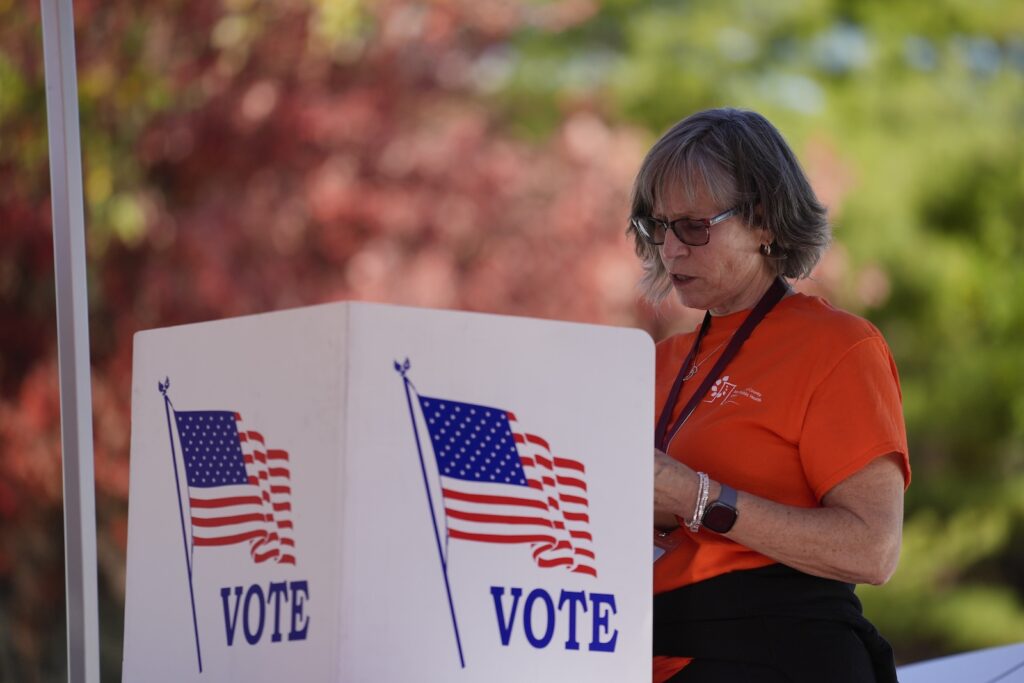
Montgomery County launches voter services chatbot ‘Mo’
The generative AI-powered chatbot uses information from Montgomery County’s voter services website to answer basic election questions.
2 days ago
Listen 0:48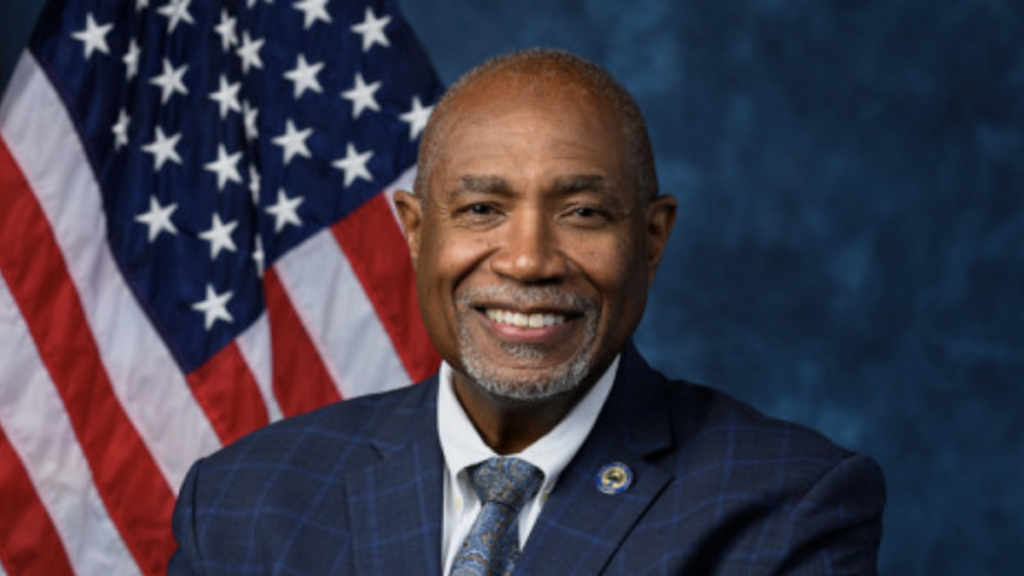
New Jersey election 2026: What to know about the 3rd Congressional District race
Democratic incumbent Herb Conaway faces three challengers: Republican Michael McGuire, the Green Party’s Steven Welzer and Independent Ryan Michael Kelly.
1 week ago