Philadelphia culture leaders ‘gravely concerned’ about changes to Pennsylvania’s arts funding
The Pennsylvania Council on the Arts has shifted funding guidelines toward economic development. Local culture leaders are upset.
Listen 1:41
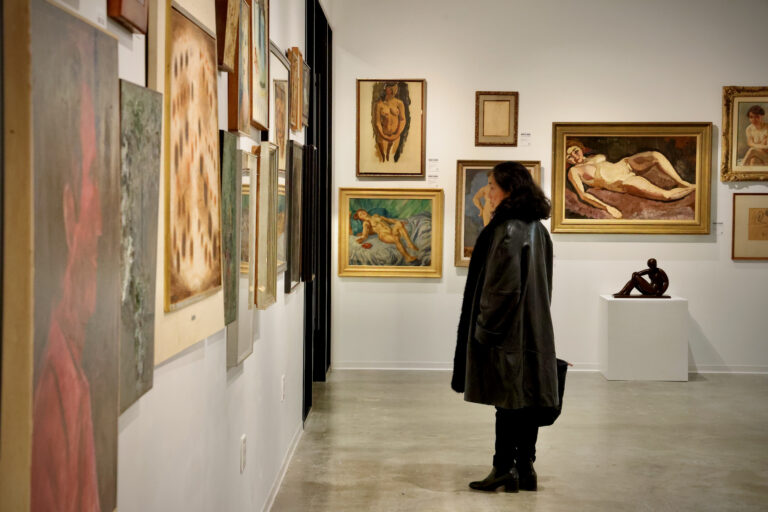
A visitor to Freeman's Hindman auction house looks at paintings from the Sidney Rothberg collection.(Emma Lee/WHYY)
From Philly and the Pa. suburbs to South Jersey and Delaware, what would you like WHYY News to cover? Let us know!
Arts funding from the state of Pennsylvania is changing, which could make some artists and arts organizations ineligible for grant funding.
The Pennsylvania Council on the Arts is rebranding its granting operation as a new entity called Pennsylvania Creative Industries. The new granting guidelines are in line with a new strategic plan that leans more heavily into creative entrepreneurship and economic development.
“We identified five key areas that we would be investing in, including asset development, workforce development, community development, visibility and policy,” said Karl Blischke, executive director of Pennsylvania Creative Industries.
“We’re looking at those areas as a way to raise the impact of the creative sector in Pennsylvania, and to support all the participants in it as they look to grow and be impactful for Pennsylvania,” he said.
Pennsylvania Creative Industries will distribute $9.59 million in arts grants this year, according to the state budget.
Many stakeholders across the state say the changes will remove state support for most organizations. In the Philadelphia region, about 60% of small arts organizations that had benefitted from small state grants will no longer be eligible, according to the Greater Philadelphia Cultural Alliance. In York County, that number rises to 80%.
Alliance President and CEO Patricia Aden Wilson is “gravely concerned.”
“Our smaller arts organizations are those organizations that very often define our neighborhoods,” Wilson said. “Those are those programs that are in church basements and community rec centers and are often volunteer-led. They are the touch point for arts and culture for so many people across the state. We are very concerned that these changes will eliminate or diminish the capacity of these organizations that are the life blood of our creative sector.”
Wilson said the lobbying efforts by the alliance and other arts groups across the state contributed to the Pennsylvania Creative Industries budget, which increased 12.5% over last year. But the new funding guidelines were drafted without consulting local arts leaders.
“As we lobby for their funding, where’s the transparency in how they’re going to use that funding?” Wilson said. “Where’s the accountability to their stated mission of empowering the arts and culture community?”
Related Content
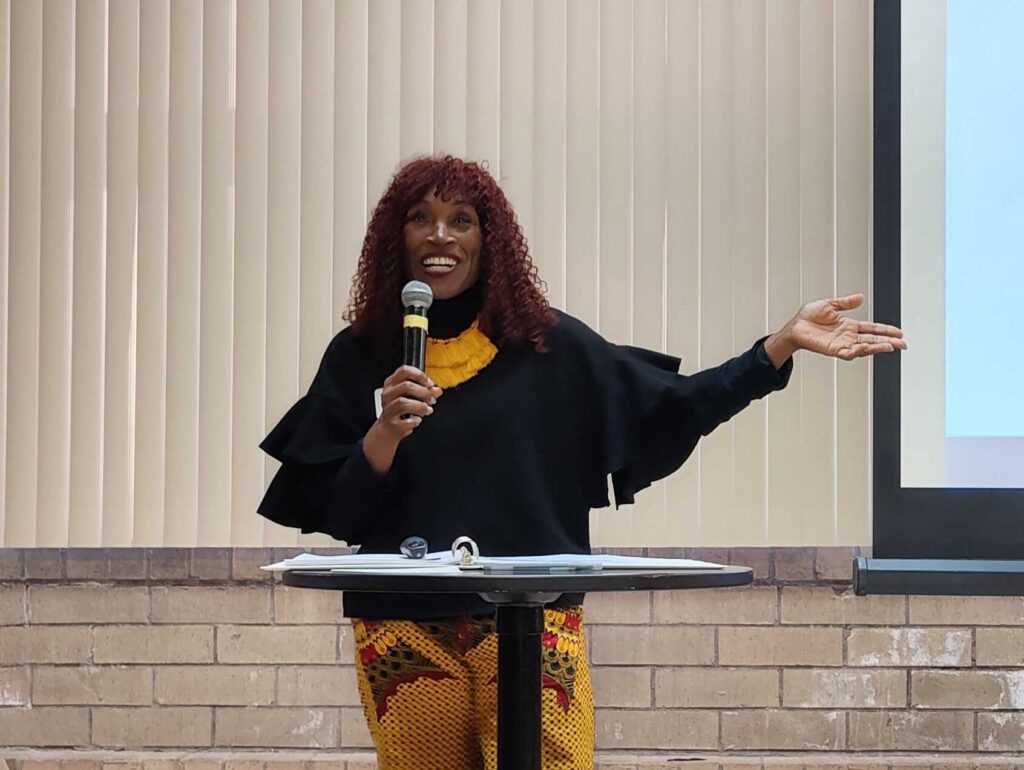
Philadelphia’s arts sector is vibrant but needs help, survey shows
Anticipating a comprehensive cultural plan being drafted by the city, the Greater Philadelphia Cultural Alliance outlines key areas of concern.
7 months ago
Listen 1:13Grassroots organizations will be squeezed
Smaller arts organizations with annual budgets between $10,000 and $200,000 had previously been eligible for the state’s Creative Flex Fund, which distributed $5,000 grants that could be used for general operating funds, meaning the money was not earmarked for specific projects.
The new Creative Industries umbrella funding program, Creative Assets, has an eligibility requirement of at least $100,000 annual budget and will not consider organizations that are fiscally sponsored. Only organizations with nonprofit status can apply for money, which cannot be used for general operating expenses.
As old funding programs sunset, Pennsylvania Creative Industries is creating new ones. Blischke points to Creative Catalyst, a grant program intended for new initiatives that can show a statewide reach; and Creative Communities, a creative placemaking grant intended for two or more organizations developing programming in a particular community.
Neither the Creative Catalyst nor Creative Communities funding programs have minimum revenue requirements, but both require applicants to have 501(c)(3) non-profit status.
“It used to be that there were more opportunities than it appears there are going to be now,” said Mia Kang, executive director of the Philadelphia Folklore Project. “They have told us that there will be more grant initiatives to be announced, but it’s unclear when those are going to be made public or what the guidelines for them are going to be.”
Related Content
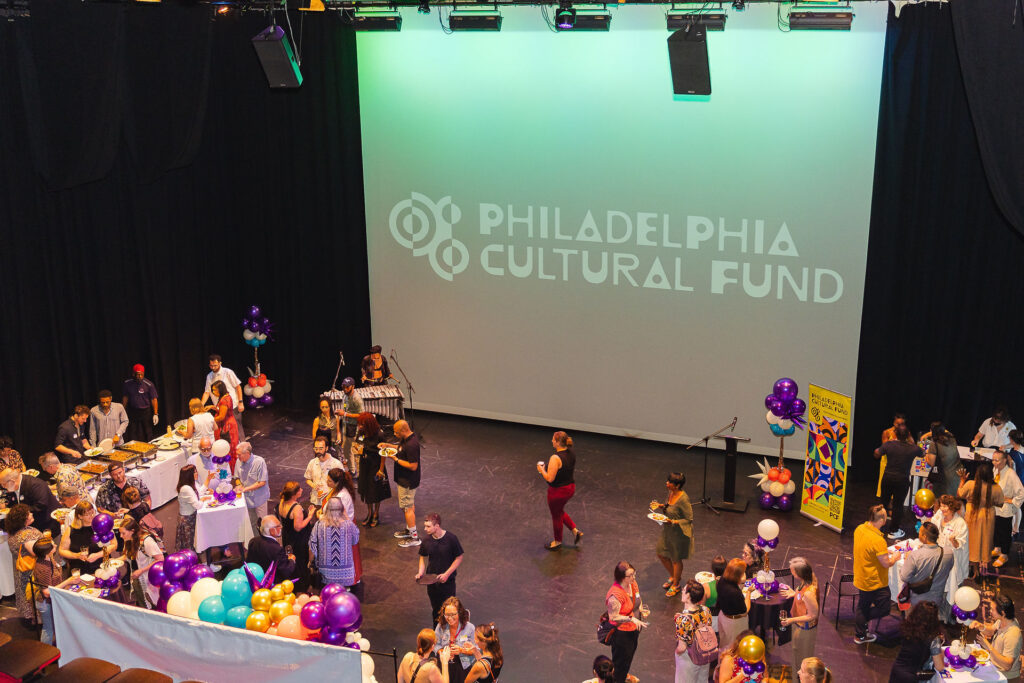
Philadelphia Cultural Fund to distribute more than $5 million to arts organizations next year
Anyone interested in expanding access to the arts in the city can apply to sit on a panel that will help choose grantees.
10 months ago
Listen 0:57Eliminating regional partnerships
The Philadelphia Folklore Project is, itself, on the state’s chopping block as one of 14 regional state partners of the Pennsylvania Council on the Arts. Creative Industries is eliminating that regional partner program, established in the 1990s to deepen the reach of state funding by leveraging local networks.
Blischke said that when the partnership program was created, there were no internet tools or online portals that now streamline the application process.
“By bringing things more directly in-house we can reduce some of the administrative burden,” he said. “We can really maximize the dollars going out to communities and provide more technical assistance.”
The Folklore Project assists Philadelphia regional artists to apply for National Endowment for the Arts money earmarked for heritage arts that is routed through the Pennsylvania Council on the Arts.
“One thing that I’m not sure of and have not been able to get an answer about, is whether this means that the Pennsylvania Council on the Arts will no longer sign a partnership agreement with the National Endowment for the Arts,” Kang said. “Because there are so many changes at the federal level right now, there’s an added level of uncertainty there.”
Kang said funding changes at the Pennsylvania Creative Industries will likely disadvantage traditional arts programs centered on immigrant communities and communities of color.
“The changes reflect an unfortunate trend toward wanting to define the value of the arts through instrumental outcomes, such as workforce and economic development,” she said. “A traditional artist is an artist who is rooted in community, who is practicing something that brings with it generations of history. It is a core part of identity and belonging for the people that they are connected to.”
Related Content
Philly politicians, arts administrators rally in the wake of disappearing NEA funds
As Philly debates its next budget, the city’s art sector demands to be heard.
1 year ago
Listen 1:23Disappointment is rippling across Pennsylvania
Regional arts funding programs across the state have voiced their concerns about the rollout of Pennsylvania Creative Industries. The Greater Pittsburgh Arts Council said it is “deeply disappointed” by the change.
“Changes in grant eligibility mean small organizations will lose critical operational support,” CEO Patrick Fisher wrote in an online post. “Rural counties are likely to be disproportionately affected by the absence of regional partner expertise and relationships.”
One of those rural counties is York. The Cultural Alliance of York County has been paying for art programs in schools in York and Fulton counties with money from the state’s Arts in Education fund. That fund is being eliminated by Pennsylvania Creative Industries. Previous recipients may be eligible for funding in other areas of Creative Industries.
“York County is not super-duper huge. We’re about 450,000 people,” said Kelley Gibson, president of the York alliance. “But I’m the third-largest arts partner in the state because of the fact that our Arts in Education program does so many artist residencies.”
Gibson said the robust program of residencies is due to years of building relationships between artists and schools. Even if funding for artists residencies in schools can be found in other areas of Creative Industries, she fears the disruption will cause too much damage.
“We have artists who are leaving teaching artistry to get a full-time job because they don’t think they’re going to get work after Sept. 1,” she said. “You can’t put that lightning back in a bottle.”
Gibson said a little money, even a $5,000 state grant, goes a long way in York County where the arts embody the county’s scrappy motto earned during World War II: “Do what you can, with what you have.”
“In York County, 40% of our nonprofits — not just arts nonprofits, but 40% of all nonprofits — have no staff. It is all volunteer run,” Gibson said. “That money is a huge piece of their income. They’re $5,000 grants, but if your budget is $10,000, it’s half of your budget.”
Pennsylvania Creative Industries plans to hold workshop sessions in regions around the state to help organizations navigate the new funding guidelines. Blischke said they will likely happen in the spring.

Get daily updates from WHYY News!
WHYY is your source for fact-based, in-depth journalism and information. As a nonprofit organization, we rely on financial support from readers like you. Please give today.
Philadelphia Cultural Fund releases record-high arts and culture grants
The Cultural Fund is in the midst of a strategic planning process to find a more equitable funding model.
2 months ago
Listen 1:22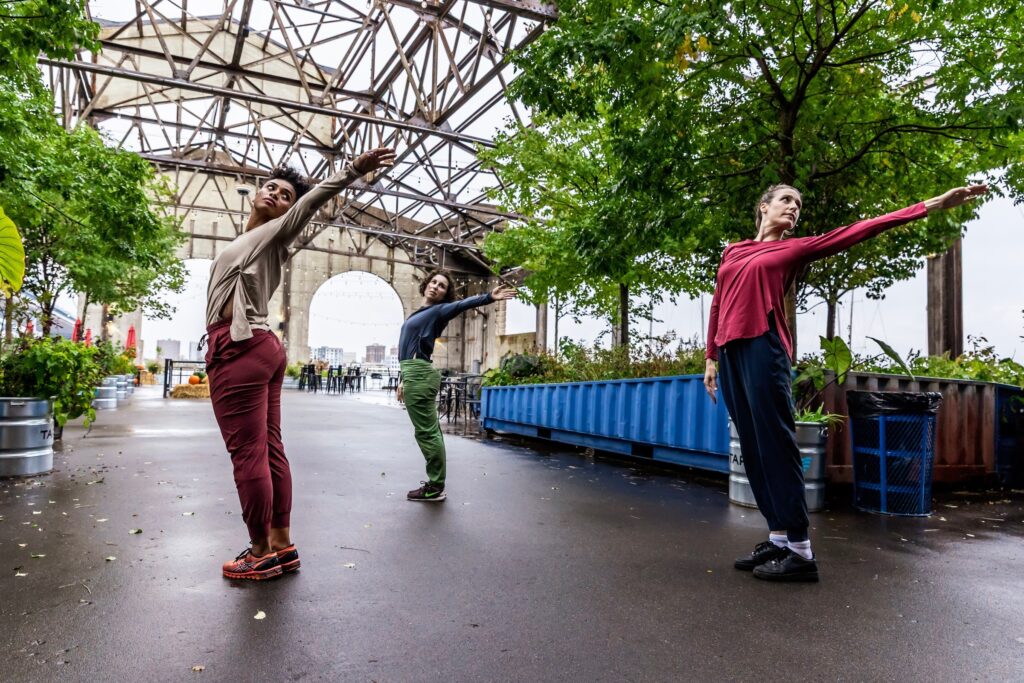
Pennsylvania restores arts funding for small arts organizations
Pennsylvania Creative Industries voted to alter the previously approved overhaul of its funding process.
4 months ago
Listen 1:41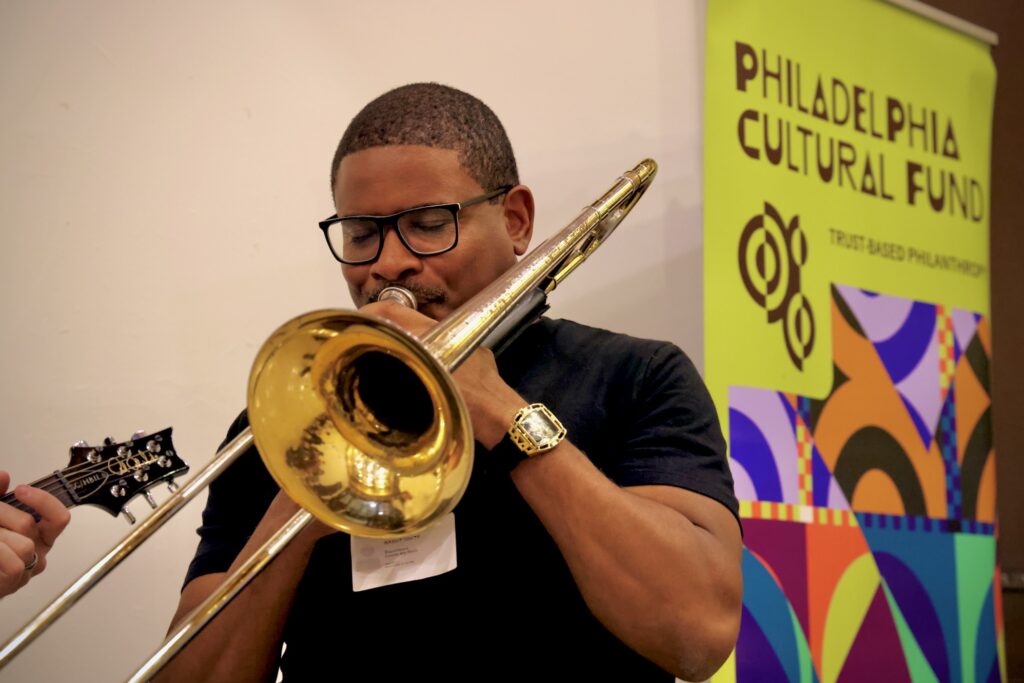
Philadelphia budget 2026: Isaiah Thomas, Rue Landau want $6 million allocated for arts
With funding turbulence at the federal and state levels, elected officials are calling for the city to pick up some of the slack.
5 months ago
Listen 1:26