

New Jersey faces a multibillion-dollar deficit. Leaders say the state can become more affordable by taking specific steps
Many state and county officials agree that school consolidation, shared services and municipal mergers could significantly cut costs.
Listen 1:11
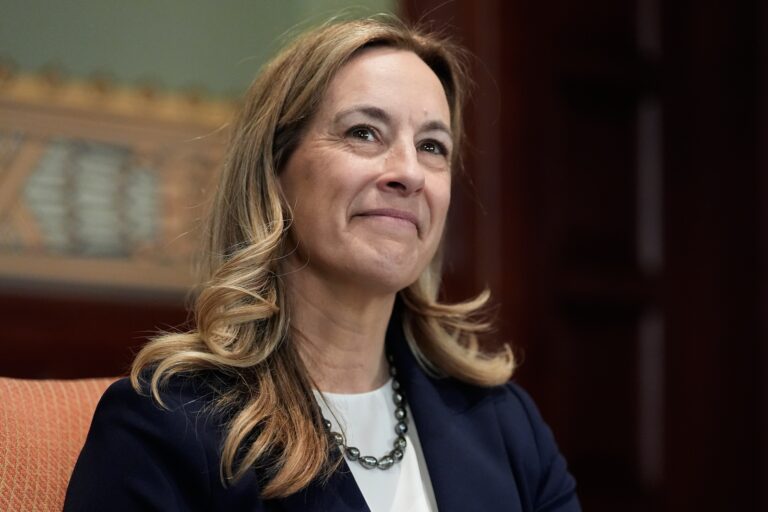
FILE - New Jersey Gov.-elect Mikie Sherrill attends a photo opportunity in the governor's office in Trenton, N.J., Wednesday, Nov. 5, 2025. (AP Photo/Seth Wenig)
From Camden and Cherry Hill to Trenton and the Jersey Shore, what about life in New Jersey do you want WHYY News to cover? Let us know.
New Jersey is already ranked as one of the most expensive states in the nation. Now, Gov. Mikie Sherrill says the state is facing a looming $3 billion budget deficit, which could make it even harder for the growing number of families living paycheck to paycheck.
The gap is driven in part by the loss of more than $3 billion in federal Medicaid funds in the coming years and the end of the $6 billion allocated to the state for pandemic relief from the American Rescue Plan Act.
Sherrill said she will address the problem by looking for cuts in programs and services, instead of raising taxes.
How can the state become more affordable?
Despite ongoing complaints about affordability and high taxes, meaningful change has not happened. But many believe it’s possible.
Steve Sweeney is the Gloucester County administrator and served as president of the New Jersey Senate from 2010 to 2022. To make the state more affordable, he said it’s necessary to change the delivery of government, which means more shared services and school consolidation.
“If you want to pay less taxes, you have to eliminate the amount of government you have,” Sweeney said. “We can be more efficient, we can do better, but it requires changing the way you do things.”
He said every school district should be prekindergarten to 12th grade.
“If you took out the twos, fours, sixes and eights, and made them be part of a regional school district, which they are when it comes to high school, you’d eliminate maybe 250 school districts,” he said.
Sweeney said this would save tens of millions of dollars, and that there would still be principals in every school.
State Sen. Vin Gopal, D-Monmouth, has introduced a bill that would require smaller school districts across New Jersey to consolidate. The measure is currently being reviewed by the Senate Education Committee.
Chris Emigholz, chief government affairs officer for the New Jersey Business and Industry Association, agreed that to improve affordability and cut Jersey’s highest-in-the-nation property taxes, lawmakers need to focus on school consolidation, because schools are funded in the Garden State by those taxes.
“Maybe you don’t need two superintendents or two sets of curriculum or two procurement officers. If we can get down to one, there’s inherent savings that happen there,” Emigholz said.
Additionally, he said larger, consolidated school districts would be better able to deal with budget challenges, including inflation, the state’s 2% property tax cap and rising health care costs, than smaller school districts.
Related Content
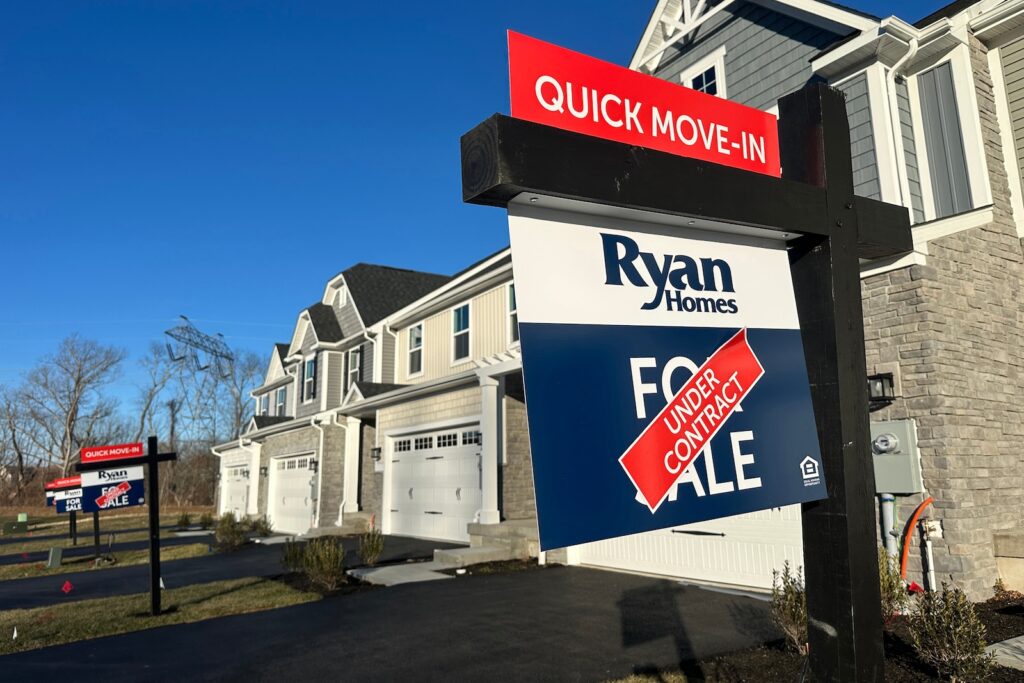
The median price of a home in the Garden State last year was more than $500,000, recent data shows.
7 months ago
Listen 1:06More shared services
Sweeney said the tax rebate programs that exist in the state are helping people, but that they mask the high cost of government. “If you’re not doing anything about the cost driver, you’re doing nothing, you’re just continuing on what you have.”
Sweeney said Gloucester was the first county in the state to close jails and move prisoners to other counties, which has resulted in saving $20 million annually. He said Gloucester also has a countywide stormwater management program. And the county established an ambulance program in 2008 that has cut costs and improved response times with half of equipment that used to be in place.
“When we first proposed this, we met with resistance, but now it’s the model for other counties,” he said.
Related Content
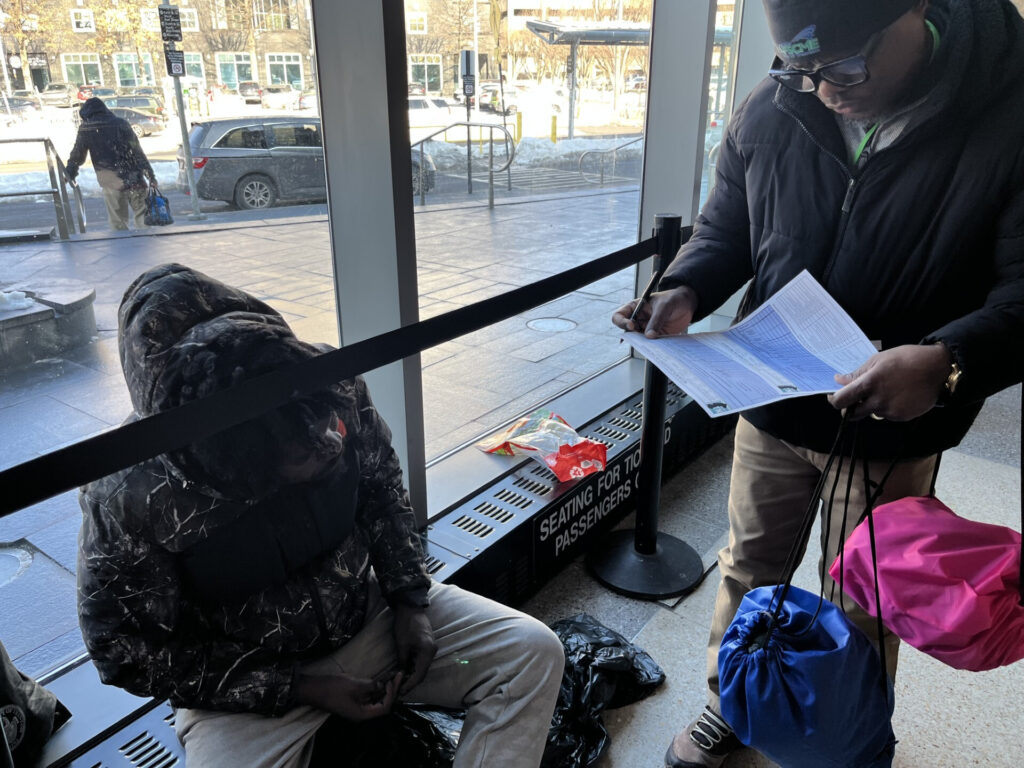
Many homeless individuals are scared to go to shelters for fear they will be robbed or attacked.
8 months ago
Listen 1:18Lower the cost of housing
Pete Kasabach, executive director of New Jersey Future, a nonprofit policy and practice organization, said housing costs in New Jersey are among the highest in the nation, and that more affordable housing is desperately needed.
“We have the housing supply problem because we have limited supply of land that’s suitable for housing, and we restrict how much housing can be built on that land,” he said. “Plus, we make it difficult to get through the development approval process.”
He said he’s hopeful the governor will address the issue, pointing out that on her first day in office she signed an executive order that aims to cut red tape and bureaucracy.
Kasabach said another piece of the affordability puzzle is that, while many towns encourage business development to create more tax ratables, they discourage the development of more family housing as part of an effort to keep school enrollment down, in order to prevent property taxes from rising.
“Probably the best way to address that housing disincentive cycle is regional school funding,” he said.
Related Content

Garden State residents spend more than 30% of their income on housing. The newly elected governor wants to make the state more affordable.
8 months ago
Listen 1:06Prioritize services that deliver direct relief
Maura Collinsgru is the director of advocacy and policy for New Jersey Citizen Action. She said one important aspect of affordability is prioritizing services that deliver direct relief to families.
“Things like health care, child care, utility costs, things that are costing them every day,” she said. “We need to really tackle them.”
She said state leaders should also review programs to ensure they are means tested, so that help goes to those who need it most. She cited Stay NJ, a property tax relief program for homeowners 65 and older.
“Under Stay NJ, if you’re a senior and your income is $500,000 a year, you qualify for up to $7,500 back in property taxes. Is that really what’s needed? I would say no,” she said.
Collinsgru said it’s also important to look at how New Jersey is subsidizing corporations. “How are we letting corporate tax credits go out the door? Those things are not free. They are things that are taking revenue out of our budget and ultimately driving up the cost of our property taxes,” she said.
“We live in a state that has a lot of allegiance to home rule, but we absolutely have got to look at options that can save money,” Collinsgru said.
The New Jersey Business and Industry Association’s Emigholz said another affordability issue in New Jersey is bureaucracy. “Businesses and individuals must wait a long time before they can get permits and clarification,” he said. “That lack of certainty, that inefficiency that New Jersey has, can impact affordability.”
He noted that, in addition to sky-high property taxes, New Jersey also has the highest corporate business tax in the nation and one of the highest state income taxes. “No other state is unrelenting with high tax, high tax, high tax,” he said.
Gloucester County’s Sweeney said another way to save money for Garden State residents is to consolidate water utilities.
“We have more water utilities than we have municipalities in New Jersey,” he said. “Looking at how to consolidate those would be a huge expense savings to ratepayers in our state.”
Related Content
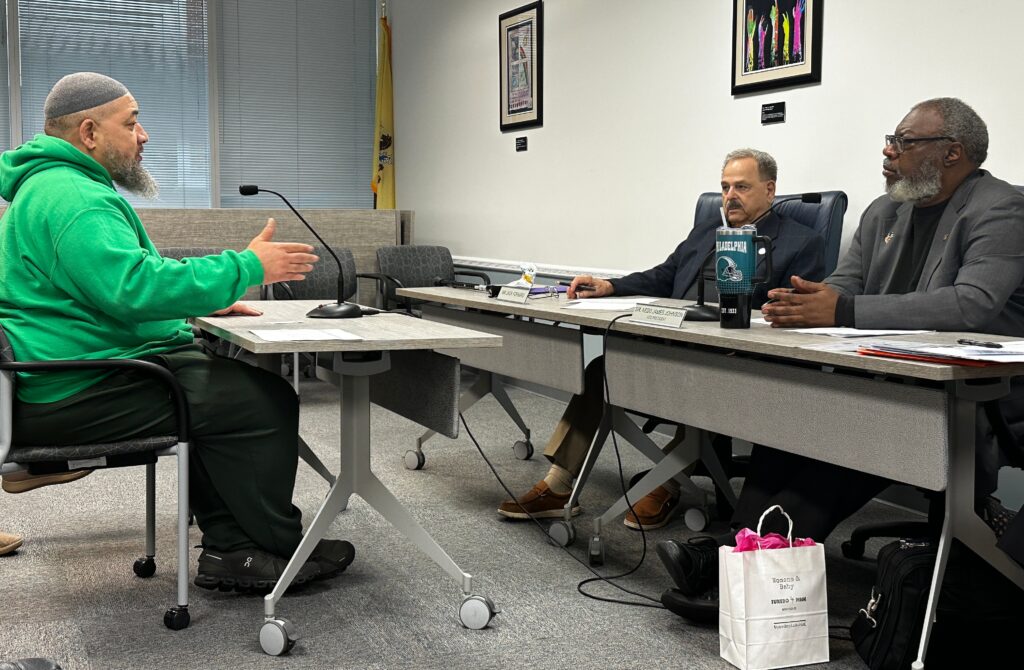
During public testimony sessions, residents expressed a lack of progress and cited a decline in schools, students and resources in the Camden City School District.
1 year ago
Listen 0:56Changing the New Jersey mindset
Sweeney said proposals to consolidate schools, share services and merge municipalities to eliminate duplicate costs have been made for many years, but that most of these ideas have been rejected by voters because they want to keep home rule where they live.
“If we could ever change our thinking, we really could make New Jersey much more affordable and much more efficient. So much money is wasted,” he said.
New Jersey Future’s Kasabach said the benefit of home rule is that you can involve people on the local level in decision making, but there is a downside.
“Those same people only look out for their parochial interests and are not able to see the larger picture,” he said. “That can mean not taking advantage of larger efficiencies of scale that you get.”
Related Content
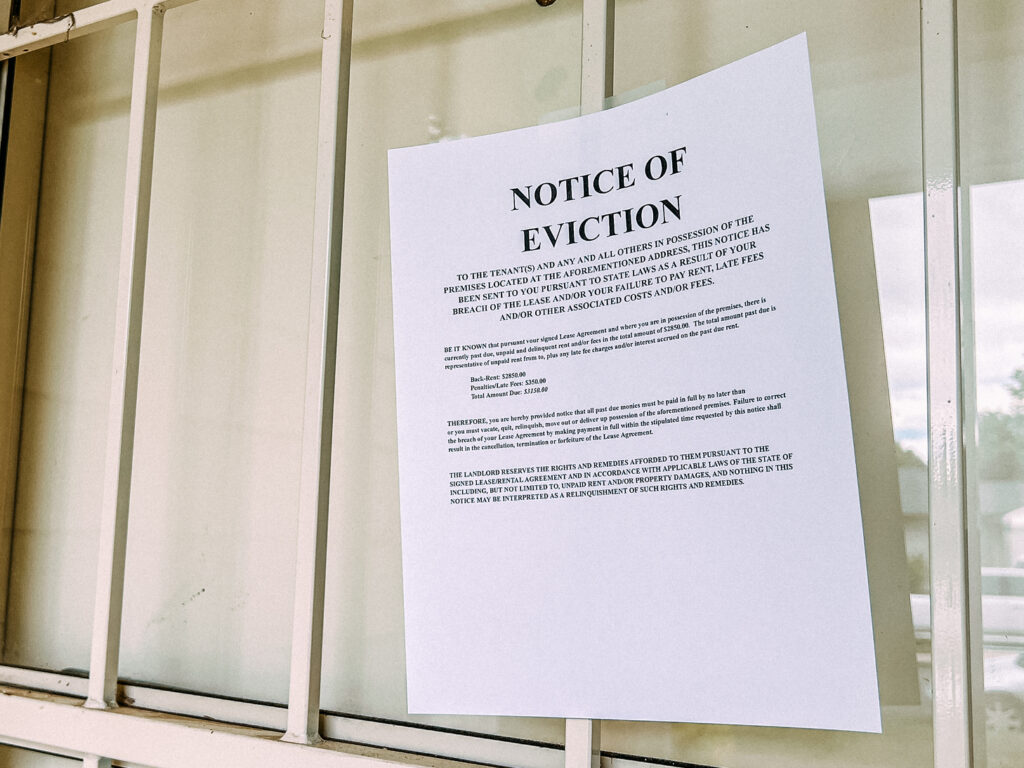
New Jersey housing advocates hail court decision protecting rights of renters facing eviction
The decision in a North Jersey rental dispute establishes how much renters need to pay to avoid being evicted from their homes.
9 months ago
When will things improve?
Economist James Hughes, dean emeritus of the Edward J. Bloustein School of Planning and Public Policy at Rutgers University, said making government more efficient, consolidating school districts and getting more towns to share services would help to lower costs, but that these steps won’t happen overnight.
“There is no magical, painless way of making the state more affordable,” he said. “It took us decades and decades to get us into the position we’re in, and it’s going to take a long time to change things.”
He said that though merging school districts can save taxpayers money, it would result in job losses.
“Cost savings often involve personnel reductions,” he said. “New Jersey has the second-highest unemployment rate in the nation, so that will be a painful trade-off.”
Hughes pointed out that some of the cost increases families are facing are out of the purview of state government.
“Supermarket food prices have increased just over 30% since the start of the COVID pandemic in March of 2020,” he said. “The best we can hope for is limiting price increases in the future.”

Get daily updates from WHYY News!
WHYY is your source for fact-based, in-depth journalism and information. As a nonprofit organization, we rely on financial support from readers like you. Please give today.

Under Trump, immigration arrests surge in Pennsylvania, Delaware and New Jersey
New Jersey and Pennsylvania rank among the 10 states with the most immigration arrests during the first 14 months of President Donald Trump’s second term.
3 months ago
Listen 1:43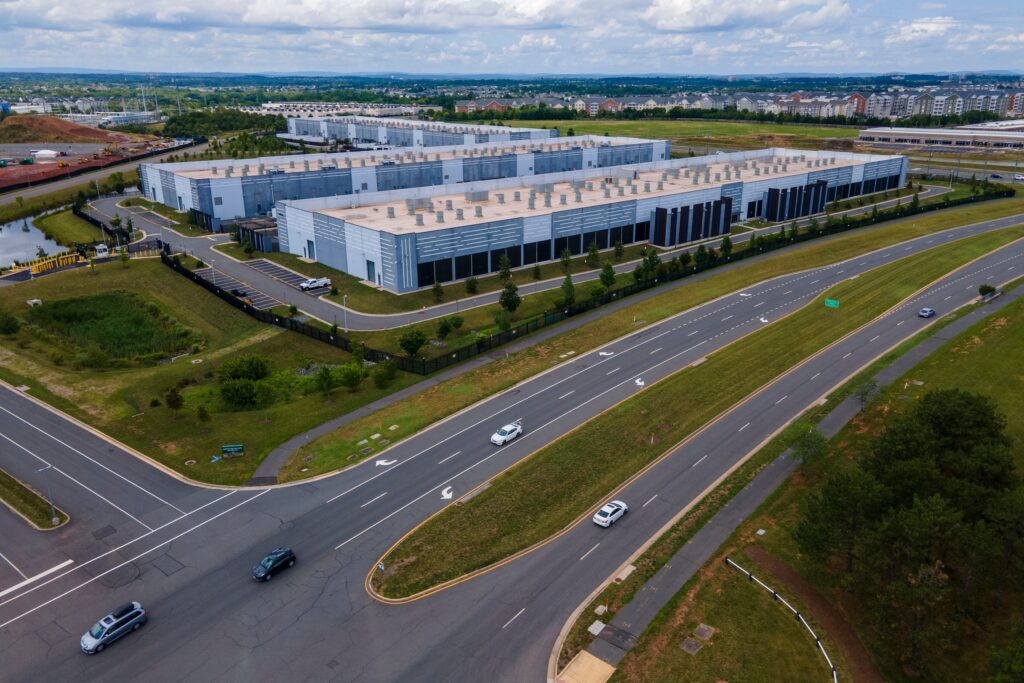
Fleisher: ‘As long as I’m mayor’ there will be no data centers in Cherry Hill
Mayor Dave Fleisher said officials are working on a proposal to ban the controversial facilities.
4 months ago
Listen 0:48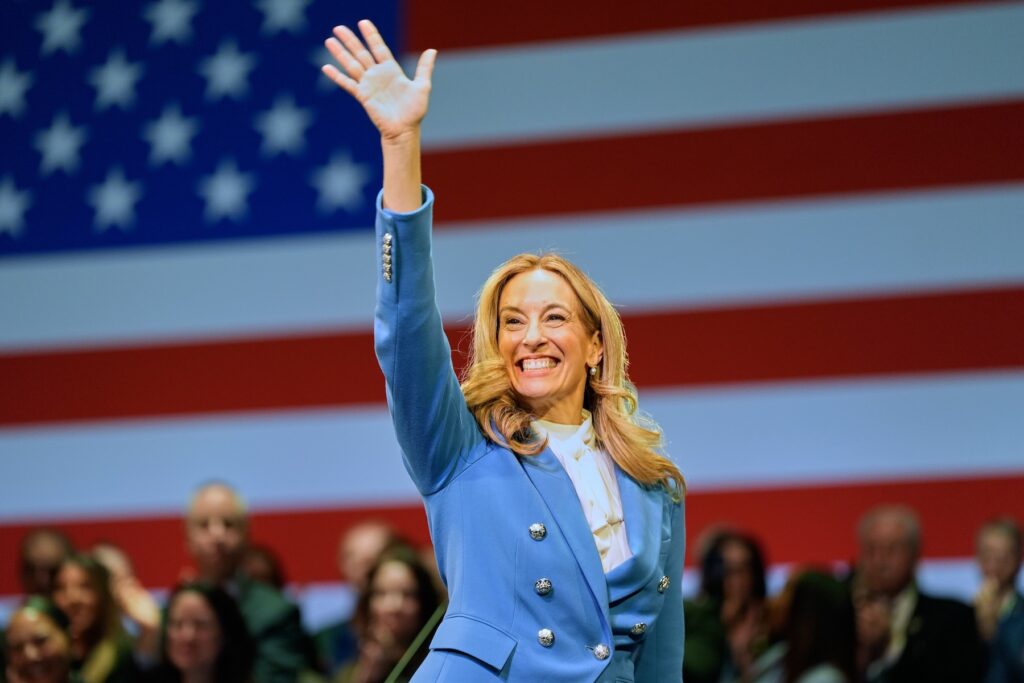
New Jersey Gov. Sherrill wants data centers to pay for their own electricity
Sherrill’s proposal calls for data centers to give financial assistance to the communities where they are located.
4 months ago
Listen 0:49