Enforcement of new restrictions on Kensington mobile health providers to begin this week
New regulations on mobile units that provide medical care, food, water and harm reduction supplies in District 7 include limits on where and when they can operate.
Listen 1:06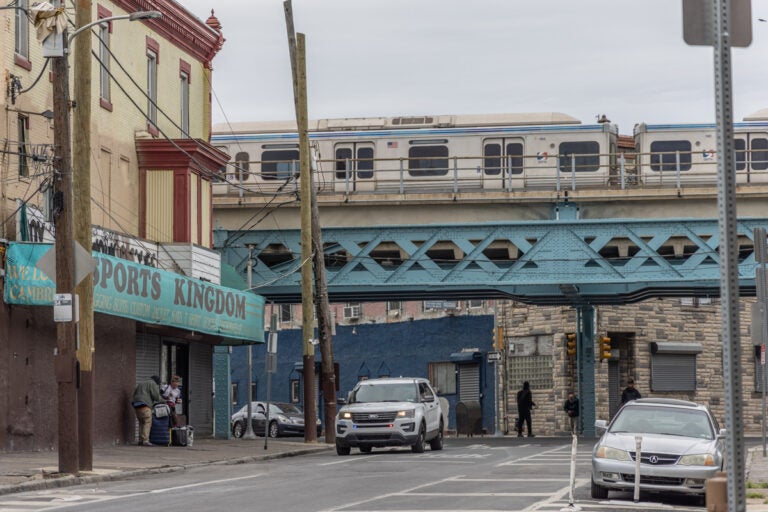
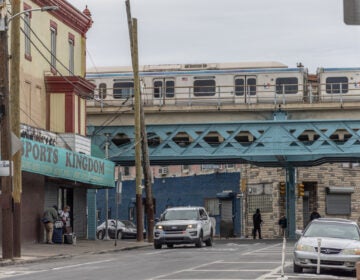
The Market-Frankford Line in the Kensington neighborhood of Philadelphia, May 9, 2024, a day after city officials orchestrated a sweep of encampments in the area. (Kimberly Paynter/WHYY)
From Philly and the Pa. suburbs to South Jersey and Delaware, what would you like WHYY News to cover? Let us know!
Philadelphia will begin to enforce new rules and restrictions on mobile service providers in Kensington this week, according to city notices.
As of Dec. 1, all mobile units operating in District 7 will need new city permits. They will only be allowed to operate in a few locations, or for a limited time while providing wound care, harm reduction supplies, food, clothing and other services in the area.
However, specific details about enforcement mechanisms are unknown. City officials did not immediately respond to requests for additional information.
Many longtime Kensington residents, families, businesses and supporters of the new regulations hope they will improve quality of life in the area by reducing littering, public drug use and other issues that they say occurs with mobile provider activity.
But doctors, nurses, public health experts and harm reduction activists are concerned that the restrictions will significantly limit access to care and support for people struggling with drug use and homelessness.
Enforcement of new mobile service restrictions
City Council passed the new District 7 ordinance earlier this year, with controversy. But the restrictions have not been enforced until now, several weeks after the city created a new permit application system for all mobile providers.
The new regulations apply to mobile service teams that operate in parts of Kensington, Fairhill, Juniata Park, Feltonville, Frankford, Hunting Park and North Philly.
All mobile groups throughout the city must obtain either medical or non-medical permits through the city departments of Public Health and Licenses and Inspections, respectively, regardless of where they will operate.
In District 7, approved mobile providers offering medical care will only be allowed to operate at two locations: 265 East Lehigh Ave., adjacent to the city-run Kensington Wellness Support Center; and along East Allegheny Avenue between Kensington Avenue and F Street during the overnight hours of 11 p.m. to 6 a.m.
The city has received a total of nine medical permit applications as of Wednesday, eight of which have been approved. Four providers have specifically indicated they wish to operate in Kensington, according to city officials.
L&I has approved and issued 33 nonmedical mobile provider permits in District 7 to groups that offer food, clothing and other services, city data show. Provider vehicles can park on city streets for no longer than 45 minutes at each spot before they must move at least 1,000 feet away to a different location.
Groups that violate the new rules could face fines of up to $1,000, according to the city ordinance.
Some health and harm reduction organizations that have already obtained new permits said they have not yet received information from the city on moving locations to the designated parking lot on East Lehigh Avenue for medical services.
The Everywhere Project posted on social media that it would hold its weekly Saturday outreach event outside in Kensington as normal, regardless of the new restrictions, since the group does not consider itself a mobile provider that offers services from a vehicle.
Outreach teams that distribute food in Philadelphia are already required to get a city permit to do so.
Related Content
The bill dictates when and how mobile van service providers can operate in Kensington as they support people who are homeless and using drugs.
11 months ago
Listen 1:07Efforts to expand mobile provider restrictions in Northeast Philly
Residents and council members in nearby District 6 want to take things a step further and ban mobile service providers entirely. The district includes a large portion of lower Northeast Philadelphia and neighborhoods that border Kensington like Harrowgate.
“For years, residents, community leaders and volunteer groups have been patient, collaborative and proactive in advocating for cleaner, safer neighborhoods,” Harrowgate resident Darlene Abner-Burton said during a public hearing last week. “Even so, the value and impact of unmanaged mobile activity has far exceeded what residents and volunteers can reasonably mitigate on their own.”
Council’s Committee on Licenses and Inspections recently approved a bill that would ban mobile service providers from operating anywhere in the district.
Related Content

Changing the portrayal of Kensington, some residents say, starts with amplifying the positive work being done to uplift communities — "something we can all be proud of.”
2 years ago
Listen 1:15Abner-Burton, who is a community activist and member of Friends of Harrowgate Park, said she and her neighbors have dealt with excessive litter, discarded needles, and medical and human waste stemming from people living on the street with untreated addiction or mental health issues.
She believes the new bill would protect residents from these conditions and hold mobile service providers accountable for their activities.
“I did not move there to go and have to endure the things that I have to endure on a daily basis,” Abner-Burton told city council members. “I moved there for a life for my children. And now I have grandkids who can’t come and see me because of where grandmom lives at.”
The quality-of-life issues are valid concerns, said Kelly Flannery, policy director of the Positive Women’s Network, a national organization with a local team in Philadelphia that supports transgender people and women living with HIV.
But Flannery argued that mobile provider groups are critical in connecting people to treatment, preventing infectious diseases and reducing barriers to care, including lack of transportation, health insurance and stigma.
She criticized the bill for not including any alternative locations for mobile providers to operate in or suggestions for other kinds of services that could fill the gaps left behind by mobile providers.
“It’s pulling health care resources out of the 6th Council District,” Flannery said at the recent public hearing. “It will result in restricted access to lifesaving care, increased HIV transmissions and preventable deaths.”
Council could vote on the new restrictions as soon as this month.

Get daily updates from WHYY News!
WHYY is your source for fact-based, in-depth journalism and information. As a nonprofit organization, we rely on financial support from readers like you. Please give today.
The city must create a new permit system before it can enforce where and when service providers can offer addiction and homelessness outreach in Kensington.
9 months ago
Listen 1:15
The bill dictates when and how mobile van service providers can operate in Kensington as they support people who are homeless and using drugs.
11 months ago
Listen 1:07
Prevention Point Philadelphia in Kensington offers HIV testing every day. The organization also has the largest syringe services programs in the city.
2 years ago