‘We have to save ourselves’: Philly nonprofits are fighting for survival after a key sponsor lost more than $400,000
The collapse of the Federation of Neighborhood Centers has left nonprofits scrambling to recover lost funds.
Listen 2:50
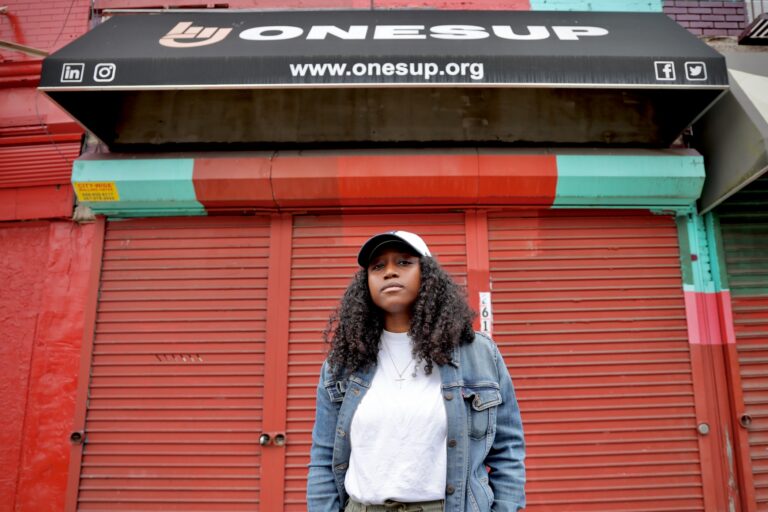
Marisha Marsh, co-executive director of Ones Up, a nonprofit career development program in North Philadelphia. The organization was shuttered when its fiscal sponsor, the Federation of Neighborhood Centers, collapsed. (Emma Lee/WHYY)
From Philly and the Pa. suburbs to South Jersey and Delaware, what would you like WHYY News to cover? Let us know!
A group of Philadelphia nonprofit organizations is collectively fundraising to replenish funding lost when the Federation of Neighborhood Centers Inc.’s fiscal sponsorship shuttered Dec. 31.
Twenty-four small organizations that had contracted their financial management to FNC collectively lost $426,081, according to a report by Social Impact Services.
“A few organizations had to close their doors. People have lost their jobs. Thousands of people across the city have lost their services,” said Janine Spruill, founder and director of the youth media project Lil’ Filmmakers. “Though we are the victims, we have to save ourselves.”
Spruill, along with Marisha Marsh and Keyssh Datts, two other leaders impacted by FNC’s demise, launched the Restoring Our Projects campaign to recover funds for all affected organizations. The campaign includes Hard Raise on a Good Day, a fundraising effort that will allow these organizations to apply for relief.
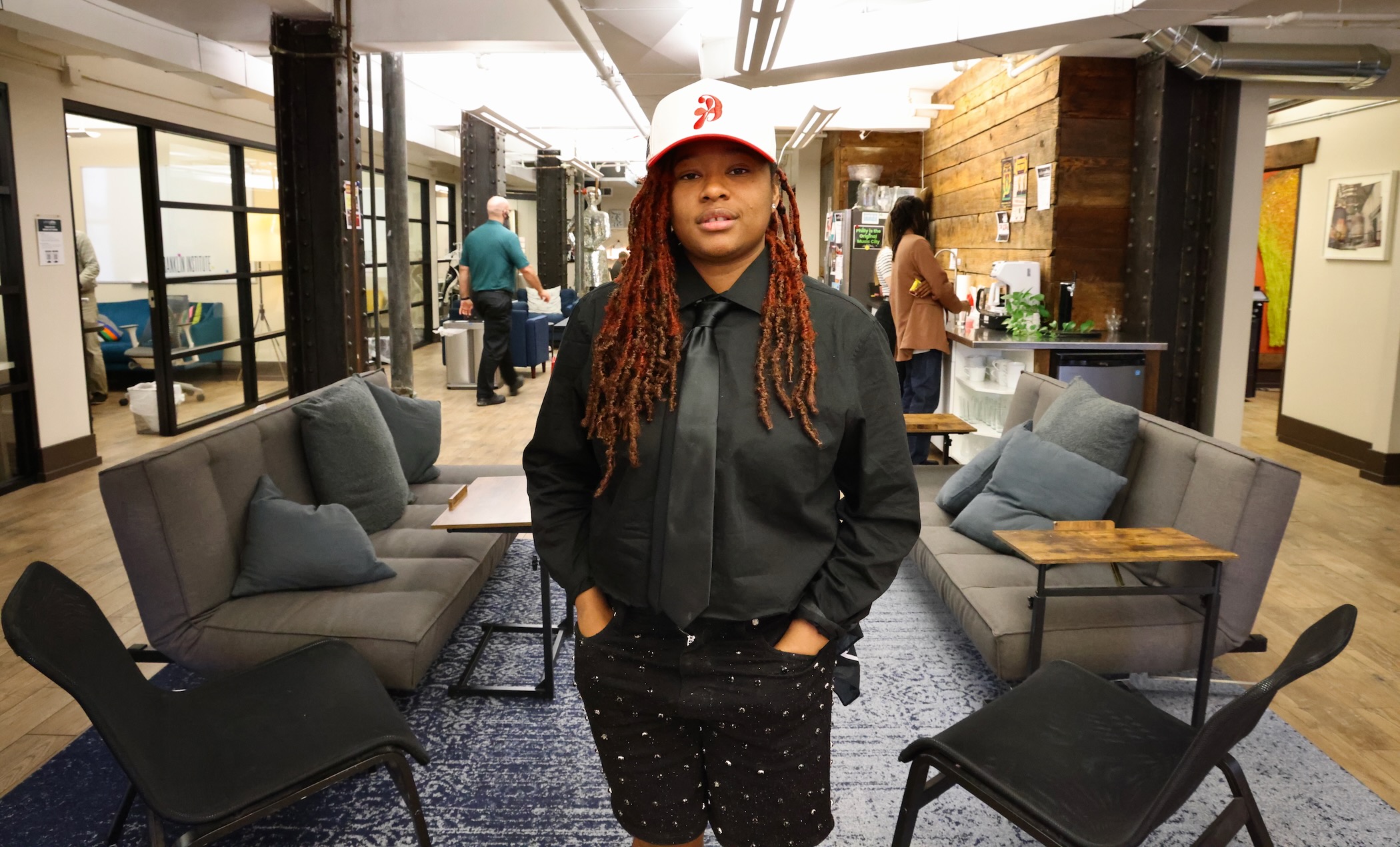
The campaign states that a total of 62 organizations lost $719,812 to FNC, but the financial review of FNC by Social Media Commons shows that there are 24 existing, active FNC sponsorship clients with a loss of $426,081.
FNC said it has begun repairing the damage by raising relief funds for organizations that lost money through its fiscal sponsorship program. However, CEO Demir Moore said fundraising takes time.
“We’re working to get the organizations back on their feet,” Moore said. “I lose sleep trying to figure out how to help organizations thrive.”
Moore was not able to say when relief funds could be raised.
“A lot of people don’t have time to wait a year or two years to get their money back,” Keyssh Datts, founder of Decolonize Philly, said. “People have had their cars towed. People have had to move. People had to lay off staff. People had to experience the mental and physical effects of it.”
Related Content
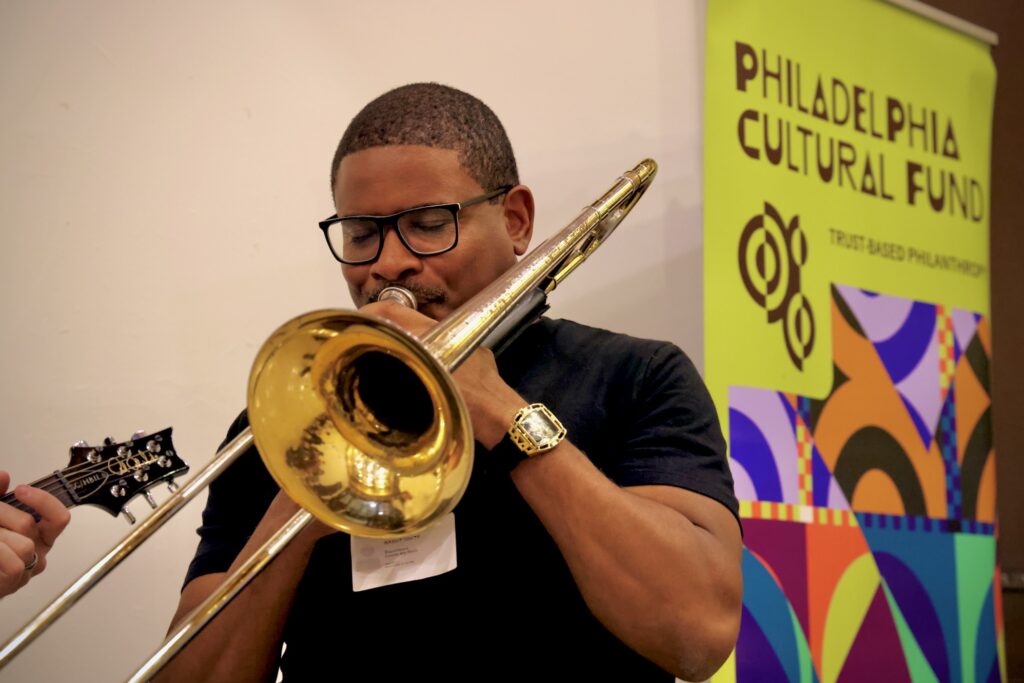
Philadelphia budget 2026: Isaiah Thomas, Rue Landau want $6 million allocated for arts
With funding turbulence at the federal and state levels, elected officials are calling for the city to pick up some of the slack.
6 months ago
Listen 1:26What is a fiscal sponsor? How did FNC collapse?
Small organizations without nonprofit 501(c)(3) tax status or an administrative infrastructure often rely on fiscal sponsors to receive and track grant money on their behalf.
Many government agencies and private foundations will not consider supporting an organization without a recognizable financial system in place, making fiscal sponsorships an important element of the nonprofit sector.
“You don’t have to go through the whole process of establishing a full board of directors. You don’t have to do all of the legal and compliance and complex grant management,” said Kara Wentworth, executive director of The Nonprofit Center in Philadelphia. “You can have a fiscal sponsor, that is already good at that and has all of that in place, do it for you and you get to focus on doing the good work.”
Last summer, several nonprofits that were fiscally sponsored by FNC began to notice problems, according to several nonprofit leaders interviewed by WHYY. Bills were not being promptly paid and staff were not receiving paychecks.
Marsh’s organization, Ones Up, fostered youth vocations by placing young people in short-term, paid jobs in their fields of interest. Last year, she held a meeting for teenagers, parents and supporters for what was supposed to be a summer kickoff event, but turned into a confession that her organization was inexplicably broke. Teens who were learning what it meant to work in a field of their passion were suddenly told they wouldn’t be paid.
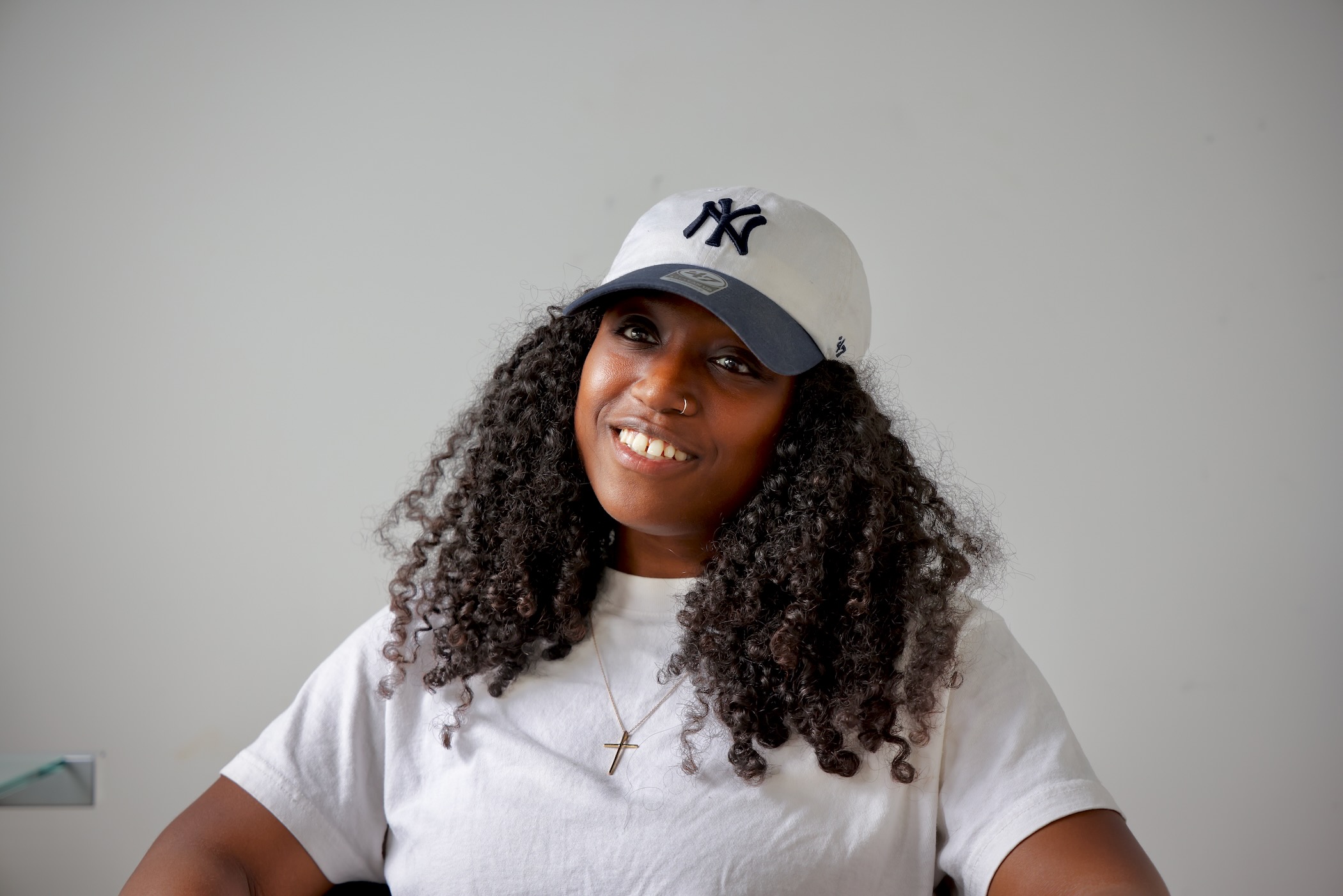
“It’s really difficult even now thinking back to what it was like to be in that room and have to share that news,” Marsh said. “You’ve got young people crying.”
Marsh, who said she had been running a roughly $800,000 organization, closed Ones Up permanently due to the FNC crisis, and currently has no plans to bring it back.
Related Content

Philadelphia culture leaders ‘gravely concerned’ about changes to Pennsylvania’s arts funding
The Pennsylvania Council on the Arts has shifted funding guidelines toward economic development. Local culture leaders are upset.
8 months ago
Listen 1:41How did FNC lose hundreds of thousands?
FNC CEO Moore said the center grew too quickly, taking on more clients without proper financial guardrails.
“Things that should have happened and could have happened, didn’t happen,” Moore said.
According to a review of financial records by the Social Impact Commons, FNC had been taking in funds raised by its client nonprofits but not tracking how it distributed them. So money allocated for cash-positive organizations was filling the financial gaps of organizations that were cash-negative.
“It’s actually not a very complicated problem,” said Thaddeus Squire, chief steward of Social Impact Commons. “They got to a point where they were robbing Peter to pay Paul. Eventually, you can’t pay Peter back.”
Moore said the problems at FNC were more complicated than that. The organization got caught up in the demise of FlipCause, an online platform for managing nonprofit assets, which filed for bankruptcy last year and was accused of withholding funds. FNC reportedly lost more than $84,000, due to FlipCause.
Moore also said many of FNC’s clients have reimbursement grants, meaning the money is not released until the organization shows how it has already been spent. Small nonprofits typically operate on tight margins with little savings. Without FNC offering a cash cushion or a line of credit, waiting for money to arrive can cripple an organization, he said.
Ultimately, Moore admits the blame rests on FNC.
“Was it a perfect system? No,” he said.
Related Content
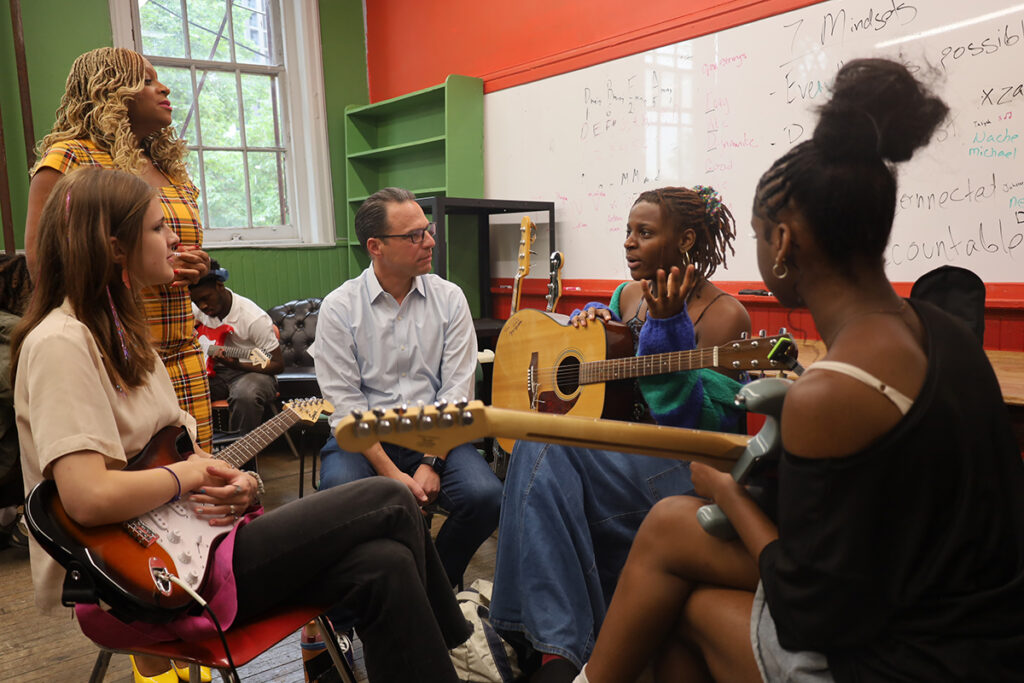
While state law mandates districts to make arts classes available, public education funding disparities have meant that some schools are still catching up.
9 months ago
Listen 1:12Troubles in the nonprofit sector
Over the past two years, the nonprofit sector has been pummeled by financial stressors. A new report by the Center for Effective Philanthropy shows the cumulative effect of federal funding rescissions, an increased demand for social services and the instability of communities due to federal immigration raids has put enormous strains on the health of nonprofits.
In Pennsylvania, state legislators passed the 2025-26 budget a record 135 days late, delaying promised payments to nonprofits, who had to subsequently take on debt to keep services afloat.
“The cumulative effect, when you are an organization that holds a lot of organizations under you, must be huge,” said Wentworth, of The NonProfit Center at LaSalle. “We see how it’s impacting individual organizations, but if you got 60 to 100 smaller nonprofits together in a room in this year, how many of them statistically are faltering or having a challenging year?”
Kimberly Kirn, executive director of the Philanthropy Network of Greater Philadelphia, said the fiscal sponsorship model is crucial to the philanthropic system, despite the problems at FNC.
“Fiscal sponsorship can serve as a strategic and highly effective operational model, offering flexibility and infrastructure support at a moment when many organizations are navigating profound uncertainty,” Kirn said in an email.
“What happened at FNC has been deeply painful, and the work of repair for the stakeholders involved is still ongoing. However, I believe this moment could lead to broader field-building efforts that strengthen the practice of fiscal sponsorship overall and increase investment in fiscal sponsors themselves,” she added.
What’s next for organizations impacted by FNC’s collapse?
The Hard Raise on a Good Day campaign is the first of a three-prong effort by the 24 nonprofits impacted by the demise of FNC’s fiscal sponsorship program.
“The plan is relief, restore and reform,” Spruill said. “We’re still in relief.”
After raising money to get the two dozen organizations out of debt, the campaign wants to restore services that were abruptly forced to shutter, or support organizations winding down their community programs in a way that doesn’t leave anyone in the lurch.
The third and final rung is reform.
A failed fiscal sponsorship program is not unique to FNC. It has happened, albeit infrequently, in cities across the country and has triggered worrisome ripples across the philanthropic community.
Marsh, of Ones Up, said more oversight is needed to run nonprofit financial services, and she wants to be in the room when those policies are decided.
“We need to start thinking differently about fiscal sponsorship and what that looks like, what accountability looks like when it comes to the nonprofit sector philanthropy,” she said. “We want to be a part of those conversations.”

Get daily updates from WHYY News!
WHYY is your source for fact-based, in-depth journalism and information. As a nonprofit organization, we rely on financial support from readers like you. Please give today.
Philadelphia Foundation hires its first chief impact officer
Philip Fitzgerald, the nonprofit organization’s new chief impact officer, will focus on economic mobility, community safety and youth development.
2 years ago
Philly’s Benefits Data Trust shutters after 20 years. Laid-off workers say they still want answers
Hundreds of workers lost their jobs at the end of August and now some may have to apply for the same government assistance programs they helped others navigate.
2 years ago
Philly’s new Center for Leadership Equity wants to support Black nonprofit executives – here’s how
Organizers say the Center for Leadership Equity aims to support, advocate for and invest in Black nonprofit executives in Philadelphia.
2 years ago