

Dover’s only women’s shelter faces possible closure as funding runs out, leaving dozens with nowhere to turn
A critical funding gap could force House of Hope to close, leaving vulnerable residents without safe housing or support services.
Listen 1:40
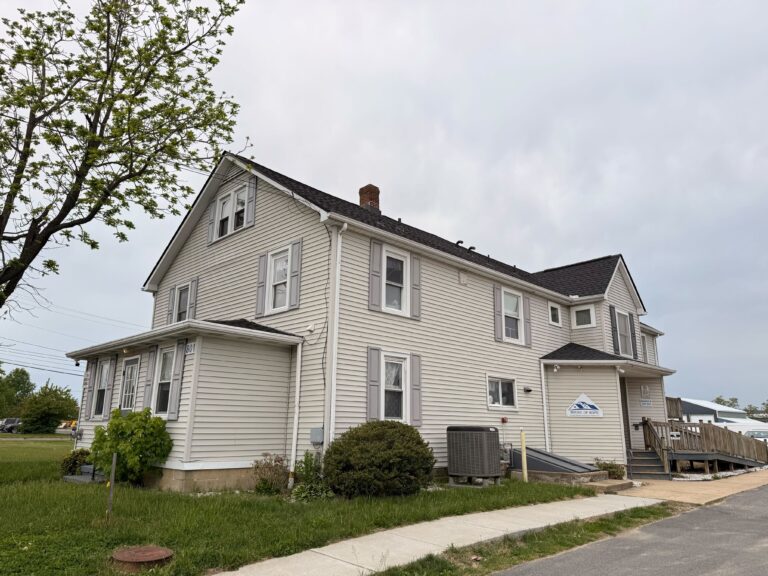
The House of Hope is the one women's shelter in Kent County, and one of three women's shelters in the entire state. (Johnny Perez-Gonzalez/WHYY)
What are journalists missing from the state of Delaware? What would you most like WHYY News to cover? Let us know.
A Delaware emergency shelter that has served nearly 100 women in the past year — many fleeing violence, battling untreated mental health conditions or facing homelessness — is now at risk of shutting its doors.
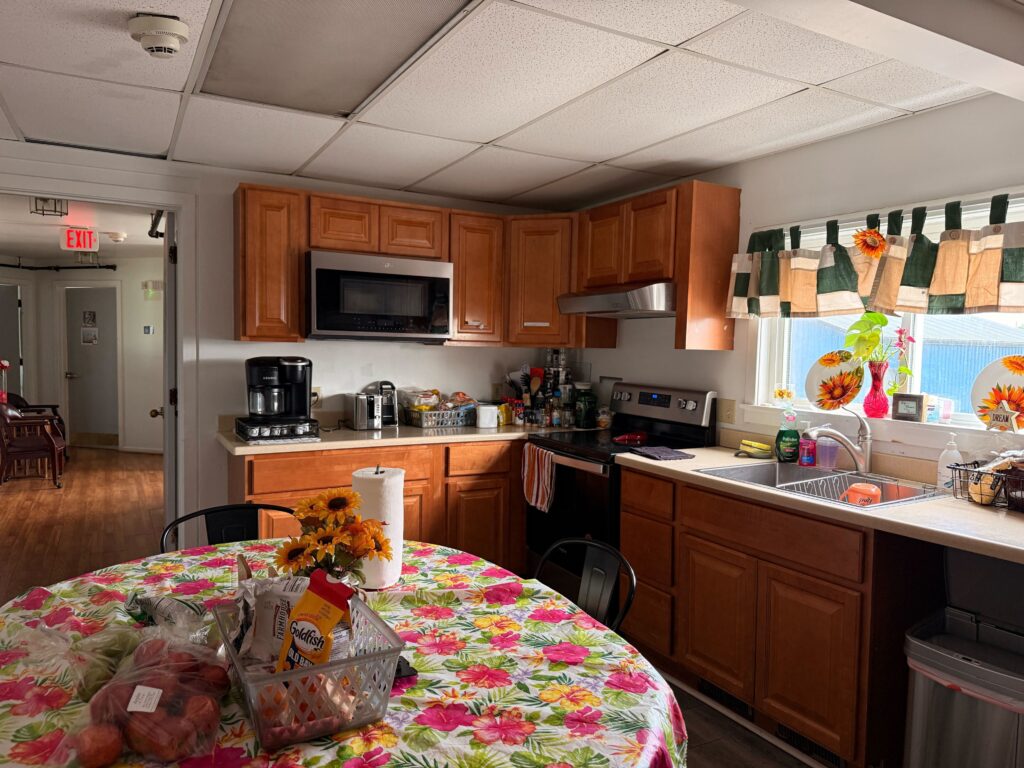
At House of Hope in Kent County, leaders say funding shortfalls could force difficult decisions in the coming months. The 16-bed shelter is the only one of its kind serving women in the county, and is one of three in the state.
The shelter offers the women who live there more than just a bed. It provides short-term housing and support for those with nowhere else to turn.
“While they’re here, they can still stay here up to 45 days. And we provide case management,” said Larry Merchant, the shelter’s board chair. “We help them get résumés, Social Security cards, IDs. We are not a clinical facility. We don’t offer mental health, but we give them the right resources where they can receive mental health if they need it.”
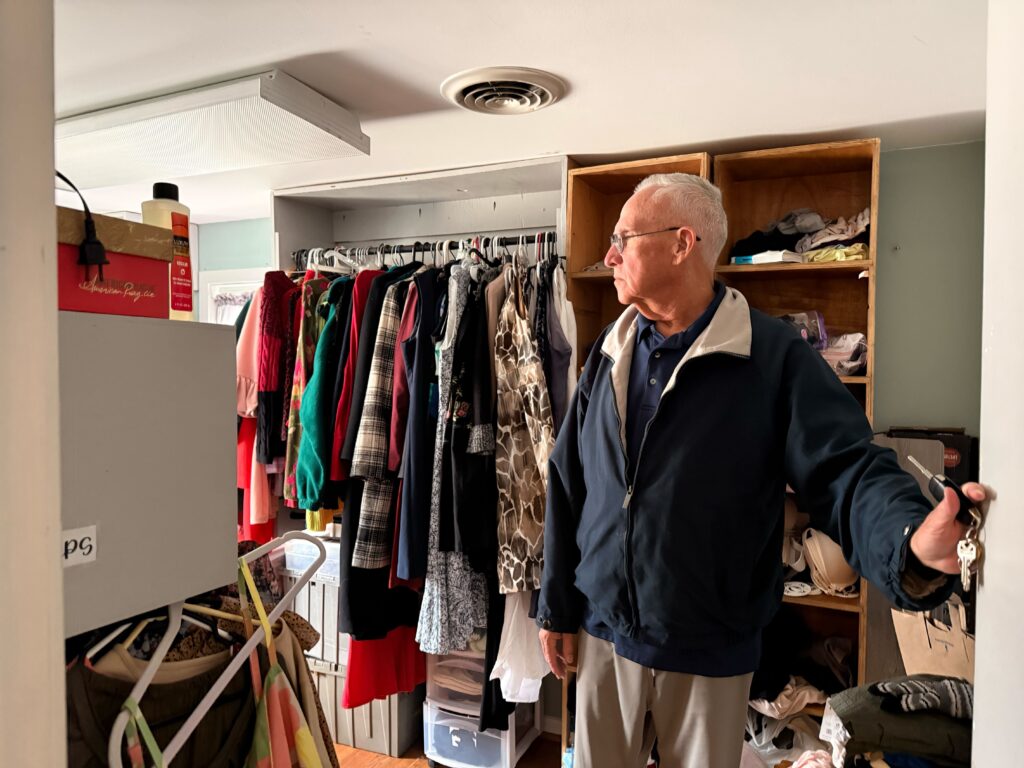
According to Merchant, the need for that support has changed dramatically over time.
“Thirty years ago, the homeless population tended to be people who had been through a divorce, a major family crisis, or had unpaid medical expenses, and they ended up homeless,” he said. “Over the years, I’ve seen that progress more towards, quite honestly, people with untreated mental health, domestic violence backgrounds, substance abuse backgrounds, and simply the inability to afford housing.”
And the broader issue, he said, is simple.
“Housing, period, is an issue,” he said. “Affordable housing is the issue.”
Related Content
The legislation would allow lawsuits against localities for violating an unhoused person’s civil rights.
6 months ago
Listen 0:53House of Hope was created after city leaders in Dover identified a gap in services for women experiencing homelessness. Through community research and a needs assessment, officials found that women were among the least-served populations.
Now, funding has become one of the shelter’s biggest challenges.
“So many funding organizations have cut back,” Merchant said. “They’re the same people who are competing for funds with less money being distributed, and we have just not gotten the funding that we normally get.”
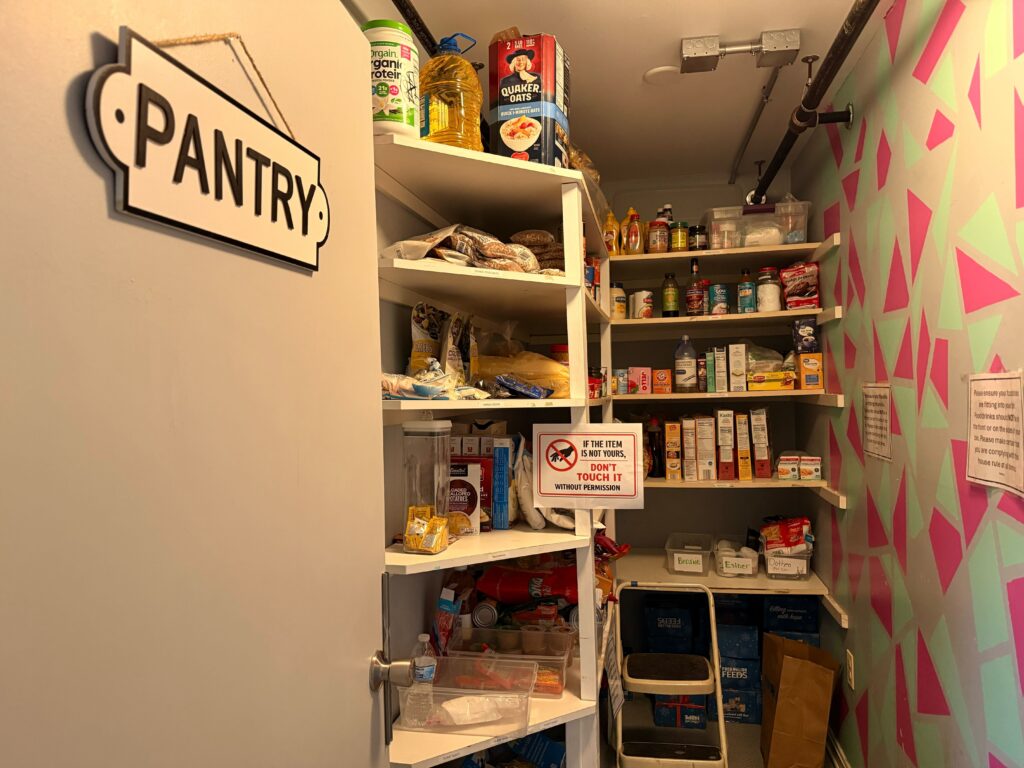
That funding problem has most acutely affected staffing at House of Hope.
“We are open seven days a week, 24 hours a day. We have as many as 15 women here. We have to have staff here. We have one staff person per shift. And it really impacts how we pay the staff,” he said. “We may have enough money for food. We may have enough money for the basics … the utilities. But if we don’t have money for staff, we can’t stay open.”
Related Content
Current state laws against panhandling are not in effect because of First Amendment concerns by civil rights groups.
8 months ago
Listen 0:56A medical crisis and nowhere to return
For 56-year-old Sherri Johnson, the path to House of Hope didn’t begin with long-term housing instability — it began with a sudden medical emergency.
Johnson said that while she was hospitalized for a serious health issue, she lost the place where she had been staying, leaving her without a home to return to.
“I had a gastric bleed,” she said. “While I was in the hospital, the person I was renting from said I could not return to their home. That left me homeless, which was crazy to me, because I worked hard, I had an apartment.”
“I ended up at the Hope Center, another shelter. I stayed there for 90 days, and then I had to find somewhere else to go. So social services sent me here,” she said referring to House of Hope, where she currently resides.
Her situation reflects a growing reality among women entering shelters — where health challenges, housing instability and limited protections can suddenly intersect.
For Johnson, the shelter represents more than just temporary housing — it’s a bridge back to independence. Before her health challenges, she spent over two decades working in banking, a life she says she is determined to rebuild.
“I’m enjoying it, it’s definitely uplifting me and it’s teaching me a lot of things. I am actively looking for housing. I’m looking at websites; where there’s assistance, I constantly ask questions because this thing is new to me,” Johnson said. “I was in the banking field for over 20 years. You know, I was able to be independent and I’m trying to get back there.”
But the uncertainty surrounding House of Hope’s future is difficult to ignore. The possibility of closure brings a new layer of fear to an already fragile situation.
“Lost, afraid and rushed in the journey, because I want to find an apartment, but you know, that’s a process as well,” Johnson said. “If that happens, I don’t know what I would do. … A lot of women are here for safeguard. I’m here because of my health.”
Merchant says the shelter will be able to sustain itself for only a couple more months.
“As of last week, we have enough to get us through until probably the beginning of July,” he said.
In an effort to stay open, the organization is turning to the community, planning its first formal fundraiser on May 23 at the Modern Maturity Center in Dover. Leaders hope the event will draw attention to House of Hope’s circumstances and raise the financial support needed to sustain the shelter beyond the summer.

Get daily updates from WHYY News!
WHYY is your source for fact-based, in-depth journalism and information. As a nonprofit organization, we rely on financial support from readers like you. Please give today.
Part of the series

Part of the series

La falta de plazas en albergues y de asistencia para el alquiler está contribuyendo a que más personas en Wilmington y en todo Delaware vivan en la calle.
2 weeks ago
The lack of shelter beds and rental assistance is contributing to more people in Wilmington and across Delaware living on the streets.
3 weeks ago
Listen 0:53
Ben Schweers is a trial attorney based in Pittsburgh. This summer, he decided to take a break from legal work to be a lifeguard.
1 month ago