Philly pediatricians are using GLP-1 drugs to treat childhood obesity, but cost can be a major barrier, CHOP doctors find
Out-of-pocket costs, insurance coverage, side effects and a lack of long-term safety data can be barriers to medication for childhood obesity.
Listen 1:18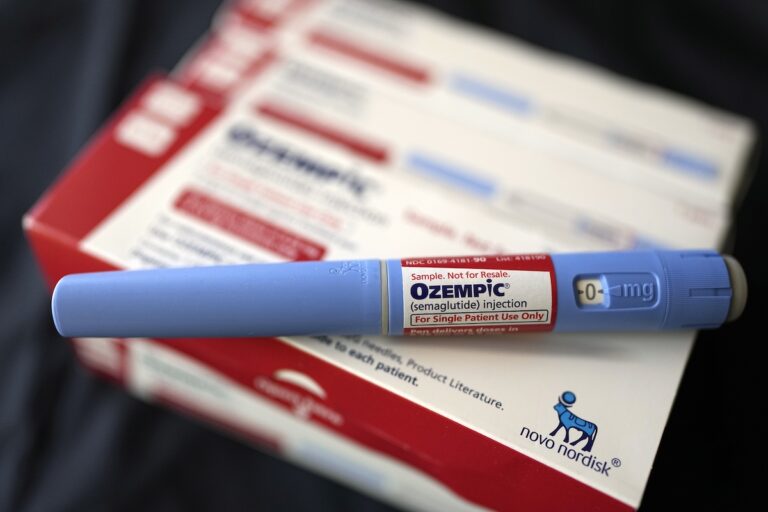
The injectable drug Ozempic is shown Saturday, July 1, 2023, in Houston. (AP Photo/David J. Phillip)
From Philly and the Pa. suburbs to South Jersey and Delaware, what would you like WHYY News to cover? Let us know!
Dr. Rachana Shah’s patients are children, but some have developed health issues that are usually prevalent in older people: sleep apnea, joint pain or pre-diabetes.
As a pediatric endocrinologist at Children’s Hospital of Philadelphia’s Health and Well-being Clinic, many of Shah’s young patients have obesity.
The overall impact of obesity makes it important to start treating it early, she said.
“Pediatric obesity is a predictor of obesity in adulthood, and can lead to many different metabolic and other organ system diseases,” she said. “Watching and waiting for years or decades is not the right approach.”
Early approaches to treatment always start with helping kids and their families make changes to eating habits, physical exercise and other lifestyle factors like screen time, mental health and sleep.
But those steps alone may not help some children reach a healthy weight, Shah said, as things like genetics, hormones and changes in the brain, gut and liver can affect appetite and weight regulation.
“So, when we are seeing that these health behavior or lifestyle changes are not having an impact, and particularly when we’re already starting to see pre-diabetes, sleep apnea … it’s even more urgent to think about expanding our approach beyond just continuing the nutrition and exercise,” she said.
That’s when medications may come in. Use of glucagon-like peptide-1 receptor agonists, known as GLP-1s, has skyrocketed among adults, but they’ve only been approved for children in the last several years.
Experts say these drugs could be a useful tool in fighting a growing epidemic of childhood obesity, and the number of adolescents taking medications has sharply increased nationally. Still, CHOP researchers found that only a fraction of eligible kids ultimately get a GLP-1 prescription. Even after they do, families struggle with cost and insurance coverage issues that make it hard for their children to stay on the medication.
Side effects and gaps in follow-up care are also causing disruptions in medication use, according to CHOP’s findings, recently published in the journal Pediatrics.
“There continue to be a lot of barriers, even after you get a prescription for these medications, to actually being able to use them in a sustained way,” said Dr. Emily Gregory, a primary care physician and researcher at CHOP. “And I think we’re starting to see hence that, as they’ve seen on the adult side, that the roll out of these medications could reinforce some of the inequities we see in access to care and treatment.”
Related Content
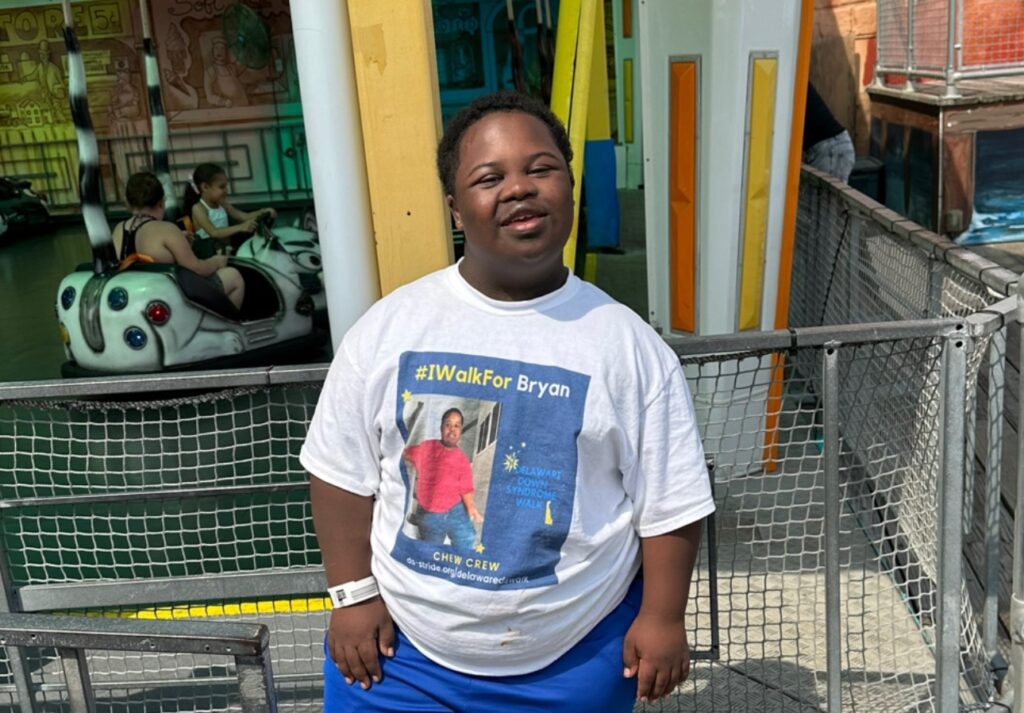
Bariatric and metabolic surgery has proven safe and effective in treating teens for obesity, but less than 1% of eligible patients get the procedure.
5 months ago
Listen 6:17GLP-1 prescribing for kids and teens remains limited, study shows
Historically, GLP-1 medication use in the pediatric population was limited almost exclusively to a small percentage of kids with Type 2 diabetes. It wasn’t until 2020 when the U.S. Food and Drug Administration approved a GLP-1 daily injection medication for childhood obesity.
Even then, prescribing didn’t really pick up until after 2022 when the FDA approved a weekly GLP-1 injection medication. The American Academy of Pediatrics updated its guidelines in 2023 on childhood obesity to say that medication, as well as bariatric surgery, should be offered earlier as treatment options alongside lifestyle changes.
CHOP researchers examined GLP-1 prescribing trends and data at the specialty weight management clinic in Philadelphia. Only about 20% of kids between 12 and 17 years old who were eligible for medication intervention had been given a prescription.
Hesitancy can contribute to some of that low uptake, Shah said, especially when parents want to see long-term efficacy and safety data for kids who use this medication, which doesn’t exist yet.
“Sometimes, the hesitancy is from the patient themselves,” she said, “not wanting to give themselves an injection or not wanting to take a treatment that might be lifelong, which is understandable for a 12-year-old or even an 18-year-old.”
But researchers also noted disparities in GLP-1 prescribing. Patients who got medication tended to be older teens, girls and people whose preferred language was English.
They were also more likely to have the highest body mass index scores, or BMI, and already struggle with higher cholesterol and blood sugar levels, according to the study results.
Related Content

American kids have become increasingly unhealthy over nearly 20 years, new study finds
Kids' health "reflects what’s happening in society at large,” said Christopher Forrest, a pediatrician at the Children’s Hospital of Philadelphia and a co-author of the study.
1 year ago
Cost issues become a leading cause of medication interruptions
Of the kids and teens with a GLP-1 prescription at the CHOP clinic, researchers found that 60% experienced some interruption to medication treatment, with the most common issues involving cost or lack of insurance coverage.
Access to treatment then comes down to families who can afford to pay for it out-of-pocket, which creates an equity issue and forces children who could benefit the most from intervention to stop, Shah said.
“It’s extremely disheartening,” she said. “I think a lot of families thought that the treatment, when it is effective, was life-changing and really put their child or themselves on a much better track in terms of their health.”
Identifying cost pitfalls has pushed the health system to find solutions sooner rather than later to support patients, Gregory said. But continuous changes in insurance coverage policies make the situation complicated.
“We’ve really been able to work with our specialty pharmacy to help address some of those issues,” she said. “But it’s a moving target. New challenges keep popping up.”
In addition, even though roughly 40% of children in Philadelphia are overweight or obese, only a fraction of them access a specialty weight management clinic, Gregory said, where most of these prescriptions are issued.
Increasing medication prescribing in primary care offices and settings could help increase access, Gregory said, but there is still a lot of work to be done in figuring out how to reduce these barriers to care and how to best deliver treatment in the most cost-effective, safe and effective ways.
“Primary care just sees a much broader, better swath of the population than specialty care does,” she said. “So, I think we’re going to see, whether here or elsewhere, we’re going to see that coming as well.”

Get daily updates from WHYY News!
WHYY is your source for fact-based, in-depth journalism and information. As a nonprofit organization, we rely on financial support from readers like you. Please give today.
Women in the study who were obese and taking GLP-1 weight loss medications were 30% less likely to develop breast cancer than other women.
4 months ago
Listen 1:23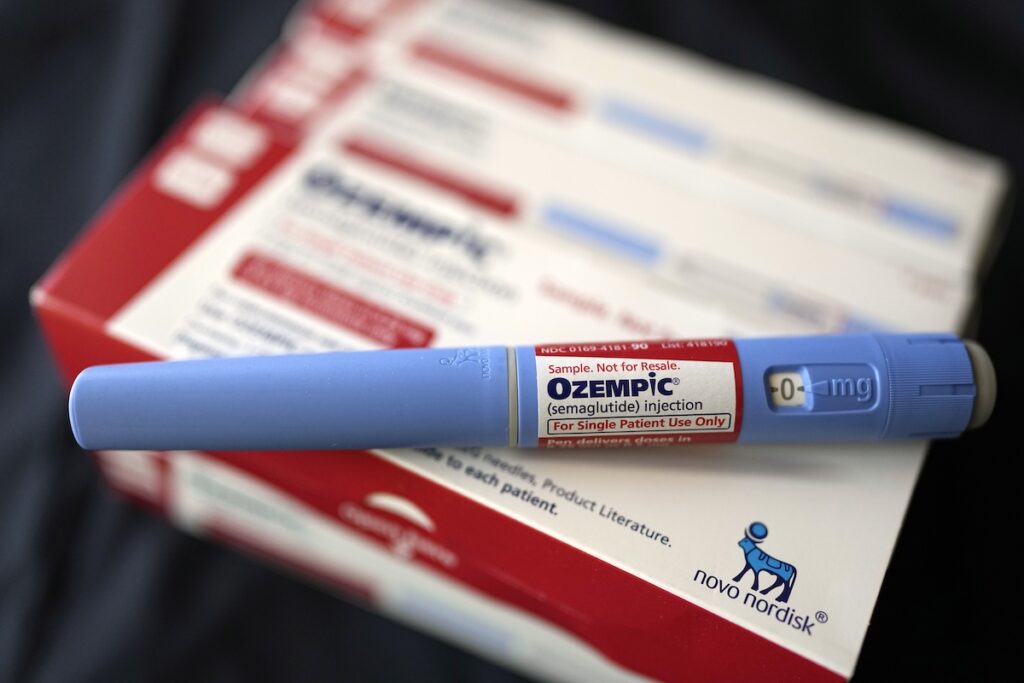
Delaware report shows growing use of GLP-1 meds are driving increased spending, not drug price tags
Costs to Delaware patients and health insurers for GLP-1 drugs have remained flat while utilization has more than doubled in recent years.
1 year ago
Listen 1:14
Riverside is undergoing a monumental transformation with 800 new homes, a STEM Hub and new teen and community centers.
1 year ago
Listen 1:44