

A Swedesboro family turned to weight-loss surgery for their 15-year-old son. As childhood obesity rises, it can be a viable option
Bariatric and metabolic surgery has proven safe and effective in treating teens for obesity, but less than 1% of eligible patients get the procedure.
Listen 6:17
Before: At 15, Bryan weighed about 199 lbs. at just over 4 feet tall in 2024. He struggled to walk and do activities he liked. He also has Down syndrome, which puts him at a higher risk of obesity and weight-related health issues. (Courtesy of Sheriese Coy-Armour)
From Philly and the Pa. suburbs to South Jersey and Delaware, what would you like WHYY News to cover? Let us know!
Sheriese Coy-Armour’s son, Bryan, wasn’t very active a couple years ago. A lot of it had to do with the 15-year-old’s weight, which came in just under 200 pounds despite his short stature of 4 feet.
“He was just getting bigger, and he’s getting bigger wide, not bigger tall,” said Coy-Armour, who lives in Swedesboro, New Jersey, with her family.
Bryan has Down syndrome, a genetic condition that comes with developmental delays and intellectual disabilities. Kids with this condition are more likely to develop obesity and weight-related issues like Type 2 diabetes compared to their peers.
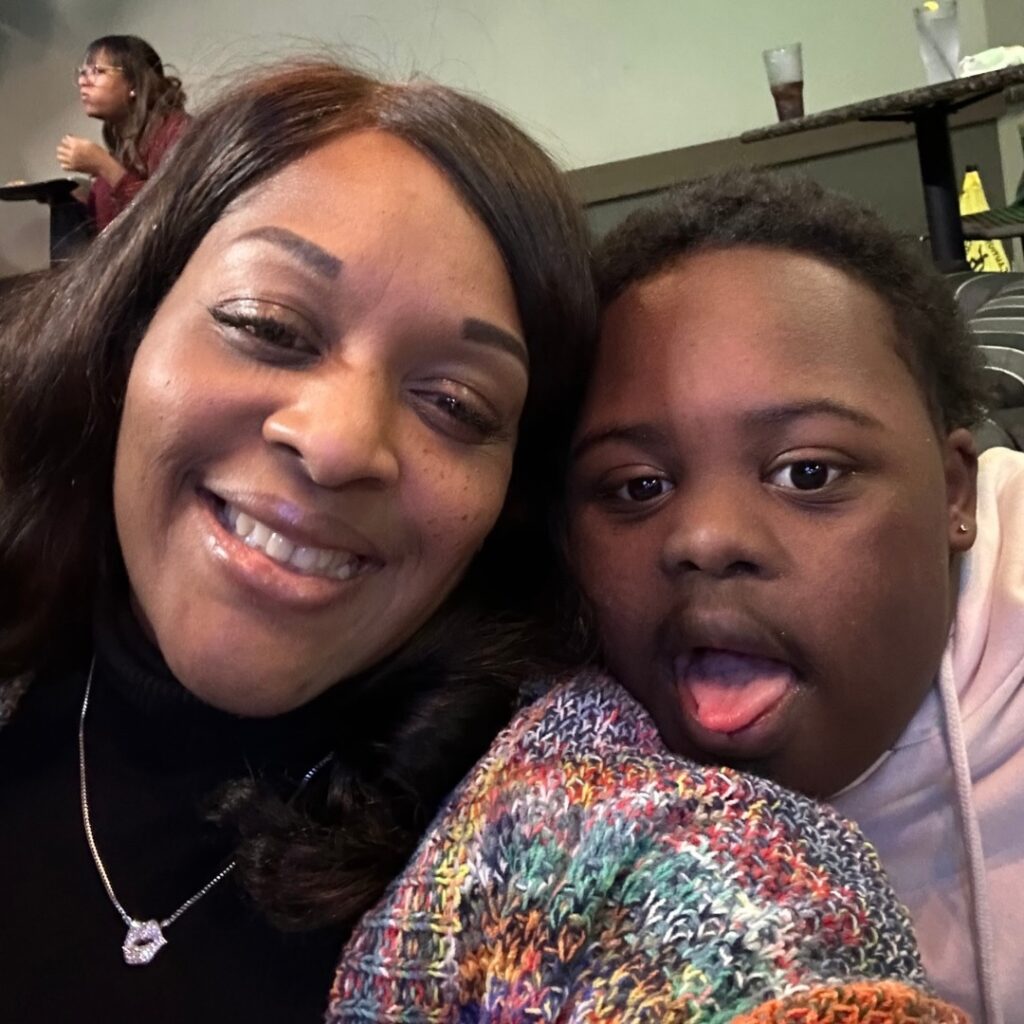
His weight and lack of energy made it difficult to walk at times and keep up with his family or friends at the park. It limited his options when it came to after-school activities like track and field, where he would throw shot put, but not because he liked it, his mother said.
“’Cause that’s normally what they have like bigger-gut people doing, the kind of overweight people,” Coy-Armour said.
But now, Bryan is running alongside his classmates at practices and meets, taking boxing classes and keeping a busy schedule of activities. He’s lost more than 70 pounds over the last year and a half, ever since he got metabolic and bariatric surgery at Nemours Children’s Hospital in Delaware.

“It’s been exciting to watch him do it,” his mother said. “Him not needing someone to constantly hold his hand and pull him around and, ‘Come on, Bryan!’ Or him having to sit out for field day and having to throw the shot put even though he hates it just because that’s what the bigger kids do. I mean, I don’t want him to be looked at as the fat kid. He’s not the fat kid anymore. Now, he’s like in the mix of everything else.”
Related Content

American kids have become increasingly unhealthy over nearly 20 years, new study finds
Kids' health "reflects what’s happening in society at large,” said Christopher Forrest, a pediatrician at the Children’s Hospital of Philadelphia and a co-author of the study.
1 year ago
Introducing obesity surgery early as a treatment option
Childhood obesity has been on a staggering rise for the last two decades. Nearly one in four kids is considered obese today. A lot of investments are made in prevention efforts, but many doctors and health providers are also focused on treating kids already diagnosed with obesity and related health issues.
Only a small percentage of obese adolescents — less than 1% — end up getting surgical treatment. It may seem like a drastic or extreme step, but research shows the procedures are overwhelmingly safe and effective.
Most teens with severe obesity lost a significant amount of weight after surgery, according to national research studies that tracked health outcomes among adolescents for 10 years. Many had a lower body mass index even a decade later into young adulthood, data from the national Teen-LABS study showed. Medication use for Type 2 diabetes and high blood pressure also dropped dramatically.
The American Academy of Pediatrics updated its clinical guidelines in 2023 on childhood obesity — the first time in about 15 years — and stated that weight-loss medications and surgical procedures should be considered and offered earlier alongside therapy and lifestyle changes for long-term success.

But there’s still a lot more work to be done in educating families about the benefits of these options and overcoming a longstanding hesitancy among health providers to suggest surgical intervention, said Dr. Kirk Reichard, a pediatric general surgeon and surgical director of the metabolic and bariatric surgery program at Nemours Children’s Health.
“Obesity in childhood is a big deal in adulthood, and if you can do something about it, you improve the life expectancy of adults,” he said. “It’s a golden window. And that was kind of the other underpinning of the clinical practice guidelines, is there’s no longer justification to wait.”
Related Content

A doctor’s hunt for community-based solutions to childhood obesity
The American Academy of Pediatrics released new guidelines for managing childhood obesity, but the recommendations are a challenge for overwhelmed health systems.
3 years ago
Listen 12:55Obesity lifestyle changes, medications and surgery
After Bryan started gaining a significant amount of weight, Coy-Armour brought her son to Nemours’ weight management clinic “strictly for that: weight management,” she said.
“I never thought about surgery at the time. I didn’t even know it was an option for children,” she added.
Together, they learned about healthy eating and nutrition from dieticians and therapists.
“I learned stuff about how to measure certain things, about how to portion a certain piece of protein or a piece of chicken breast,” Coy-Armour said. She held up her hand and pointed to the size of her palm. “That’s a serving size. I learned things, so it not only helps him, it helps me.”

Improving healthy eating and exercise are still standard in addressing all levels of obesity, Reichard said. And for some kids, that will be enough to help them get to a healthy weight they can manage.
But for others, lifestyle changes alone will fall short. Health providers may talk about incorporating medications that can help suppress appetite and better control hunger to prevent overeating.
Metabolic and bariatric surgical options are also presented to families for kids who may one day be good candidates for the intervention, Reichard said. That can become more of a reality for children with class III obesity, which used to be called “morbid obesity.”
These patients are often experiencing serious chronic health issues like Type 2 diabetes, liver disease, joint pain and mobility complications. Sleep apnea is a common comorbidity of obesity, and some children need continuous positive airway pressure machines to help them breathe at night.
“I mean, we have a lot of kids that come in that are on CPAP already and they’re 14 years old,” Reichard said.
Weight-loss surgery for most pediatric patients is a procedure called sleeve gastrectomy. Surgeons remove a large portion of the stomach that produces the hormones that make people hungry and block other critical hormones that tell people when they are full.
“These are hormones that developed thousands of years ago to help humans survive and now are conspiring to kill them,” Reichard said.
But there are a lot of steps that patients and their families have to go through before getting surgery. Adolescents are evaluated not just for physical and medical eligibility, but also psychologically. Reichard said his team helps identify when weight gain and overeating is a result of a mental health eating disorder rather than a metabolic imbalance.
His team also evaluates if kids and their families can reasonably maintain diet and lifestyle changes post-surgery that are often necessary to successfully treat obesity.
“Not every kid’s going to look me in the eye and say, ‘Please operate on me,’ but almost all of them do at some point,” Reichard said of his patients who are being considered for surgical intervention. “I think many of them, most of them, recognize after a bit that how they feel isn’t normal. Also, you know, if you can’t walk because your knees hurt, you’re never going to be able to exercise, and that becomes a vicious cycle.”
Related Content

Author Emma Copley Eisenberg used a class-action settlement against artificial intelligence to promote body positivity and her new book.
6 months ago
Listen 1:33Looking at long-term benefits of surgery for obesity
Through the weight management program at Nemours, Coy-Armour and Bryan tried several different options. They made diet and lifestyle changes and eventually tried a medication that had to be injected, but that came with challenges. At the time, Bryan wasn’t able to take oral pill medications.
“For me to have to give him an injection every day, it started to hurt him and then he would get upset, and I don’t want him to get upset,” she said.

Eventually, Coy-Armour wanted to learn more about surgical options.
“I’m just envisioning him as he gets older. I mean, as you get older, it gets harder and harder, and then major health concerns come up. Diabetes and all the things,” she said. “And on top of him being developmentally delayed, the world is hard enough. I don’t want to give him anything else to make it harder.”
Coy-Armour knew the surgical procedure came with risks, but the safety data for pediatric cases, which showed that complications are rare, made her confident that this operation would have more benefits for Bryan in the long run.
“The biggest con was some family members trying to talk me out of it. ‘I can’t believe you’re going to put him through that,’” she recalled some of them saying.
But she pushed back.
“I’m like, well listen, who’s going to push his wheelchair when he can’t walk?” she argued. “I do want what’s best for him first. I want what’s best for him before anybody else. So, I’m not going to put him in something that will possibly kill him. I know success stories. I know people who’ve had weight-loss surgery and took off never to be overweight again. That’s what I want for him.”
On July 31, 2024, Bryan got the sleeve gastrectomy. His mother explained why he was in the hospital and why they had to take care of the laparoscopic incisions in his stomach when they went home. He was on a liquid diet of protein shakes for several weeks after. Bryan adjusted quickly, Coy-Armour said, especially since the shakes resembled milkshakes.
As they continued with a diet of healthier foods and an increase in exercise, the effects of the surgery became visible within the year, much to the delight of family members and friends.
“All his clothes are too big and his face has slimmed down,” Coy-Armour said. “This is the picture I was trying to paint. So yeah, those same family members are like, ‘Oh my god.’”

Bryan, who is now in 11th grade, primarily relies on his mother for grocery shopping and meals. That will likely continue even as he becomes an adult, so Coy-Armour is largely responsible for what he eats. But she still wants her son to be able to make some decisions on his own based on what feels good to eat, and what doesn’t.
“Now, he associates certain things that are going to make his stomach broke. That’s what he calls it — ‘My stomach is broke,’” she said. Real milkshakes, fried foods and large meals are no longer very appealing.
“He gets it now. So now, I don’t even have to tell him what he can or should have. He knows,” she said. “Just trial and error, trial and error.”
Surgery can seem scary, Coy-Armour said. But parents considering weight-loss surgery with their children may also want to consider the alternative of what it will mean for their kids to become obese adults, she said.
“There’s a lot of things to be nervous about. With any surgery, there’s a risk, but that’s with anything — getting in a car, walking across the street,” she said. “There’s a bigger risk if you don’t do it.”

Get daily updates from WHYY News!
WHYY is your source for fact-based, in-depth journalism and information. As a nonprofit organization, we rely on financial support from readers like you. Please give today.
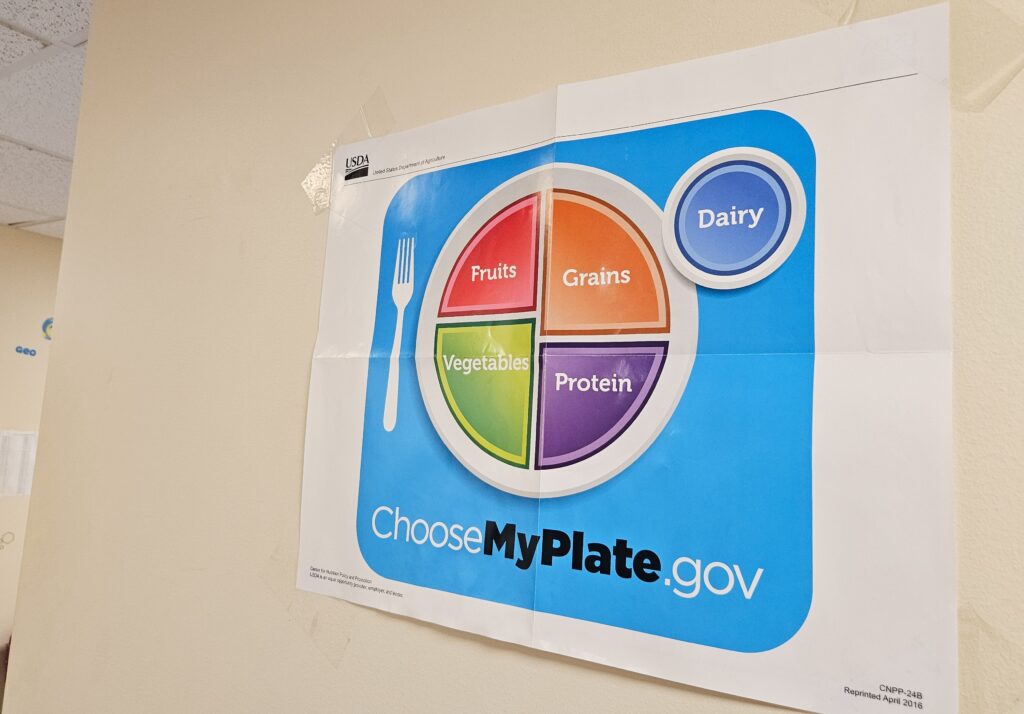
Health care providers say initiating conversations about weight and nutrition is a key aspect to tackling obesity-related health problems.
3 months ago
Listen 4:45
Independence Blue Cross began limiting coverage of GLP-1 drugs on Jan. 1 to some medical conditions, but not obesity or weight loss.
2 years ago
Listen 1:42
A doctor’s hunt for community-based solutions to childhood obesity
The American Academy of Pediatrics released new guidelines for managing childhood obesity, but the recommendations are a challenge for overwhelmed health systems.
3 years ago
Listen 12:55