
Philadelphia museums are pooling resources — and telling bigger stories together
“Bodies and Souls,” by PAFA and the Woodmere Museum, highlights a rare moment of partnership among Philly institutions.
From Philly and the Pa. suburbs to South Jersey and Delaware, what would you like WHYY News to cover? Let us know!
This spring, many Philadelphia museums are presenting a flood of exhibitions jointly. The latest is a dual-site collaboration between the Pennsylvania Academy of the Fine Arts, PAFA, and the Woodmere Art Museum, called “Bodies and Souls.”
“It allows a great pooling of resources for us to tell a broader story,” said Judith Thomas, deputy director of PAFA. “Where we can partner, where we can give greater exposure to artwork and artists, we’re all in.”
Institutional collaborations have existed for many years, but the number of them occurring simultaneously and at the same place is unprecedented.
PAFA and Woodmere’s “Bodies and Souls” is a two-part show of contemporary art from the collection of Robert and Frances Coulborn Kohler. In January, Woodmere Museum launched a three-part retrospective of Philadelphia sculptor Syd Carpenter with the Frances M. Maguire Art Museum at St. Joseph’s University and the Berman Museum at Ursinus College.
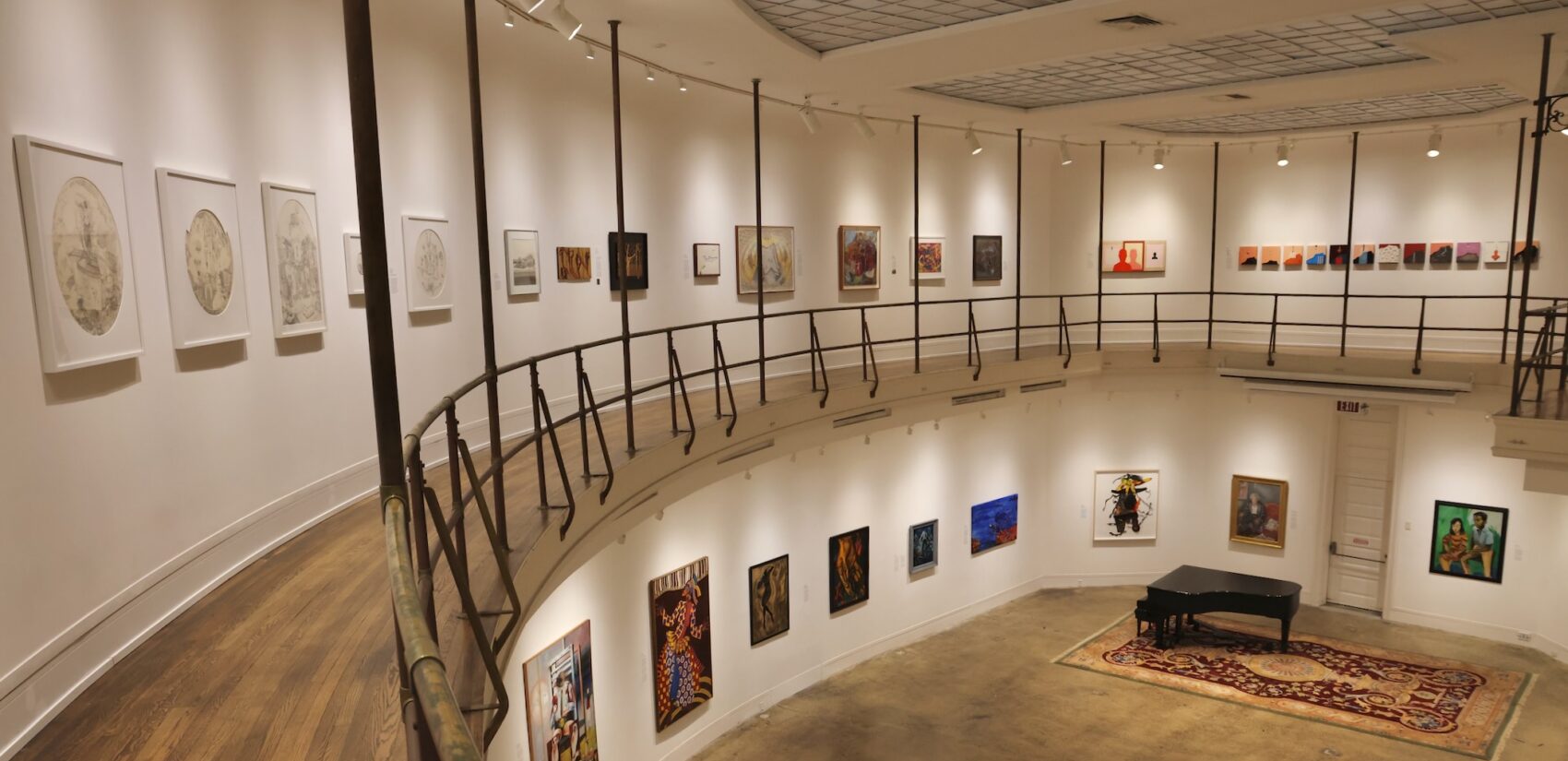
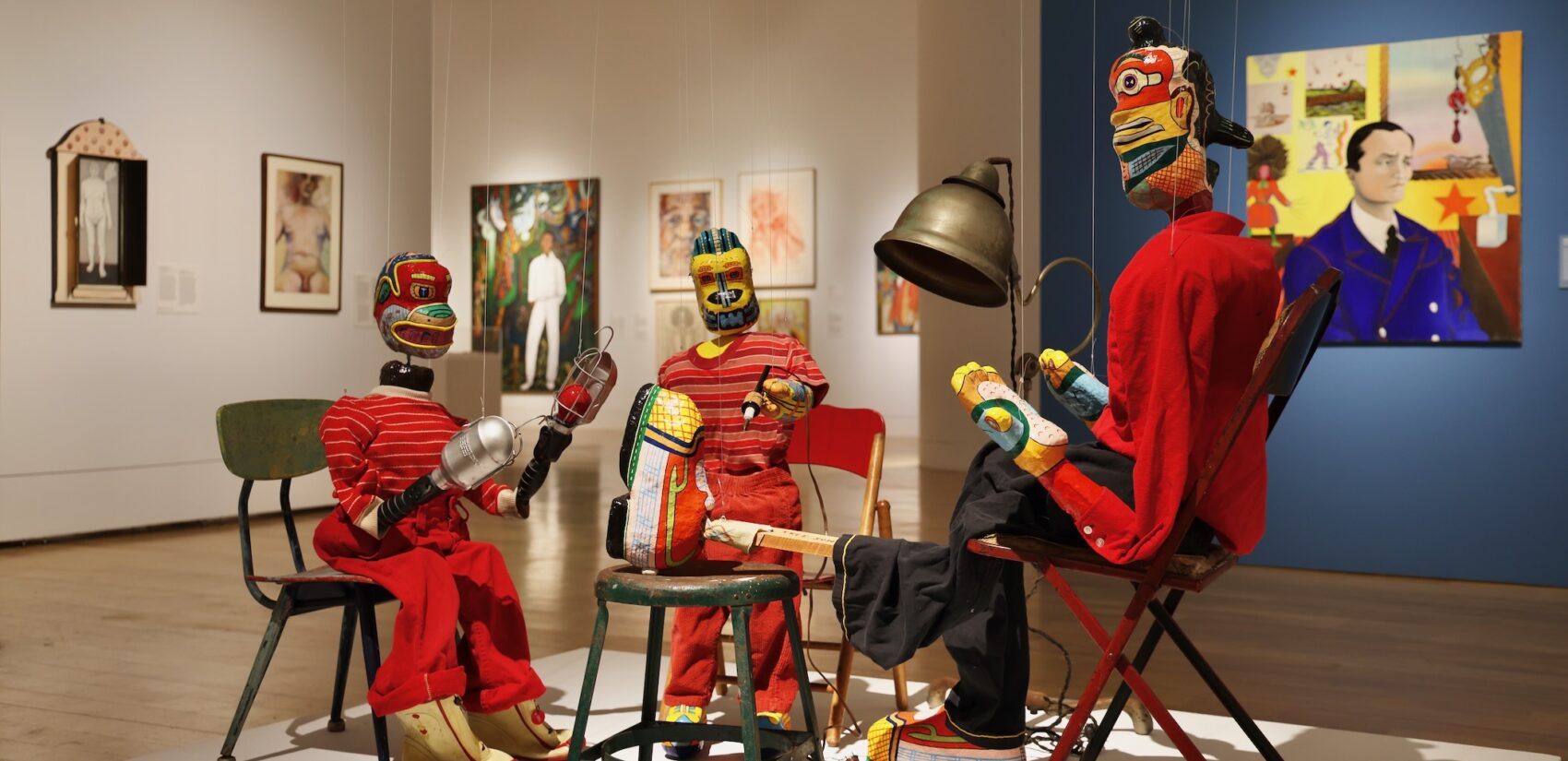
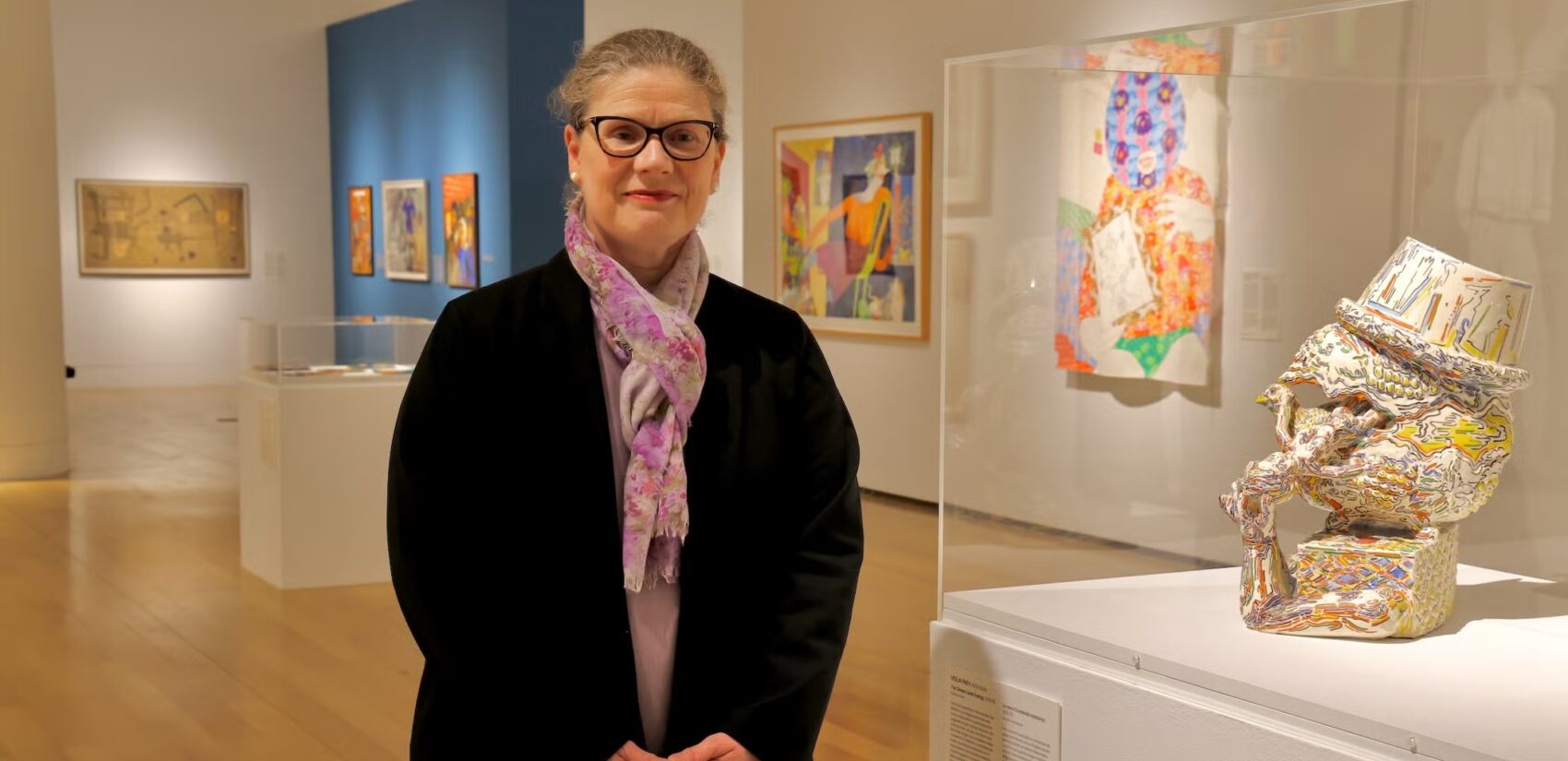
The Pennsylvania Academy of the Fine Arts will soon have three concurrent exhibitions in collaboration with three local museums, including “Bodies and Souls” with the Woodmere partnership and “Threaded Currents” with the Fabric Workshop and Museum. Next month, it will join with the Philadelphia Museum of Art to present “Nation of Artists,” a massive retrospective of American art.
As Philadelphia ramps up America’s semiquincentennial celebrations this summer, 18 art galleries around town will collaborate on “Radical Americana,” a joint effort led by the Clay Studio to present new work related to American craft traditions.
Related Content
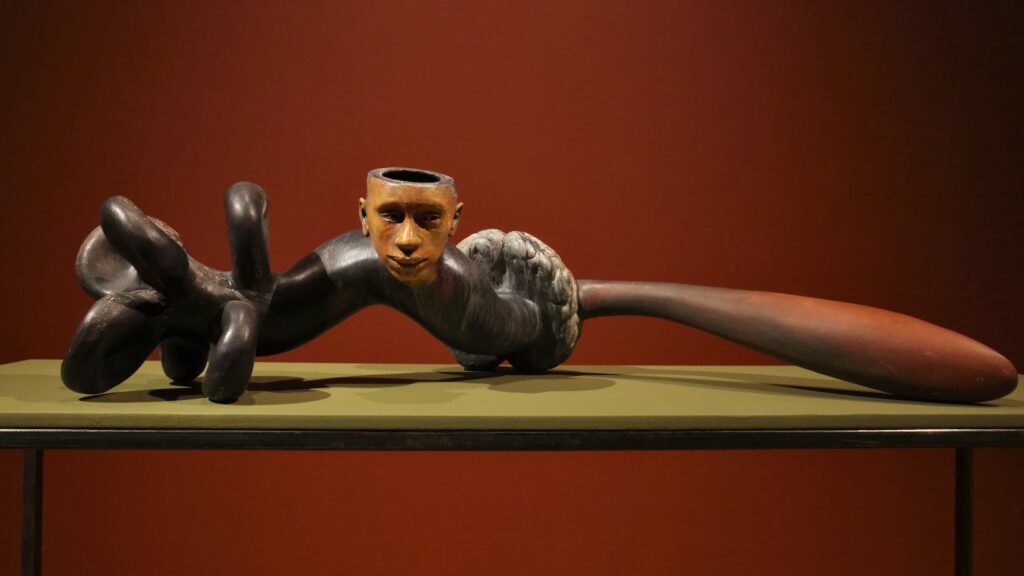
3 Philadelphia-area museums collaborate on a retrospective of artist Syd Carpenter
The Woodmere, Maguire and Berman museums each take on different aspects of the sculptor’s five-decade career.
8 months ago
Listen 1:40‘Bodies and Souls’ and the art of ‘passionate figuration’
“This collection shows a real personal view of what art since the 1970s has been in the United States,” said Robert Cozzolino, curator of “Bodies and Souls.”.
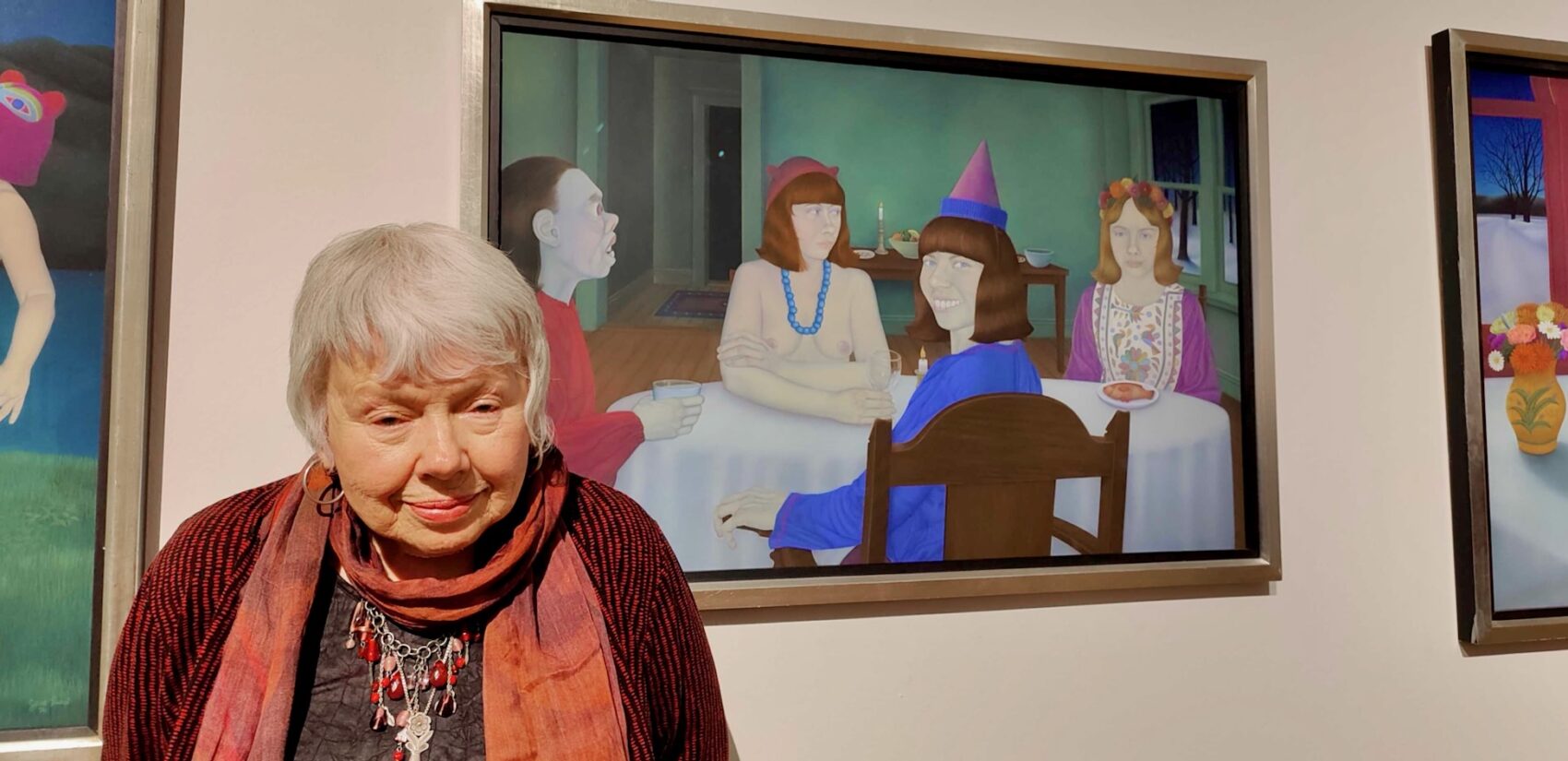
In the mid-1970s, Robert E. Kohler and his wife, Frances Coulborn, visited an art gallery in Boston and saw Jane Lund’s “Party for Myself,” which features four women seated around a table. All of them resemble the artist and depict particular aspects of herself.
One woman is naked, one wears a party hat, one wears a floral dress with flowers in her hair and the fourth has a grotesquely distorted face. The scene is cast in a blueish haze. One figure is turned to face the viewer with an unsettling grin.
“We saw this — I can still see it over a doorway — and we said, ‘Ugh!’” Robert told WHYY News. “We just hated it. We both agreed this is terrible stuff. Why would anybody want to put this on the wall?”
But on the way back home to Philadelphia, they could not shake the image.
“We got in the car and drove down and Frances said, ‘You know?’ And I said, ‘Yeah, I do,’” he said. “It turns out that what we were feeling was not with strong hatred, but strong love.”
“Party for Myself” was the couple’s first foray into art collecting. Fifty years later, the Kohler collection of hundreds of works and is now the basis of “Bodies and Souls”
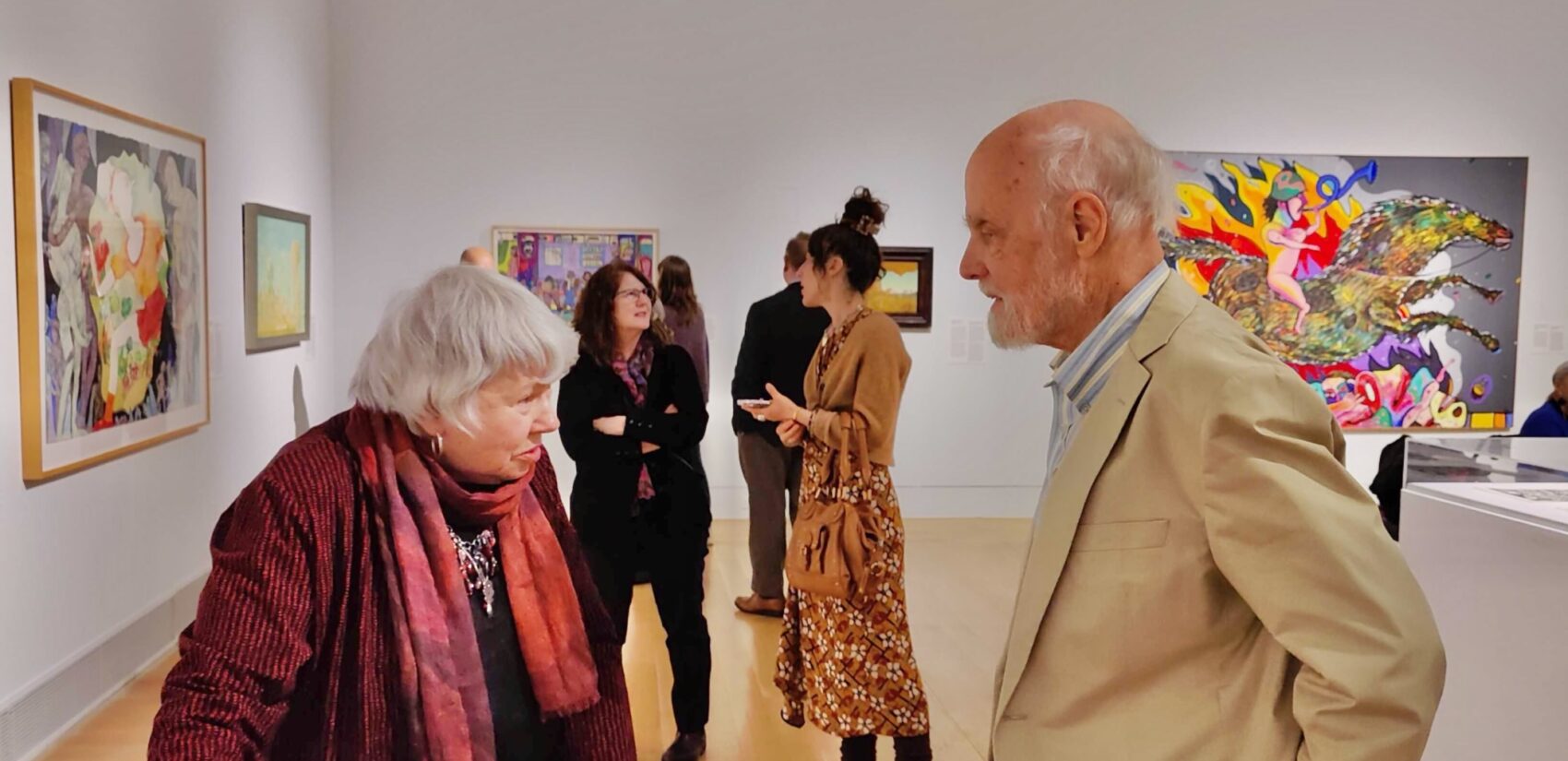
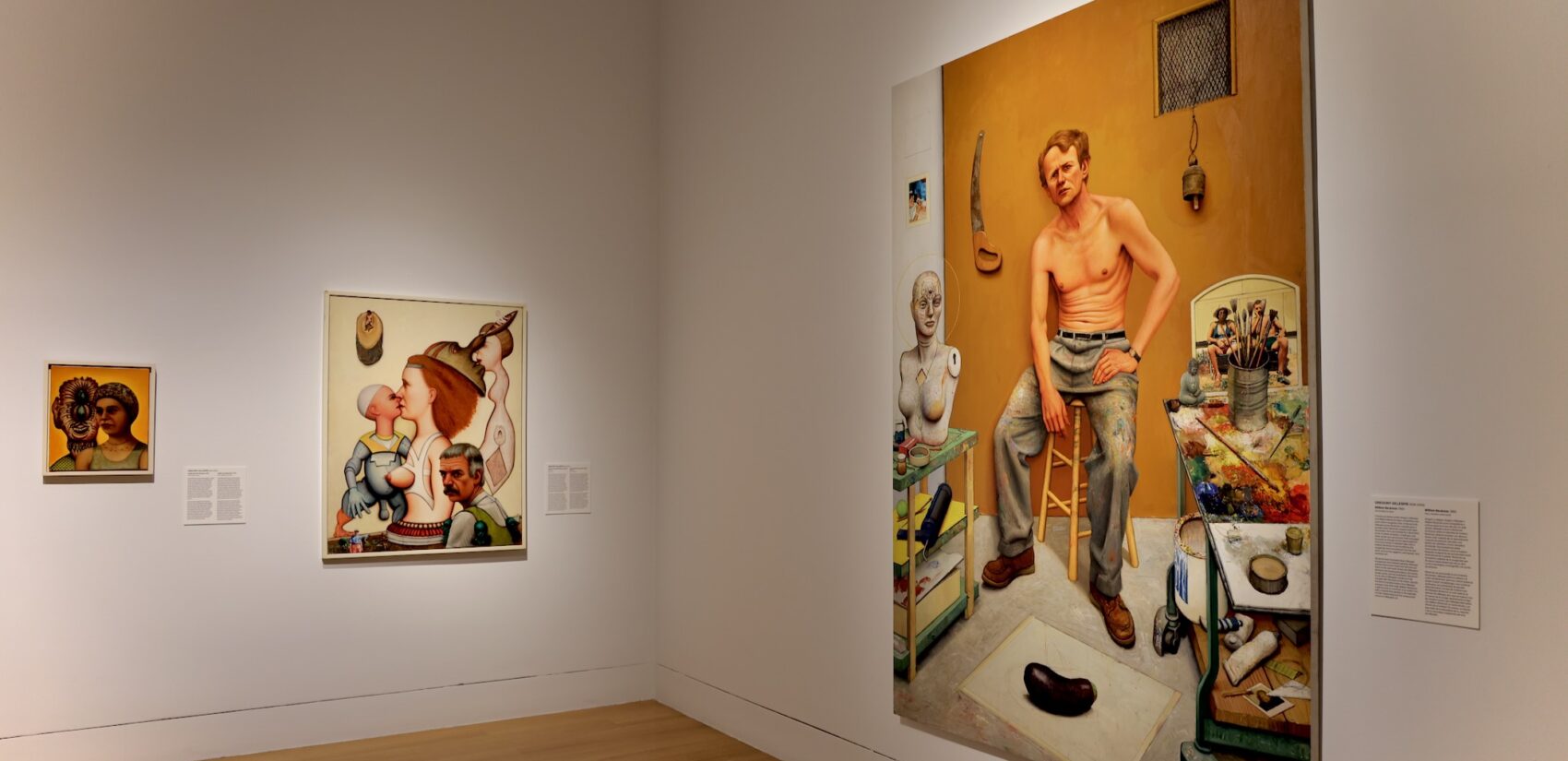
While some visitors to PAFA might see familiar names — artists like Jim Nutt, Gregory Gillespie or Robert Arneson — many artists are more obscure. The Kohlers — Frances died in 2021 — leaned into eccentric works that toed the line between representational and abstract art.
In the exhibition catalogue, Kohler admits his collection has more than its share of “weird” art, but the couple’s motivation for collecting came from their desire for “passionate figuration.”
The two locations of “Bodies and Souls” allow curators to explore different aspects of the Kohler Collection.
At PAFA the exhibition draws out regional clusters of artists across the country, and how they intersect. The Kohlers collected work by the “Hairy Who?” group of Chicago artists who later became associated with Northern California through The Candy Store, an art gallery in Folsom, California. They were also interested in Bay Area artists such as Robert Arneson, and Boston-based artists like Lund and Deborah Kravitz.
“There were all these cross-geographic dialogues that we often don’t think about in traditional art histories,” said Michelle Donnelly, PAFA’s coordinating curator. “We started pulling out that transregional connection and thinking about artists in community with one another.”
The Woodmere’s iteration of “Bodies and Souls” is local to Philadelphia. It features over a dozen artists such as Henry Bermudez, a Venezuelan who arrived in Philadelphia in 2003 seeking political asylum. Bermudez’s entwined vines often represent cultural links to his home country.
Other artists include Walter Edmonds, who’s known for murals at the Church of the Advocate in North Philadelphia that depict Biblical scenes through imagery of civil rights activism; and stained glass artist Judith Schaechter, whose works often depict pain and putrescence in beautifully illuminated panels.
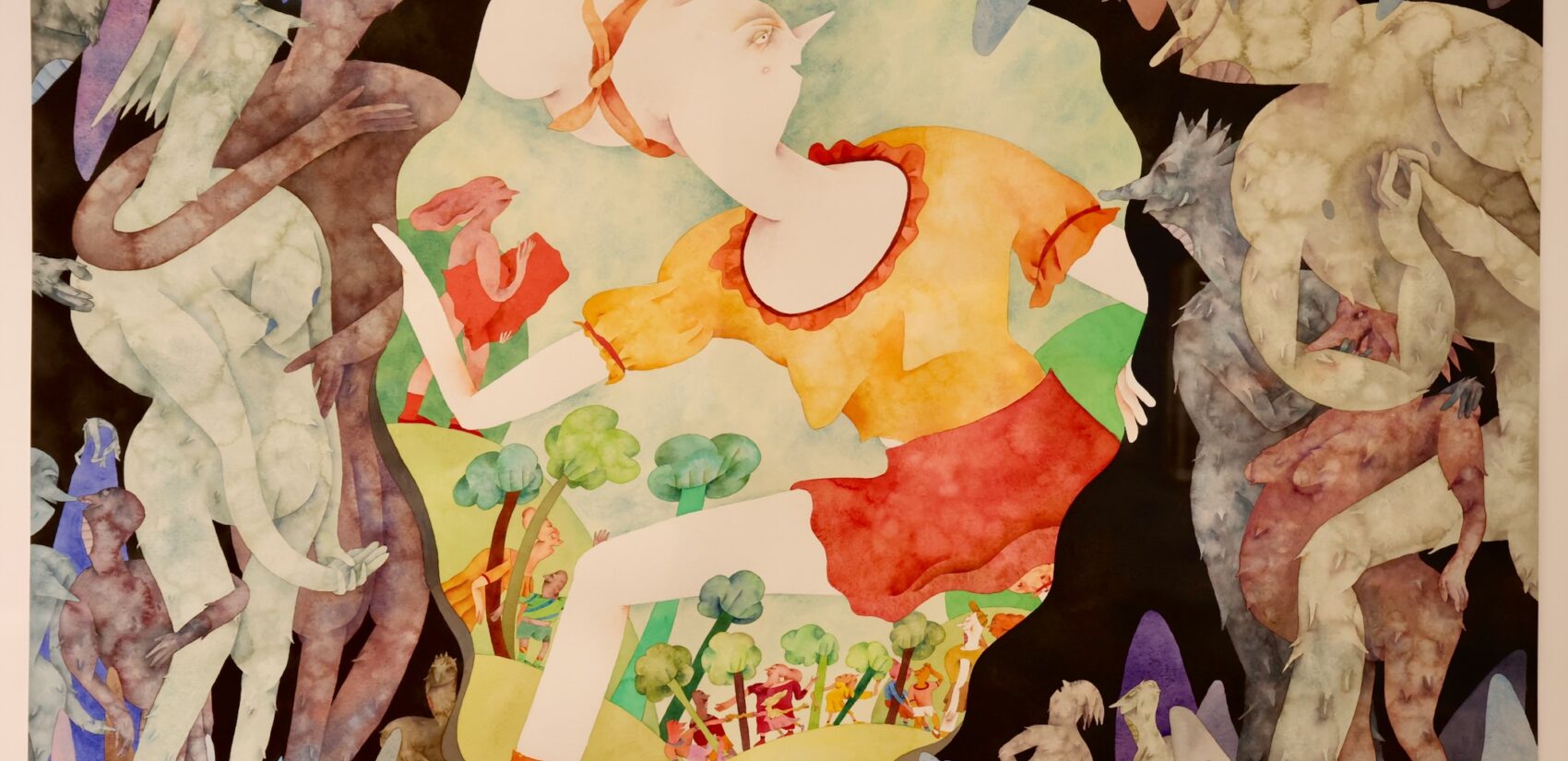
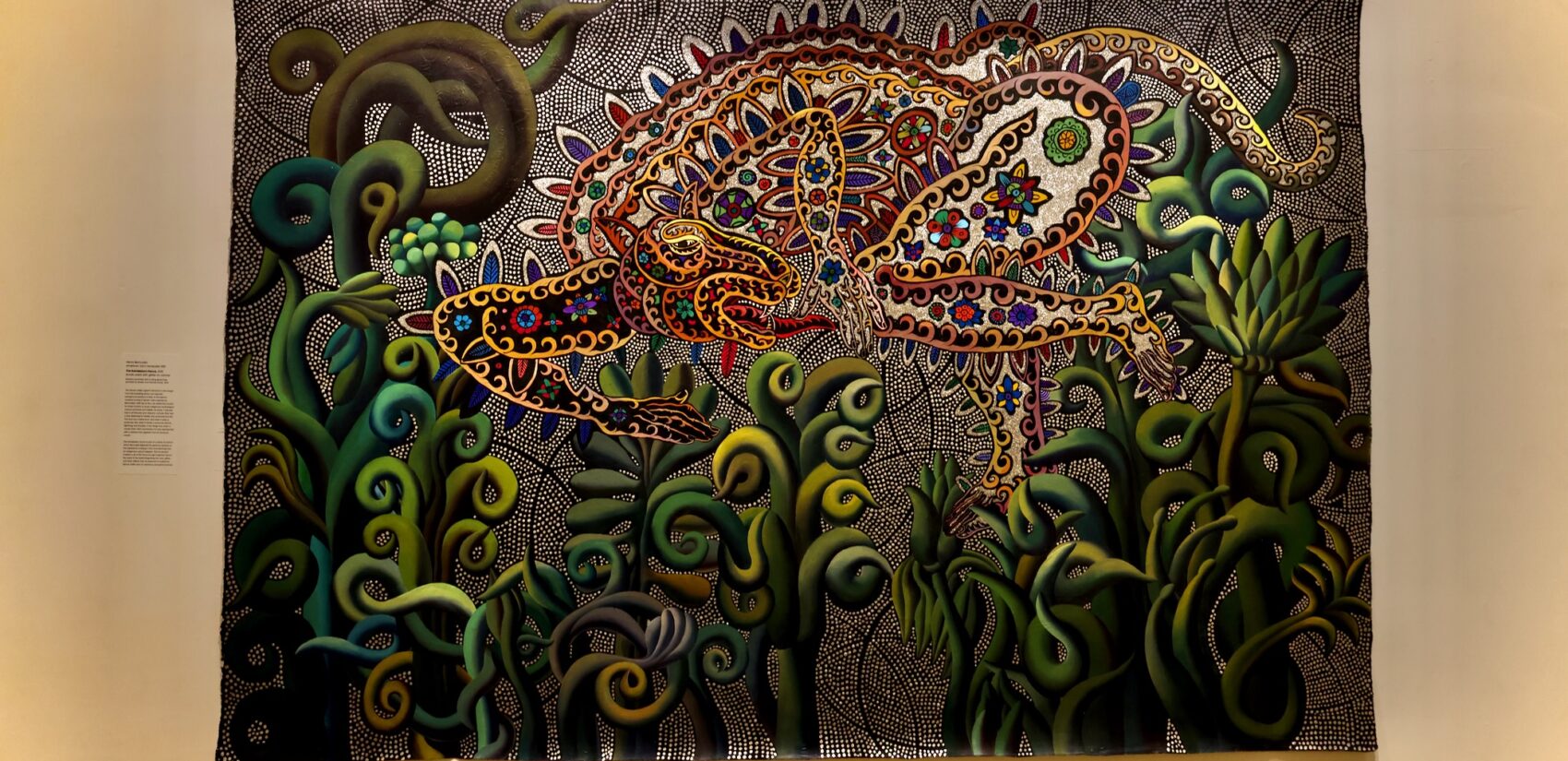
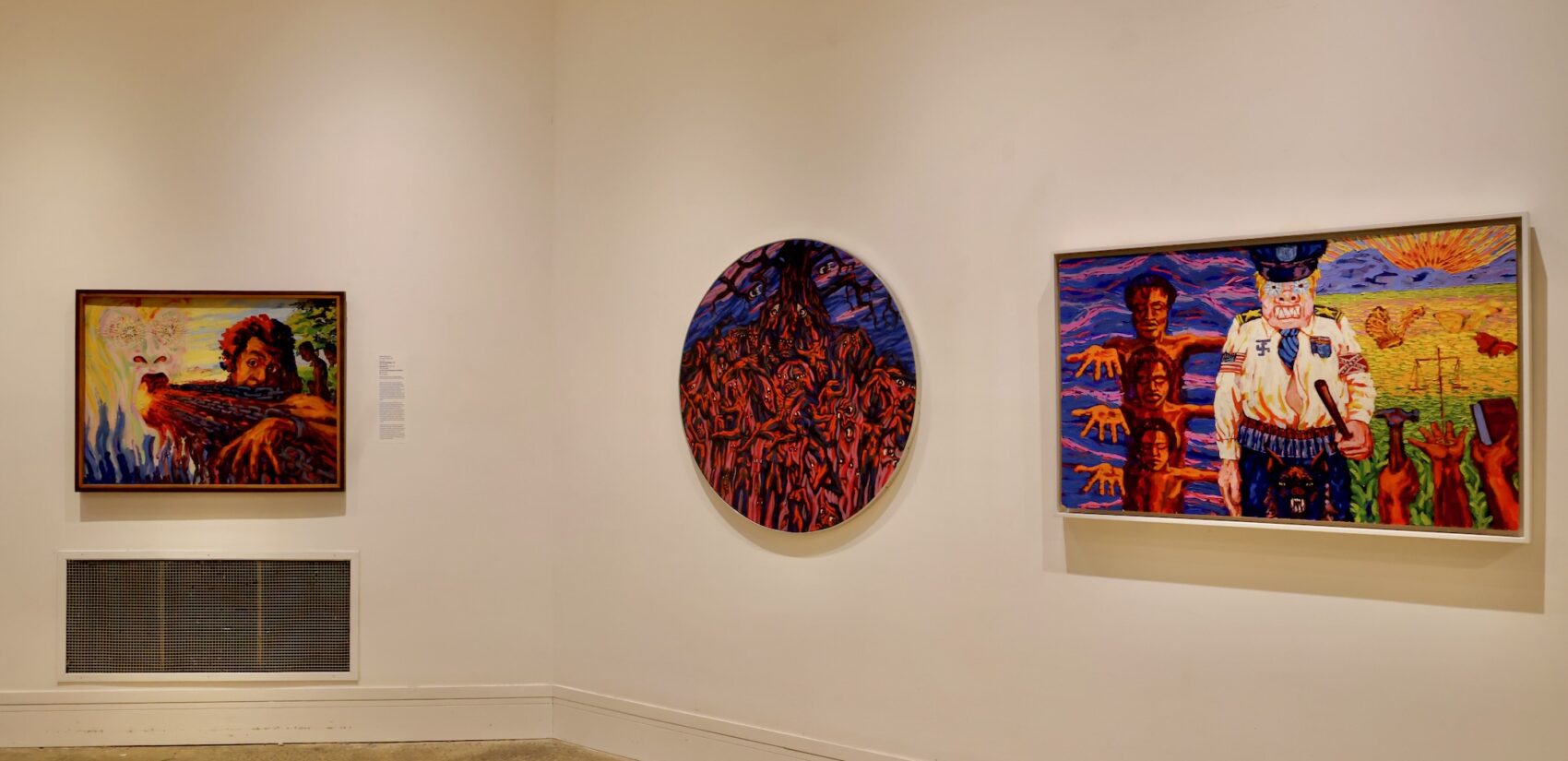
All the works at the Woodmere come from its own collection, either gifts from the Kohlers or acquired with funding from the couple.
“The partnership with the Kohlers had to do with understanding and giving shape to a museum’s ability to present the community of artists that makes up Philadelphia,” said Woodmere Museum Director and CEO William Valerio. “Rob and Frances are among the great angels of the arts in Philadelphia.”
Related Content

With more than 25 years of experience in the arts leadership sector, Shepherd will take the reins of the nation’s oldest art museum starting on Feb. 9.
9 months ago
Listen 0:51Museums looking to each other for success
Museums in far-flung markets often work together, particularly for touring exhibitions. The Brandywine Museum in Chadds Ford, Pennsylvania, for example, shares a curator with its partner in Maine, the Farnsworth Museum, overseeing a collection of works by Andrew Wyeth. The Barnes Foundation has a long history of collaborating with the Musée de l’Orangerie in Paris.
Museums have shown they are increasingly interested in collaborating with institutions on their own turf. In 2023, PAFA and the African American Museum in Philadelphia presented a major dual exhibition of contemporary Black artists titled “Rising Sun.” Last December, the San Francisco Museum of Modern Art and its neighbor, the Museum of the African Diaspora, jointly created a new curatorial position that straddles both museums’ collections.
Close collaborations allow institutions to share expenses in areas such as marketing and catalogue production. Thomas at PAFA said it also makes the exhibition more expansive and inclusive.
“There is an opportunity to maximize resources to tell the best story,” she said. “But I think the other dynamic is for curators to make discoveries together and independently of each other that highlight a narrative that may not have been discovered if it was focused in one direction.”
“Bodies and Souls” holds a special meaning for Jane Lund because it is perhaps the last exhibition where she will see her paintings in a gallery. The artist who made the “Party for Myself,” which both repulsed and impressed the Kohlers a half-century ago, is now 87. The New York gallery representing her has closed its brick-and-mortar gallery to operate exclusively online, and aside from the Kohlers, she did not typically befriend people who collected her work.
“I’m an old lady now,” she said at PAFA in front of a cluster of her paintings from 50 years ago. “Am I ever going to see my work on walls again?”
“Bodies and Souls” is on view at the Woodmere Art Museum in Chestnut Hill until June 7, and at the Pennsylvania Academy of the Fine Arts in Center City until July 12.
-
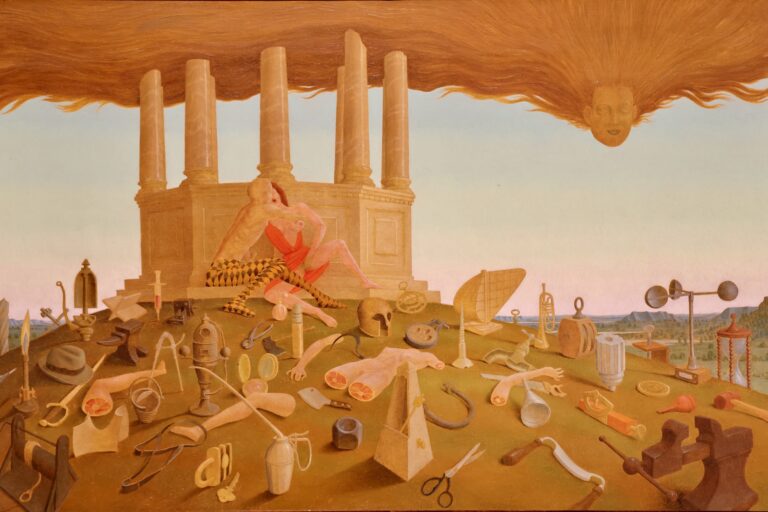
John Wilde's ''Work Reconsidered: Love After Murder'' (1989) is part of the ''Bodies and Souls'' exhibition at Pennsylvania Academy of Fine Art. (Emma Lee/WHYY) -
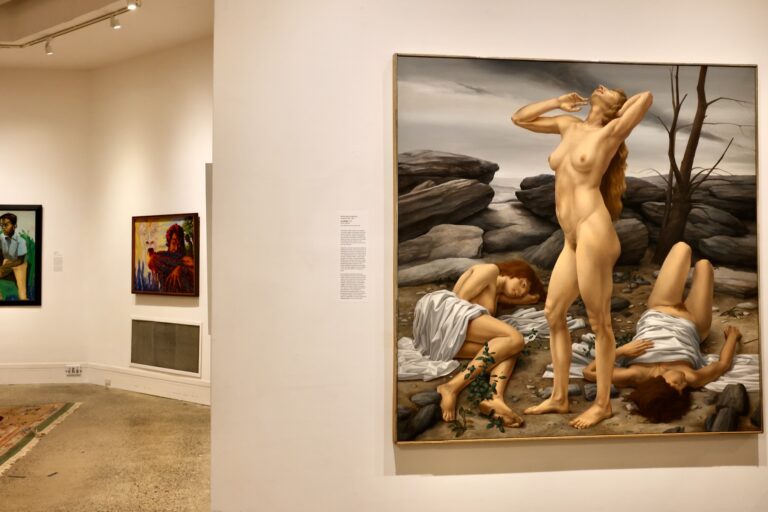
Woodmere Museum's collaboration with PAFA, ''Bodies and Souls,'' features works by Philadelphia artists from the museum's own collections, Martha Mayer Erlebacher, who taught at the Philadelphia College of Art. All the works in the exhibition are either gifts from the Kohlers or acquired with funding from the couple. (Emma Lee/WHYY) -
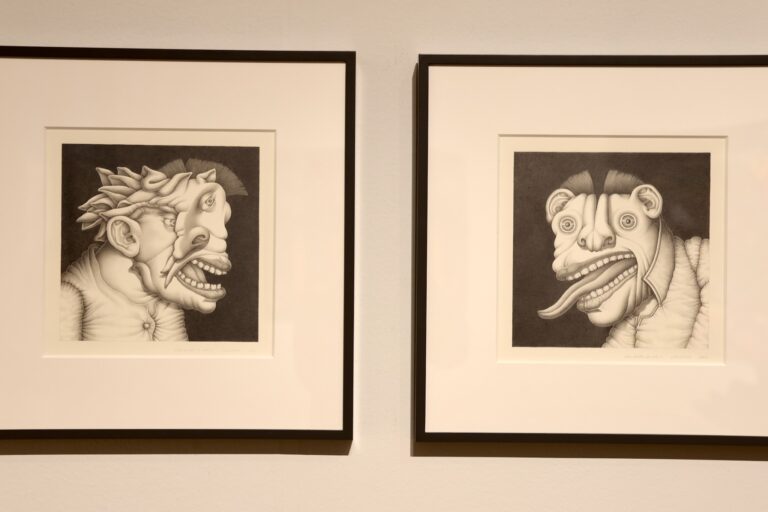
Robert Lostutter's ''The Songs of War'' features a series of distorted portraits. These are included in the exhibition ''Bodies and Souls'' at Pennsylvania Academy of Fine Art. (Emma Lee/WHYY) -
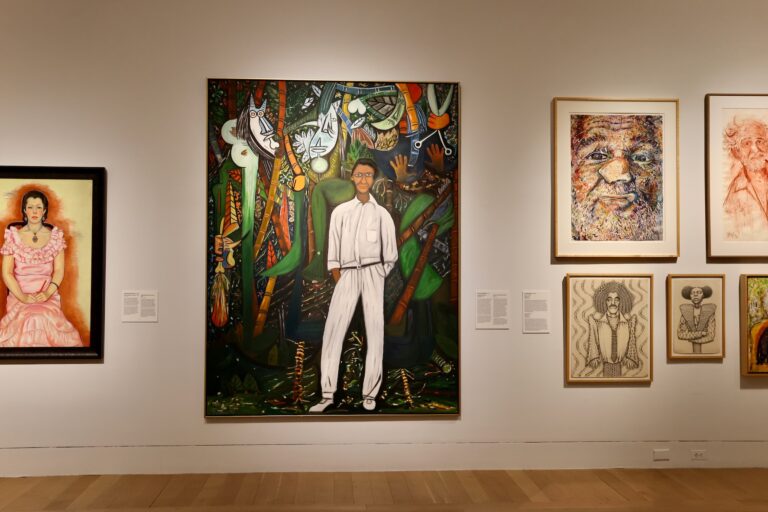
PAFA and Woodmere’s “Bodies and Souls” is a two-part show of contemporary art from the collection of Robert and Frances Coulborn Kohler. -
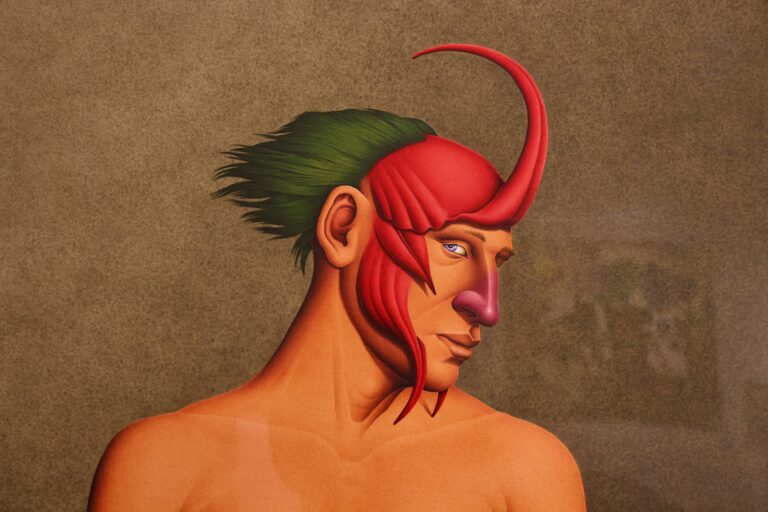
In Robert Lostutter's ''Red Masdevallia,'' (2004) an orchid mereges with the figure's head. The painting is part of ''Bodies and Souls'' at Pennsylvania Academy of Fine Arts. (Emma Lee/WHYY) -
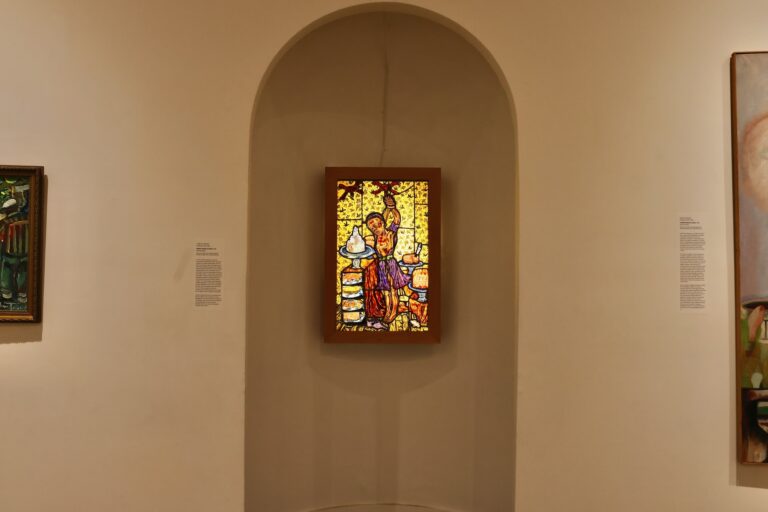
''Sweets Kissed to Death'' (1989) by Philadelphia stained glass artist Judith Schaechter displayed in the Woodmere Museum exhibit ''Bodies and Souls.'' (Emma Lee/WHYY) -
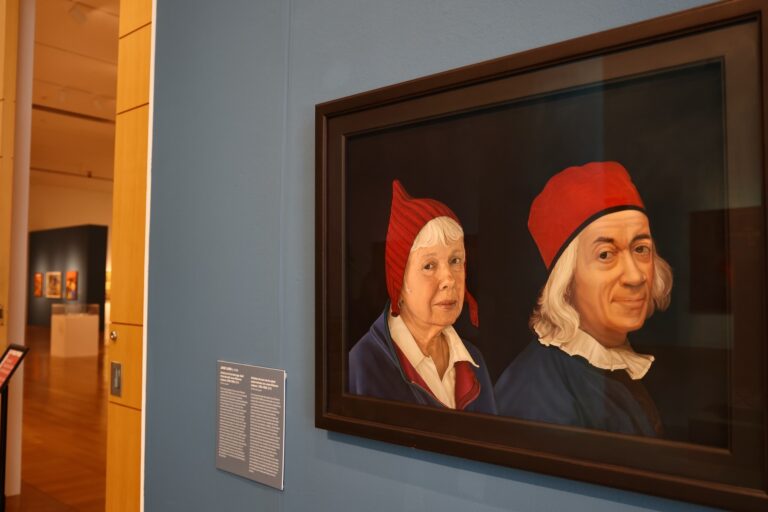
Jane Lund's ''Artists of a Certain Age: Self Portrait with Jean-Étienne Liotard, 1702-1789'' (2016) welcomes visitors to ''Bodies and Souls'' at Pennsylvania Academy of Fine Arts. (Emma Lee/WHYY) -
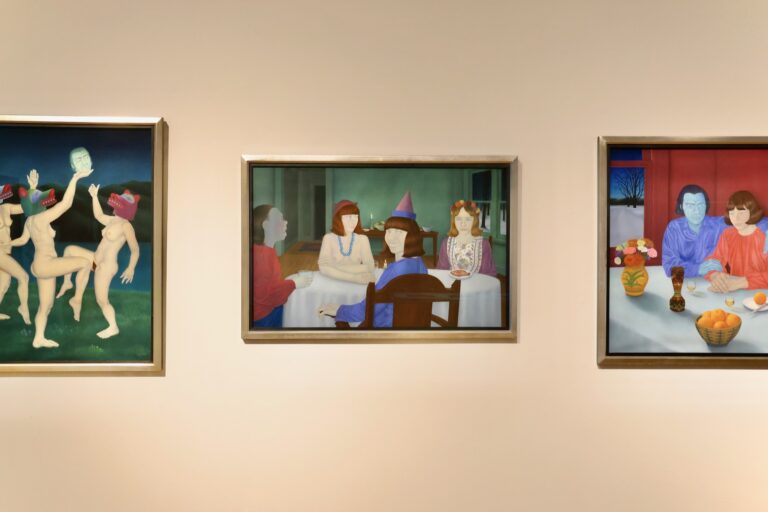
Jane Lund’s “Party for Myself” was the first artwork collected by Robert E. Kohler and his wife, Frances Coulborn In the mid-1970s. It and other works by Lund are part of ''Bodies and Souls'' at Pennsylvania Academy of Fine Art. (Emma Lee/WHYY)

Get daily updates from WHYY News!
WHYY is your source for fact-based, in-depth journalism and information. As a nonprofit organization, we rely on financial support from readers like you. Please give today.
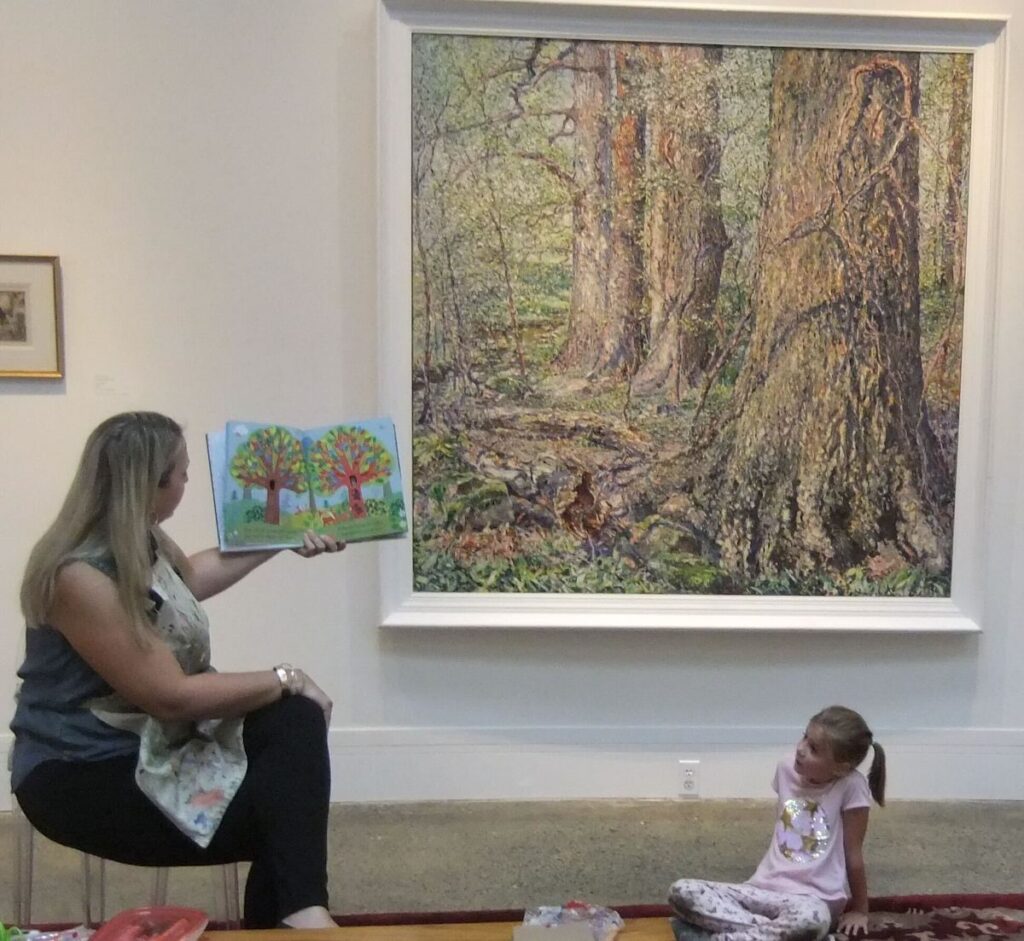
A Philadelphia museum is turning toddlers into art lovers by encouraging their artistic expression
Philly toddlers are looking at art, hearing stories about artworks and then creating their own unique art projects at Woodmere Art Museum.
3 years ago
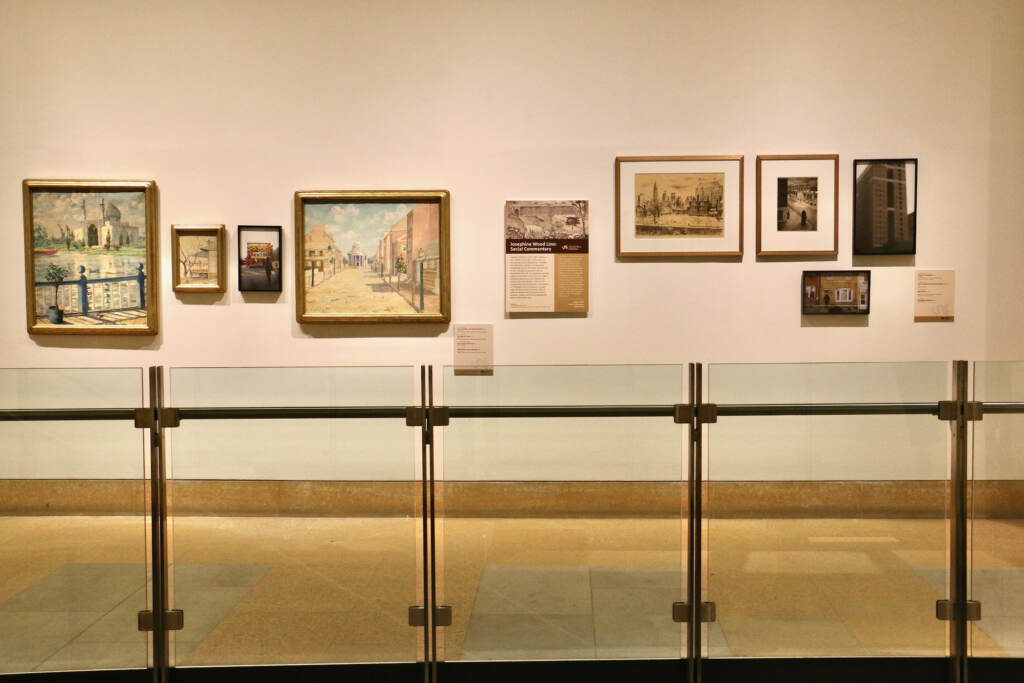
Pictures from Philadelphia’s former history museum emerge at PAFA
“Seeing Philadelphia” is the first public exhibition of the city’s historical archive since the collection was acquired by Drexel University.
3 years ago
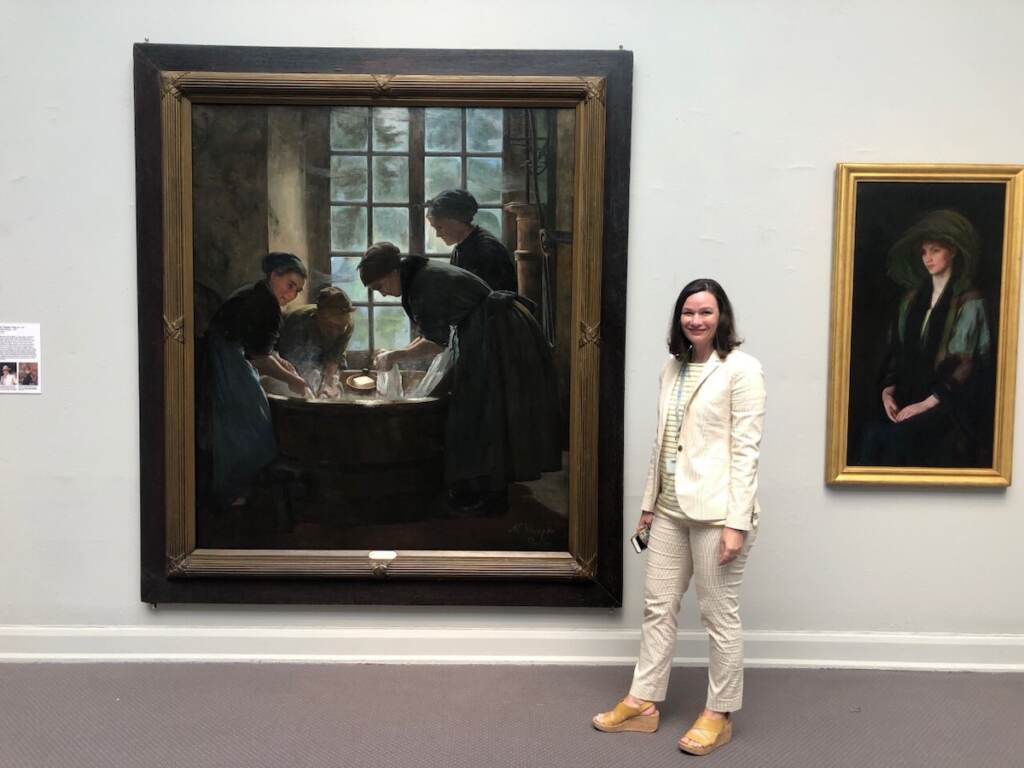
From the vaults to the walls at PAFA, women artists are front and center
The exhibition sheds light on the sacrifices and achievements by women artists throughout history to the present day.
5 years ago
Listen 5:50