

‘The Woman Question’ at People’s Light Theatre uses a 19th-century medical college in Philly to address 21st-century politics
The new play, based on the 19th-century Woman’s Medical College of Pennsylvania, centers international students studying in Philadelphia.
Listen 1:36
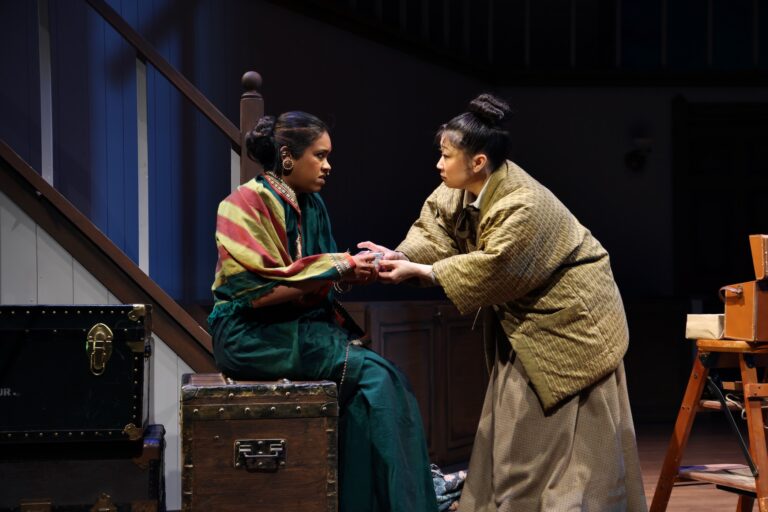
Medical students Anandibai Joshee (Avanthika Srinivasan) of Seranysore, India, and Kei Okami (Katie Boren) of Tokyo, Japan, exchange knowlege of traditional medicine from their home countries while studying western medicine at the Woman's Medical College of Pennsylvania. (Emma Lee/WHYY)
From Philly and the Pa. suburbs to South Jersey and Delaware, what would you like WHYY News to cover? Let us know!
When the Woman’s Medical College of Pennsylvania opened at Sixth and Arch streets in Philadelphia in 1850, it was America’s first school to train women to become doctors. It accepted anyone who could attend, irrespective of race, class or country of origin.
“The Woman Question,” now premiering at the People’s Light Theatre in Malvern, Pennsylvania, dives into the lives of the students.
Philadelphia theater artist Suli Holum said the characters are mostly factual, taking some dramatic liberties for the stage by being all in the same class.
“There were plenty of students at the Woman’s Medical College who came from American high society. They were white, they were wealthy and it wasn’t hard for them to attend the college. There’s not a lot of dramatic impact in that group,” Holum said. “I’m focusing on the folks for whom it was a great achievement just to be here in the first place.”
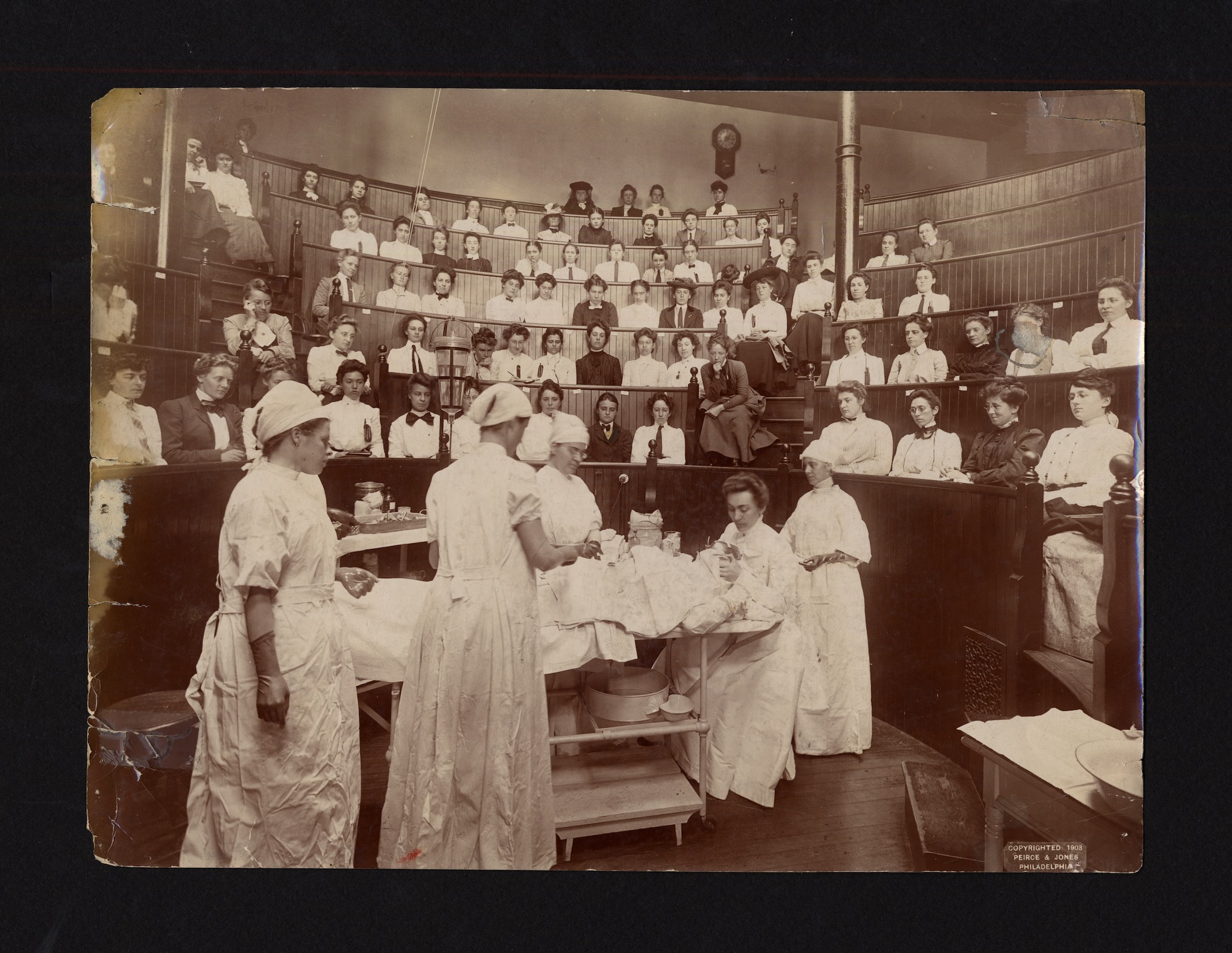
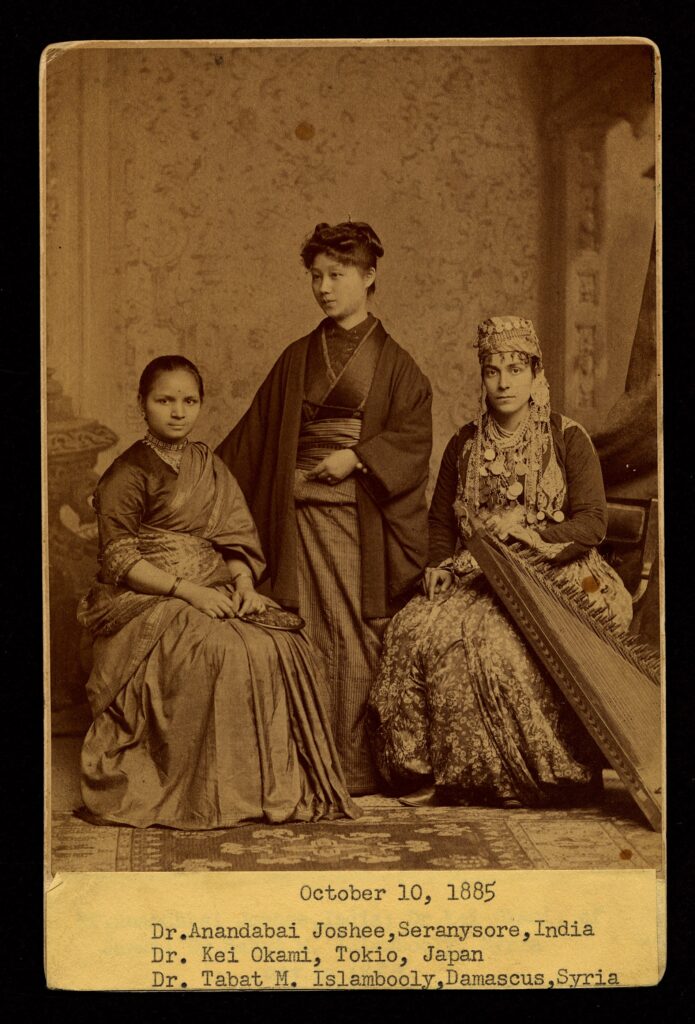
The cast of characters in Holum’s “The Woman Question” includes a formerly enslaved woman from South Carolina, an Indigenous woman from the Omaha Tribe of Nebraska and students from India, Japan, Russia and Syria.
“A member of the Omaha tribe was in school together with the first woman from Japan to get a Western medical degree: What were their conversations like? What did they talk about and what did they learn from each other?” Holum said. “What I found with the international students is that they were coming in with a lot of traditional medicine, which at the time was being pooh-poohed. So, looking at this moment when all of this traditional knowledge was under attack.”
The Japanese student, Kei Okami, arrived in Philadelphia already well-versed in traditional Japanese kampo medical practices, which the late 19th-century Japanese government disavowed in favor of modern Western medicine.
“I’m not here to learn medicine. I already know it: Kampo. Japanese medicine, traditional,” said Okami, as played by actress Katie Boren. “But after the arrival of the West, it is no longer allowed to practice in Japan, not without this Western degree. So here I am!”
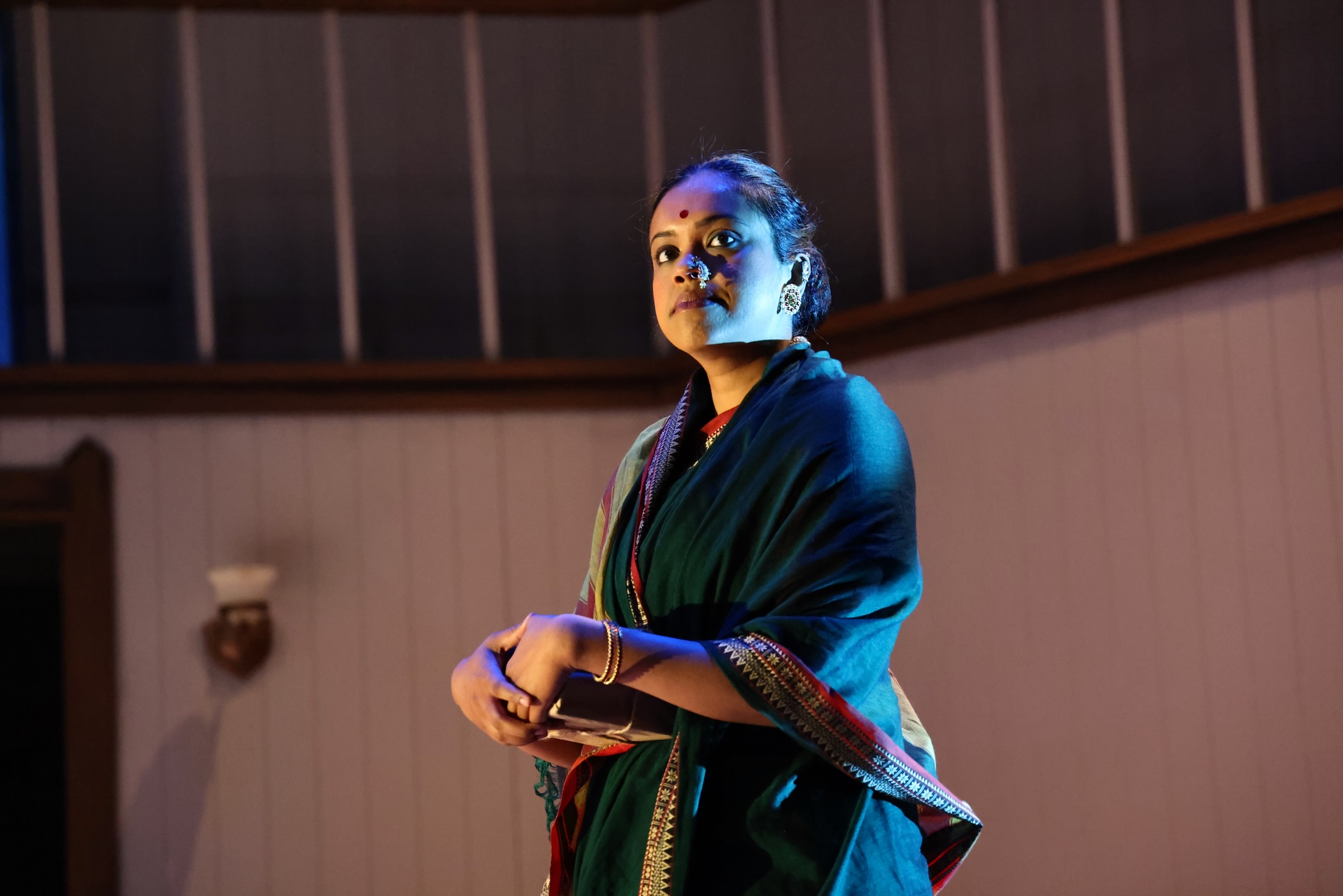
Another student, Anandibai Joshee of India, wrote a thesis paper that integrated her Western medical teaching with Ayurveda, an ancient Indian holistic medical tradition.
Related Content
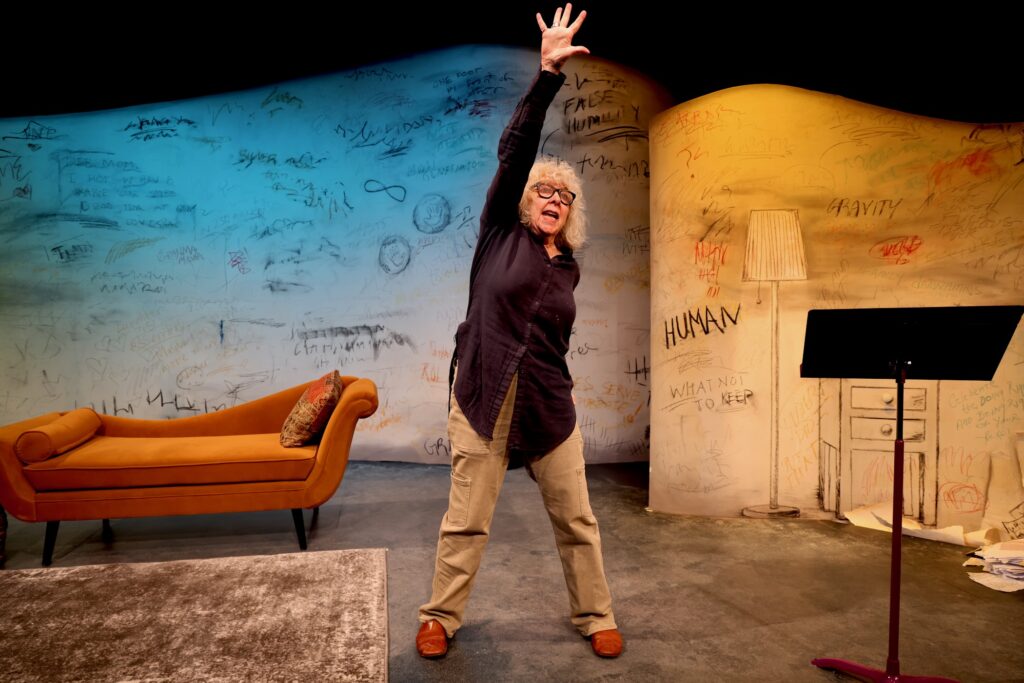
For Kathryn Grody’s new play in Malvern, getting angry about aging isn’t just for older adults
The world premiere of “The Unexpected 3rd,” at the People’s Light theater in Chester County, is partly due to Grody’s unexpected, online pandemic stardom.
1 year ago
The past is still contemporary
“You’re always looking for urgency,” Holum said about using a 19th-century college for a 21st-century play. “This is vibrating with the current moment in a way that feels really, really urgent to me.”
Part of the college curriculum was to train women with a basic legal background on medical issues, particularly abortion. Dr. Anna Elizabeth Broomall, a celebrated obstetrics instructor, taught a medical jurisprudence class and staged a mock trial to teach students how to navigate the legal challenges of pregnancy.
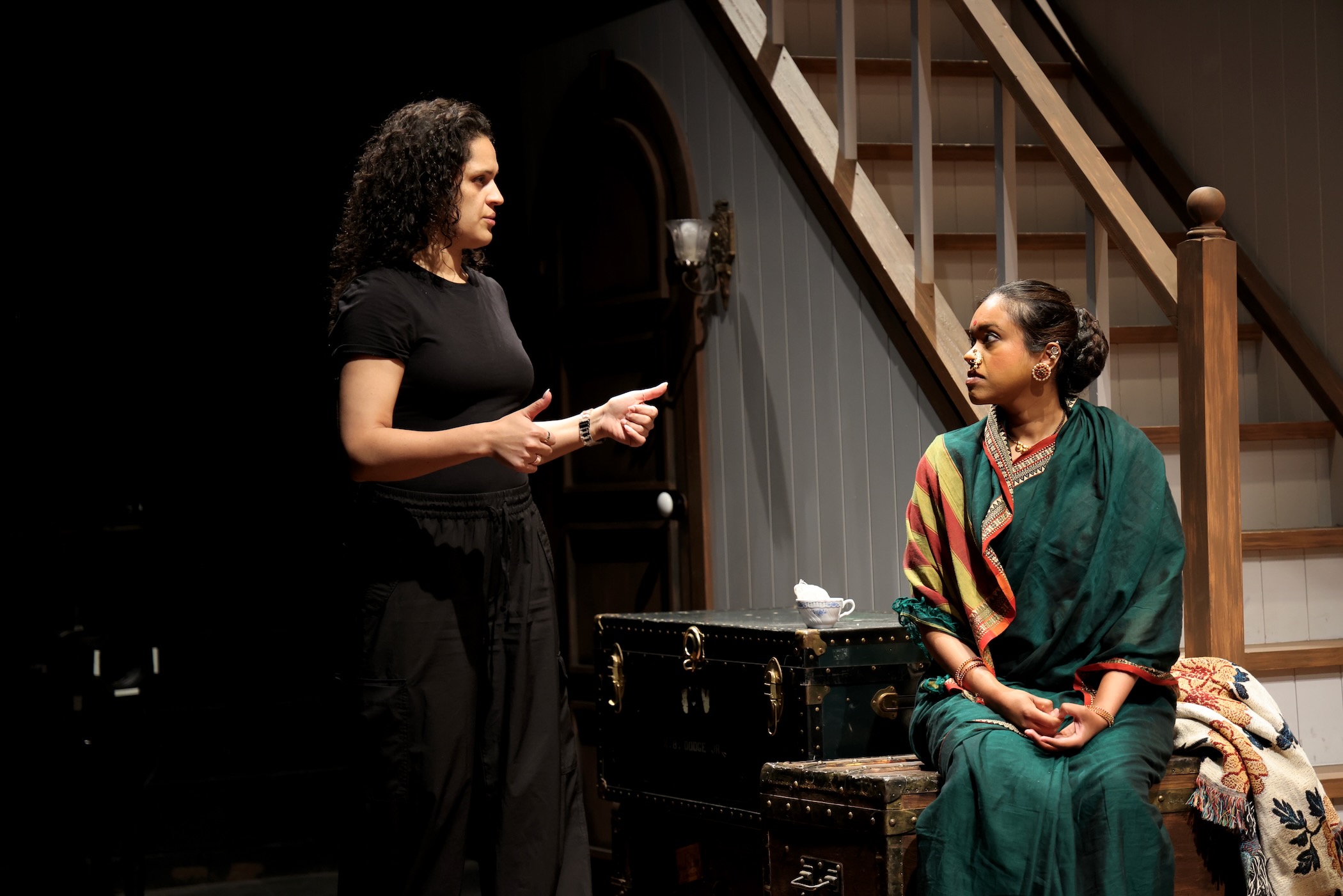
Holum, who plays Broomall on stage, said the story of this historic college is uncannily contemporary.
“If you attend a medical school in a state where abortion is now illegal, you won’t be trained in miscarriage care, because abortion care and miscarriage care are the same thing,” Holum said. “That is what we are wrestling with in the medical jurisprudence class.”
Just weeks before “The Woman Question” opened, a pro-life organization criticized the U.S. Supreme Court for temporarily allowing the abortion drug mifepristone to be sold through the mail, calling for the enforcement of the Comstock Act, a 153-year-old “zombie” law that prohibited the mailing of “lewd” and “obscene” items, which included birth control.
“Who knew that the Comstock Act would be something that would be in national news. It was passed in 1873, intended to prevent women from having any ability to control their fertility,” Holum said. “That’s back in the headlines.”
Holum said “The Woman Question” directly addresses contemporary issues of women’s health, but centers on the relationships of the women thrown together in Philadelphia. Holum describes it as a cross between Louisa May Alcott’s novel “Little Women” and the television medical drama “The Pitt.”
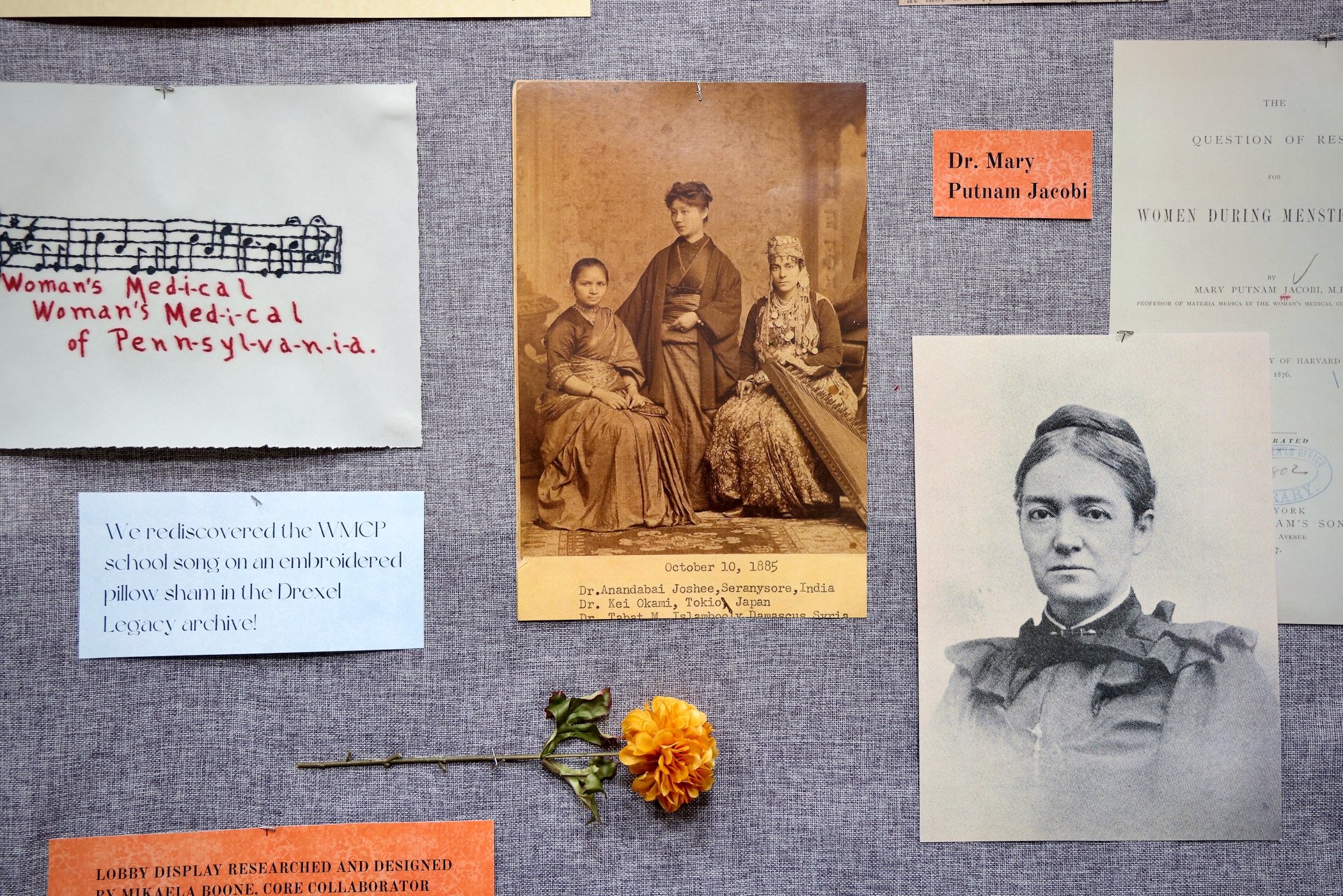
“When you’re in a super high-pressure environment, you find the joy where you can,” she said. “We found so much evidence in the archives of hijinks: costume parties and charades and singing and poetry. These are really expressive individuals, and the play reflects that joy.”
“The Woman Question” runs until May 24 at People’s Light Theatre in Malvern, Pennsylvania.

Get daily updates from WHYY News!
WHYY is your source for fact-based, in-depth journalism and information. As a nonprofit organization, we rely on financial support from readers like you. Please give today.

Season 2 of ‘Task’ to be filmed entirely in Southeastern Pa. after scoring record tax credit
State officials say the crime drama, led by Mark Ruffalo, will create 3,700 jobs and inject more than $194 million into the Pennsylvania economy.
11 months ago
Listen 0:49
Two rural museums outside Philadelphia partner to present the work of Wharton Esherick
The Brandywine and Wharton Esherick museums — both tucked into the woods 30 miles apart — exhibit the work of the master craftsman, together.
2 years ago
Listen 1:15
Coatesville vintage racers shifted into high gear during annual grand prix
The annual event is meant to promote tourism and downtown revitalization in Coatesville.
3 years ago