

After surviving violent attacks and amputation, Tanzanians with albinism get new prosthetics in New Jersey
Young adults from Tanzania with albinism who’ve survived attacks from “black magic” believers visit the U.S. through Global Medical Relief Fund.
From Philly and the Pa. suburbs to South Jersey and Delaware, what would you like WHYY News to cover? Let us know!
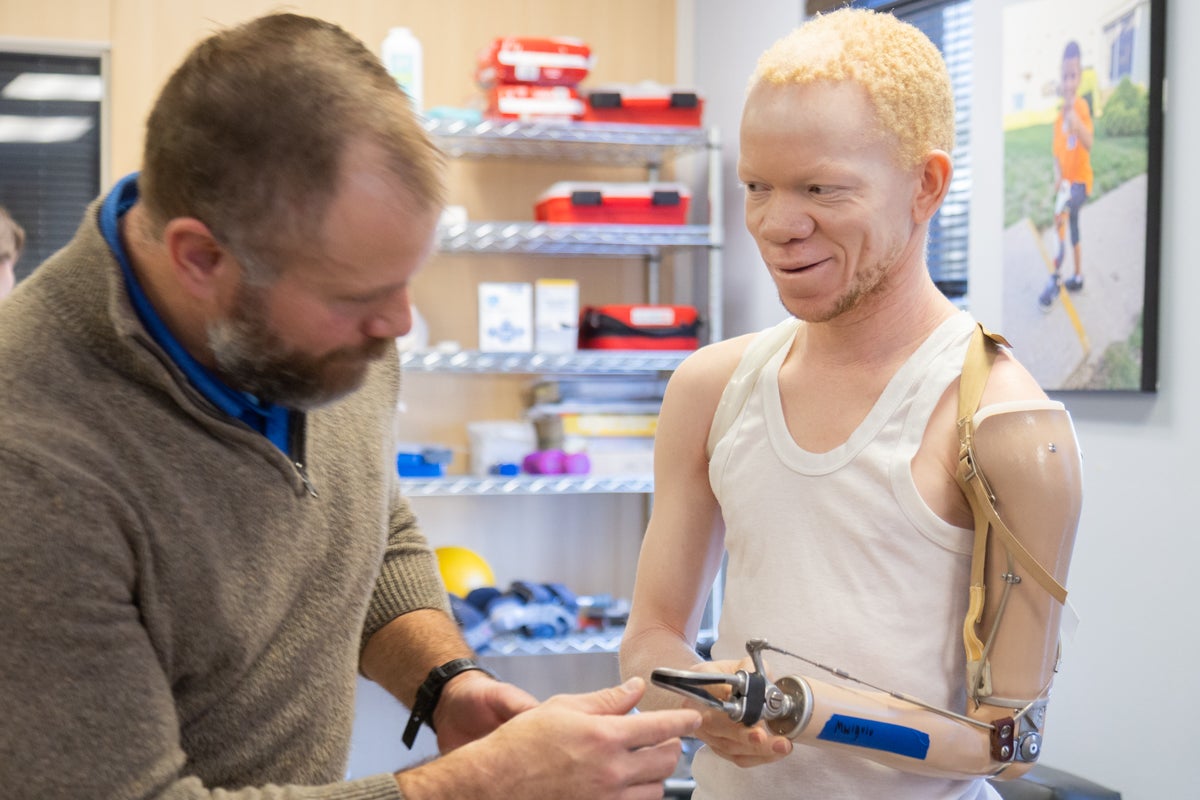
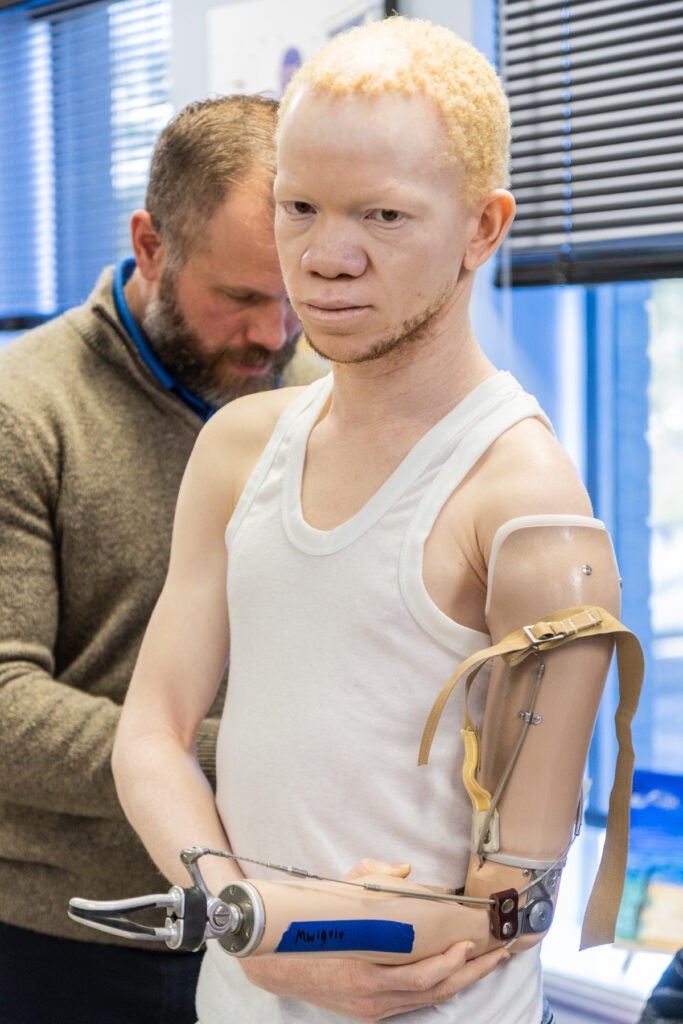
A team of people surrounded Mwigulu as they fiddled with straps across his back and adjusted wires connected to a prosthetic arm at his left side.
“Ok, here, is it too much?” asked Matthew Graham, clinical director at MedEast, an orthotic and prosthesis company in Cherry Hill, New Jersey.
Mwigulu, 21, paused and moved his shoulders a little. “Make it more tighter,” he said. Graham pulled on one of the straps connected to a harness that looped under Mwigulu’s armpits and over his shoulders.
This is the second time that Mwigulu, who has albinism, traveled from his home in Tanzania to see specialists in the United States about prosthetics for his missing left arm, which he lost as a child when he was attacked near his village.
Men cut off his arm to sell on the black market to witch doctors and others who carry the false belief that body parts from people with albinism can bring good luck and fortune.
WHYY is using survivors’ first names only to protect their privacy for health and safety reasons.
Local governments in Tanzania and nearby countries, as well as continental courts in Africa, have tried to crack down on the practice, but people with the inherited genetic condition, which is usually marked by very pale skin, hair and eyes, remain at risk of violent attacks.
Survivors are left having to navigate life as amputees.
One global nonprofit has been helping kids and young adults with these injuries come to the U.S. to get rehabilitative care, prosthetics and support.
“There’s so much more than just getting a prosthetic. It’s empowering these children and, you know, they feel whole again,” said Elissa Montanti, founder of Global Medical Relief Fund.
Building new lives with help from prosthetic devices
Albinism affects about 1 in every 17,000 to 20,000 people worldwide. In Tanzania, the rate is much higher, affecting about 1 in every 1,400 people.
People with the condition are born with less melanin, which determines skin tone and hair and eye color. They may also struggle with vision impairments.
These trademarks made Mwigulu and other children in Tanzania targets for people who want to use their body parts in “black magic” rituals.
“When people hear it, their jaw drops because they just cannot believe it,” said Montanti, who founded her nonprofit 27 years ago to help kids and young adults with these injuries from around the world.
Shortly after Mwigulu lost his arm at the age of 11, he came to the U.S. through Montanti’s organization to get care at Shriners Children’s in Philadelphia, where he first learned how to use a prosthetic arm.
“I was so excited, because it was my first trip out of the country. Not only the country, but the continent,” he said. “And it was going to the U.S.A, where I’d seen in the movies.”
The device now helps with daily tasks like cleaning and cooking, Mwigulu said.
“And when I’m just wearing clothes,” he added, “because when I wear the prosthetic arm, I feel more comfortable.”
Related Content
For the first time, prosthetics manufacturers in the U.S. also own clinics that can recommend their products to patients.
4 years ago
Listen 12:06Mwigulu and other survivors from Tanzania, including Emmanuel and Pendo, returned to the U.S. in August to get new prosthetics to fit their adult bodies and limbs.
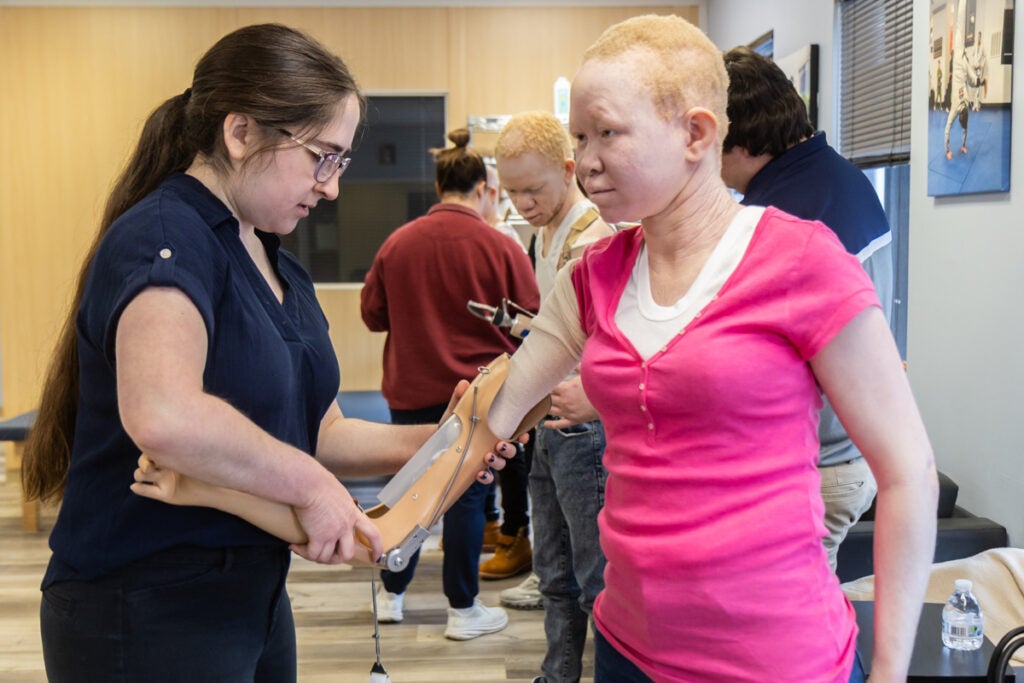
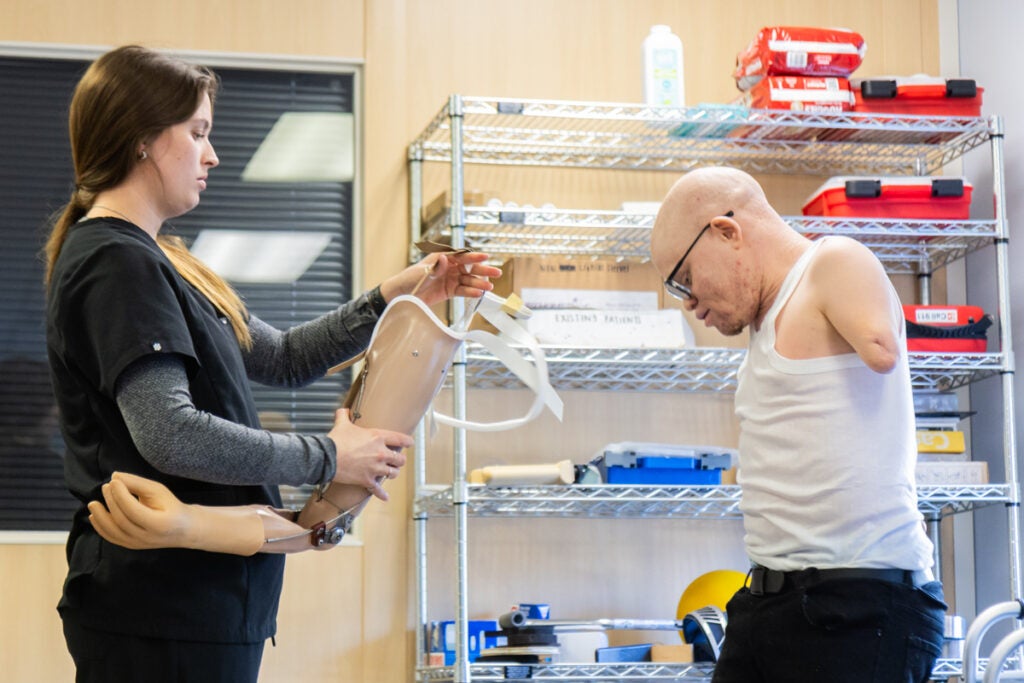
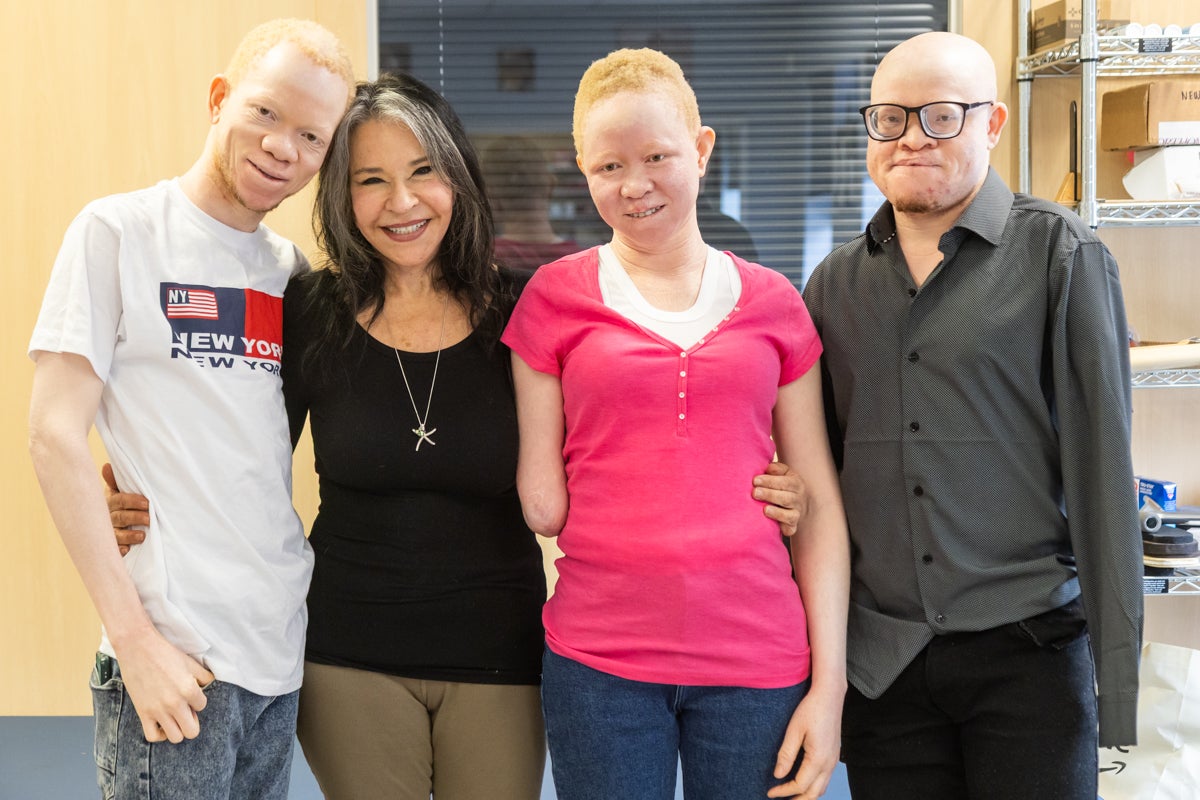
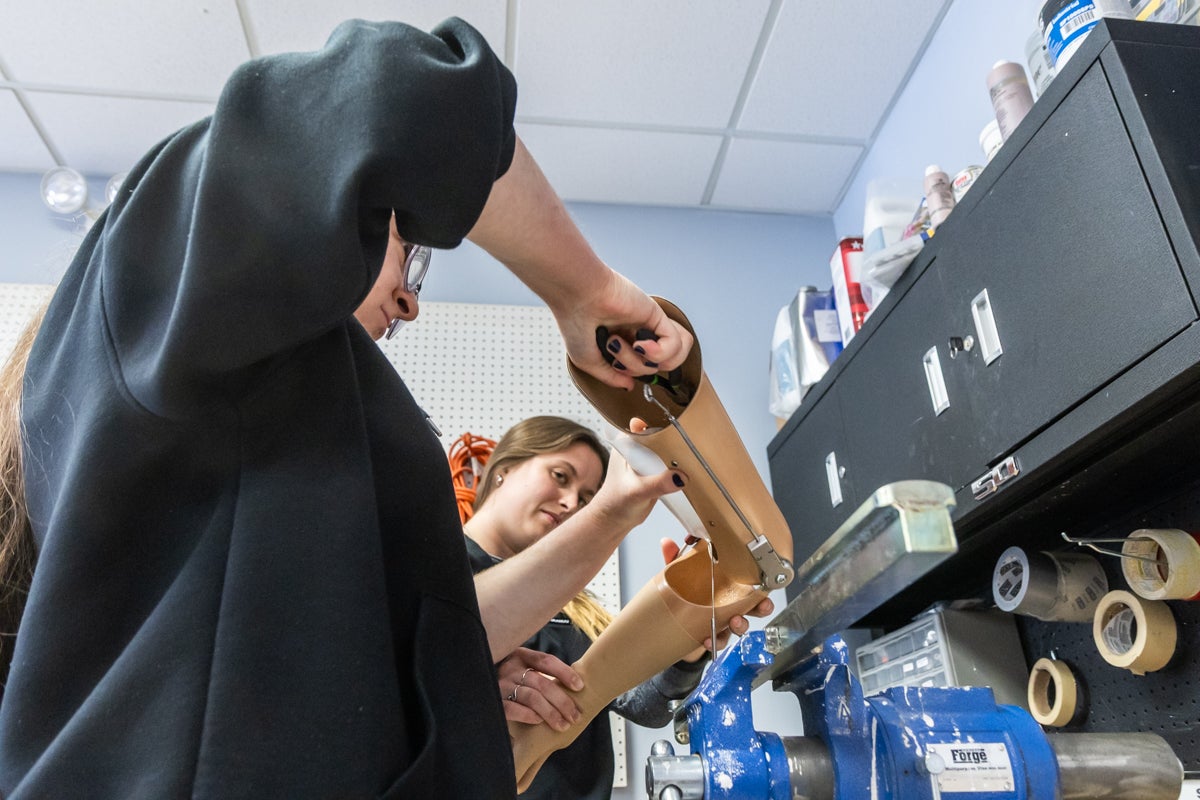
A team of specialists and students in Drexel University’s Orthotics and Prosthetics program met with Mwigulu, Emmanuel, 23, and Pendo, 24, at MedEast on a recent Monday for a final fitting.
“We capture the shape of the residual limb or what’s remaining and then from there, we’re then building out the rest of the actual prosthesis for them,” Graham said.
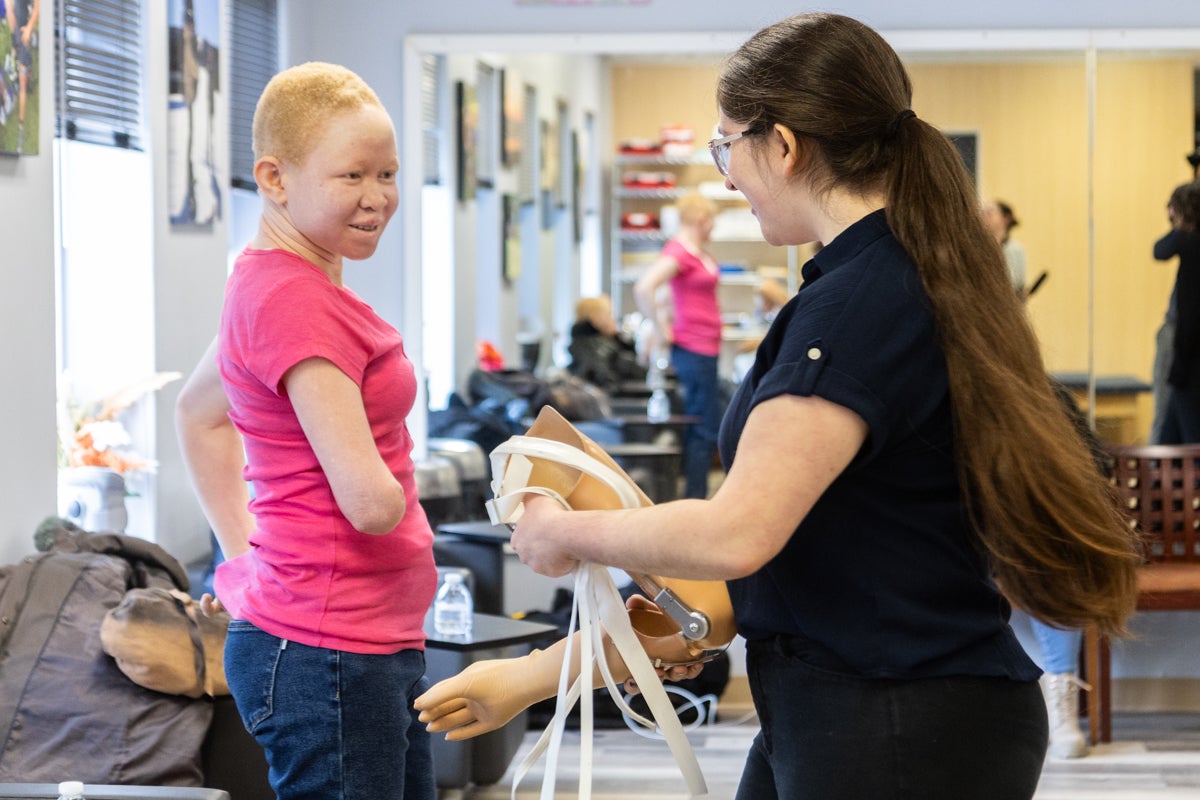
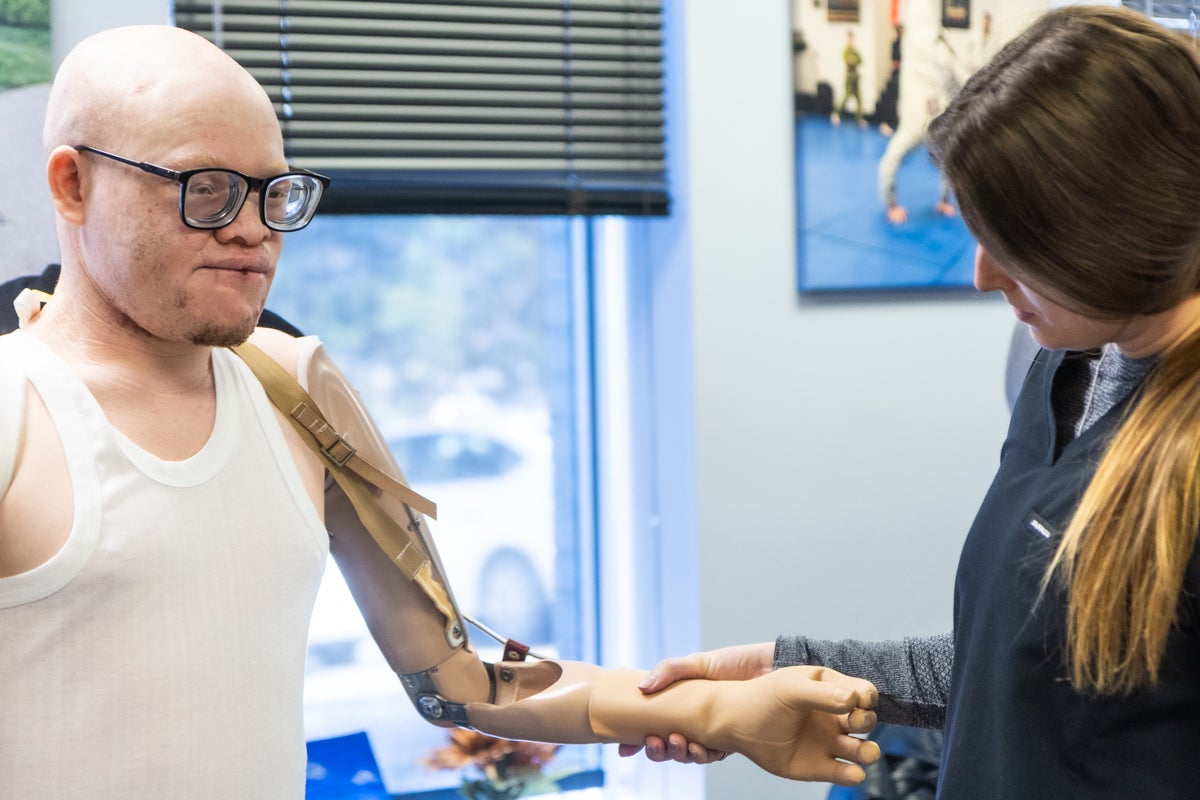
The body-powered arm prosthetics use a mechanical pulley system for movement. Some arms have claw-like hooks on the end that can help grip objects. Others have a silicone hand that can be functional or just worn for support.
“And the way you wear it, you feel complete,” said Emmanuel, who lost his left arm and several fingers on his right hand in an attack when he was about 5 years old.
Future aid work and travel for medical care
Global Medical Relief Fund has partnered with Shriners for more than two decades to help kids and young adults get specialty care as local doctors and companies donate their time and devices for free.
“This is really a Christmas present to them and to my charity,” Montanti said.
But she worries about children who still need help and could benefit from medical care in the U.S. as the federal government imposes more travel restrictions.
“I was holding my breath for these kids with visas,” Montanti said. “And there are so, so many children who need help.”
In June, the White House and the Department of Homeland Security announced full and partial restrictions on travel into the U.S. by people from 19 countries.
The Trump administration expanded that list of countries Dec. 16. It now includes partial restrictions for people coming from Tanzania and 14 other nations, mostly located in Africa, the Caribbean and South Pacific.
The administration accused these countries of corruption, fraud and poor vetting and recordkeeping when it comes to screening its citizens for international travel, according to a public proclamation.
White House officials reported that more than 8% of visitors from Tanzania with B-1 business or B-2 tourism visas, the latter often used for medical care, overstay past the expiration date. Under the new policy, entry into the U.S. with these types of visas “is hereby suspended.”
The process for getting visas and approval for kids to come to the U.S. for medical care has become more complicated and delayed, Montanti said, even before the latest restrictions.
The changes may limit the number of children her nonprofit can ultimately help going forward, she said, but it won’t stop her team and other humanitarian aid organizations from trying.
“People will say, ‘Why do you help children from other countries? Why don’t you help your own?’” Montanti said. “And my saying is, they are our own.”

Get daily updates from WHYY News!
WHYY is your source for fact-based, in-depth journalism and information. As a nonprofit organization, we rely on financial support from readers like you. Please give today.
Founders of the new Independent Autism Coordinating Committee say they will act as an alternative body to a federal advisory group under RFK Jr.
5 days ago
Listen 1:20
Dennis Massimo’s genetic diagnosis and cancer treatment plan was coordinated at the new King Center for Lynch Syndrome at Penn Medicine.
6 days ago
Listen 1:44
Reproductive medicine and fertility centers are required to meet specific safety standards and apply for state licensure under new rules.
2 weeks ago
Listen 1:21