Philly gathering looks at how foreign policy changes threaten America’s standing in the world, along with the city’s economic future
U.S. Rep. Brendan Boyle and Mayor Cherelle Parker lauded the city’s explosion onto the world stage, but contended the Trump administration is reducing global goodwill.
Listen 1:11
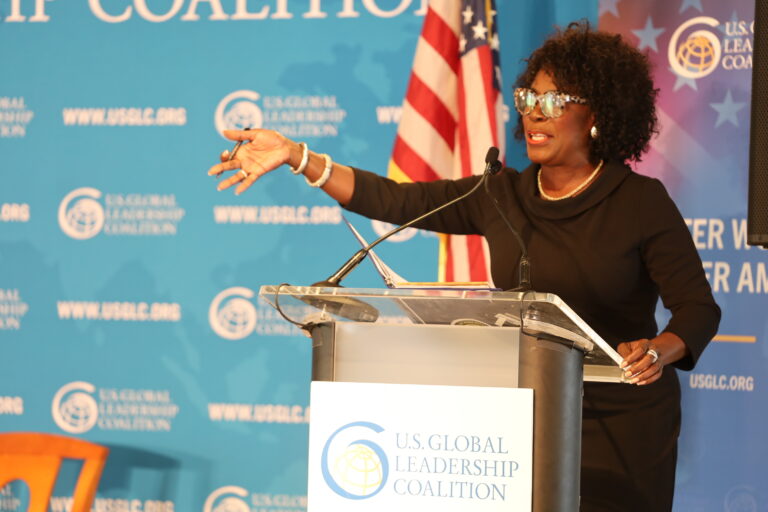
Philadelphia Mayor Cherelle Parker speaks at the USGLC event Monday, July 20, 2026. (Carmen Russell-Sluchansky/WHYY)
From Philly and the Pa. suburbs to South Jersey and Delaware, what would you like WHYY News to cover? Let us know!
Philadelphia’s recent turn in the international spotlight could translate into long-term economic gains — if the United States remains engaged abroad, according to local political, business and military leaders.
Just days after the city hosted the nation’s principal semiquincentennial celebrations, FIFA World Cup matches and the 2026 Major League Baseball All-Star Game, Mayor Cherelle Parker and U.S. Rep. Brendan Boyle, D-Phil., spoke to a U.S. Global Leadership Coalition gathering Monday.
The mayor pointed to the city’s FIFA Fan Festival at Lemon Hill, which drew more than 500,000 visitors over 39 days, as an example of how international events can reshape perceptions of Philadelphia.
“They came for soccer, but they stayed for Philadelphia,” Parker said. “They experienced the warmth of our neighborhoods, the pride of our people and the unmistakable spirit of our city. They came to experience our history, but they left believing in our future.”
Such soft diplomacy, she said, helps build the city’s reputation and can foster financial benefits.
“When people experience Philadelphia, they begin investing in Philadelphia,” Parker said, pointing to recent investments from companies including Bonduelle, Hanwha and TerraPower.
Boyle, however, added that the nation’s current foreign policy of tariffs, protectionism and isolationism threatens decades of diplomacy and peaceful engagement with the rest of the world, resulting in “consequences, some of which we are seeing play out right now on the world stage.”
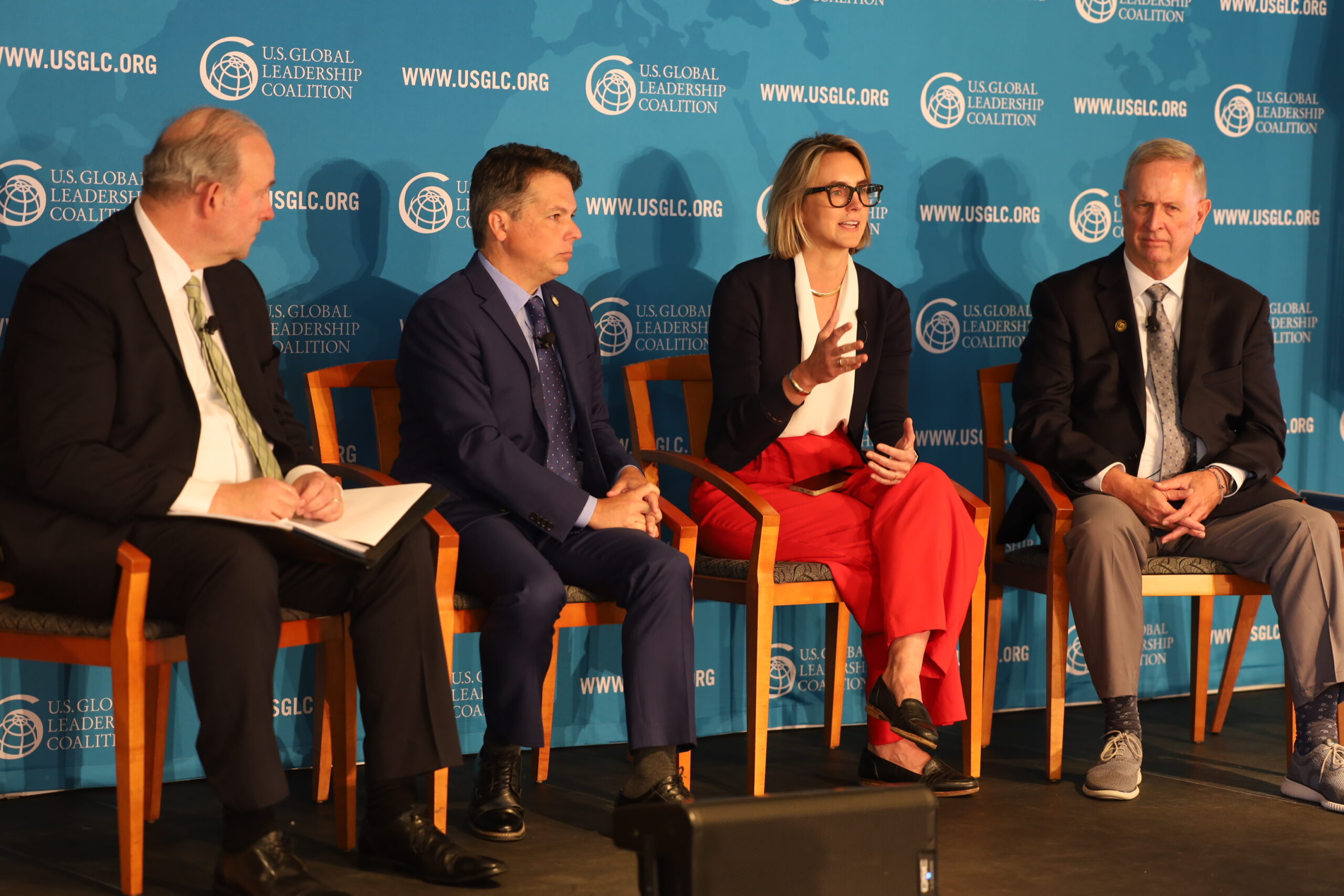
“For the last 80 years, we have lived in the world that we have built,” he said, joining a panel discussion. “We created, with our partners, NATO. We created the World Bank. We created the IMF and we led the creation of the United Nations. Now after eight decades, this whole world infrastructure we created is being challenged, and it’s mostly being challenged from within.”
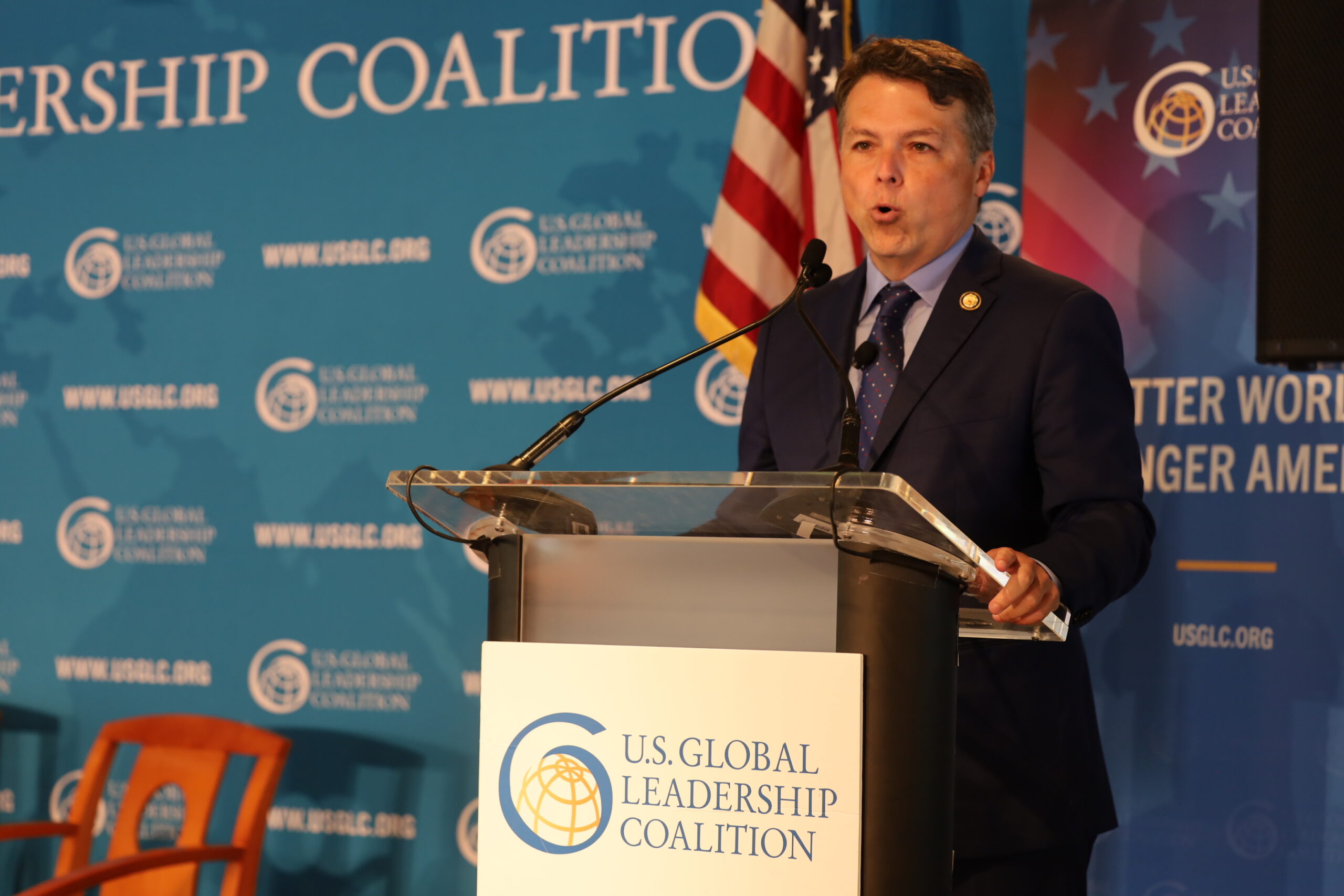
Also on the panel were Jennifer Siler, U.S. head of corporate government affairs for GSK, and retired Air Force Lt. Gen. Thomas Trask.
Related Content
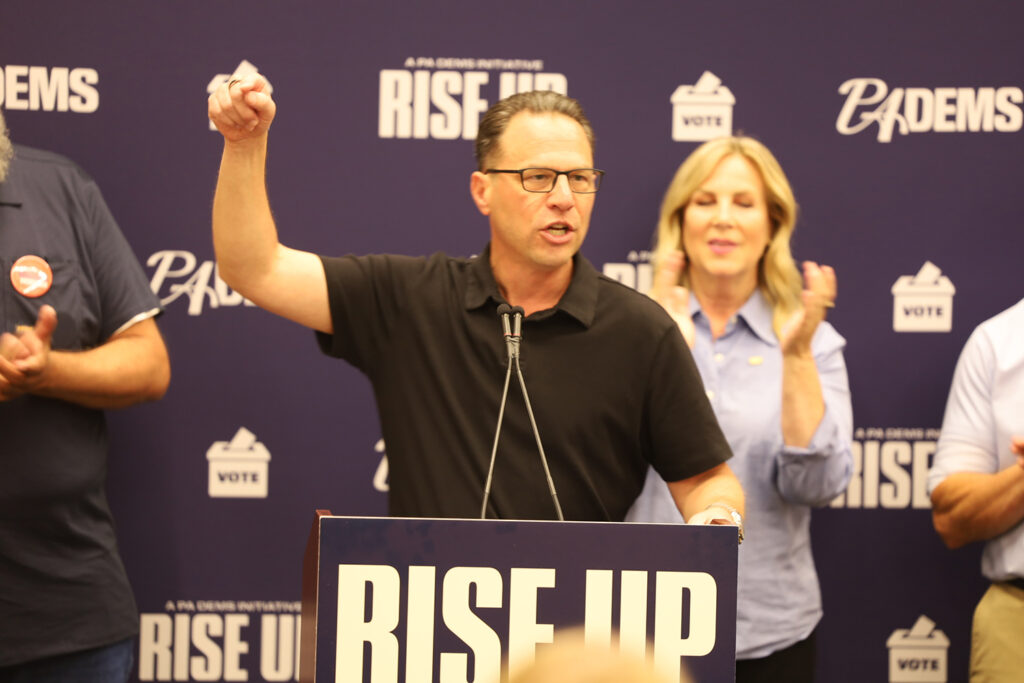
State Democratic leaders announced the effort in the district of U.S. Rep. Scott Perry, one of four Republican-held seats they hope to flip in November.
2 months ago
Listen 1:13Siler previously worked in the U.S. Agency for International Development’s Global Health Bureau, focusing on innovation and partnered with area universities and startups to tackle the Ebola virus as it became a global threat. She argued that decades of U.S. investment in international health programs have helped create a market that supports Pennsylvania’s life sciences industry.
“Our largest employee footprint is in the United States, and our largest footprint by state is here in Pa.,” Siler said. “We have vaccine sites and some of our global health products produced in Pa. that make it to the farthest regions in the world, saving lives that otherwise wouldn’t be saved.”
GSK’s U.S. headquarters is in Philadelphia, and about one-third of the company’s U.S. workforce is based in Pennsylvania, which also accounts for 1 in 4 vaccines packaged and distributed around the county. GSK’s Marietta site also supplies vaccines to 88 countries through partnerships with organizations such as Gavi, the Vaccine Alliance. However, recent cuts to foreign health aid threaten that industry.
Gavi was founded in 2000 and has played a role in vaccinating 1.1 billion children against a variety of devastating diseases, including polio, malaria and mpox. USAID has contributed billions of dollars to Gavi for its global health efforts, but those grants were cut last year.
Speaking on the panel, Boyle criticized those decisions that could have catastrophic effects.
“There have been a lot of things obviously over the last 18 months of this administration that I’ve disagreed with — few have as far-reaching and as disastrous consequences as the shuttering of USAID,” he said. “That coupled with some of the inane decisions by HHS right now, I fear will come to bite us Americans living here in terms of the work that is not being done now in order to identify diseases and, God forbid, the next pandemic.”
Editor’s note: This article was updated to better reflect Pennsylvania’s role in global vaccine production and distribution.

Get daily updates from WHYY News!
WHYY is your source for fact-based, in-depth journalism and information. As a nonprofit organization, we rely on financial support from readers like you. Please give today.
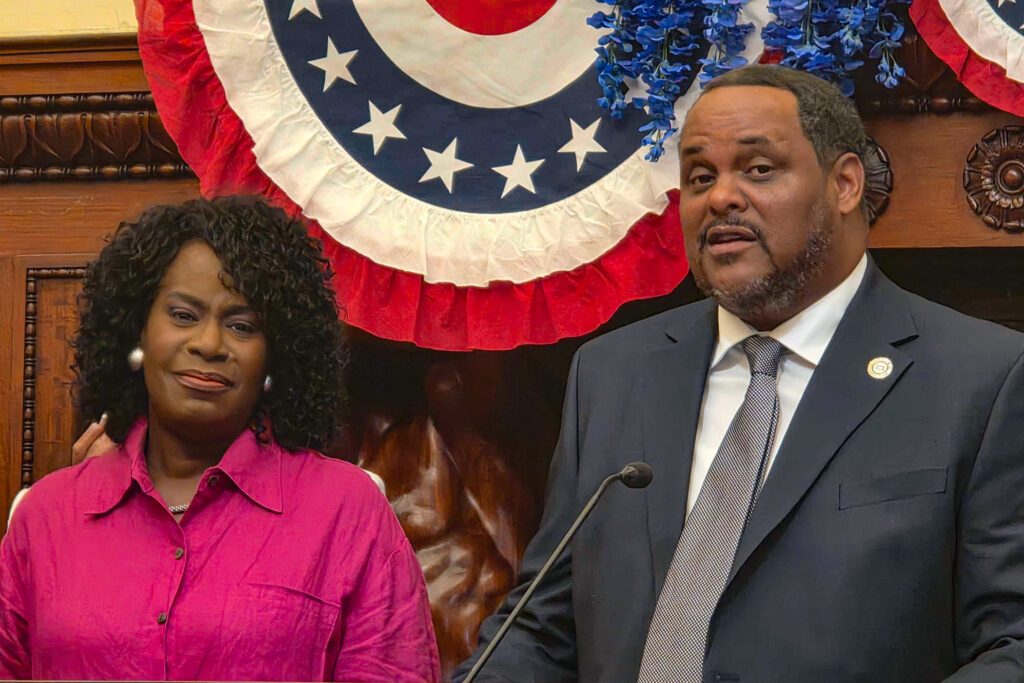
Thiel is heading back to the private sector, and there is a new city solicitor and deputy mayor in Parker’s cabinet.
2 months ago
Listen 1:00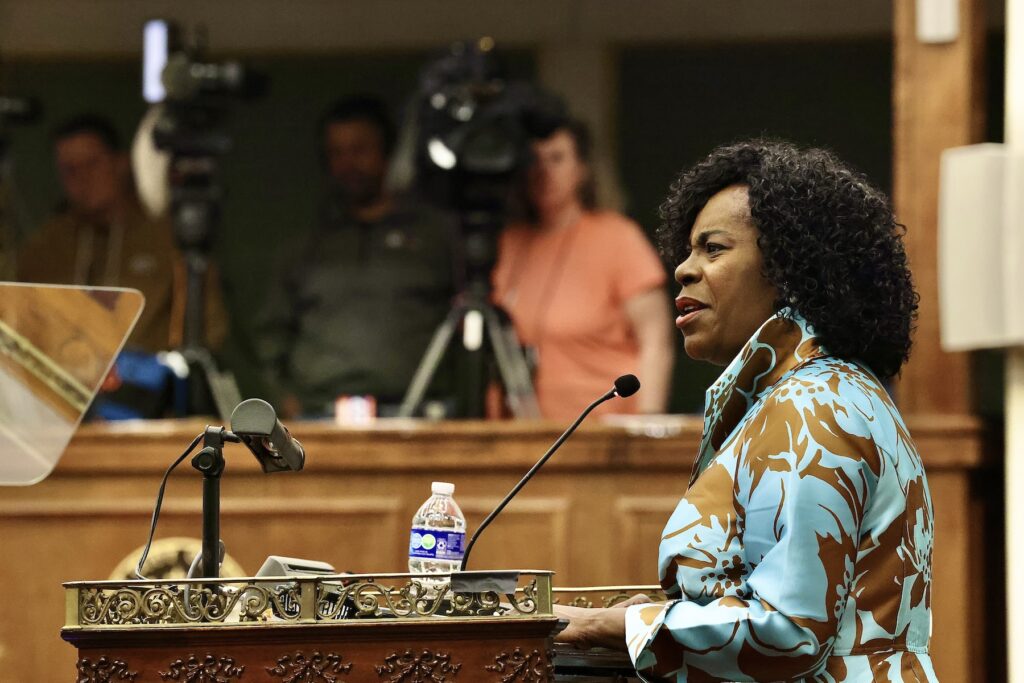
Parker blamed “billionaire tech companies” after Council rejected a $1 per-ride tax on rideshare services meant to benefit the school district.
4 months ago
Listen 1:17
Uber launches campaign against Philly’s proposed $1 rideshare tax
Under the mayor’s proposal, $1 from every Uber and Lyft ride in Philly would go to the city’s school district. Uber says riders will bear the cost.
5 months ago
Listen 0:57