

Toxic ‘forever chemicals’ in New Jersey’s tap water have dropped 55%, Rutgers study finds
PFAS are commonly found in household items and can remain in the environment — and our blood — for decades.
Listen 1:19
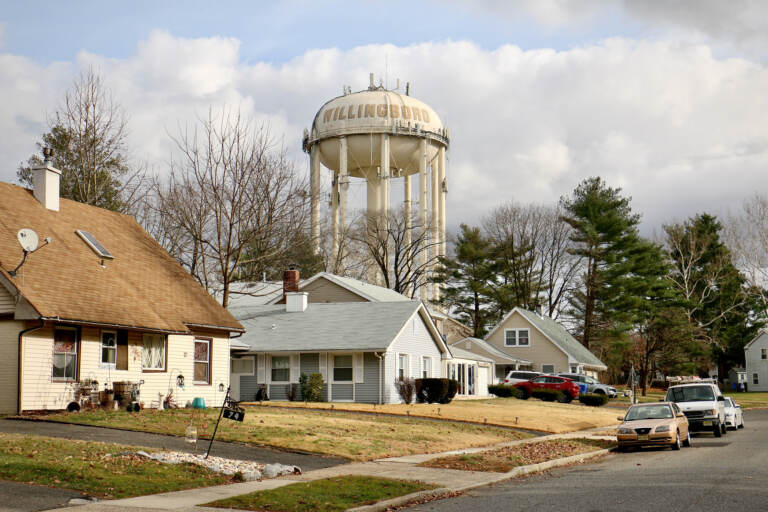
A water tower looms over the Academy Woods neighborhood in Willingboro, N.J. (Emma Lee/WHYY)
This story is part of the WHYY News Climate Desk, bringing you news and solutions for our changing region.
From the Poconos to the Jersey Shore to the mouth of the Delaware Bay, what do you want to know about climate change? What would you like us to cover? Get in touch.
In 2021, after environmental regulators started restricting PFAS in drinking water, the Willingboro Municipal Utilities Authority began sampling the “forever chemicals” for the first time.
Those samples detected PFAS levels well above state standards, prompting the authority to shut down an impacted well. PFAS have been linked to serious health problems, including some cancers.
“It was definitely difficult, especially for our residents because they did get a lot of fear from that,” said Diallyo Diggs, who at the time was serving as acting executive director for the WMUA.
“We knew we could isolate, we knew we could shut down the well, but how long was it going to take to fix? We didn’t know how much the fix was going to cost. We didn’t even know what the cause was.”
Now, after spending millions of dollars on a treatment system, levels of PFAS in the town’s drinking water are at almost zero.
Related Content

Volunteers collect over 125,000 of pieces of plastic waste from New Jersey beaches
In 2025, 83% of the trash collected from New Jersey’s beaches were made from plastic.
6 months ago
Listen 1:11Willingboro is just one of many New Jersey towns that have shown promising results since the state restricted PFAS in public drinking water. Concentrations of the “forever chemicals” have dropped by 55% since the Garden State became the first in the nation in 2018 to restrict levels in drinking water, according to a new Rutgers University study.
Before the regulations were implemented, PFAS far exceeded safe levels, said study author Hari Iyer, a cancer epidemiologist in the Department of Medicine at Rutgers’ Robert Wood Johnson Medical School.
“When we put these regulations in place, they do lead to these really steep reductions in these harmful exposures,” he said. “It seemed like an important message, and one that even though it was obvious to colleagues working closely in this area, and certainly even in the scientific space, would be a story that would be worth telling.”
PFAS, widely used in consumer products such as nonstick cookware and waterproof clothing, as well as in firefighting foam, have been linked to serious health problems, including some cancers, thyroid disease, weakened immune response and developmental delays in children.
The health risks associated with the chemicals, which can stay in the human bloodstream for years, have prompted federal and state regulations.
The Rutgers study, published in Environmental International, analyzed 19 years of test results for three types of PFAS chemicals to determine the effectiveness of regulations. The study analyzed the results of 47 water providers that serve about 45% of the state’s population.
The study found that levels of PFOA, one of the most common types of PFAS, dropped by 55%. Another type of forever chemical, PFNA, showed a 50% decrease.
The study also found that PFAS levels dropped before the new regulations were enacted, indicating that some water providers acted immediately.
Paulsboro, which was part of a multi-million-dollar PFAS lawsuit against chemical company Solvay, reduced its PFNA contamination to undetectable levels two years before the state’s regulations were officially implemented.
Water providers in New Jersey and across the U.S. must reduce PFAS levels in tap water to even lower levels to meet new federal regulations stricter than state policies.
Related Content
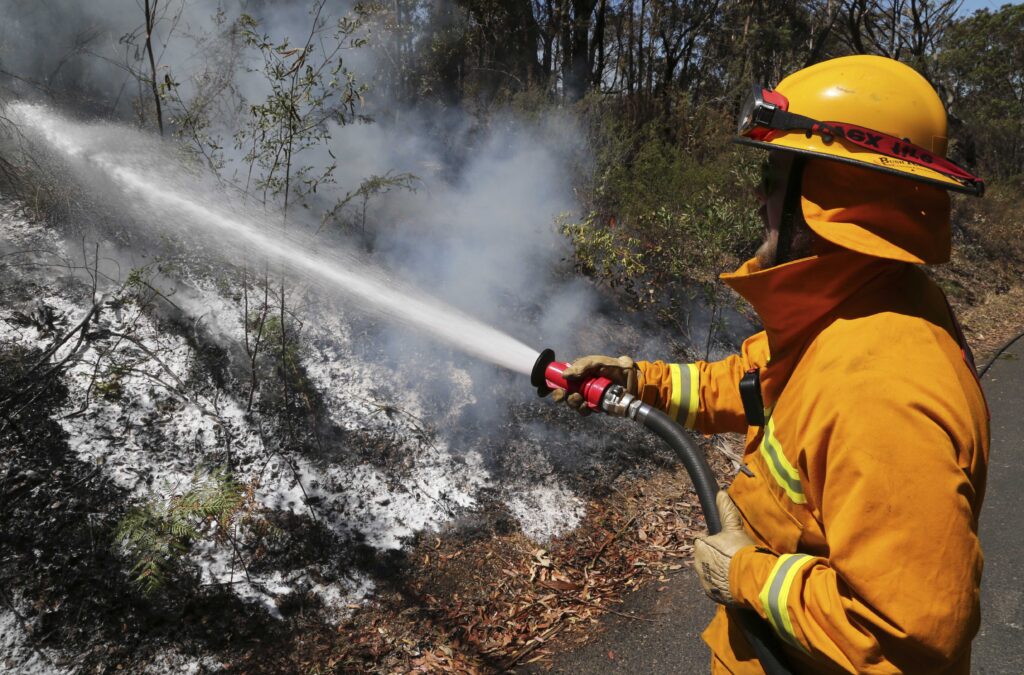
New Jersey firefighters take toxic PFAS firefighting foam off their shelves
New Jersey has partnered with Revive Environmental to remove and destroy 150,000 gallons of aqueous film forming foam.
6 months ago
Listen 1:20In 2024, the U.S. Environmental Protection Agency set PFAS levels in public drinking water at almost zero as part of a broader push by the Biden administration to address water quality.
The agency has proposed rolling back some restrictions under the Trump administration. That proposal includes giving water providers an additional two years to meet the new restrictions.
Willingboro’s Diggs, currently the vice chair of the WMUA’s Board of Commissioners, said he’s pleased with the Rutgers study results. However, he said reducing PFAS levels came with a cost. The town has spent close to $10 million and will likely need to spend up to another $20 million to operate the equipment needed to remove “forever chemicals” from its drinking water supply. That cost will be passed on to town ratepayers, Diggs said.
“The residents definitely want better water, but I think they feel it’s unfair that the polluters don’t really pay the brunt of the cost to fix it,” he said.
“[The regulations] helped us move towards making sure it didn’t become a health problem for our residents. But at the same time, we also had to figure out, ‘How do we pay for it? How do we hold the people accountable? And how [do we make sure it] doesn’t happen in the future so that another company doesn’t come in and put chemicals in the ground?’”
Iyer, the Rutgers researcher, said he wants to advance his study by connecting water-quality data to health outcomes, using cancer registry records to model how PFAS exposure may be associated with survival and other patient outcomes.
A separate study at Rutgers Cancer Institute, called REPEL, is recruiting men with prostate cancer to measure PFAS in their blood and in tap water.
“These are going to help us better understand how people are being exposed,” Iyer said. “Is it through the tap water? Are there other sources that they may be exposed to that are more important, potentially, that they should know about and be able to mitigate?”

Get daily updates from WHYY News!
WHYY is your source for fact-based, in-depth journalism and information. As a nonprofit organization, we rely on financial support from readers like you. Please give today.
Part of the series
Part of the series

Watershed
Preserving Our Water: How we use our Delaware Watershed.
The project is funded by The William Penn Foundation.
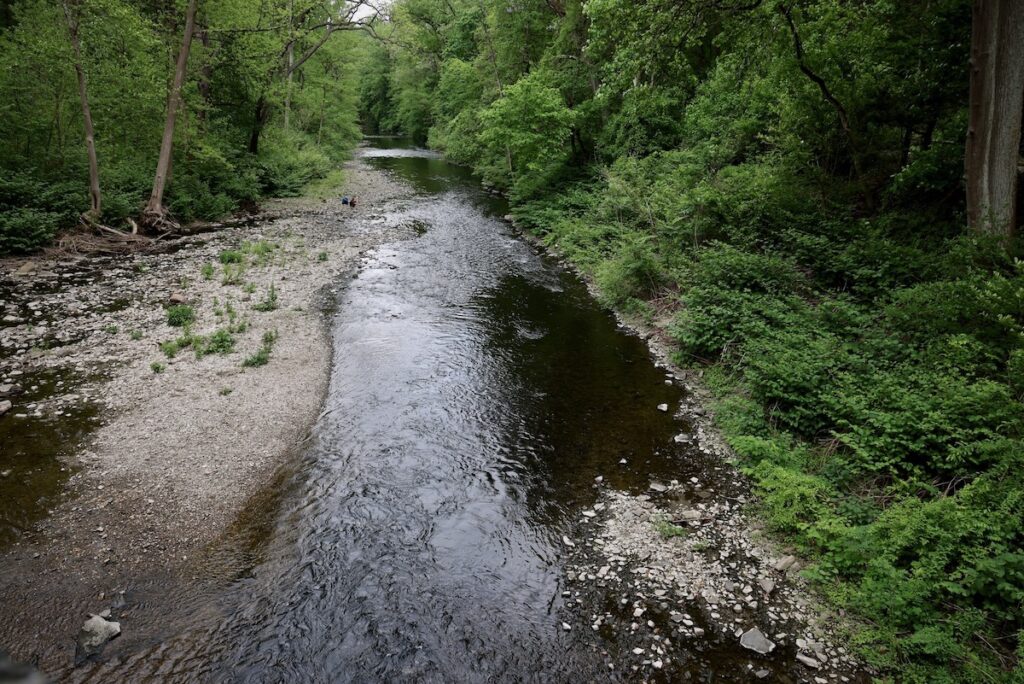
Anglers warned to not eat PFAS contaminated fish from the Wissahickon watershed
Environmental regulators found high levels of PFAS chemicals in fish tissue sampled from the Wissahickon Creek and its tributaries.
6 hours ago
Listen 1:04
Hydropower parts manufacturer in Northeast Philadelphia lands federal research partnership
Kingsbury plans to test new materials for hydroelectric power equipment that can support the needs of modern-day grids.
4 days ago
Listen 1:09
EPA announces new plan to clean up arsenic contamination at Vineland chemical site
The Vineland Chemical Company produced arsenic-based herbicides and fungicides for 45 years, causing widespread contamination.
4 days ago
Listen 0:53