
Penn graduate workers reach historic tentative agreement with university, averting strike
Union organizers say the contract will transform their quality of life. Efforts to unionize graduate students started more than 20 years ago.
Listen 1:36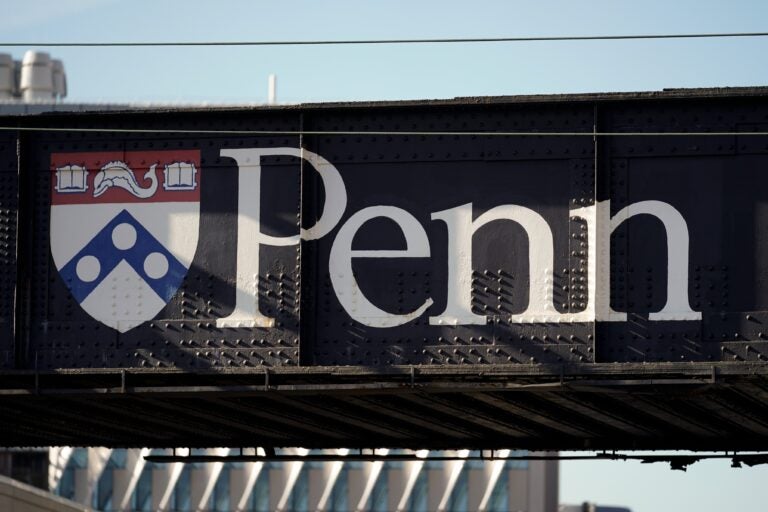
A University of Pennsylvania sign is seen in Philadelphia, Friday, Dec. 15, 2023. (AP Photo/Matt Rourke)
From Philly and the Pa. suburbs to South Jersey and Delaware, what would you like WHYY News to cover? Let us know!
The graduate student union at the University of Pennsylvania reached a tentative contract agreement with the university late Monday night, narrowly averting a strike after more than a year of negotiations.
Graduate Employees Together — University of Pennsylvania and Penn administrators reached the agreement hours before the union’s Feb. 17 strike deadline. Had the union — which represents over 3,500 workers on campus — called the strike, its members would have indefinitely ceased their duties as teaching and research assistants, which include grading, holding recitations and office hours, and conducting research activities.
The tentative contract increases the minimum annual stipend by 22% to $49,000 and includes protections against discrimination and harassment, better vision and dental coverage, and funds to support international graduate students who need to travel to renew their visas.
Union organizers say the contract will not just benefit current and future graduate student workers at the university, but also set a precedent for future negotiations for groups like the postdoctoral researchers who voted to unionize last year and have begun bargaining with the university for their first contract.
In a statement, a university spokesperson wrote that they are pleased with the tentative agreement, and that “Penn has a long-standing commitment to its graduate students and value their contributions to Penn’s important missions.”
Guru Shabadi, a second-year graduate student in the computer and information science department, helped bargain for the new contract for the past seven months, which he described as a “long and arduous process.”
It came down to minutes after midnight on the final day of bargaining, in a packed room with more than 60 union members supporting the bargaining team as they negotiated with Penn representatives.

In the end, Shabadi said “we love our jobs and we’re glad to have won this fair contract, which I think will transform a lot of our lives for the better.”
Violet Ullman, a fourth-year bioengineering graduate student, said that when the union and Penn reached the agreement, “myself and many others burst into tears, knowing how much work and effort has been put into this over the past three to five years.”
Shabadi said that one highlight was getting the university to agree to help support the cost of health care for the dependents of graduate student workers, including some of his colleagues.
“They had to support their whole families with our meagre stipend, while also paying out of pocket for their health care. So this was huge,” Shabadi said.
Related Content
Penn union organizers call Trump demands on higher education a ‘total betrayal of our values’
The White House asked nine universities to make sweeping policy changes to access federal programs like visas and research grants.
5 months ago
Listen 1:23Xiangyi Fang, a fifth-year bioengineering graduate student, said the new minimum stipend puts Penn in line with peer institutions like Johns Hopkins University and Princeton University, instead of falling short by close to $10,000. The union had highlighted the disparity during negotiations. She said that she sometimes talks to students looking to obtain doctorate degrees since she is almost done with hers, and now she can promote the protections in the new tentative contract.
“Now we can be like, ‘If you’re excited about research, with this contract, this is a place for you to do really great research and still have a good life in your Ph.D. … You’re not spending your mid-20s being poor,’” she said.
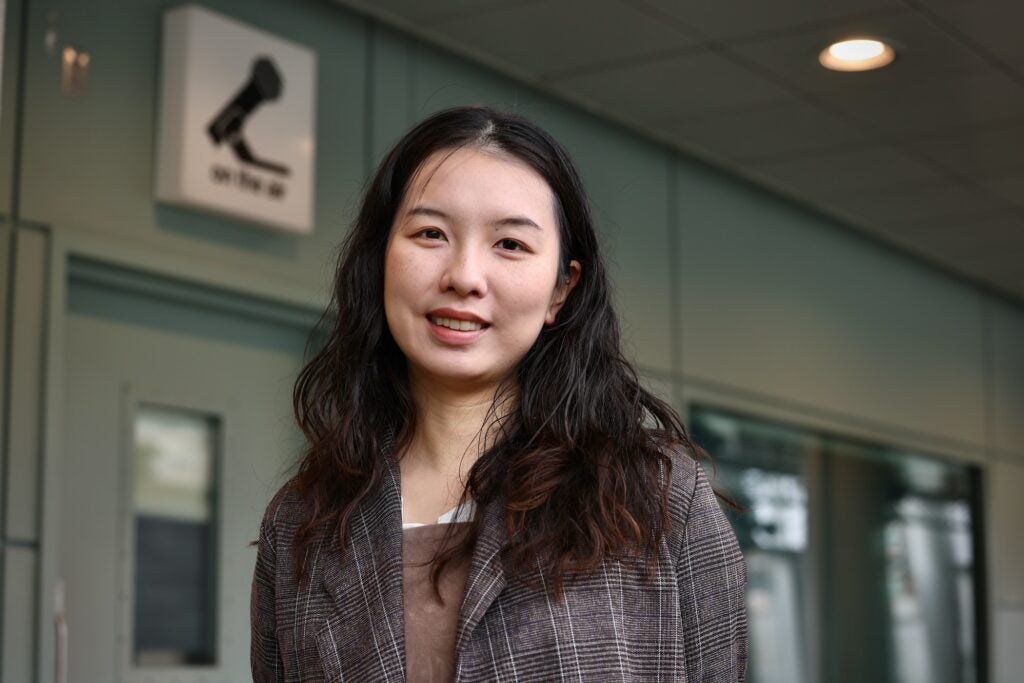
Multiple organizers also highlighted new protections for international student workers. Under the new contract, the university would establish an annual $50,000 fund to international students who need help with visa expenses, and give them time off for visa and immigration proceedings for themselves and family members.
As the union surpassed a year of bargaining, a supermajority of the union initially authorized a strike in November, citing university administrators’ “delays and insufficient proposals” during negotiations. In January, the union set a strike deadline of Feb. 17, and multiple organizers said that the pace of negotiations markedly increased since then.
“We really started to see articles coming back, [and] we started to see Penn working with us and really trying to negotiate and compromise with us,” said Clara Abbott, a third-year graduate student studying literacy studies who serves as a bargaining committee member for GET-UP. “We were all prepared, ready and able to go on strike, and I think demonstrating that strike threat to Penn really pressured them to be able to agree to these rights and protections that we as workers deserve.”
Support for the graduate workers’ contract fight stretched across Penn’s campus and into the surrounding community as the strike deadline approached.
More than 300 faculty members across Penn’s undergraduate and graduate schools had signed a pledge circulated by the university’s chapter of the American Association of University Professors vowing to “not act as strikebreakers” in the event of a graduate work stoppage.
Jessa Lingel, an associate professor of communication and president of the association’s chapter at Penn, said the first push for unionizing graduate students at Penn started in the early 2000s.
“Thousands of graduate students have worked towards this over … literally two decades, and all of those students who came before pushing for this, they knew that they weren’t directly going to get the benefits of that activism,” she said. “So seeing the contract come together and knowing a lot of people in the bargaining committee are going to graduate and not benefit directly from their efforts is really amazing. And that’s my favorite part about seeing this win.”
The union organizers will now present the tentative agreement to members for a ratification vote, which will happen next week.

Get daily updates from WHYY News!
WHYY is your source for fact-based, in-depth journalism and information. As a nonprofit organization, we rely on financial support from readers like you. Please give today.

Penn senior and family host 10th annual fundraiser for Duchenne muscular dystrophy
Between classes at Penn and DJ gigs, Yuva Gambhir manages the rare degenerative disease with grit and determination.
5 months ago

Early career researchers at Penn want to form a union, which the university is challenging
Organizers say they want better job security, protections against being fired unfairly and salaries that keep up with the cost of living.
10 months ago
Listen 1:38
Jefferson Health and ChristianaCare resident doctors join local wave of unionizing
Resident doctors from several major health care institutions in the region voted to form unions in the past two weeks.
1 year ago
