

Gardener’s guide: How to convert your home lawn into a meadow
Meadows and native plants have a number of benefits, including soaking up stormwater and attracting pollinators.

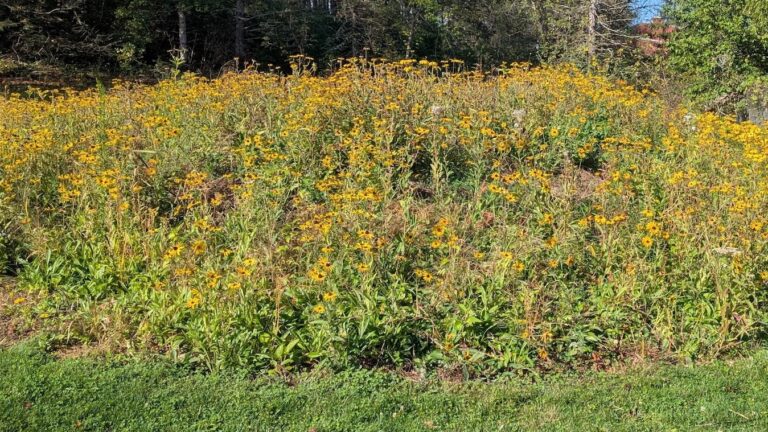
Unlike turf grass, which has shallow root systems, meadow grasses have larger root systems, which help soak up about 50% of water. (Courtesy of the Pennsylvania Department of Conversation and Natural Resources)
This story is part of the WHYY News Climate Desk, bringing you news and solutions for our changing region.
From the Poconos to the Jersey Shore to the mouth of the Delaware Bay, what do you want to know about climate change? What would you like us to cover? Get in touch.
Landscape experts and environmentalists are touting the benefits of converting lawns into meadows and encouraging native plants. These peaceful habitats with native grasses and wildflowers have a number of environmental benefits.
This spring, Pennsylvania began to offer free meadow kits for homeowners interested in converting their lawns. The initiative was such a hit that the state ran out of the popular kits. But homeowners across the region can still start the process of transforming their land on their own.
WHYY News asked landscape experts about how you can convert your lawn at home — and they say no yard is too small.
Here’s what you need to know:
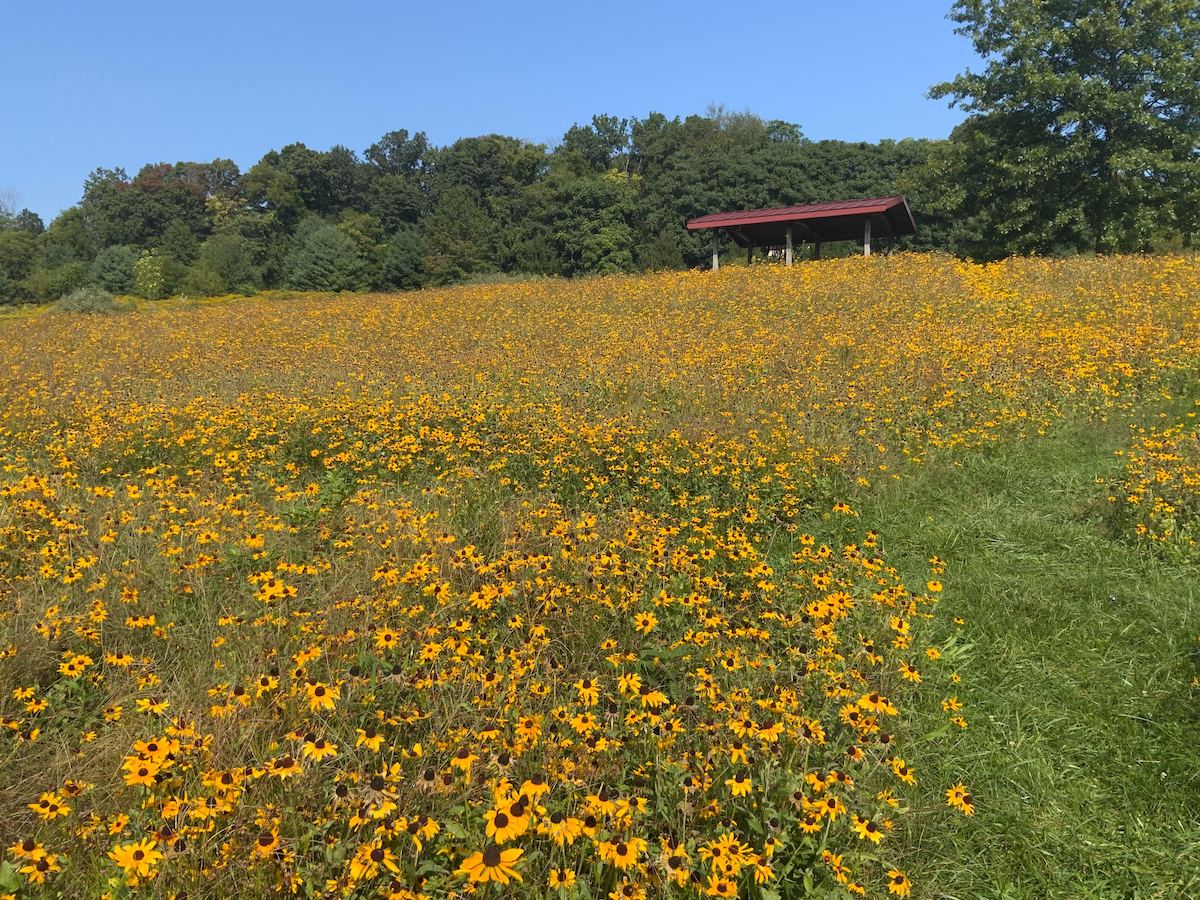
Why should I consider converting my lawn to a meadow?
Lawns require a lot of maintenance, including watering and regular mowing, which can emit air pollutants. They often require the use of fertilizer or herbicides, which can cause health problems, leach into groundwater and harm pollinators and habitats.
“That’s a lot of landscape that requires a lot of resources and a lot of inputs, but it’s not actually contributing to healthy water and ecosystems,” said Kelsey Mummert, the Lawn to Habitat program coordinator with the Bureau of Forestry.
Lawns also contribute to greater stormwater runoff because they contain short, compacted grasses with short root systems that don’t promote water infiltration. They also provide very little habitat for wildlife, Mummert said.
Meadows, on the other hand, support wildlife and pollinators, improve soil health, sequester carbon, and absorb and clean stormwater with their larger root systems.
“I’m not advocating for getting rid of lawns entirely. They have their place. But the land-to-habitat effort is really more about rethinking how much space we dedicate to lawns and figuring out where we can make room for something more ecologically beneficial,” Mummert said.
Meadows not only provide environmental benefits, they are also aesthetically pleasing.
“Meadows breathe life back into the landscape,” Mummert said. “They also bring a lot of movement, splashes of color, into these human spaces, which is just something you don’t get with a uniformly shortened green lawn.”
Related Content
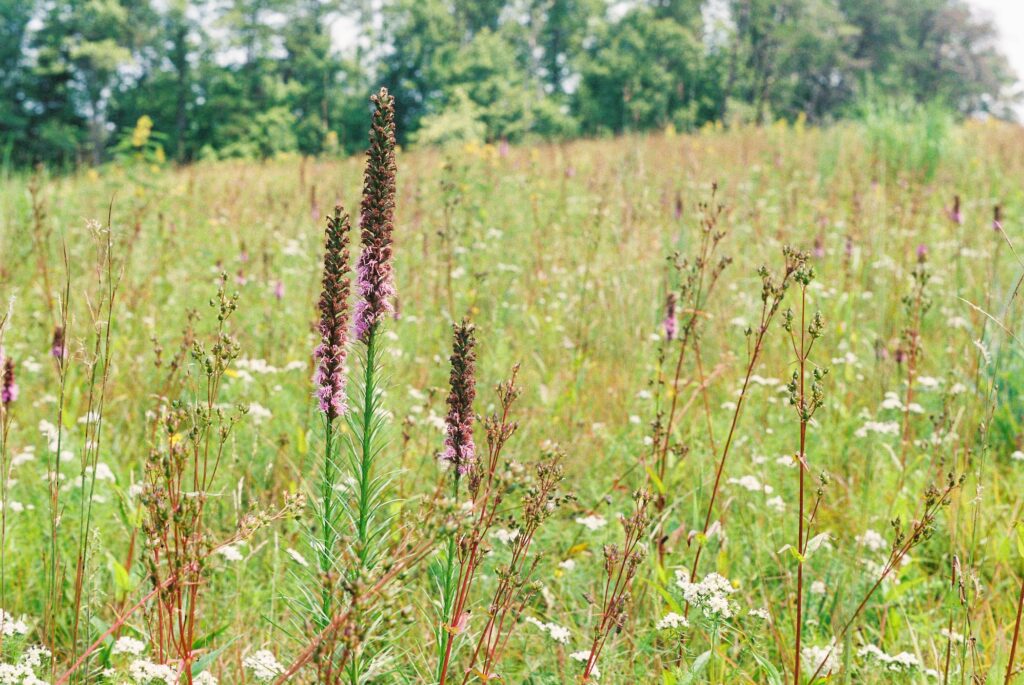
Pa. wants homeowners to ditch their lawns for meadows — starting with free native plant kits
Unlike lawns, which have short roots, meadows soak up water and prevent stormwater pollution.
6 months ago
Listen 1:12What does the lawn conversion process involve?
The first step in the process involves planning and designing the space, including choosing your conversion area and plant pallet.
The second step is site preparation and lawn removal. Andrew Bunting, vice president of horticulture at the Pennsylvania Horticultural Society, said the method for doing so involves a “philosophical choice.”
Lawns can be removed by using herbicides, which is a simple method, but can impact the environment. Organic methods have fewer environmental consequences but can require more work. That can include covering the lawn with plastic to heat the area and kill the lawn, or by covering the area with cardboard followed by topsoil.
Another approach is to mechanically remove the lawn by scooping the area with sod cutters, Bunting said.
Whichever method you choose, site preparation is crucial, Mummert said.
“You can’t just scatter seeds into an existing lawn and expect that meadow to grow,” she said. “The grasses and the other plants that are present in the lawn are going to out-compete everything. So, just make sure that you’re taking the time to do site preparation to help set your meadow up for success.”
The third step involves seeding the area, tamping on it with a lawn roller and covering it with some straw. An alternative to seeding is installing the plants by using plugs, which can root in quickly, or opting for a hybrid of the two options.
When should I start my conversion?
If you want to start seeding in the fall, which is recommended when using organic methods of conversion, you should start site preparation in the summer. If you want to seed in the spring, site preparation typically starts in the fall.
The process involves a lot of patience, Mummert said.
“Once those seeds go in the ground, you’re looking at about three years until you’re really getting a lot of that color,” she said. “It’s really critical in those first three years to care for the meadow so that you’re giving those native plants the best chance of blooming and thriving in years three and beyond.”
Related Content
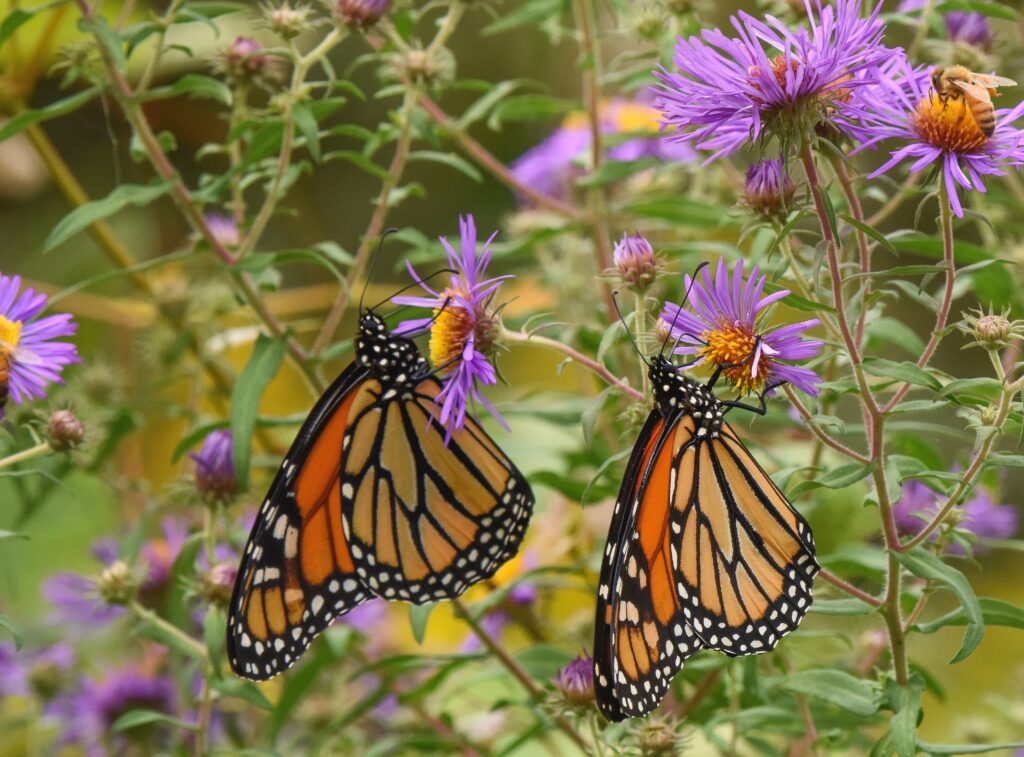
Native-plants champion Doug Tallamy says individuals should reduce the amount of lawn they have and plant more native plants in his latest book, “How Can I Help?”
2 years ago
How much maintenance is involved?
Meadows require high maintenance during the first growing season to help encourage plant germination and keep annual weeds and woody plants at bay. After the first year, you will mow no more than once per year between October and March.
Lawns, on the other hand, take more routine and regular upkeep.
Does it matter how big my lawn is? Can I do a partial conversion?
You don’t need a Midwestern prairie to convert your lawn, Mummert said. Homeowners can convert a corner of their lawn, an area around their driveway or a single garden bed. Regardless of the size, converting your lawn will have a meaningful impact, Mummert said.
“If one person is planting a meadow or even just a few native lands, other people are going to notice it, and that’s what is going to inspire people to try it too,” she said.
Bunting said lawn conversion can also be achieved incrementally each year. Though having more sun is preferable, homeowners can replicate meadows with native woodland plantings on a shady lawn, he said.
How do I know what plants to get?
Different plants flourish in varying conditions, so it’s crucial homeowners determine whether their property is sunny or shady, dry or wet.
Homeowners can determine which seeds to purchase based on the conditions of their land, and by learning which eco-region they live in. Native seed suppliers and nurseries in the region can help you make the best decision.
“A lot of people consider native plants in this area anything east of the Mississippi River,” Bunting said. “But if you really want a meadow planting with maximum ecological impact then, say you live in Delaware County, you should be planting plants that are truly native to Delaware County.”
Residents can take it a step further by searching for ecotypes, which are seeds collected from plants growing in the area.
“That nuance is not so easy to do, because a lot of nurseries don’t carry ecotypes necessarily. However, that is a nuance that some of the native plant nurseries are starting to adopt,” Bunting said.
Most garden centers are knowledgeable about native plants, he said, and can offer advice on which plants flourish in the conditions of your property.
Diversity is key.
“The more kinds of plants you have, the more biodiversity you will have, and then by having that biodiverse meadow, you’ll attract more insects, more birds,” Bunting said. “Once you have more biodiversity, you’ll get native mammals, you’ll get native reptiles, you’ll get native amphibians.”
Related Content
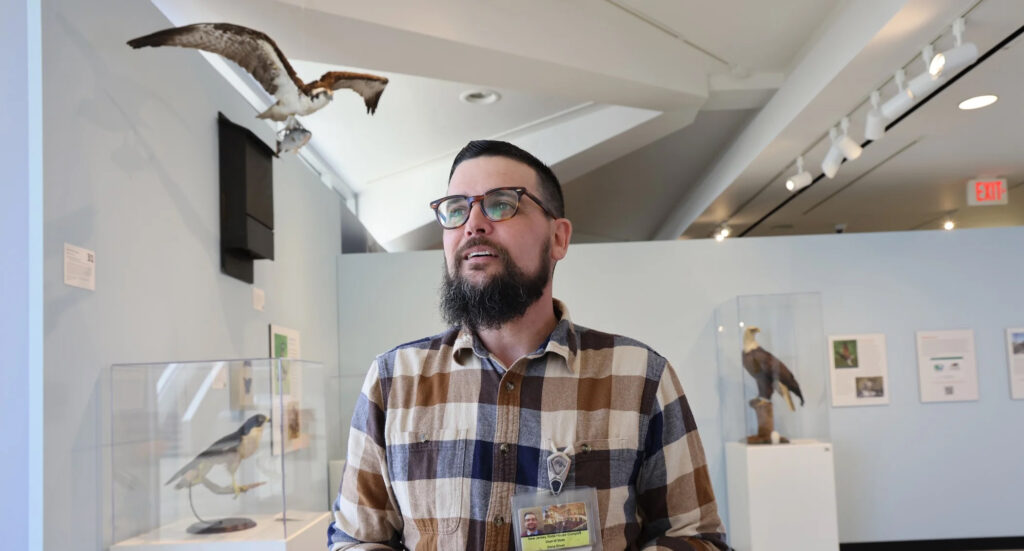
Native flora and fauna in the spotlight at the New Jersey State Museum’s ‘Ecosystems at Risk’
The exhibition highlights the state’s natural habitats and efforts to protect them.
1 year ago
Listen 2:39Which plants attract pollinators, butterflies and birds?
If you’d like to attract monarch butterflies, ensuring a lot of blooms throughout the season is key. However, if you prefer caterpillars, the experts suggest planting milkweeds.
Mountainmints are known for attracting insects, goldenrods support bees and beard tongues draw in hummingbirds.
How can I make sure the meadow looks intentional and not look ‘unkept?’
When you live in an area with a homeowners association or municipal rules restricting grass length, Mummert recommends ensuring your meadow has clear edges like rock borders, and that you plant shorter plants. Shorter plants include butterfly milkweed, bottle brush grass and golden ragwort.
Homeowners can also start small with a garden bed to build trust with their neighbors and shift perceptions.
Can a beginner do this?
Mummert and Bunting say with patience and dedication, anyone can convert their lawn.
“You’ll make a lot of mistakes, but the great thing about gardening is that gardening is fairly forgiving. If you make a mistake, you’re going to learn from your mistake,” Bunting said. “You can always move plants. You can always dig them up or divide them, move them around. So, it’s perfectly fine for a homeowner to feel like they can do any aspect of this work.”
Additional resources for converting your lawn

Never miss a moment with the WHYY Listen App!


WHYY is your source for fact-based, in-depth journalism and information. As a nonprofit organization, we rely on financial support from readers like you. Please give today.
Part of the series
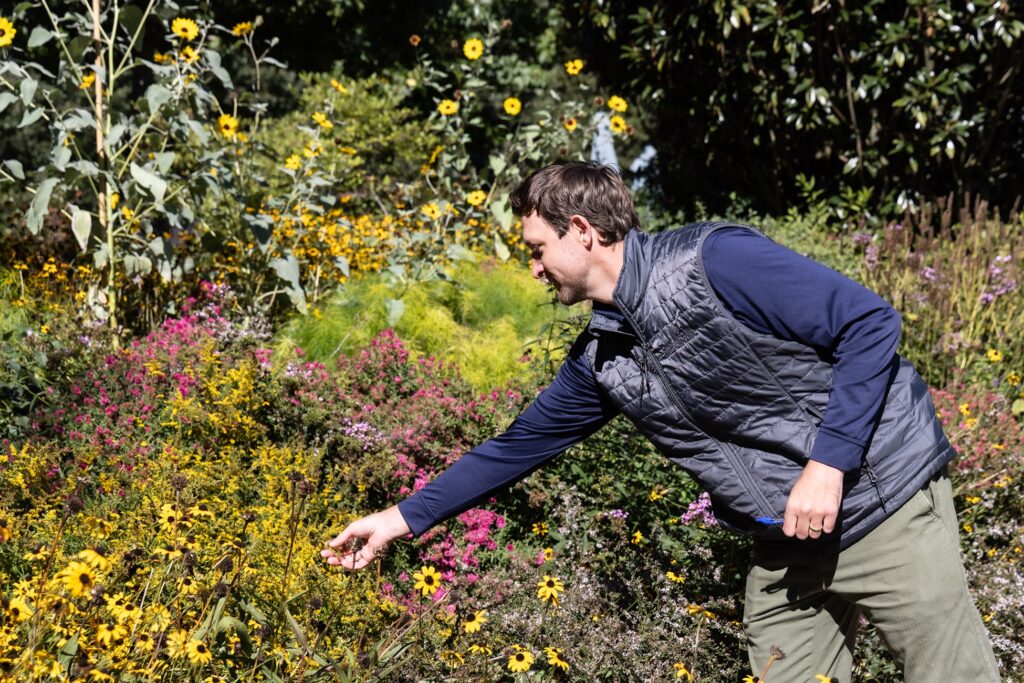
Delaware’s Mt. Cuba Center touts the benefits of native goldenrods
Goldenrods are not to be confused with ragweed. These fall-blooming native plants don’t trigger allergies and insects love them.
1 week ago
Listen 1:23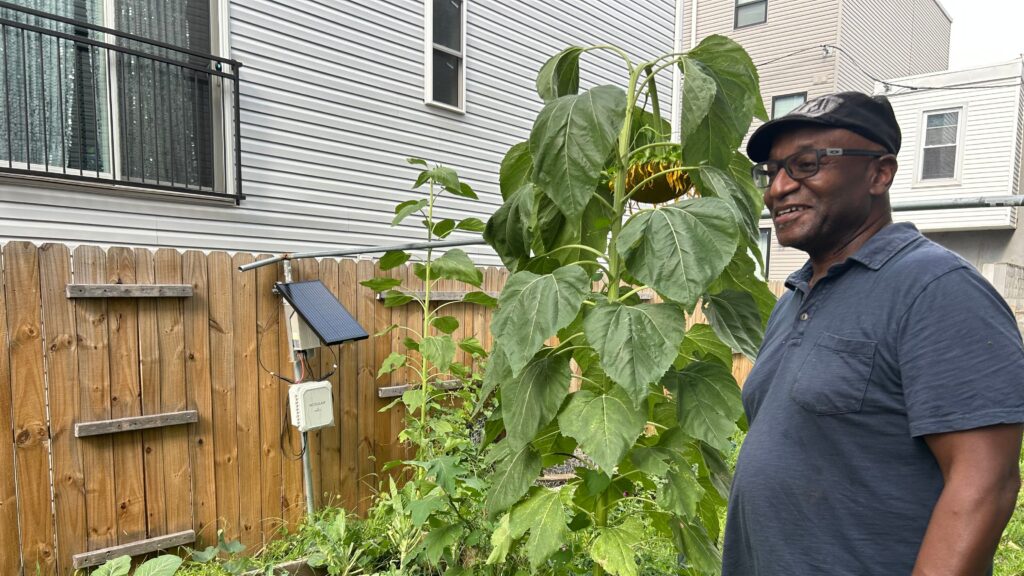
A network of air quality monitors grows in a formerly redlined area of West Philadelphia
The network will provide residents of formerly redlined areas of West Philly and Harrisburg real-time info about the air they’re breathing.
2 weeks ago
Listen 1:07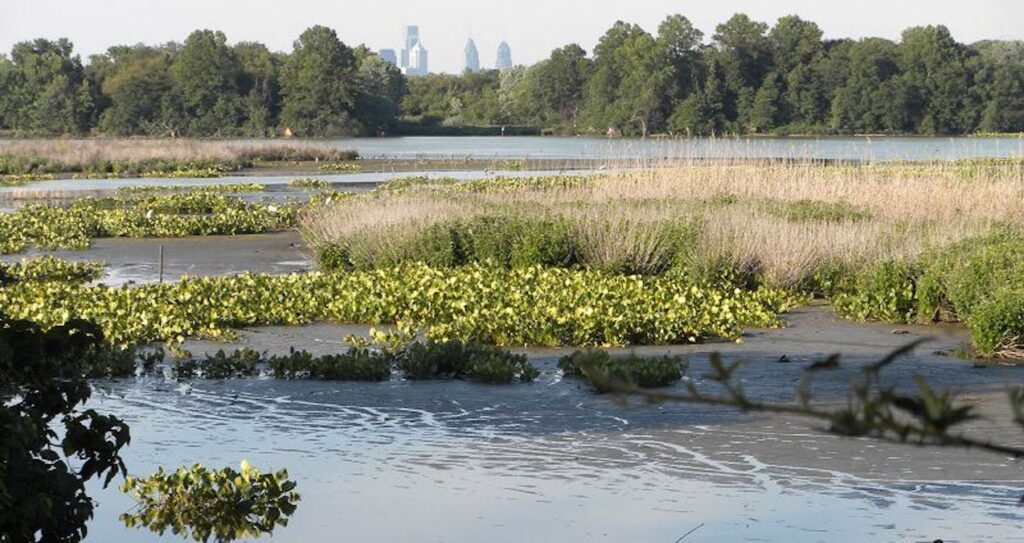
In Philadelphia’s Eastwick neighborhood, plans for a temporary solution to flooding hit a snag
The issue with temporary HESCO-style flood barriers comes after a plan for a levee in Eastwick was deemed not viable.
2 weeks ago
Listen 1:07