

Drexel after-school program combines dance, science and coding for a creative, integrated approach to learning
Black Girls STEAMing Through Dance offers after-school classes, training for teachers, workshops and seasonal camps throughout Philadelphia.
Listen 2:09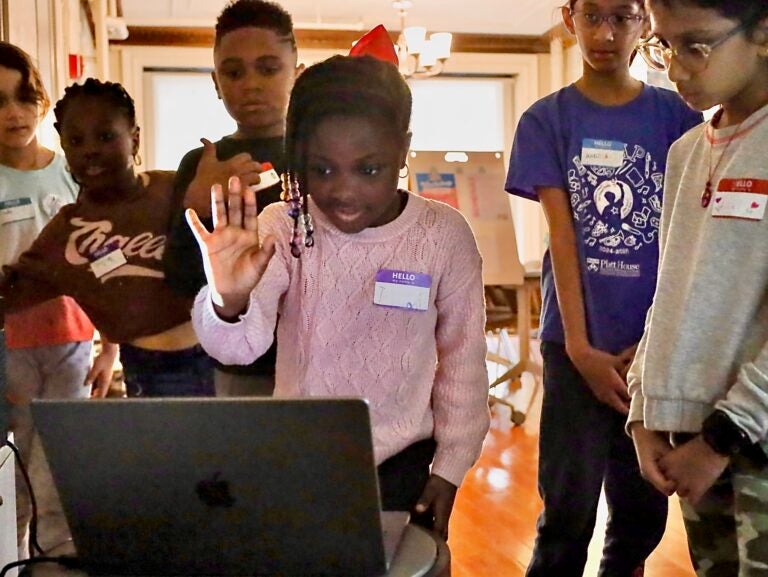
Toluwani Bademosi, 6, holds up a high-five gesture and waits for a computer program to recognize the pose and register a “match” during an educational workshop at Drexel University, Saturday, Nov. 15, 2025. (Nicole Leonard/WHYY)
From Philly and the Pa. suburbs to South Jersey and Delaware, what would you like WHYY News to cover? Let us know!
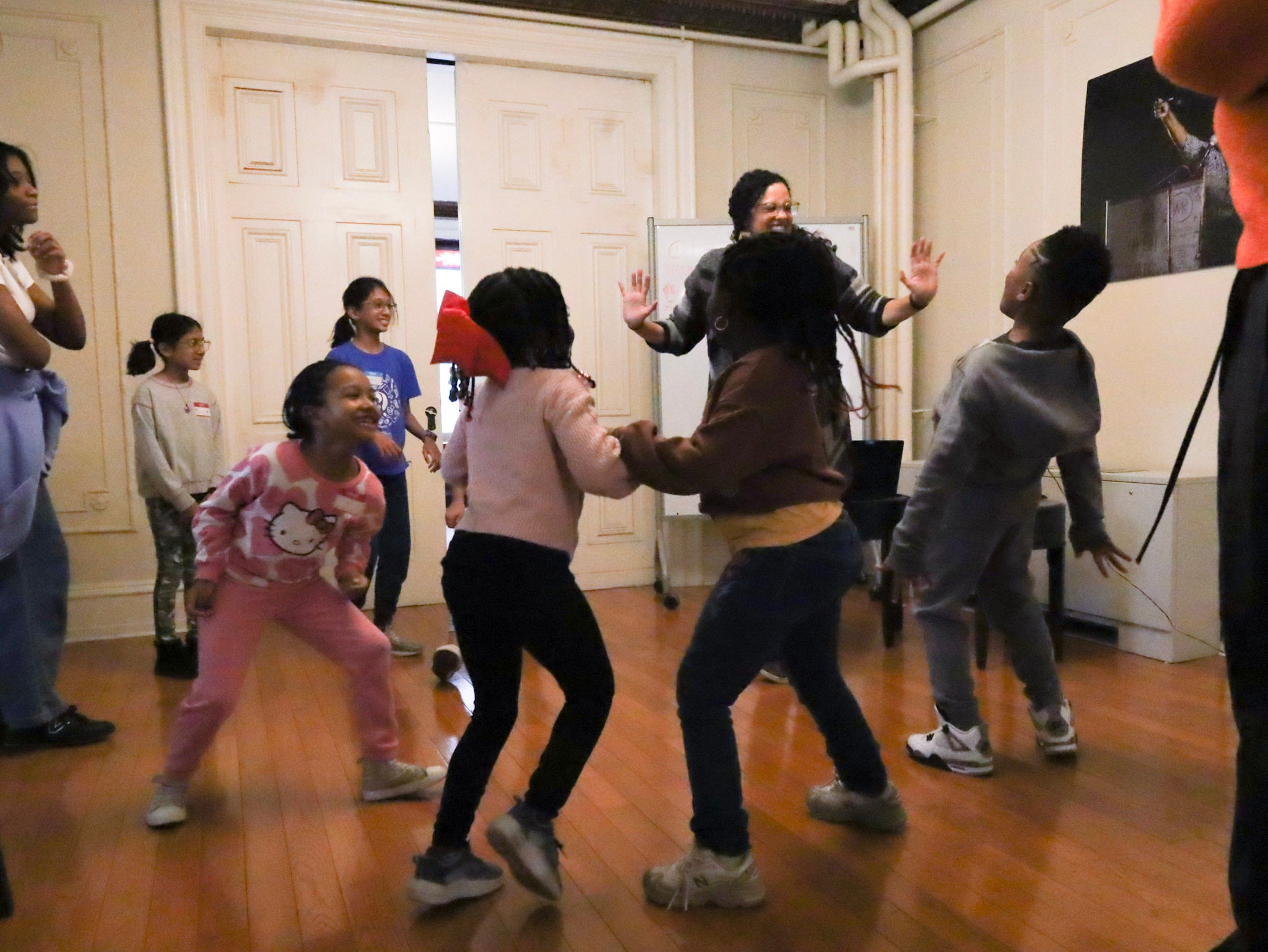
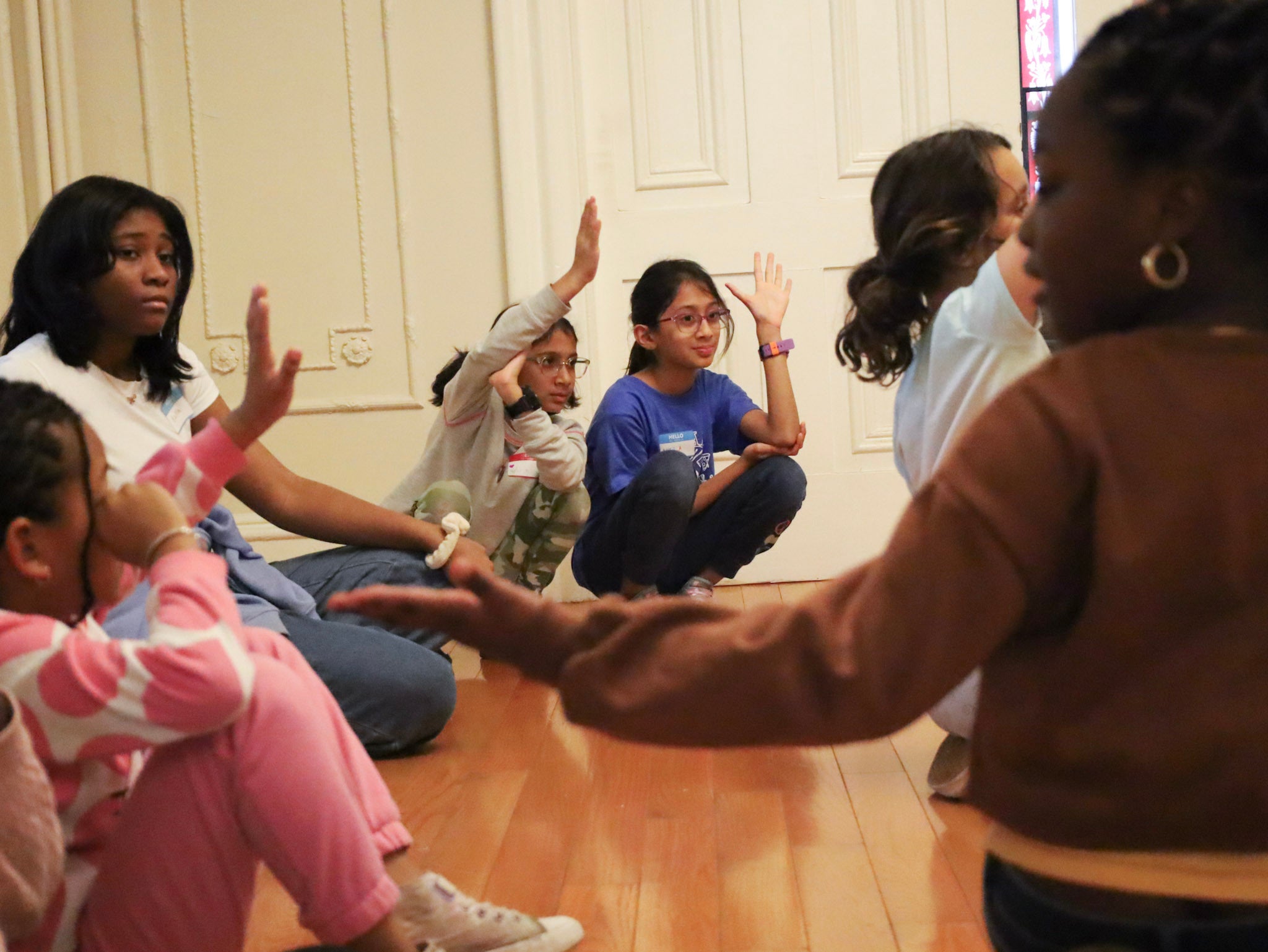
About 10 children form a circle with Valerie Ifill, an assistant professor of dance at Drexel University. Ifill lets the kids know they’re about to play the “conditional statement game.”
“Can everybody please make a different symbol with your hands?” she asks the group.
Some kids do a thumbs up or a peace sign. Others make a claw or a letter in American Sign Language.
“So, that’s the first part of our conditional statement. If we do a certain hand gesture, then something else will happen,” Ifill explains. “So, I need some creativity and I need a volunteer.”
Soon, the kids are dancing to music and coordinating their movements based on the hand gesture Ifill shows them. She throws up a peace sign, which means they need to spin.
“Spin, spin, spin,” she yells.
The kids are participating in a workshop called “Dance, Design and Code,” and most of them go to elementary and middle schools in the Philadelphia area.
The term “conditional statement” is actually used in coding, which relates to the next activity of building, designing and testing their own computer program using hand gestures.
The workshop and lessons are part of Black Girls STEAMing Through Dance, an after-school program that teaches kids how science, technology, engineering, art and math are connected.
Instructors encourage students to embrace creativity through body movement, clothing design and artistic expression in order to learn new concepts, terms and skills in the sciences.
One of the program’s goals is to bridge the digital divide for kids who may not have access to certain classes, resources and tools at school to explore coding, engineering or art and learn how they intersect.
Another goal is to inspire kids, especially young Black girls, in pursuing careers in STEM and the arts.
All four of the program’s founders are Black women.
“We all come from disciplines where we are the only or few. And we want to make sure that that isn’t the future for everybody,” Ifill said.
Related Content
Drexel’s Biomed Summer Academy attracts high schoolers interested in STEM careers
The four-week program provides interactive learning about the frontiers of biomedical research.
7 months ago
Listen 1:34Teaching kids about the intersection of science, art and math
Drexel educators and researchers launched Black Girls STEAMing Through Dance in 2018. Since then, it has expanded and now offers after-school classes, training for teachers, specialized workshops and seasonal camps throughout Philadelphia.
The free program focuses on Black girls, but also invites boys and other students to participate. It’s designed to break down silos and bring together different fields of study in a way that may not be taught in traditional classrooms, or life in general.
“When we think about things that typically separate people, we’re using all of these interactions to integrate and to be able to come together around our differences,” said Ayana Allen-Handy, Drexel professor of education.
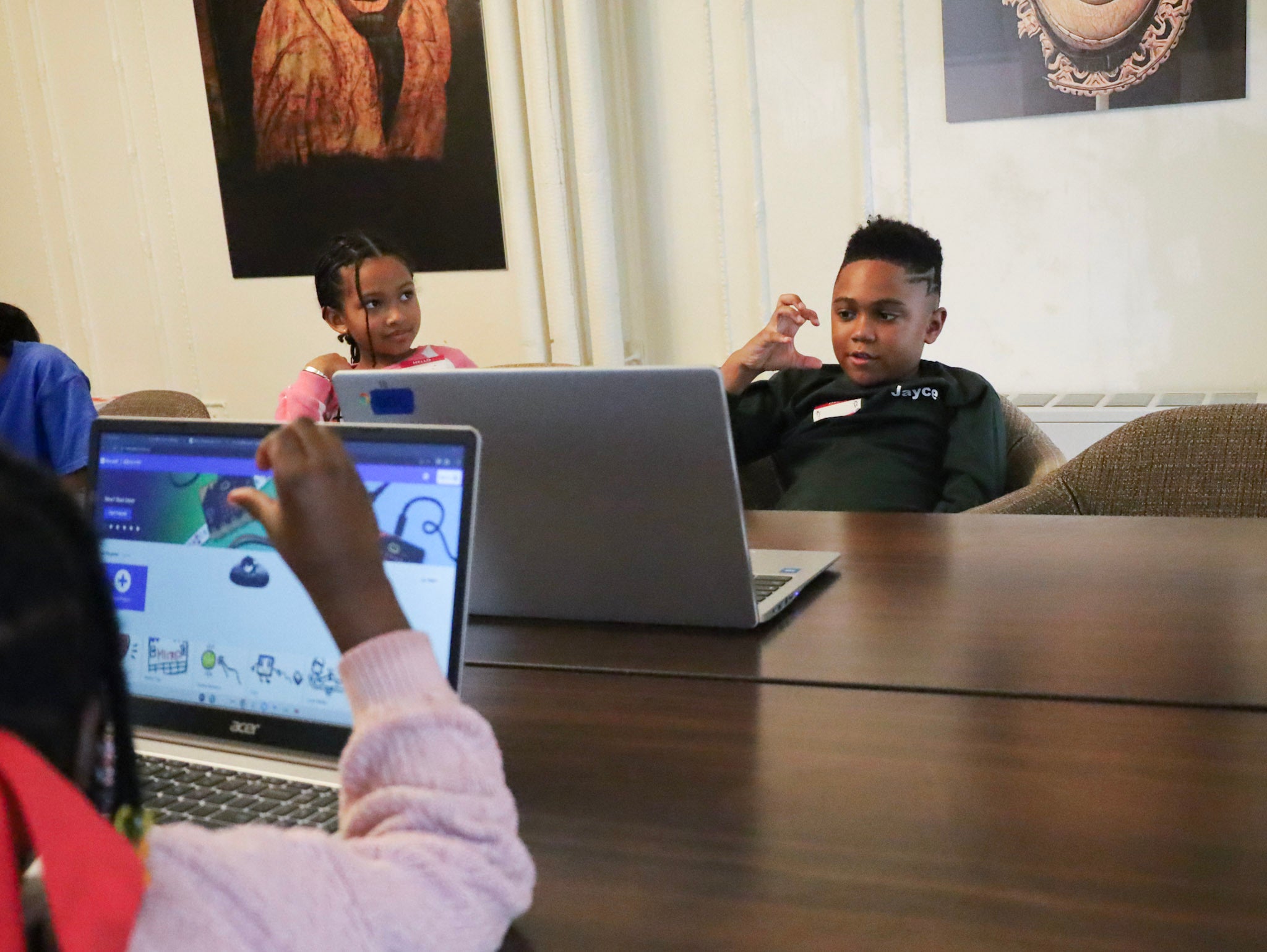
She co-founded the program with Ifill, Michelle Rogers, associate professor of computing and informatics, and Raja Schaar, associate professor of product design. Aanika Allen, formerly the assistant dean at The University of the Arts, is program director.
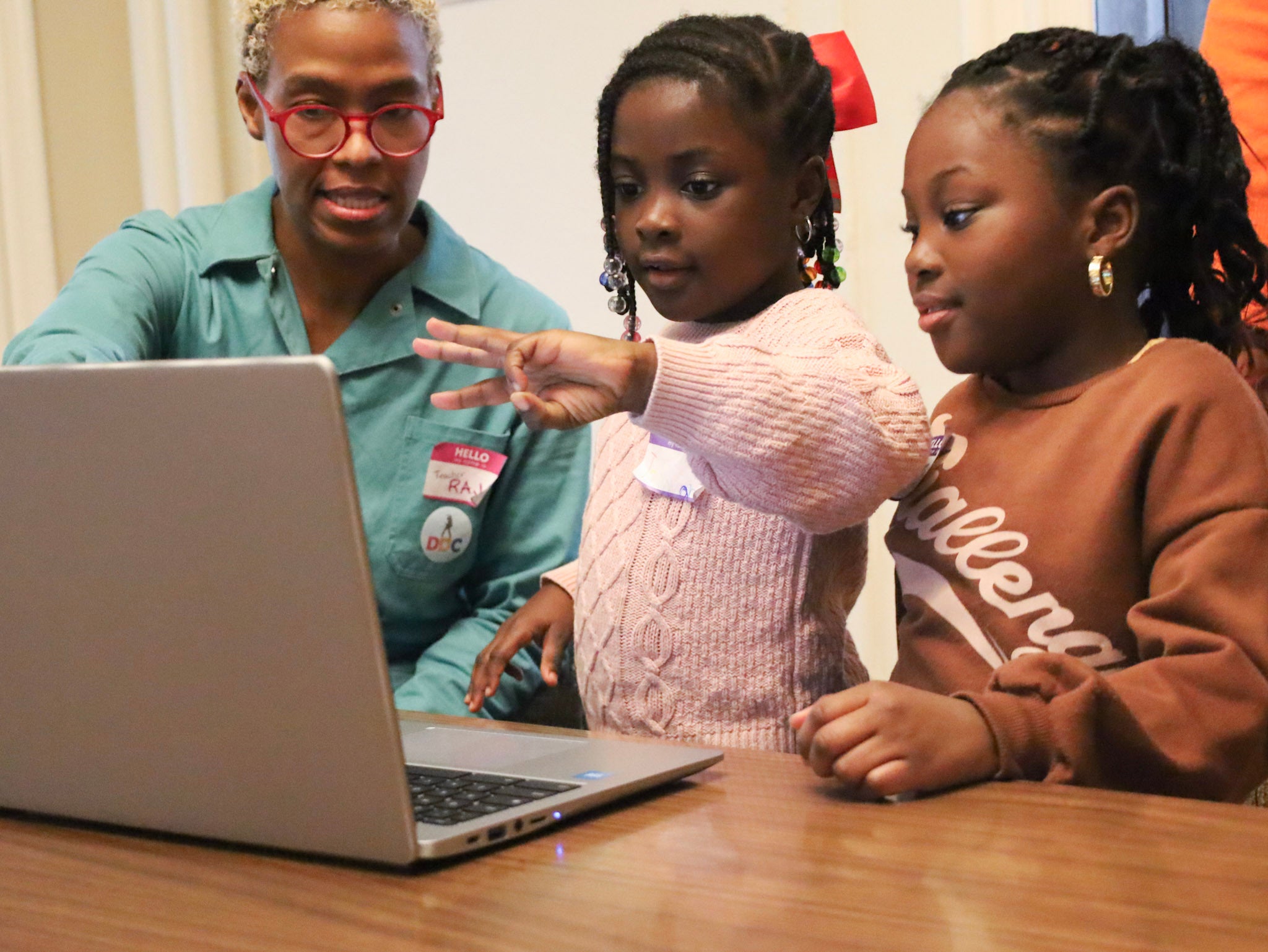
After using dance to learn about conditional statements, Schaar put the kids into pairs and had them come up with at least two different hand poses with names.
“Twister and Coyote!” Ariel Farhan said excitedly as she introduced the names of her poses, which she created with her sister, Angela Farhan.
Schaar then had the kids use computers to take photos of their hand poses in order to train software to recognize the gestures. The students tested their models by doing their hand poses in front of a webcam and waited for the software to make a match.
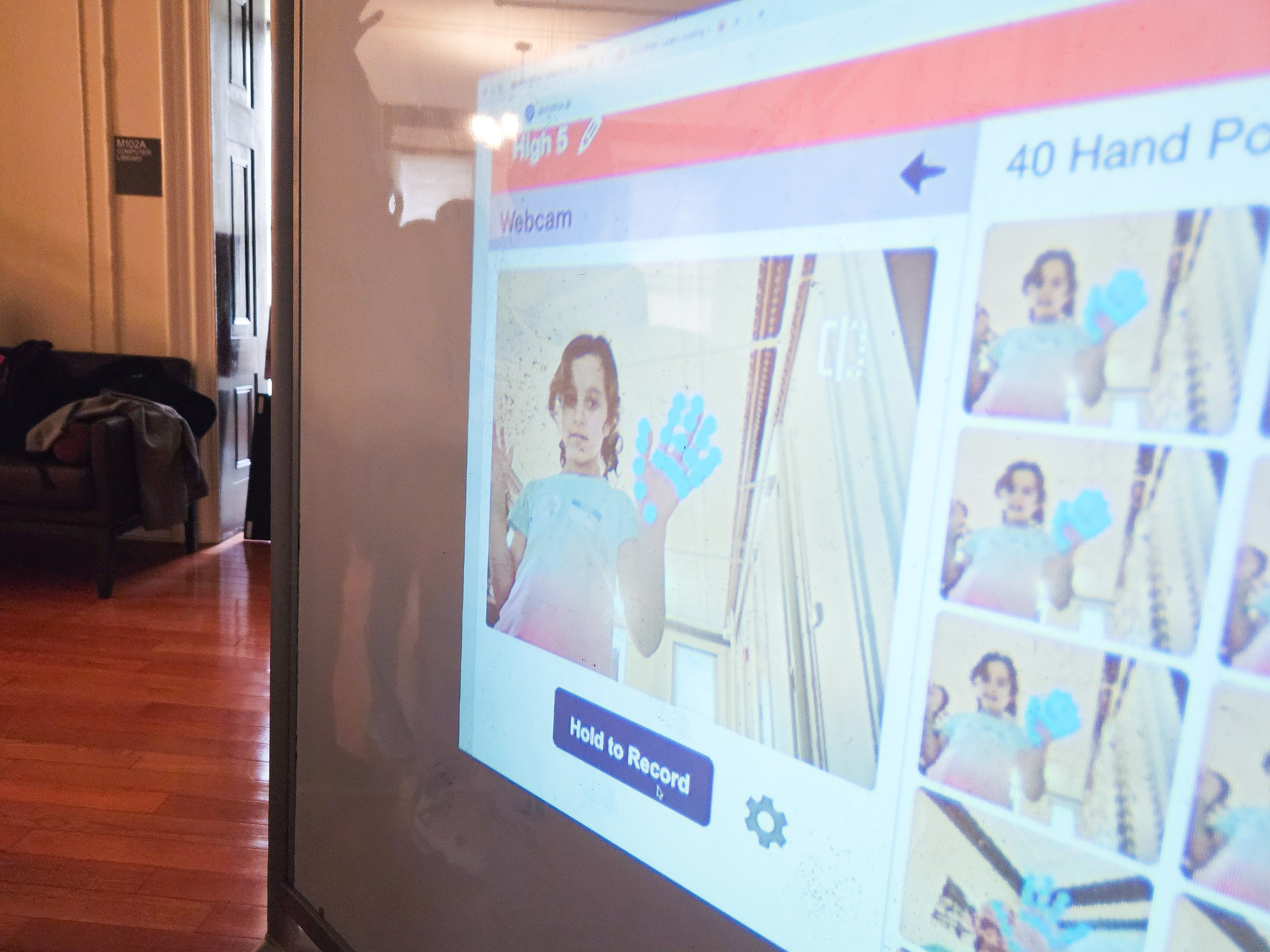
The next step involved exporting their models and assigning codes or instructions for each pose. When the kids did their hand poses in front of the webcam, a digital character would perform corresponding movements and actions across the screen.
“Ooh, it moved a little bit!” Jayce Landon, 8, exclaimed. “I did it, I did it!”
In the long term, Schaar said she hopes students draw a deeper meaning from these exercises, workshops and approaches to learning as they get older, attend college and start careers of their own.
“Like, are you only going to be thinking about what you’re learning and what you’re doing? Are you going to be thinking about how it connects to your own identity, your own lived experience, but also the rest of the world?” she said. “I think that level of critical thinking is something that we’re not so good at teaching in schools. We’re all like, ‘Learn the skill, learn the tool, show your proficiency, show that you can do it,’ and not the ‘why’ and ‘what else’ and ‘what if?’”
The program is currently funded through a grant from the Spencer Foundation, a nonprofit that supports education research, which is set to expire in a couple of months. Drexel instructors hope to continue offering the free workshops to Philly students and families with support in 2026.
Editor’s Note: This story is part of a series that explores the impact of creativity on student learning and success. WHYY and this series are supported by the Marrazzo Family Foundation, a foundation focused on fostering creativity in Philadelphia youth, which is led by Ellie and Jeffrey Marrazzo. WHYY News produces independent, fact-based news content for audiences in Greater Philadelphia, Delaware and South Jersey.

Get daily updates from WHYY News!
WHYY is your source for fact-based, in-depth journalism and information. As a nonprofit organization, we rely on financial support from readers like you. Please give today.
Part of the series
Creativity Sparks Success
WHYY News explores the impact that creativity and arts programming has on the development on school-aged children.
Part of the series

Temple researchers hope to remove PFAS, microplastics with sustainable treatment method
Water providers are removing toxic PFAS chemicals from drinking water, but current methods are energy intensive. Temple researchers are looking at alternative technologies.
2 months ago
Listen 1:12
Penn researchers vote to unionize amid federal health and science funding threats
Organizers campaigned on salary increases and job security, especially for international scholars. They will soon bargain on a contract.
7 months ago
Listen 1:30
U.S. House budget bill would slash Pennsylvania schools’ savings from planned solar projects
Upper Darby School District is planning six Solar for Schools projects. Without federal tax credits, the district says they wouldn’t happen.
9 months ago
Listen 0:56