
New Jersey is targeting algorithmic pricing by landlords as rents remain among nation’s highest
The FAIR Act aims to prevent landlords from using shared rental data and pricing software to coordinate rents and drive up housing costs.
Listen 0:54
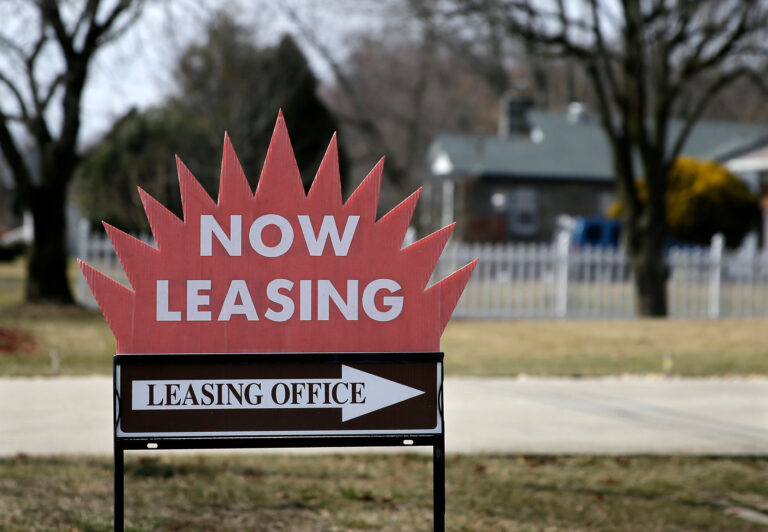
FILE - This March 16, 2015 photo shows a "now leasing" sign outside an apartment complex near Millville, N.J. (AP Photo/Mel Evans, file)
From Camden and Cherry Hill to Trenton and the Jersey Shore, what about life in New Jersey do you want WHYY News to cover? Let us know.
With New Jersey’s housing costs among the highest in the country, Gov. Mikie Sherrill signed a measure last week that’s designed to protect renters. The Forbidding the Algorithmic Inflation of Rent, or FAIR, Act regulates how landlords can use rent-setting software that can artificially inflate housing costs.
Sherrill said during a bill-signing ceremony on July 23 that housing affordability is a major challenge in the Garden State, and she added that “landlords, who should be competing to provide the best price to renters, are instead colluding to drive prices up through so called ‘algorithmic pricing.’ That stops now.”
A report by the National Low Income Housing Coalition and the Housing and Community Development Network of New Jersey found that the state is the fifth-most expensive in the country for renters, with housing costs more than 20% above the national average.
Related Content

A corporate landlord in Philly broke the law by using rent-setting software, tenant alleges
Willow Bridge manages 244 apartments in University City and Center City. The lawsuit is believed to be the first since the city's antitrust law took effect.
3 months ago
Inflating rental costs
Jag Davies, director of communications at the Fair Share Housing Center, said artificial intelligence software platforms can collect and analyze rental market data and generate pricing recommendations for landlords.
“So the concern is that when many landlords in the same market rely on the same algorithm, it can reduce competition and contribute to higher rents than would exist in a truly competitive market,” Davies said.
He said this isn’t about opposing AI and technology.
“The question is whether it’s being used in a way that benefits consumers or in a way that undermines competition and makes housing even less affordable,” he said.
In 2024, the U.S. Department of Justice filed an antitrust lawsuit against RealPage, a property management company that provides software tools for rent pricing, leasing and tenant screening.
The suit alleged the company was using nonpublic data to assist landlords in coordinating rental prices. A settlement agreement in November 2024 prohibited RealPage from using such data in its revenue-management algorithm.
Related Content
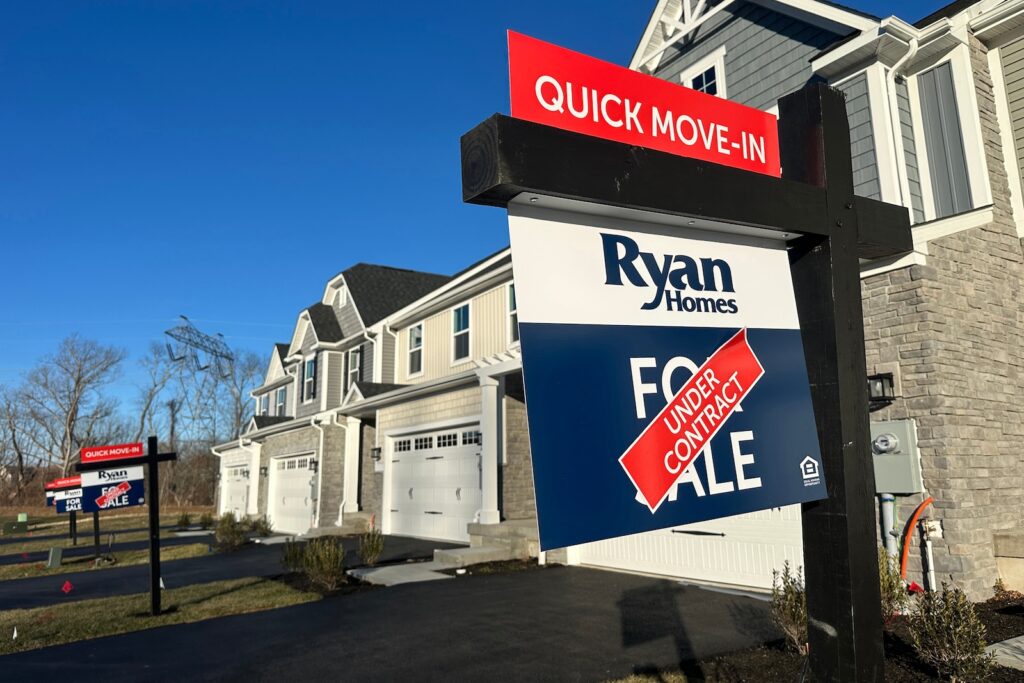
The median price of a home in the Garden State last year was more than $500,000, recent data shows.
8 months ago
Listen 1:06Why is the new law needed?
New Jersey’s law applies to all other revenue-management software companies, as well as any landlords that might develop their own rent-pricing algorithms.
Attorney General Jennifer Davenport said in a statement that when landlords and tech companies conspire to artificially inflate rents, it makes it more difficult for state residents to find housing they can afford.
“We are proud to be leading the fight in court against algorithmic collusion by landlords and tech companies,” she said. “Today’s legislation provides a much-needed systemic solution for the problem, granting renters important protections that will expand housing opportunity in our state.”
Kate Kelly, executive director of Supportive Housing Association of New Jersey, said anything that promotes a fairer and more transparent rental market is important.
“This law helps ensure that renters in New Jersey are protected from practices that may artificially drive up their housing costs,” she said.
Related Content
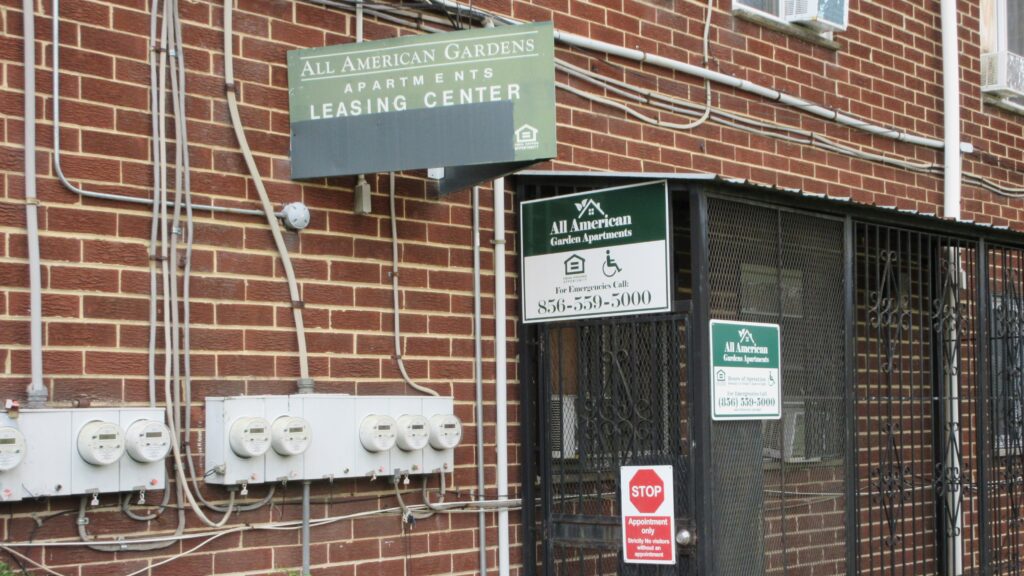
A Camden apartment complex was threatened with condemnation 3 years ago. It has 156 new violations
A recent annual inspection found 156 violations at the All American Gardens complex that attracted inspectors from Camden city and county.
3 months ago
Listen 2:23Who benefits from the law?
Kelly said the ban on algorithmic pricing will affect all renters in New Jersey, but the new law will especially benefit individuals and families served by the Supportive Housing Association.
“Our members serve people with disabilities, older adults, individuals experiencing homelessness, folks who have experienced domestic violence, veterans and youth exiting out of the foster care system,” she said. “All those folks with special needs have limited income, so even a relatively small rent increase can mean the difference between staying housed or facing housing instability.”
Davies said there are enormous racial disparities in who has access to housing in New Jersey.
“A study recently came out that showed that 80% of white households in New Jersey are homeowners, whereas among Black and Latino households, only 46% are homeowners,” he said. “Issues with the rental market disproportionally affect historically marginalized communities.”
“When landlords rely on algorithmic pricing software that encourages coordinated rent increases, the result is higher housing costs and deeper inequities,” he said, “particularly for communities that have faced discrimination historically in the housing market.”
Related Content
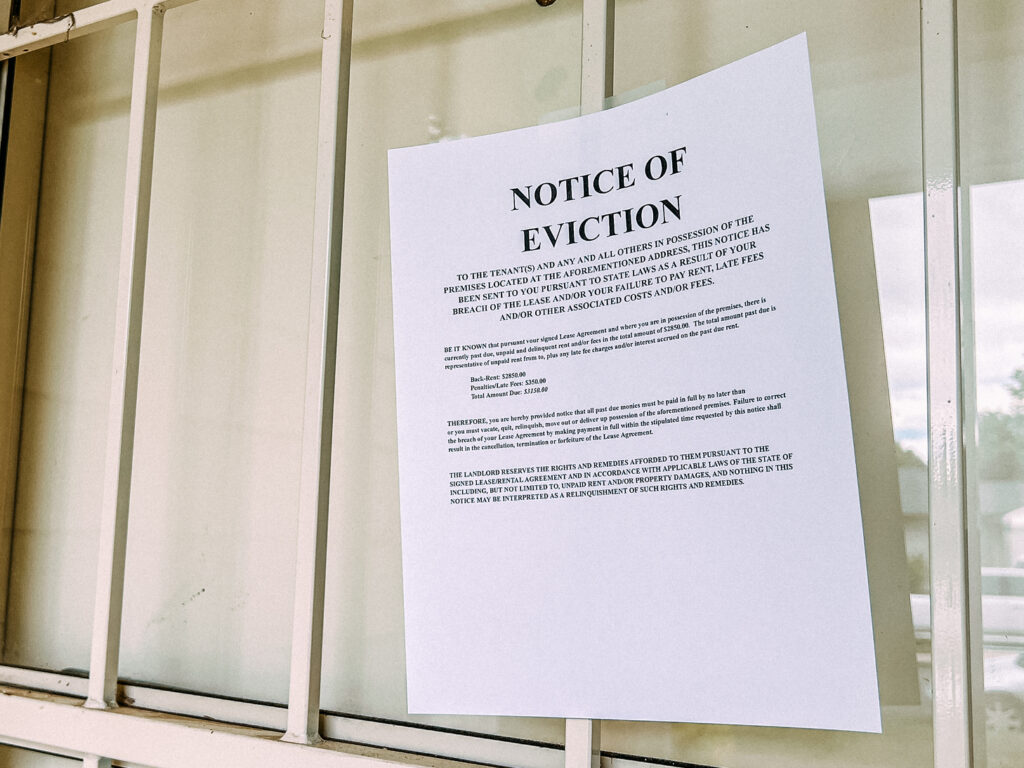
New Jersey housing advocates hail court decision protecting rights of renters facing eviction
The decision in a North Jersey rental dispute establishes how much renters need to pay to avoid being evicted from their homes.
10 months ago
‘It’s not going to solve New Jersey’s affordable housing crisis’
Davies said protecting vulnerable tenants from rent gouging is crucial, but it won’t solve the state’s housing affordability crisis.
“This is a complementary strategy,” he said. “The biggest long-term solution remains building more homes, especially more affordable homes.”
He said this new law is about protecting people’s fundamental right to fair housing.
“It’s not going to solve New Jersey’s affordable housing crisis alone, but I think it’s a very positive, very significant step,” Kelly said. “We need to confront this issue on multiple levels, strong consumer protections and we need to be investing in more affordable, supportive housing across the state.”
Davies noted the governor signed an executive order in April that aims to address the housing shortage. The order directs different state departments and agencies to work together and coordinate efforts to accelerate construction of affordable housing.

Get daily updates from WHYY News!
WHYY is your source for fact-based, in-depth journalism and information. As a nonprofit organization, we rely on financial support from readers like you. Please give today.
Renters won’t need to pay a lump sum before they move in and can use installments under a Philadelphia City Council bill that’s headed to Mayor Cherelle Parker’s desk.
1 year ago
City Council members get input on the impact rent control may have on Philly neighborhoods.
4 years ago
‘This is momentous’: Philly to guarantee lawyers for some renters facing eviction
Under a new right-to-counsel program, hundreds of Philadelphia renters will soon be guaranteed free legal representation if their landlord files for eviction.
5 years ago