

Data center opposition could become a key issue in New Jersey’s midterm elections
A growing number of towns are banning data centers because of quality-of-life and financial concerns.

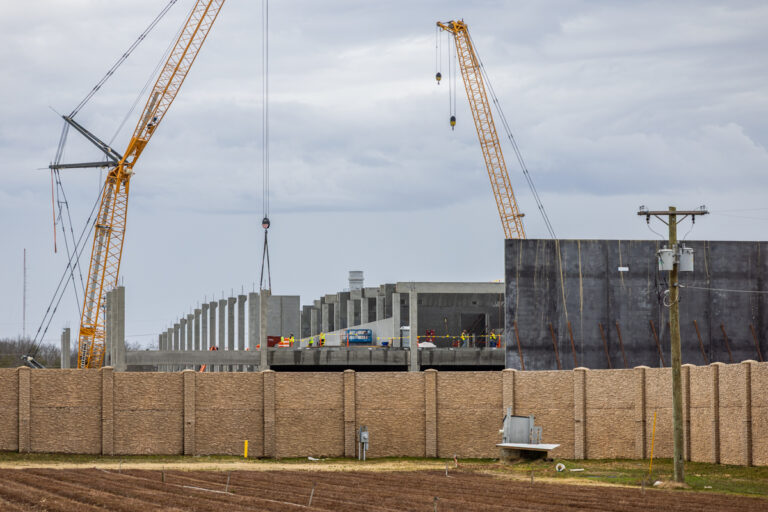
Vineland, N.J.’s data center is under construction in March of 2026. (Kimberly Paynter/WHYY)
What questions do you have about the 2026 elections? What major issues do you want candidates to address? Let us know.
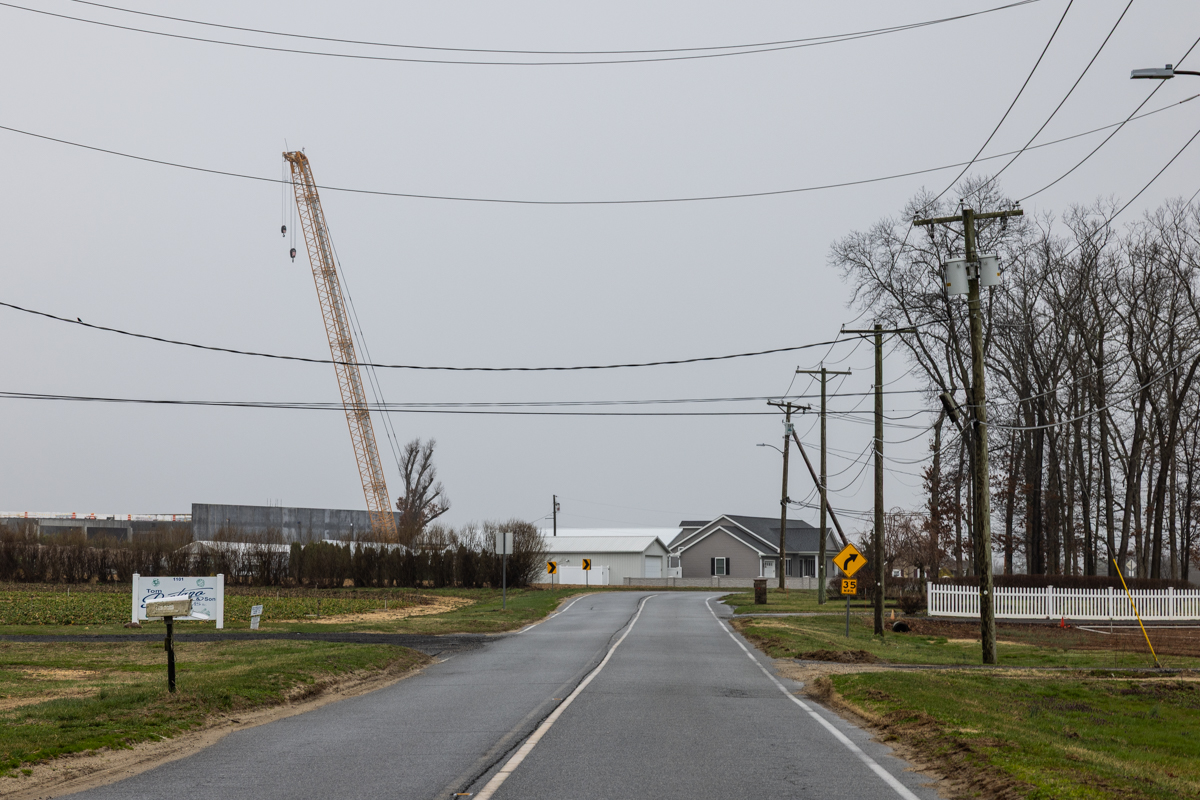
A recent analysis finds there are 49 data centers operating in the Garden State, with another 11 being constructed or in the planning stages. But as reliance on artificial intelligence increases across many industries, concerns about data center activity in New Jersey are growing.
Dozens of municipalities across the state have either enacted restrictions on data centers or banned them completely. And the trend is expected to continue.
Data centers and the 2026 midterms
Micah Rasmussen, director of the Rebovich Institute for New Jersey Politics at Rider University, said with the November election right around the corner, data center activity will be a central campaign issue this fall, as many New Jersey voters are deeply concerned about how they might impact their quality of life.
“There are significant questions about how much energy is consumed, how much water is consumed, how much noise there is,” he said.
Rasmussen said part of the negative reaction to data centers across the state is emotional, but there are real financial considerations as well.
“People pay a lot of money to live here and they don’t want that quality of life to be diminished by who we invite to come into the communities,” he said. “Yeah, it’s a hot button.”
Ben Dworkin, director of the Institute for Public Policy and Citizenship at Rowan University, said even in communities where no data center has been proposed, some candidates running for local office have taken a stand against them.
“Because data centers have been basically turned into the poster child for who is to blame that your energy prices are so high,” he said.
Alex Ambrose, a senior policy analyst at New Jersey Policy Perspective, believes it’s not surprising that data center construction has become a political hot-potato.
“Data centers bring virtually no benefits to the communities where they are built, and instead they actually bring a lot of harms, and those harms are both locally up to region-wide,” Ambrose said.
She said data centers were the main reason utility bills shot up around 20% last year and they continue to drive energy prices higher across the Garden State.
“There’s no doubt that data centers will continue to remain an important issue in upcoming elections,” Ambrose said.
Related Content
New Jersey election 2026: Voter guides, key races and more
Election Day is Tuesday, Nov. 3. Here’s what’s at stake in the midterms, along with voting logistics, candidate breakdowns and more.
1 month ago
Clamping down on data centers in New Jersey
New Jersey Gov. Mikie Sherrill signed legislation in July that prevents data centers from passing energy cost increases to utility consumers and requires data centers to pay for any electrical and clean energy infrastructure upgrades they create.
At the end of last month, she signed another measure requiring data centers to report how much water and energy they are using every six months to the state Board of Public Utilities.
Sherrill said she will not allow data center developers to operate in the shadows.
“New Jerseyans deserve to know how much water and electricity the data centers coming into their community will use. Data center companies often treat their usage statistics like a trade secret,” she said.
The governor announced new rules designed to help municipalities negotiate community benefit agreements with developers of data centers.
Related Content
Vineland data center accused of operating natural gas generators without permit
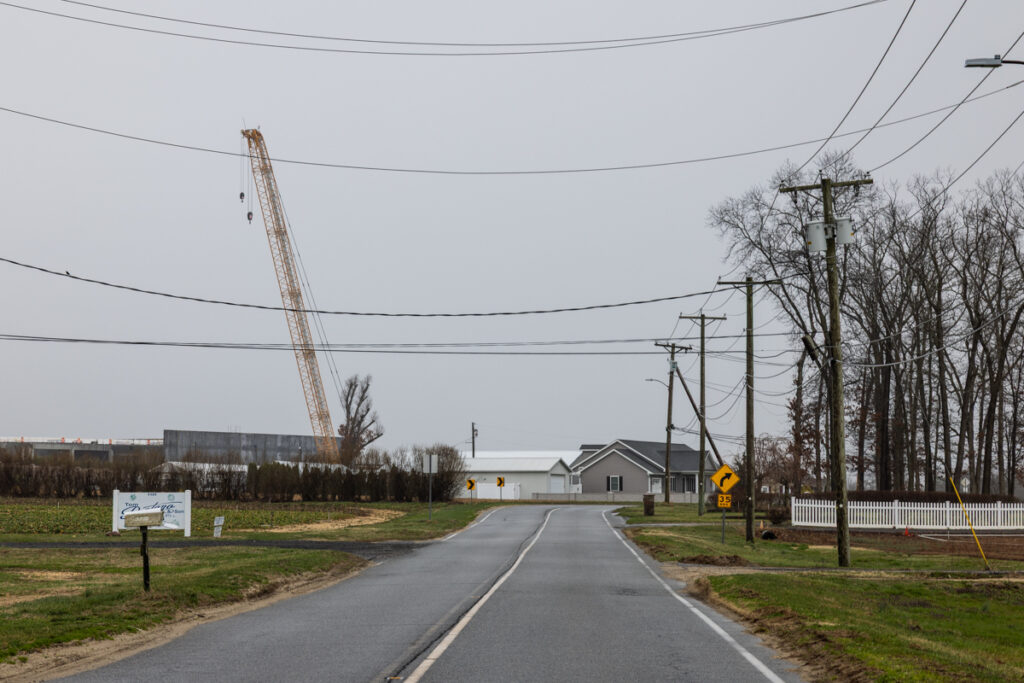
The 300-megawatt AI data center is being developed by DataOne for the Nebius Group.
2 months ago
Listen 1:11Democrats and Republicans ‘know how to read a poll’
Rasmussen said the data center issue is impacting Republicans and Democrats.
“Both parties know how to read a poll, they see how unpopular data centers are,” he said. “Political candidates are doing their best to put distance between themselves and data centers.”
Nevertheless, he believes that candidates in areas of the Garden State that are heavily Republican may choose to not take a strong position against data centers.
“You have [President Donald Trump] right now saying that data centers should be approved, that any community would be foolhardy to run away from them,” he said.
Related Content
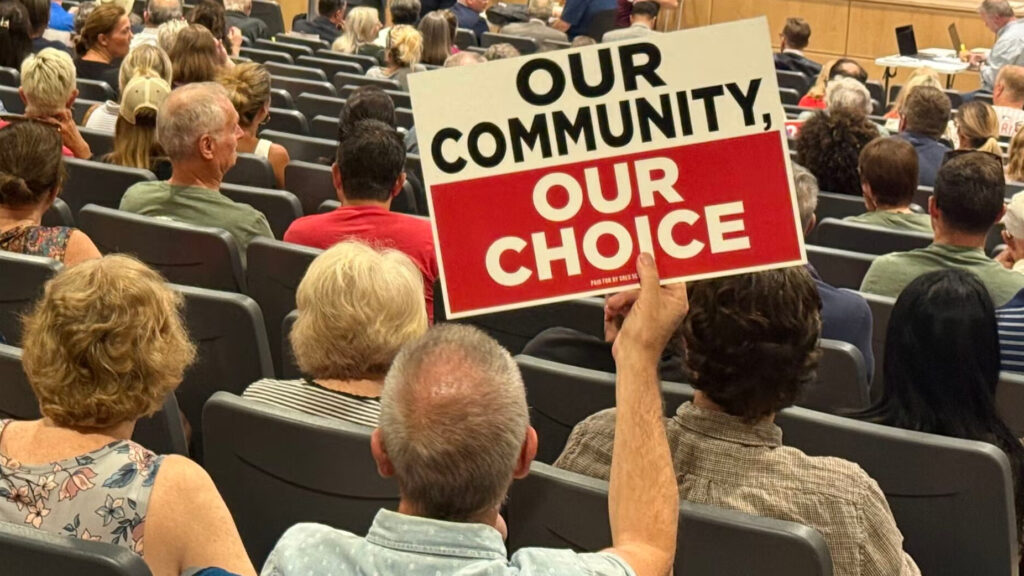
Opposition to data center construction is rising sharply, survey says
Opposition has jumped significantly among both Democrats and Republicans, according to a recent Penn poll.
2 months ago
Listen 1:07Data center flip-flop
Dworkin said that reaction to data centers in New Jersey has changed considerably from two years ago, when then-Gov. Phil Murphy and the state legislature embraced AI development, and offered significant tax credits to companies that built data centers in the Garden State.
“That has switched, because once people realized what this investment actually means in terms of these hulking energy guzzling entities, well, now people aren’t so sure,” he said.
Sherrill signed the “End Data Center Tax Credits Act” on Aug. 28, which blocked the state from handing out the remaining $250 million that had been earmarked for the program.
Ambrose said that legislation sent a strong signal.
“It’s clear that holding data center companies accountable for the harms they have caused is not just popular, it’s also good policy,” she said.
Dworkin noted that new technology usually carries significant cost as it is developed. The question moving forward for data center operators will be: Can they power their facilities using less electricity and water?
“There is plenty of emotional sentiment, there are serious policy issues to be debated, and I’m sure they will be, both in this election and future ones,” he said.
“If your municipality, your county has a data center already, or [one is] about to be built, then it’s clearly a local issue and will rise in the hierarchy of issues that are going to be debated and talked about in the campaign.”

Get daily updates from WHYY News!
WHYY is your source for fact-based, in-depth journalism and information. As a nonprofit organization, we rely on financial support from readers like you. Please give today.
Part of the series

Democrat U.S. Rep. McBride and Republican Arminio outline their priorities on the economy, health care, immigration and foreign policy ahead of the Nov. 3 general election.
20 hours ago

Democrats are defending a slim House majority and trying to flip the Senate after decades of GOP control. The key contests stretch from Bucks to Lancaster and western Pa.
21 hours ago
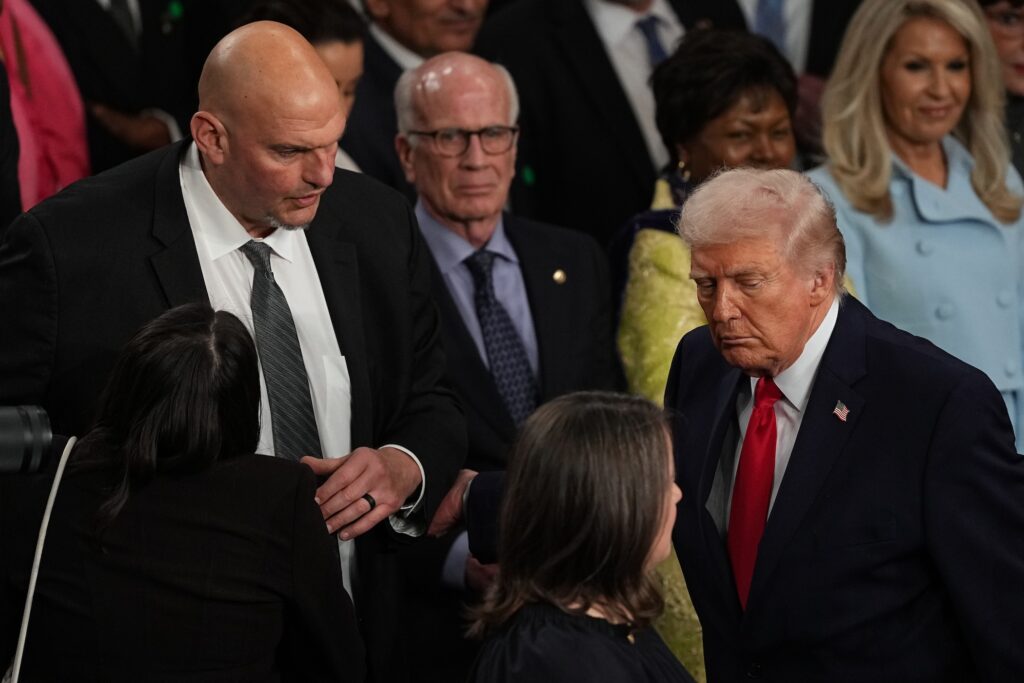
Trump urges Pa. Sen. John Fetterman to switch parties and become a Republican
“I'd love to see him as a Republican,” Trump told reporters at Joint Base Andrews on Saturday as he returned to Washington from a rally in Tennessee.
2 days ago