


SEPTA unveils wishlist for improvements and upgrades, but no sign of funding to make it happen
SEPTA’s blueprint for “best-in-class” service includes new vehicles and shorter wait times, but it all hinges on consistent funding, which doesn’t exist yet.
Listen 1:16
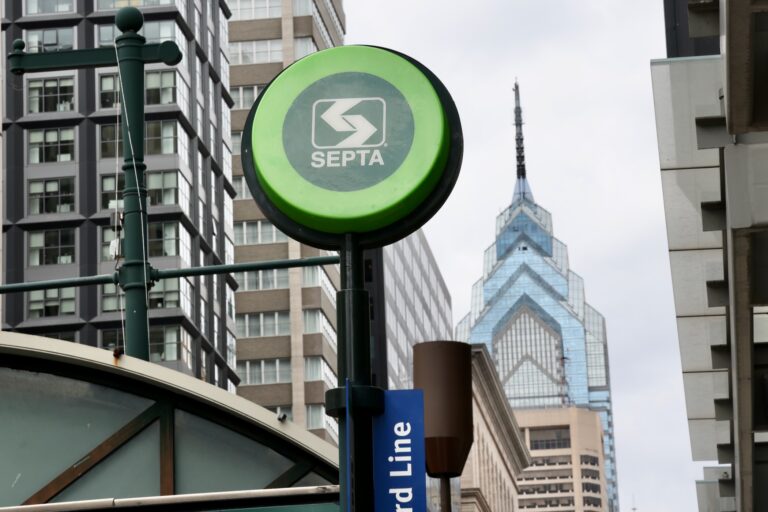
A SEPTA subway entrance at 11th and Market streets. (Emma Lee/WHYY)
From Philly and the Pa. suburbs to South Jersey and Delaware, what would you like WHYY News to cover? Let us know!
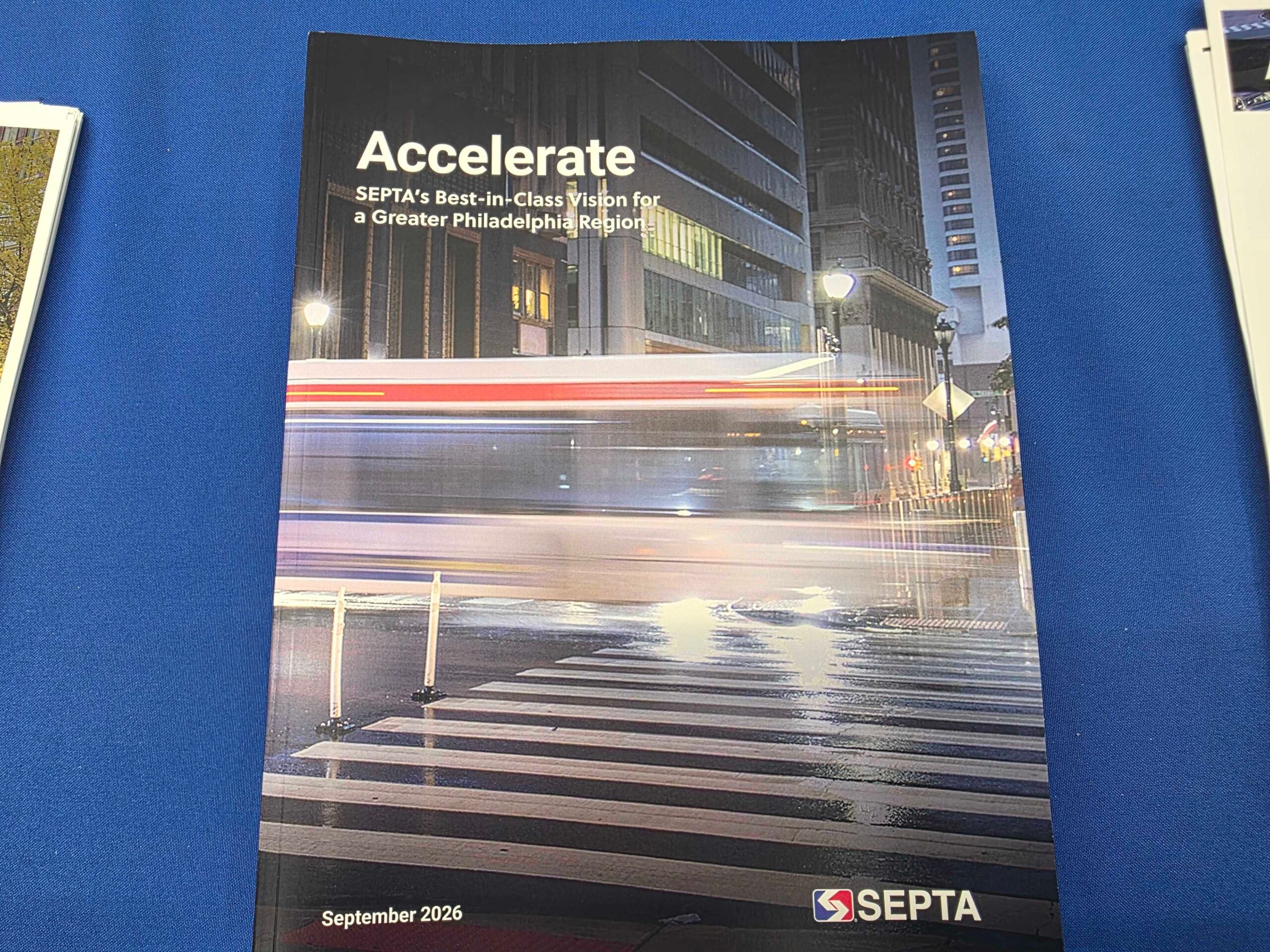
SEPTA unveiled plans for transit system upgrades and improvements called Accelerate on Tuesday morning. But officials at the announcement would not put a price tag on the effort to create what they call a “best-in-class vision for a Greater Philadelphia region.”
The plan is a blueprint for what SEPTA could look like in the future if the transit authority got more reliable funding.
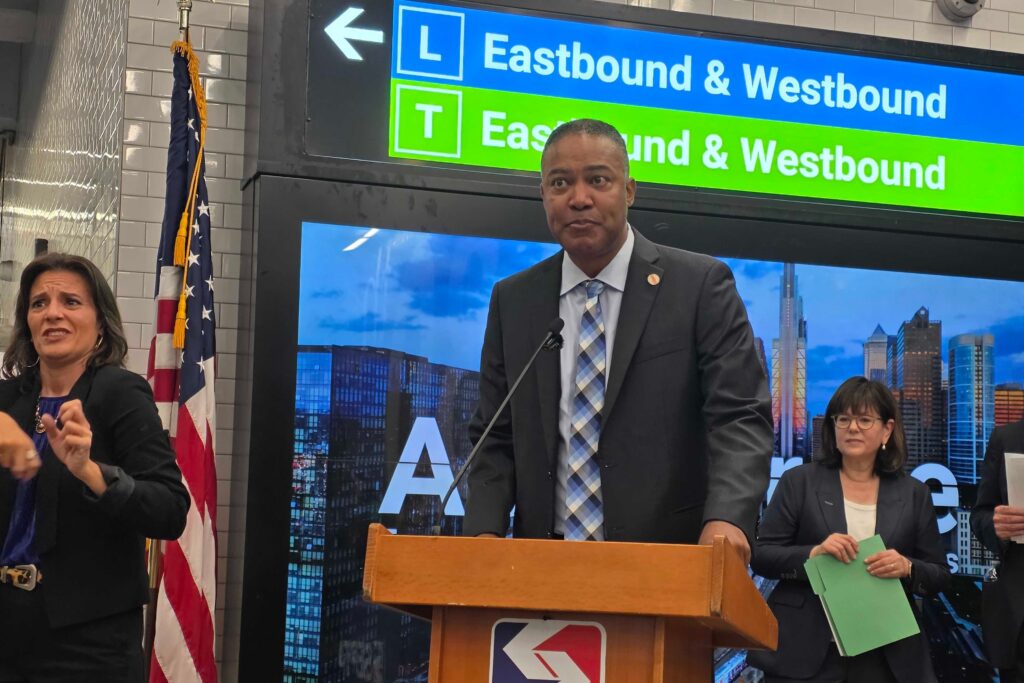
“After years of chronic underfunding, the moment to choose acceleration over managed decline is now,” said Kenneth Lawrence, SEPTA board chair. “We recognize that if greater investment is the key to our future success, then SEPTA must demonstrate that we are worthy investment partners.”
The blueprint has three main goals:
- Increase the number of people served by frequent transit within a quarter mile of their home from 900,000 covered by the system today to more than 2 million people.
- Connect nearly half of the region’s job with frequent transit, up from the current level of 25%.
- Make all stations accessible, up from about 60% currently.
To make that happen, improvements would increase the frequency of trains on Regional Rail lines to every 15 minutes, which would match those on the Broad Street Line, now known as the “B,” and the Market Frankford El, now known as the “L.”
That would require more equipment to be purchased and more people hired to run the service. New equipment and employees would be costly for SEPTA, which has already struggled to secure adequate funding to keep trains and buses running.
Related Content
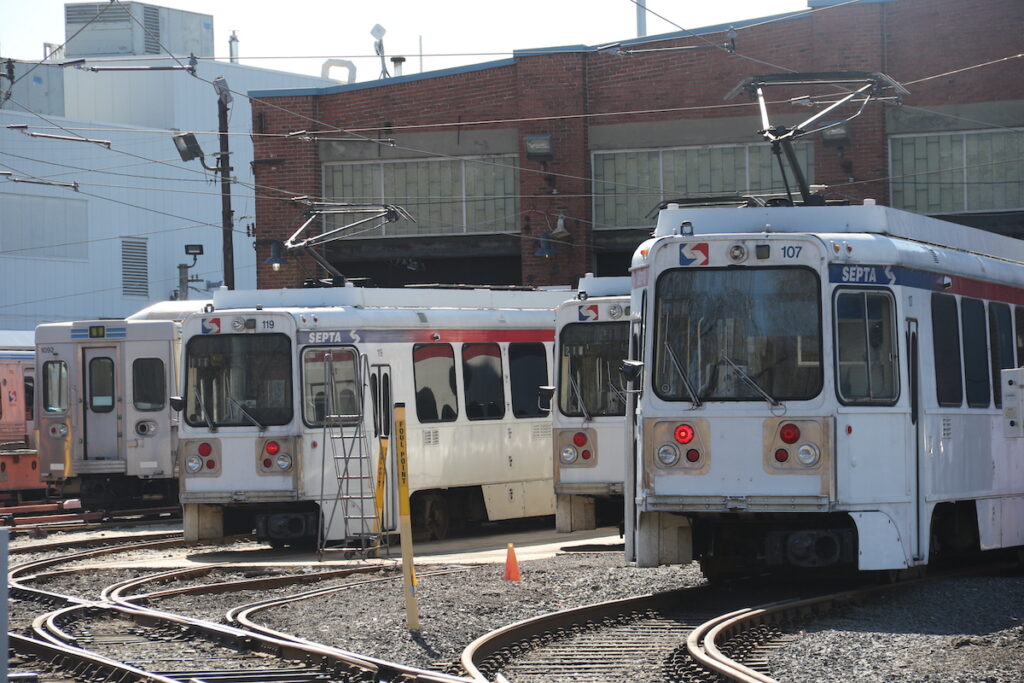
SEPTA gets $80 million federal grant to make ADA upgrades at trolley stations
The money will also pay for other upgrades and improvements at stations on SEPTA’s trolley lines.
3 weeks ago
Listen 1:08The plan comes after what has been a bumpy few years for SEPTA, especially in 2025. That year, several Regional Rail trains caught on fire, there were weeks of cancellations and delays, and a lengthy state budget battle led to a fare hike, route cancellations and threats to discontinue several Regional Rail lines.
In May, SEPTA’s board approved its latest budget, which includes a long-planned redesign of SEPTA’s bus network.
But SEPTA’s lack of more dedicated funding has led the agency to bounce from one-year’s worth of funding fixes to another. Those temporary spending measures have not given the transit agency the ability to plan over the long term.
Despite that, Scott Sauer, SEPTA’s general manager, pointed to success during the recent World Cup matches and semiquincentennial events as evidence of the system’s resilience.
“Whenever we’re called upon, we want to be there and be ready. But we have a 40-year-old fleet on Broad Street that we have to replace. That’s not funded and not budgeted,” Sauer said.
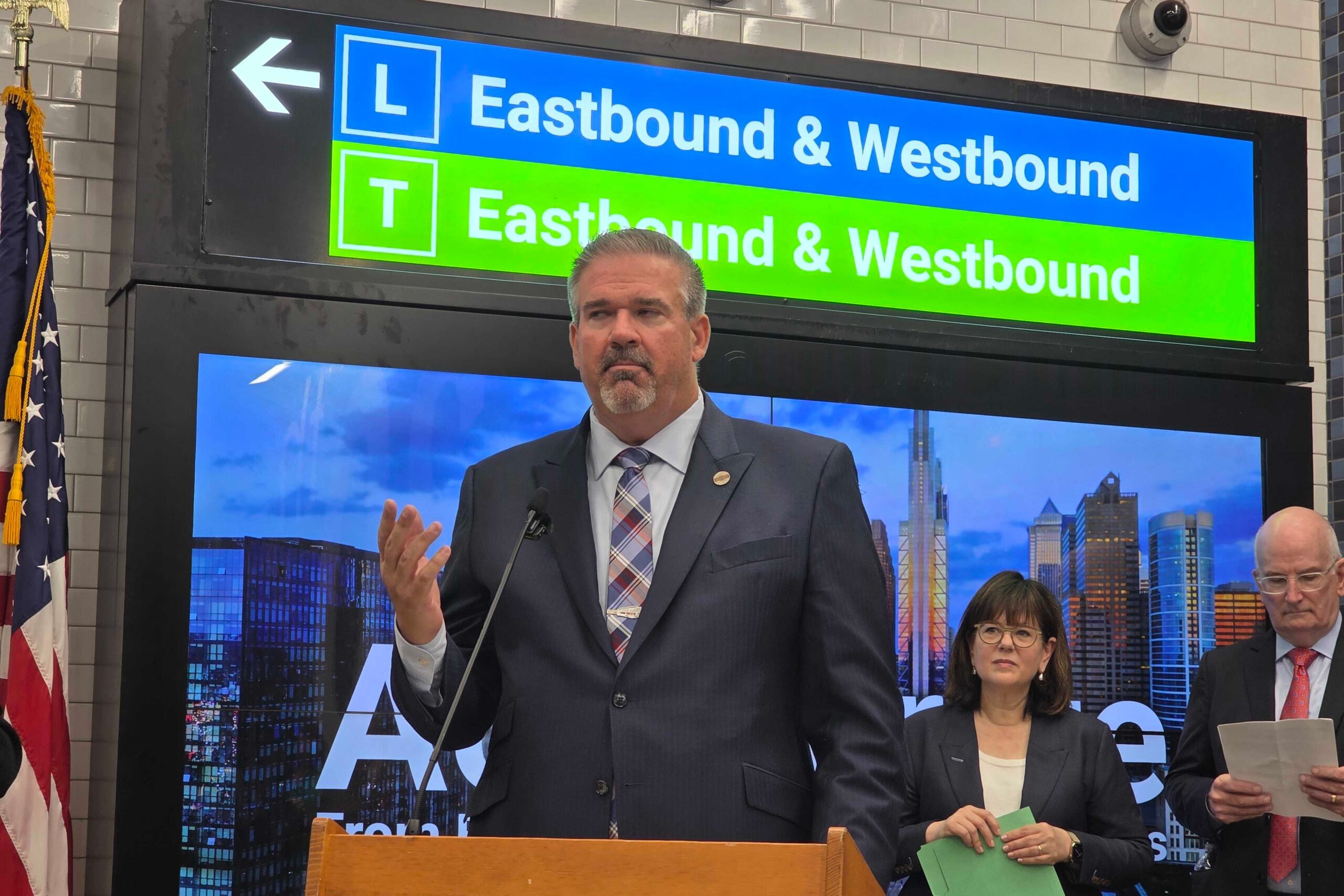
He said ideally, SEPTA would get a consistent flow of funding rather than year-to-year budget patches.
“What we are really looking for is just stability, dedicated funding. Something we can count on for year over year to execute the totality of the plan,” he said.
The aim is to do more than “simply maintaining the system we have, but building a system for the region we are becoming,” he said.

Get daily updates from WHYY News!
WHYY is your source for fact-based, in-depth journalism and information. As a nonprofit organization, we rely on financial support from readers like you. Please give today.
Brought to you by PlanPhilly

PlanPhilly
In-depth, original reporting on housing, transportation, and development.
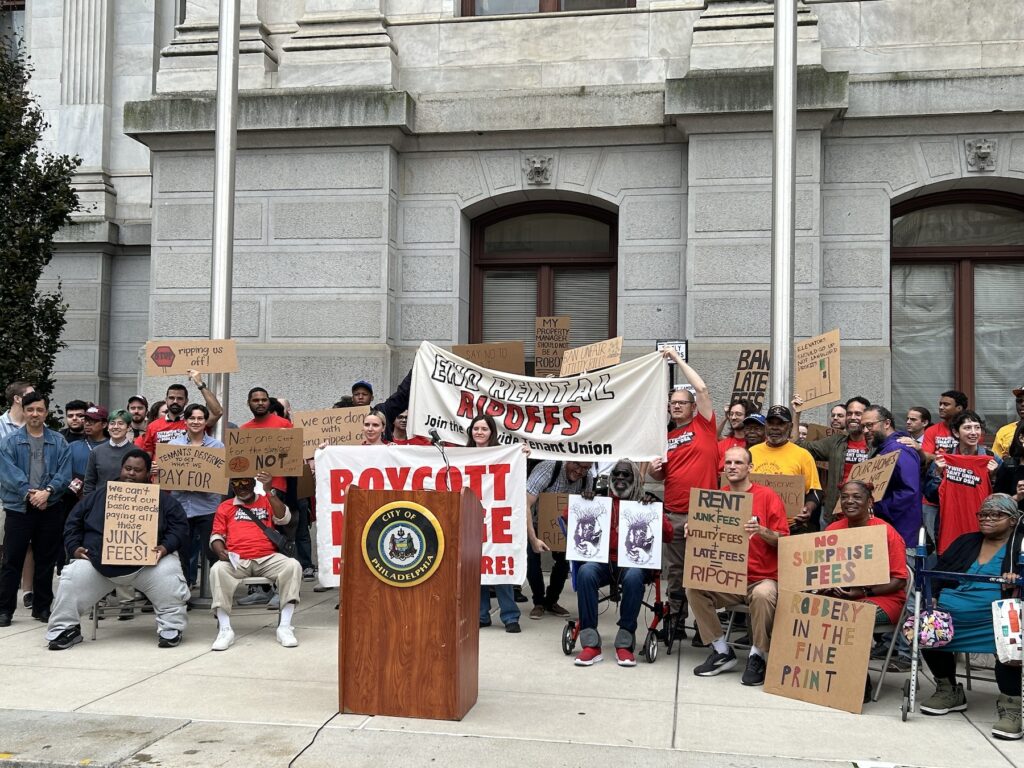
Philly tenants are waging a war against ‘junk’ fees. City Council may help
The fight is part of the “End Rental Ripoffs” campaign launched by members of a citywide tenant union. It’s unclear when legislation will be introduced.
12 hours ago
Listen 0:56
A day spent doing demolition work offers volunteers a firsthand look at Philadelphia’s housing challenges — and how communities respond to them.
22 hours ago
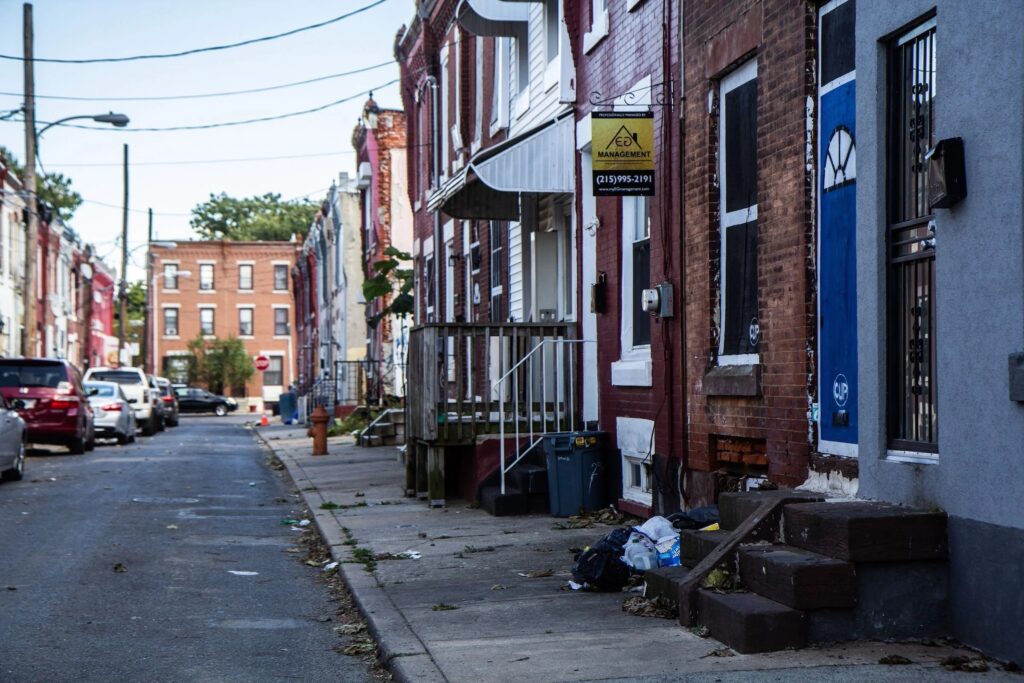
Philly could lose nearly 8,000 affordable rentals over the next decade. Here’s why
Amid a housing shortage, researchers say it’s unclear how many of these units will be preserved as affordable rentals. About 43,000 could vanish statewide.
22 hours ago
Listen 0:59