

Camden residents, advocates push N.J. to seek compensation for neighbors from EMR
The state’s public nuisance lawsuit against a scrap metal recycler over repeated fires seeks operational changes. Residents say that’s not enough.
Listen 1:06
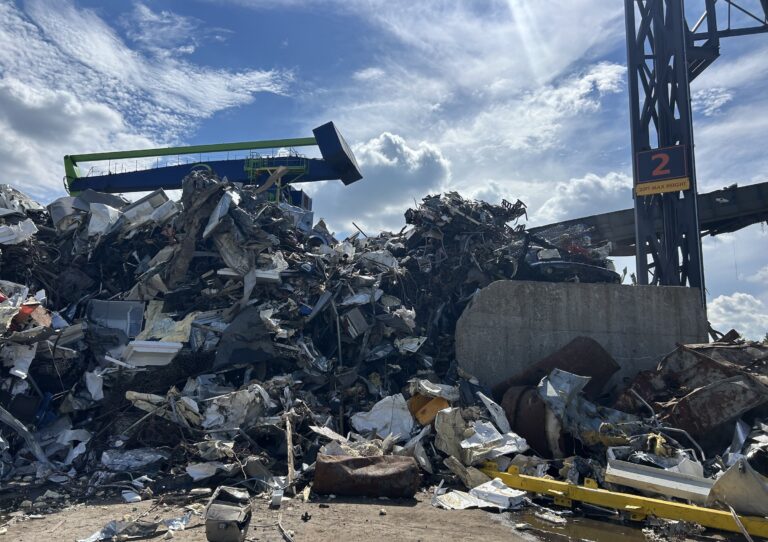
A sign at EMR's scrap metal shredder in Camden indicates the maximum pile height of 20 feet under a law signed by Gov. Mikie Sherrill this summer. (Sophia Schmidt/WHYY)
From Philly and the Pa. suburbs to South Jersey and Delaware, what would you like WHYY News to cover? Let us know!
Camden residents and advocates say the state is not asking for enough in its lawsuit against EMR, the multinational scrap metal recycling company whose facilities in the city have been the site of repeated fires.
The state Office of the Attorney General and Department of Environment Protection sued EMR early this year over what the state claimed were at least a dozen major fires at EMR’s Camden sites since 2020, caused by unsafe conditions that the company created at its facilities. The public nuisance lawsuit asked a Superior Court judge to order EMR to limit the height of its shredder residue piles, monitor the temperature of its material with infrared cameras, hire a consultant to make recommendations to improve its operations and submit reports tracking the amount of material coming in and out of its facilities to the state.
But during a listening session that state officials held Wednesday, several members of the public urged the state to seek compensation for residents rather than merely operational changes at the company. Fires at EMR facilities have forced residents to evacuate their homes and left them with concerns about their health.
Aliyia Jones, who lives just blocks away from EMR’s metal shredder in the Waterfront South neighborhood with her disabled mother, described a traumatizing experience of evacuating her home during fires at EMR, then having to clean smoke residue off blinds, curtains and even her dog when she returned home. She said residents like her have lost days of work and been left with anxiety after the fires.
“How can you move forward with your lawsuit and not take in consideration of the residents?” Jones asked state officials.
Related Content
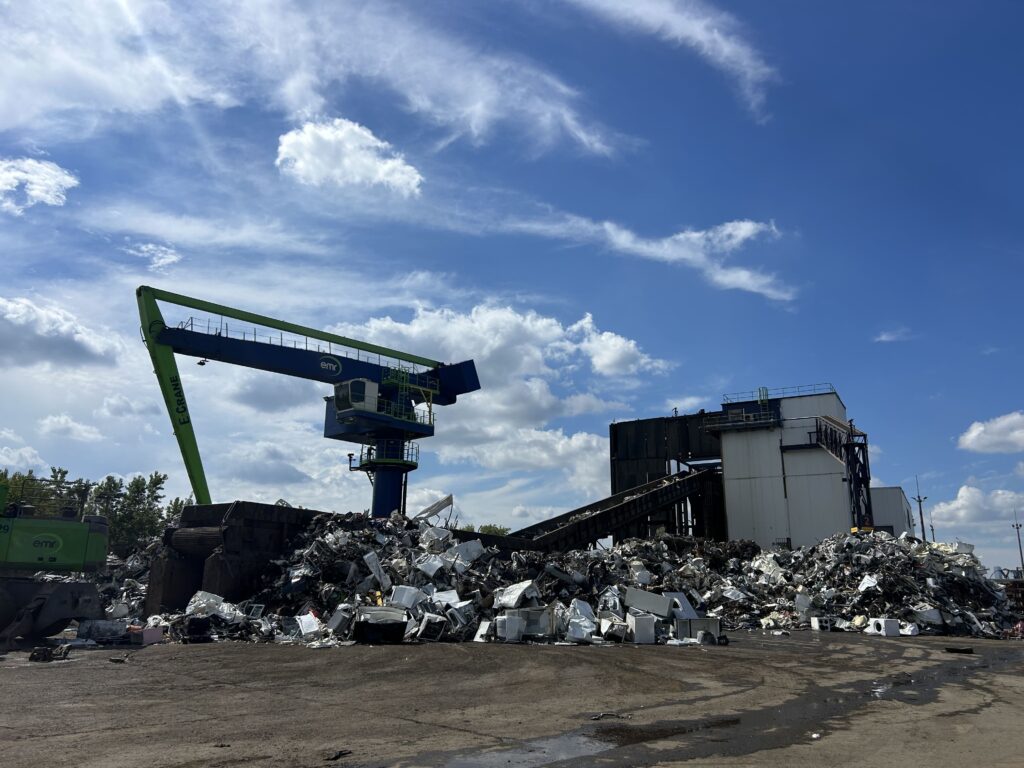
Camden sues scrap metal recycler EMR, claiming company fell short on promised donations
The city accuses the company of violating a 2025 deal to donate to community initiatives after a massive fire at one of EMR’s facilities.
1 week ago
Listen 1:21Last week, New Jersey Superior Court Judge Thomas Booth denied EMR’s request to dismiss the state’s suit. Prior to the hearing, the state and EMR had submitted several joint letters to the judge asking him for more time “to discuss potential resolution of this matter.” In a letter filed in early September, EMR’s lawyers wrote that the parties “have been meeting and conferring in an effort to discuss a potential resolution of this matter, and those discussions are ongoing.”
During Wednesday’s meeting, some public commenters questioned the relief the state is seeking through its suit.
After the latest fire at EMR’s shredder in May, the company took steps meant to improve fire safety that resemble many of the remedies the state is seeking.
In the wake of the May fire, EMR hired a consultant to evaluate its operations and make recommendations for improvement. A judge in a separate lawsuit ordered EMR to implement these recommendations in order to reopen after the city of Camden suspended the company’s junkyard license.
Among these recommendations was for EMR employees to begin using handheld heat detection cameras to screen incoming material. The company has also said that heat-detecting cameras guide the automated fire suppression system it installed this spring under a 2025 agreement with the city reached after a four-alarm fire that year.
A bill signed by New Jersey Gov. Mikie Sherrill this summer limits the height of material piles at scrap metal facilities in the state to 20 feet. During a visit in September, WHYY News observed that material piles at EMR’s shredder site were lower than they had been during a prior visit in May and saw signs posted near the material piles indicating the height limit of 20 feet.
“How are those things that they’re already doing different from what the outcomes are that you’re seeking in the lawsuit?” Kristen Schrum, a resident of Waterfront South who has evacuated her home three times due to fires at EMR’s nearby facilities, asked state officials Wednesday.
Paul Stofa, deputy director of the environmental and clean energy practice group with the New Jersey Office of the Attorney General, declined to answer Schrum’s question.
“I can’t comment on that,” he said. “That would be speculating as to the future.”
In a statement, spokesperson Allison Inserro said that under the state constitution, the attorney general’s office does not represent individual plaintiffs like a private attorney would. She said that in a public nuisance lawsuit, the state can only seek abatement of the nuisance and is “not legally able” to pursue personal injury compensation for the residents.
“Nevertheless, the State remains committed to understanding the full impacts on the community and helping them overcome the challenges inherent with those impacts,” she said.
Several Camden residents filed what they hope will become a class-action lawsuit against EMR in May, seeking compensation for what they claim are “noxious emissions” and other impacts from EMR’s Camden facilities.
Related Content
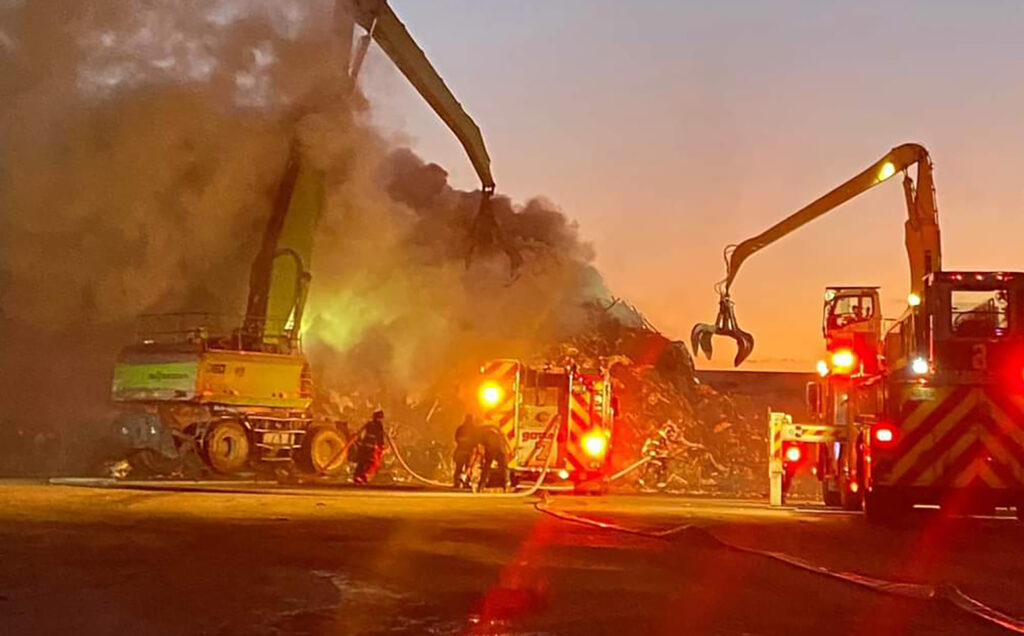
City officials cut a deal meant to protect residents with the scrap metal company. It didn't. “We let them down,” EMR USA CEO Joe Balzano said.
3 months ago
Listen 5:22State officials say they hope to secure changes from EMR that will extinguish fires more quickly and that will minimize the risk of fires occurring at EMR’s facilities.
“We’re going to try our best as the attorneys for DEP to get everything that we can possibly get to improve the situation here,” Stofa said.
Still, Waterfront South resident Betty Musetto said the remedies the state is seeking fall short.
“We don’t want improvements,” Musetto said. “We want EMR moved out of our neighborhood.”

Get daily updates from WHYY News!
WHYY is your source for fact-based, in-depth journalism and information. As a nonprofit organization, we rely on financial support from readers like you. Please give today.
Part of the series
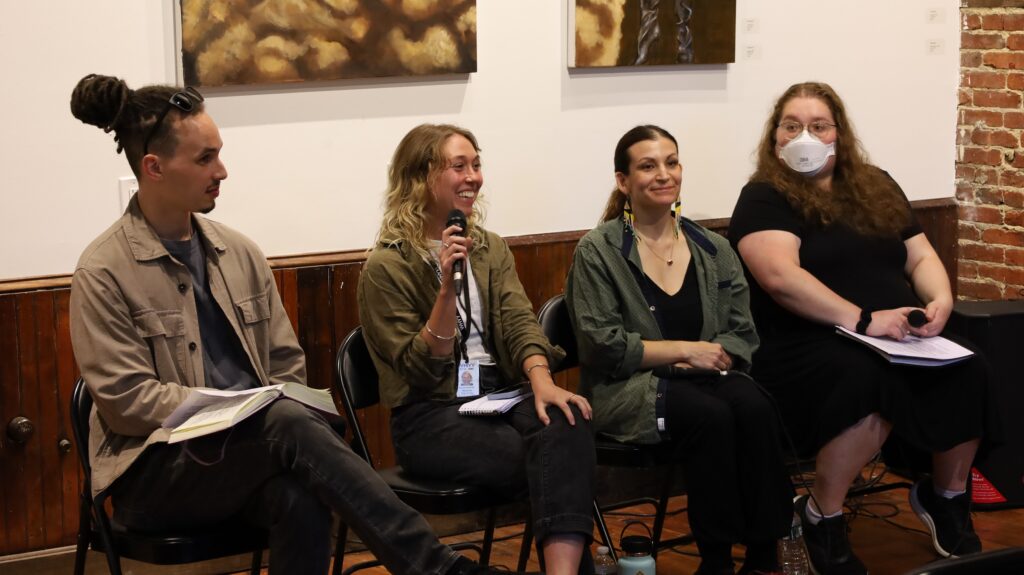
WHYY News and The Margin host community event in Camden to discuss in-depth reporting on EMR fires
Independent journalist Katrina Janco and WHYY’s Sophia Schmidt and Kimberly Paynter discussed their investigative work.
4 weeks ago
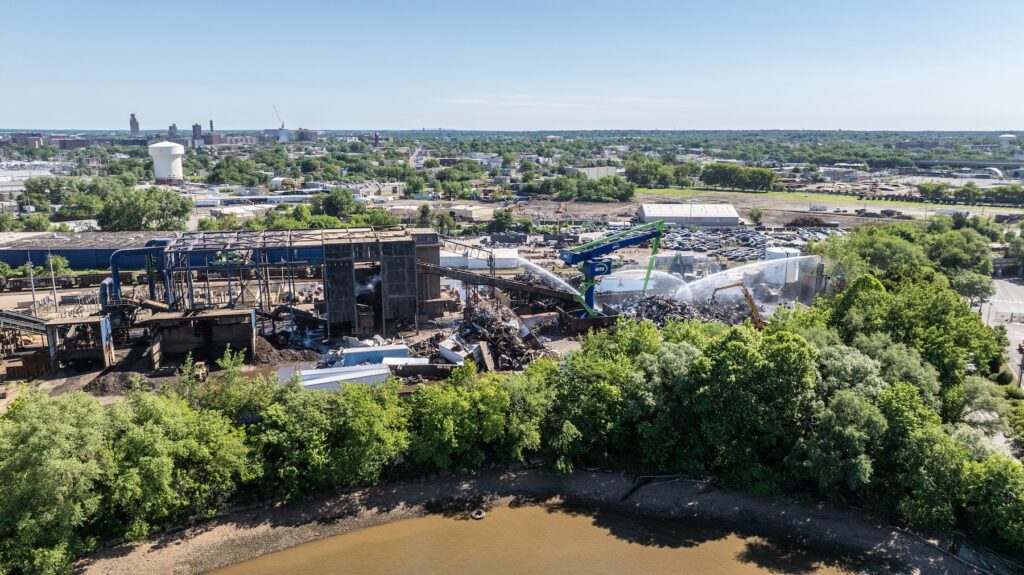
WHYY’s ‘Camden’s Burning Issue’ event will unpack reporting on fire-prone scrap metal recycler
The event will be held Sept. 10 at Camden FireWorks.
1 month ago
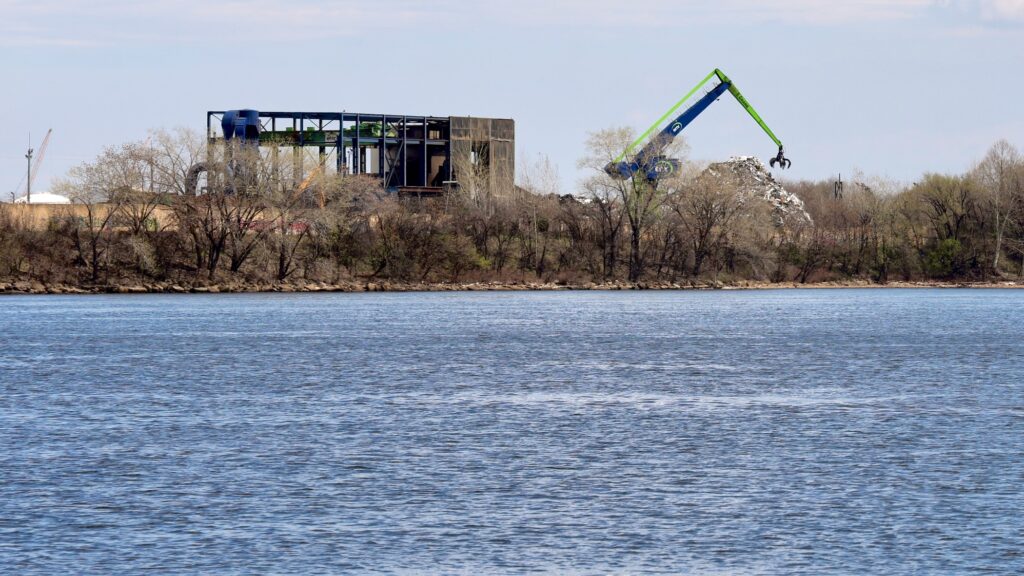
Man critically injured at EMR scrapyard in Camden was ‘impaled’ by blowtorch
The incident occurred just days after a judge allowed EMR to restart its shredder facility following a fire there in May.
2 months ago