

Philly could lose nearly 8,000 affordable rentals over the next decade. Here’s why
Amid a housing shortage, researchers say it’s unclear how many of these units will be preserved as affordable rentals. About 43,000 could vanish statewide.
Listen 0:59
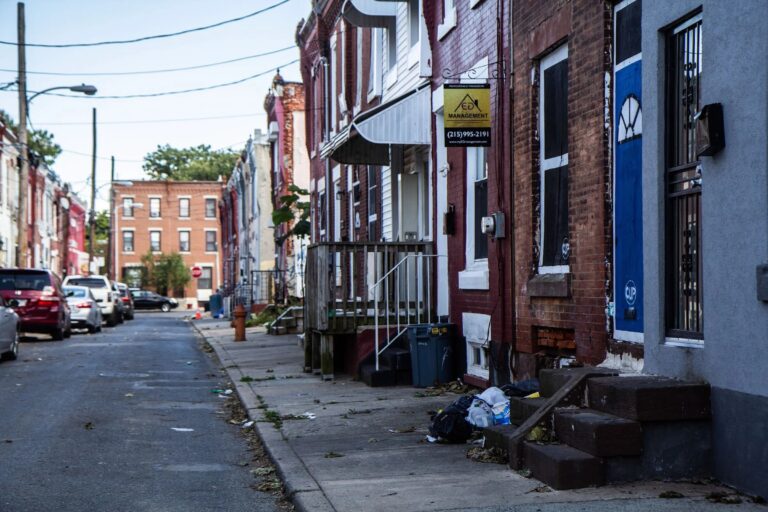
Rowhouses in Philadelphia's Strawberry Mansion neighborhood. (Kimberly Paynter/WHYY)
Have a question about Philly’s neighborhoods or the systems that shape them? PlanPhilly reporters want to hear from you! Ask us a question or send us a story idea you think we should cover.
A new study shows that Pennsylvania could lose more than 43,000 affordable rental units in the coming decade — a looming problem researchers say would exacerbate the state’s ongoing housing crisis.
All of these rentals receive some form of federal support. This includes apartments built with Low-Income Housing Tax Credits, the country’s main mechanism for affordable housing production, as well as deeply affordable units in properties receiving rent subsidies from the U.S. Department of Housing and Urban Development.
The total represents about a quarter of the existing federally supported units in the commonwealth, according to a report released this week by the Housing Initiative at Penn and the Pennsylvania Housing Finance Agency.
“These units that are receiving federal support to be affordable are playing a really important part in keeping people housed,” said HIP research associate Cypress Marrs. “If we lose those units … that could actually be quite devastating.”
All but four counties would be impacted, according to researchers, with Philadelphia and Allegheny County, home to Pittsburgh, poised to experience the greatest losses.
Philadelphia, for example, could lose 7,951 federally backed rental units across 135 properties between 2027 and 2036. This could include nearly 1,000 privately held rentals in West and Southwest Philadelphia — if a deal isn’t reached with the portfolio’s owner.
The units were created with Low-Income Housing Tax Credits, which are administered by the Internal Revenue Service. In exchange for the competitive subsidy, the apartments must remain affordable for a set period of time. That period is currently 40 years but was previously 30 or 35, meaning the affordability restrictions on thousands of units will be rolling off in batches in the coming years. That could set up thousands of tenants to be displaced through potential rent increases, conversions to market-rate housing, sale or redevelopment.
Related Content
Mayor Parker vows to help preserve hundreds of subsidized rentals in the West Philly area
The announcement comes more than a year after the owner of Neighborhood Restorations told the city he planned to sell his portfolio of affordable units.
2 months ago
Listen 1:34More units are being lost than created
The same holds true for affordable units across the state, highlighting the limitations of using those tax credits to create and rehabilitate affordable housing. While the program provides much-needed funding, it is nonrenewable, requiring property owners to file a new application once the credits expire.
By contrast, certain rental subsidies from HUD can be renewed, as long as the owner is a willing partner. That arrangement sat at the heart of the controversy around the ultimate closure of the University City Townhomes in West Philadelphia. After nearly 40 years, the ownership group decided not to renew its contract with the federal government, putting it in a position to demolish the townhomes and sell the land.
This is partly why many federally supported projects in Pennsylvania — nearly half — rely on multiple sources of funding. That gives developers additional resources for construction, but also helps ensure the units remain affordable. For example, some developments are built with Low-Income Housing Tax Credits, but also operate with rent subsidies from the federal government.
The report comes at a time when more federally assisted units are on track to lose their affordability restrictions in Pennsylvania than new units are being built using these subsidies.
According to the report, between 2013 and 2022, just over 12,528 federally supported units were developed across the state. Between 2027 and 2036, 43,301 units are facing expiring affordability restrictions.
“Many of them will renew or refinance, and that’s what we really want to make sure we’re doing with these units. But there is a risk that we would be losing more units than we are potentially creating, and I think that’s the giant fear,” said Bryce Maretzki, the Pennsylvania Housing Finance Agency’s director of policy and planning.
Pennsylvania is working to tackle its broader housing shortage, and the PHFA funded this report as part of that effort.
Gov. Josh Shapiro is pushing for a $1 billion “critical infrastructure fund,” an effort aimed at supporting housing construction across the state. During his budget address in February, the governor told lawmakers it’s time to make a “major investment” in building new and protecting existing units to narrow the state’s supply gap.
“Rather than tinker with this, let’s go big and make a real impact,” Shapiro said.
The request is part of the state’s first-ever Housing Action Plan, which contends that Pennsylvania needs to build 450,000 new housing units by 2035 to meet projected demand. At the current rate of construction, the state will fall short by nearly 185,000, according to the plan.

Subscribe to PlanPhilly
WHYY is your source for fact-based, in-depth journalism and information. As a nonprofit organization, we rely on financial support from readers like you. Please give today.
Brought to you by PlanPhilly

PlanPhilly
In-depth, original reporting on housing, transportation, and development.
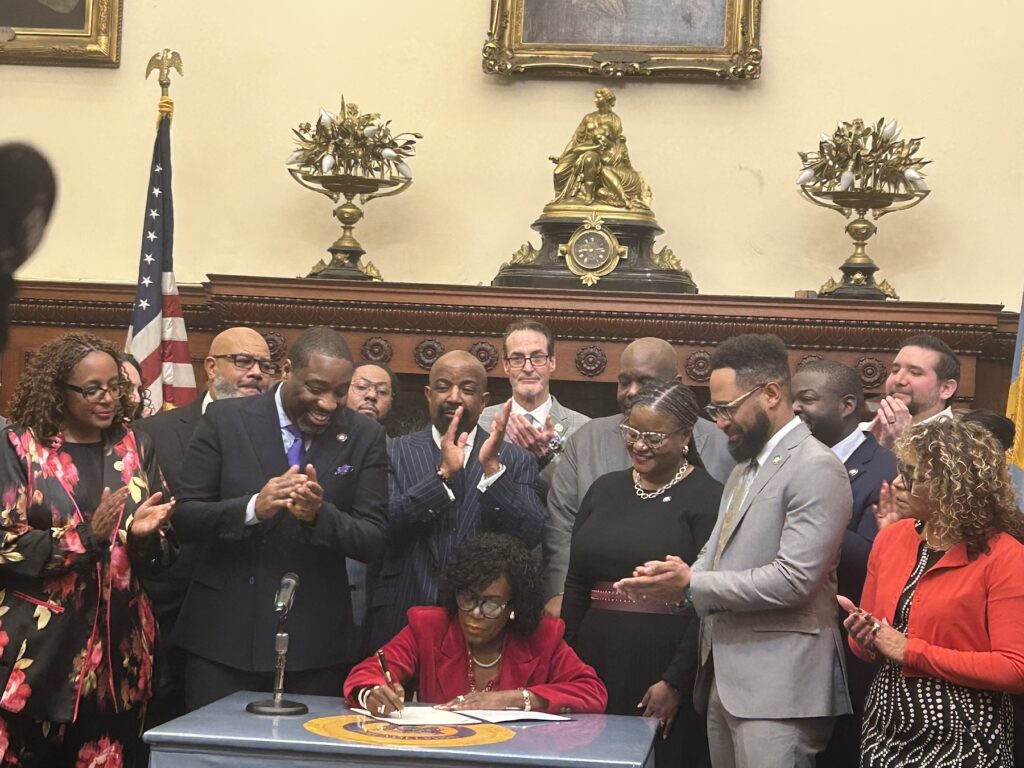
Philly City Council vote unlocks $800M for housing, shifting more aid to lowest-income residents
The legislative hurdle was cleared after intense pressure from Mayor Cherelle Parker opposing the changes to the H.O.M.E initiative's first phase.
9 months ago
Listen 1:06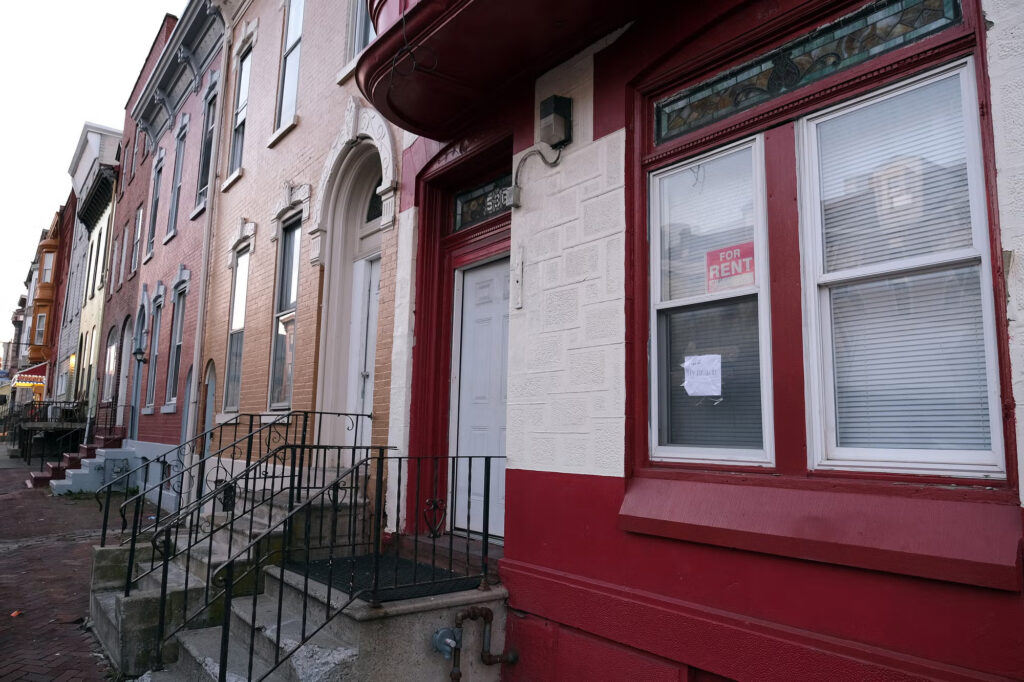
New Pennsylvania loan program seeks to expand affordable rentals for at-risk populations
The $35 million initiative comes courtesy of the American Rescue Plan. The funding will be distributed by the Pennsylvania Housing Finance Agency.
9 months ago
Listen 1:07
Council on track to pass bill barring Philly landlords from ‘price-fixing’ rents
The measure gives the city the ability to sue violators on behalf of tenants.
2 years ago
Listen 1:16