
Volunteers collect over 125,000 of pieces of plastic waste from New Jersey beaches
In 2025, 83% of the trash collected from New Jersey’s beaches were made from plastic.
Listen 1:11
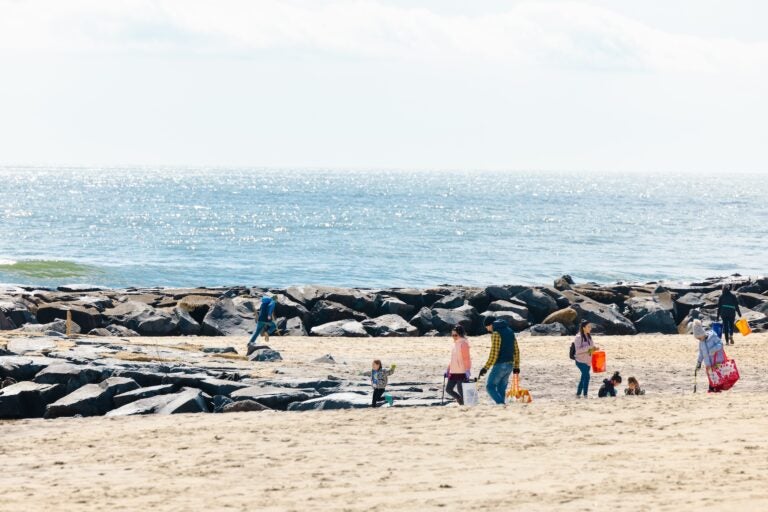
The environmental nonprofit organization Clean Ocean Action has led its annual “Beach Sweeps” over the past 40 years to pick up piles of trash that has washed ashore.(Courtesy of Clean Ocean Action)
This story is part of the WHYY News Climate Desk, bringing you news and solutions for our changing region.
From the Poconos to the Jersey Shore to the mouth of the Delaware Bay, what do you want to know about climate change? What would you like us to cover? Get in touch.
Mangled barbie dolls, a Minnie Mouse head and a tiny toilet that can fit in the palm of your hand — these are some of the strange items that were collected on New Jersey beaches last year.
Clean Ocean Action, an environmental nonprofit organization, has led its annual “Beach Sweeps” over the past 40 years to pick up piles of trash that have washed ashore. Over four decades, volunteers have removed more than 8.9 million pieces of trash.
When the event kicked off in 1985, New Jersey’s beaches were littered in ankle deep trash that was harming marine life, and were often closed to the public because of washed up medical waste.
Though much progress has been made, last year, volunteers collected 169,756 items, 83% of which were made of plastic.
Meg Sulzberg, Clean Ocean Action’s plastic free sea coordinator, said they remain concerned about the thousands of plastic items that continue to litter beaches. Bottle caps and food and candy packaging were among the most common items picked up last year.
“Plastic is pervasive in our life and in our environment. It’s persistent,” Sulzberg said. “When we can shift away from it, whether it’s not taking a plastic fork when you don’t need it, or switching from a plastic cooking utensil to a metal cooking utensil, or a plastic water bottle to a reusable water bottle, those changes are reflected in our environment.”
Around 100 billion plastic beverage containers are sold in the United States each year — much of which ends up in landfills and waterways, polluting the environment and endangering wildlife. Studies also find plastic bottles shed microplastics that can impact a person’s health when ingested.
Related Content

New Jersey’s wildfire season is underway. Here’s what you need to know
New Jersey’s wildfire season, which runs through mid-May, occurs in some of the most fire-prone forests in the country. Climate change is increasing the risk.
1 month ago
Clean Ocean Action is advocating for legislation that would reduce plastic packaging, ban toxic chemicals found in plastics and eliminate the incineration of plastics.
Improvements have been made, however. Fewer plastic bags have been spotted since the state banned plastic bags in 2022.
“When I first started, single-use plastic bags were all over the beach,” said Donna Player, a volunteer “beach captain.” “But now, I don’t think I see any.”
This year, volunteers also collected more than 6,000 cigarette filters, which is the lowest number volunteers have picked up since 2009. However, the number of e-cigarettes documented during the beach sweeps are at an all-time high.
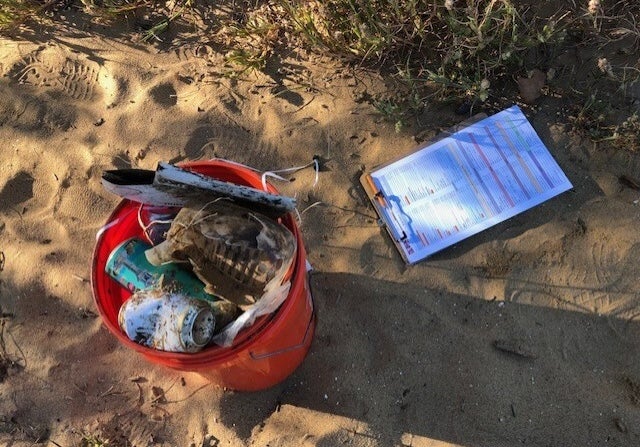
People are encouraged to sign up for this year’s beach sweeps, which take place on Saturday, April 11. Clean Ocean Action Executive Director Cindy Zipf said the data collected during the annual event drives lawmakers to make policies that positively impact the environment.
“People-power makes a difference in terms of what we can do individually to make things better, but our choices also matter,” Zipf said. “People are able to give back to the ocean, which gives them such joy. They give the beaches a good clean sweep for the spring. There’s a lot of wildlife that’s coming back to shore as well. They can feel good about that, but then they also collect this data that can be used over the long term to make things better.”

Get daily updates from WHYY News!
WHYY is your source for fact-based, in-depth journalism and information. As a nonprofit organization, we rely on financial support from readers like you. Please give today.
Part of the series
Earth Day: How climate change is threatening vulnerable species in Pennsylvania
Five decades after the original Earth Day, some Pennsylvania species are still at extreme risk.
5 days ago
Anglers help stock White Clay Creek with trout, celebrate improvements to water quality
Pennsylvania has awarded more than $17 million in grants to 89 state projects to improve water quality and support trout.
1 week ago
Listen 1:17
‘The Jewels of the Forest’: Scarlet tanagers proposed as Pennsylvania’s ‘migratory bird’
Scarlet tanagers migrate to Pennsylvania’s forests each year to breed before heading back to South America.
2 weeks ago
Listen 1:21