

Pennsylvania doctors urge children, adults to vaccinate against flu, COVID-19 and RSV as federal guidance remains thin
The beginning of the fall and winter respiratory illness season approaches as health experts deal with ongoing measles outbreaks.
Listen 1:12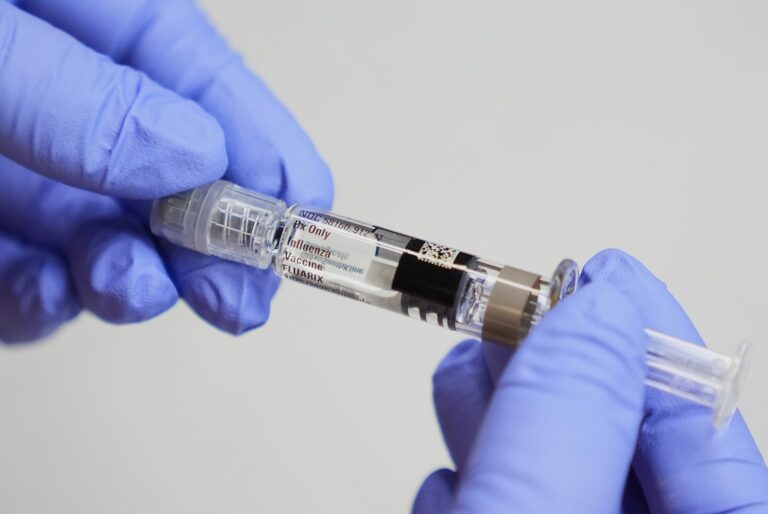
File: A certified medical assistant holds a syringe for a flu vaccine at a clinic in Seattle, on Wednesday, Sept. 10, 2025. (AP Photo/Lindsey Wasson, File)
From Philly and the Pa. suburbs to South Jersey and Delaware, what would you like WHYY News to cover? Let us know!
An ongoing measles outbreak in Pennsylvania has doctors, public health officials, schools and families on alert for new infections, but with fall approaching, the threat of seasonal respiratory illnesses like influenza, COVID-19 and RSV is closing in. These illnesses are likely to affect many more people.
Health experts are urging adults and children to get annual shots to protect them against these diseases, especially as kids return to school and before major holidays filled with travel and get-togethers.
“A lot of parents say, ‘Well, my child is healthy, they don’t really need the flu vaccine.’ But I have seen very healthy children end up in the emergency room or in the hospital, in the [intensive care unit,] who had no underlying conditions,” said Doylestown pediatrician Dr. Toni Richards-Rowley. “And that is preventable with a simple vaccine.”
Pennsylvania health agencies are following vaccine recommendations from the American Academy of Pediatrics, the American Academy of Family Physicians and other national medical organizations that have pledged to closely review and publish evidence-based guidance.
Organization leaders say they hope to boost confidence in vaccines among the public and fill information gaps left by federal agencies like the Centers for Disease Control and Prevention, which did not release new seasonal vaccine recommendations this summer, but instead issued interim clinical considerations for flu shots on Sept. 1 based on last year’s immunization schedule.
Related Content
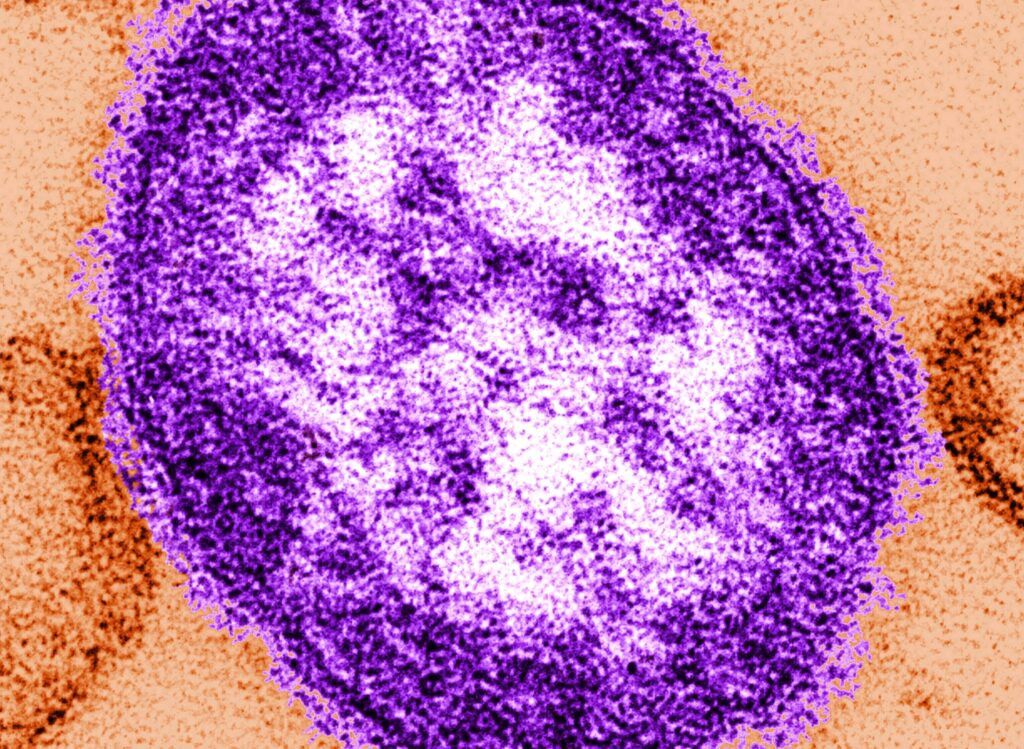
2 unvaccinated Pennsylvanians die after contracting measles as outbreak reaches nearly 400 cases
The measles-associated deaths occurred among two residents of Lancaster County.
2 months ago
Influenza and COVID vaccine recommendations
Updated flu and COVID vaccines that are formulated to match circulating strains this year will be available to children and adults this fall and winter.
Everyone 6 months and older is encouraged to get at least one shot for each respiratory viral disease, according to guidelines.
Some children may need two or more doses of a COVID vaccine if they are getting vaccinated against the virus for the first time, are immunocompromised or have another underlying condition that puts them at high risk for serious complications, according to the American Academy of Pediatrics.
People 65 and older may also get two doses of the COVID vaccine, as well as an enhanced high-dose influenza vaccine recommended for older adults.
While most children and adults can manage symptoms like fever, cough, fatigue and body aches at home, others can become severely ill and need hospitalization and support in an intensive care unit.
“Children who are suffering from sickle cell disease or who have asthma, allergies, other chronic conditions, gastrointestinal issues, cardiac issues, taking anything that suppresses the immune system, are more at risk,” said Richards-Rowley, president of the American Academy of Pediatrics’ Pennsylvania chapter.
Family medicine physician Dr. Andrew Lutzkanin, who practices in Middletown, Pennsylvania, said he likes to remind people that getting vaccinated themselves could benefit others around them who are vulnerable to serious complications.
“A lot of people write off the flu every year as something simple or mild, or ‘I’m a healthy young person, I really don’t need the immunization for this because I’m not at risk,’” he said. “But when you get a vaccine, you help to protect those others.”
The best time to get a flu shot is in September and October, Richards-Rowley said, which gives people time to develop antibodies before they’re potentially exposed. But she added that people should get immunized as soon as possible.
“If you’re an adult, you’re walking through CVS and you see the sign, go get it,” she said. “Because life can sometimes life, and you forget to do it and it’s November or December and all of a sudden, you have a fever of 104 [degrees] and you’re like, ‘Oh man, I forgot to get my flu shot.’”
The U.S. Food and Drug Administration did not approve updated COVID vaccines until late August, so the roll out of those shots may be slightly delayed, Richards-Rowley said.
“But when it is available in your local pharmacy or when it becomes available in your pediatrician’s office, you can get it,” she said. “You can just call and see if it’s available yet.”
Related Content
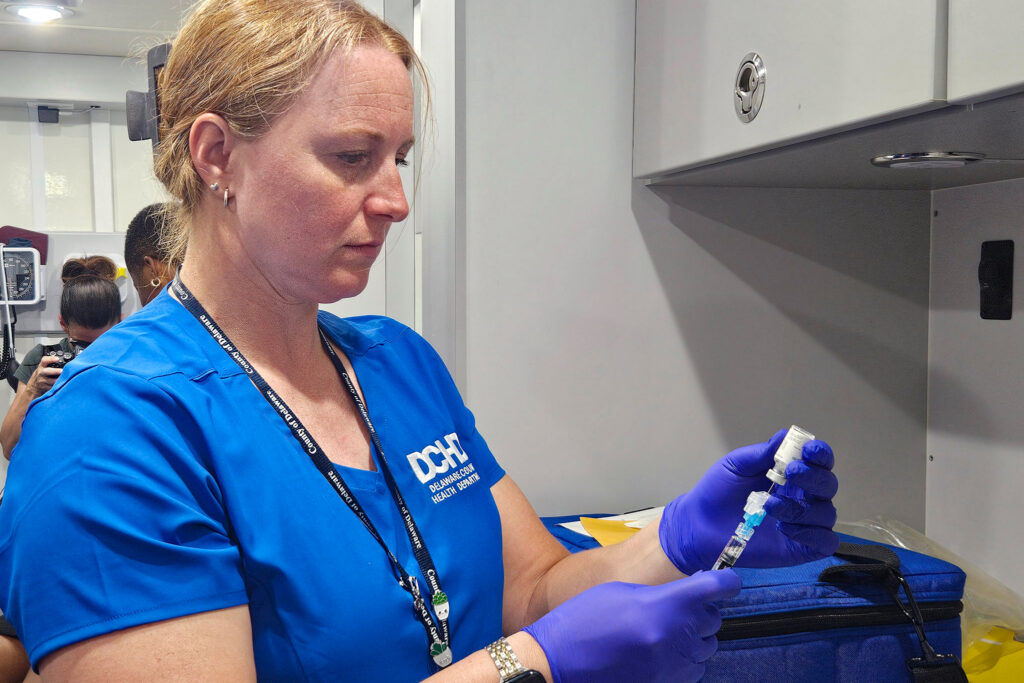
As Pa. measles cases persist, back-to-school vaccine efforts ramp up
As measles infections statewide reach nearly 300 cases, public health leaders are looking toward preventing disease in schools this fall.
2 months ago
Listen 1:56Protection against RSV in pregnancy and infancy
RSV, or respiratory syncytial virus, may cause no more than cold-like symptoms in older children and adults, but an infection in infants can lead to serious complications like pneumonia or bronchiolitis.
Thousands of young children nationwide are hospitalized for RSV every year, and in rare cases, some have died from the illness.
But RSV-associated hospitalizations among newborns have significantly dropped after a vaccine for pregnant women and an antibody treatment for babies became available in 2023, studies show.
“It has been one of those medical miracles that protects these super, super young infants,” said Richards-Rowley.
The American College of Obstetricians and Gynecologists recommends that women get an RSV vaccine between 32 and 36 weeks of pregnancy, and more than two weeks before a planned birth.
Infants born to women and people who get a shot are considered protected from the virus because of the antibodies they receive from their parents.
For newborns without antibodies who are entering their first fall and winter season, health experts recommend they get a monoclonal antibody treatment, which is manufactured under the brand names Beyfortus and Enflonsia.
The antibody shots temporarily boost infants’ ability to fight off the virus when they are exposed. The Beyfortus treatment is also available for young children going into their second year of seasonal respiratory illnesses if they have certain underlying medical conditions.
Preventing infants from severe illness and hospitalization can help spare a family from a traumatic experience, Richards-Rowley said.
“All of a sudden, little Johnny or little Jane gets RSV bronchiolitis, and that’s a very sick kid that you’re worried about and sleepless nights,” she said. “If we can protect parents and families from that trauma, it’s worth it.”
Related Content
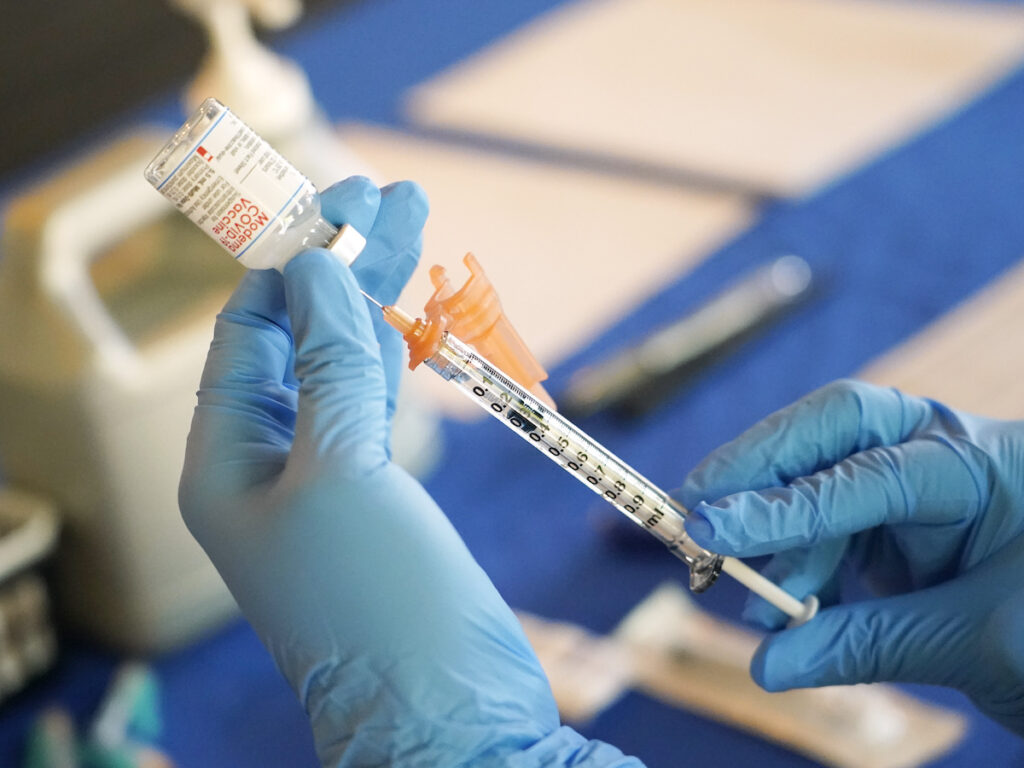
New CDC vaccine recommendations at odds with Pennsylvania, New Jersey school requirements
Vaccines for hepatitis B and meningococcal disease, or meningitis, are no longer broadly recommended for all kids.
9 months ago
Listen 1:12Addressing vaccine concerns at the doctor’s office
Misinformation, conflicting information and poor advice on social media can make it more challenging for parents to get accurate guidance on vaccination, Richards-Rowley said.
That means more families and parents are coming into her office with questions about safety, efficacy and potential side effects of various shots, which she doesn’t shy away from.
“I welcome those questions so that I can make sure that you are doing something to help your child without any doubt in your mind,” she said. “And heaven forbid there is a complication, then we will discuss any aftermath, but at least you went into it feeling like all of your questions were answered, feeling like the benefits far outweigh the risks.”
Lutzkanin, who serves as the president of the Pennsylvania Academy of Family Physicians, is also fielding questions from concerned families. Instead of pushing hesitant parents to agree to all recommended vaccines at once, he takes a more flexible approach, which may mean doing some shots at one appointment and waiting to do others at another time.
“All of us as family physicians are here to really serve as your coach, your guide, to answer those questions, alleviate those concerns,” he said, “because the goal — and I think we can all agree on this — the goal is to keep people healthy.”
Being a health care provider who parents trust and listen to can be critical in helping them make vaccination decisions, Richards-Rowley said. She recently counseled a family who did not vaccinate their children against any diseases, but listened to the doctor’s concerns about measles outbreaks in Pennsylvania, which has caused more than 600 infections so far this year.
“I said, ‘I know your feelings about the other vaccines, but measles does not respect borders. It can cross over into our county at any time, and your baby is at risk.’ And they got the MMR [vaccine]. They trusted my medical knowledge,” she said, referring to the measles, mumps and rubella vaccine. “In this environment right now, every shot counts.”

Get daily updates from WHYY News!
WHYY is your source for fact-based, in-depth journalism and information. As a nonprofit organization, we rely on financial support from readers like you. Please give today.
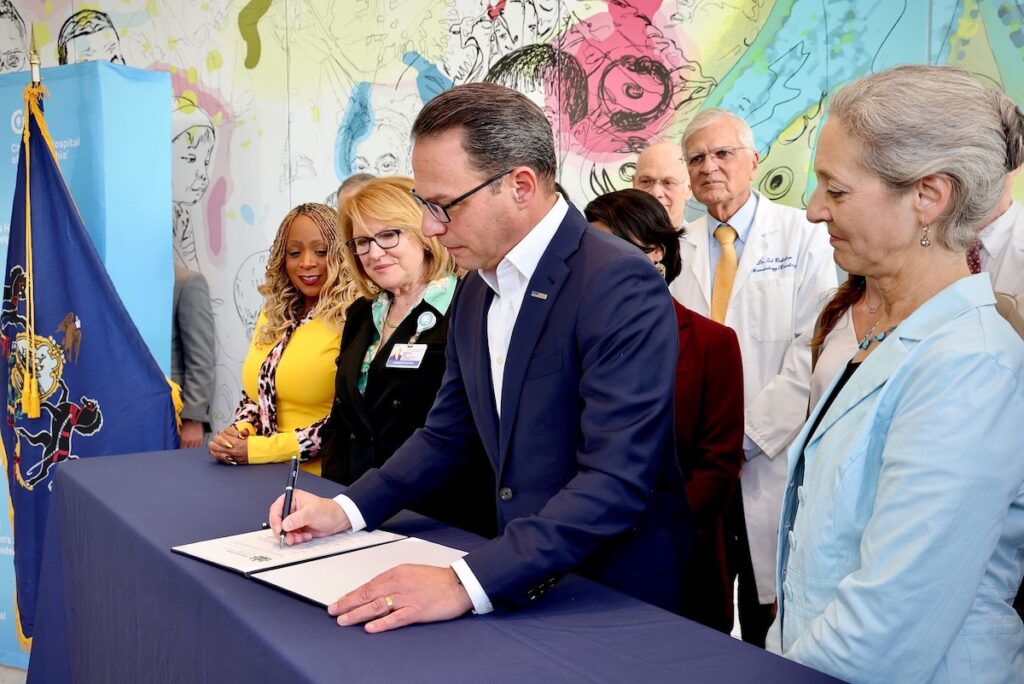
Pennsylvania governor announces new vaccine safeguards, expanded access to shots in executive order
Gov. Josh Shapiro’s executive order, issued Oct. 1, directs state agencies to create vaccine information hubs, safety net programs and insurance requirements.
1 year ago
Listen 1:20
Montgomery County offers free COVID-19, flu vaccines at community clinics
County residents can make an appointment online or walk in to receive their vaccine.
1 year ago
Listen 0:40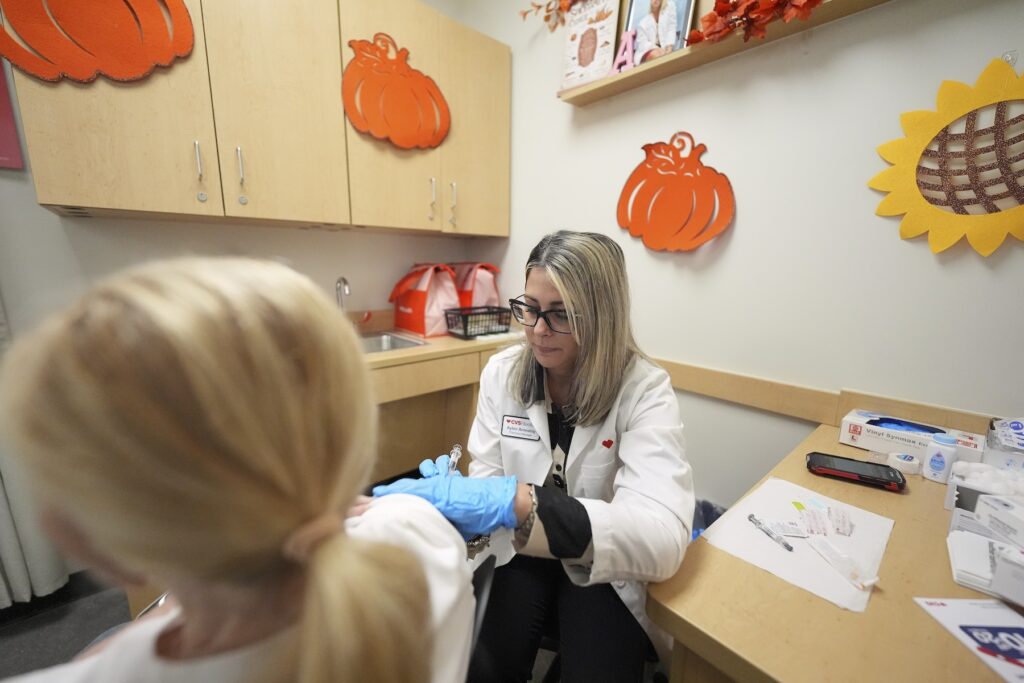
How to get a COVID-19 shot and ensure it’s covered by your insurance
Many people start seeking vaccinations in the late summer or early fall to get protection against any winter surges in cases. Here's a closer look.
1 year ago