

Philadelphia School District revises facilities plan, sparing 2 schools from closure
Community support led to Russell Conwell Middle School and Motivation High School being removed from the proposed closures.
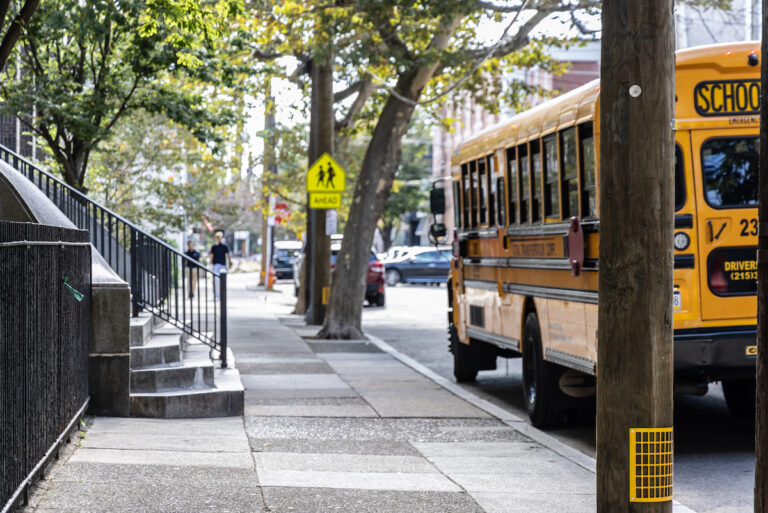
A school bus parks in Philadelphia’s Fishtown neighborhood. (Kimberly Paynter/WHYY)
From Philly and the Pa. suburbs to South Jersey and Delaware, what would you like WHYY News to cover? Let us know!
The Philadelphia School District unveiled changes to the final version of its facilities master plan recommendations at Thursday’s school board meeting, now proposing to close 18 schools across the city instead of 20.
Changes to the proposal
Most notably, Russell Conwell Middle School and Motivation High School were removed from the closure recommendations after receiving outspoken support from families to stay open.
Under Superintendent Tony B. Watlington’s original plan, Conwell would have merged with Alternative Middle Years, or AMY, at James Martin. The two schools are about a mile and a half apart — nearly a 40-minute walk — a commute families raised concerns about.
By instead using Elkin Elementary School as a feeder for Conwell, the district can boost enrollment while keeping students within walking distance of school, Watlington said.
Motivation will merge with Paul Robeson High School, becoming “Motivation-Robeson,” and will continue to operate at the Motivation site.
The building infrastructure at Motivation is “significantly better” than Robeson’s, according to Watlington. He said community feedback found that families were open to closing Robeson if a better option was presented.
“With Motivation High School, there’s adequate space … and the building infrastructure is appropriate for us to do that,” Watlington said.
While Lankenau Environmental Science Magnet High School is still recommended to close, students will merge with W. B. Saul High School of Agricultural Sciences. The new choice aligns better with the offerings Lankenau could provide, according to the district.
“The environmental theme at Lankenau can fit nicely with the W.B. Saul agricultural campus,” Watlington said. “There are some connections with regard to the curriculum.”
One of Lankenau’s most distinctive features is its location on 400 wooded acres next to the Schuylkill Center for Environmental Education.
Unlike the more urban Roxborough High School — where Lankenau was originally slated to merge — W.B. Saul offers the largest agricultural program in the country on a 150-acre working farm that sits directly beside Fairmount Park.
Related Content
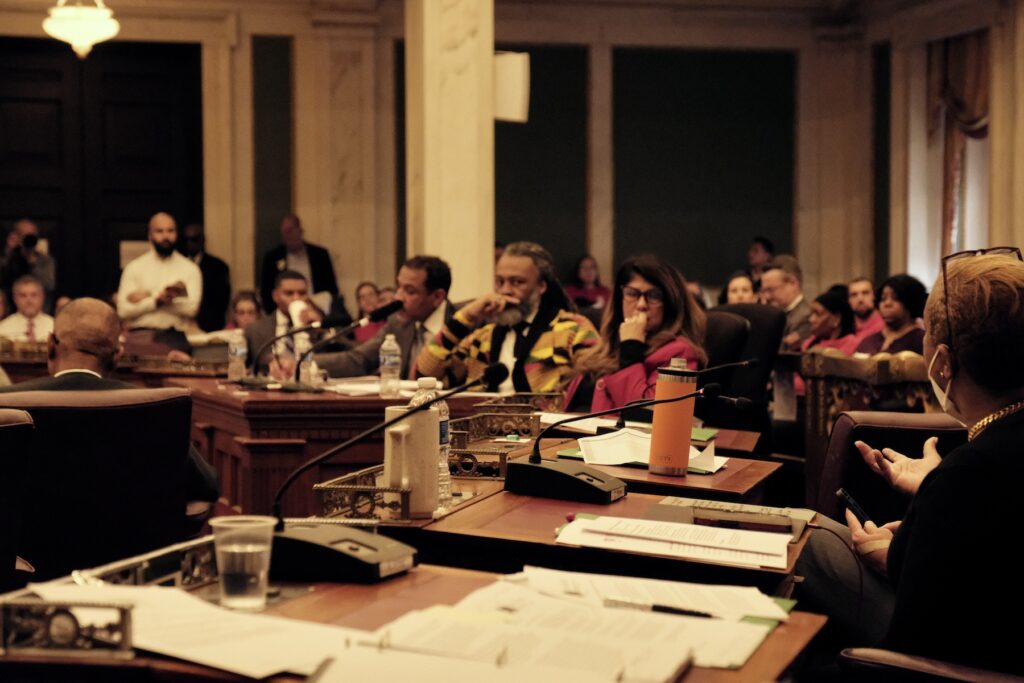
Philadelphia school officials defend proposed school closures at a crowded City Council meeting
City Council members raised concerns that the proposed closures will disproportionately affect Black students.
8 months ago
Inside the final plan
The finalized facilities plan will cost $2.8 billion, with $1 billion funded by district resources and $1.8 billion from public and philanthropic sources. The project is expected to take 10 years to complete.
A full list of the proposed building changes includes:
- Modernizing 159 facilities
- Maintaining 124 facilities
- Co-locating programs in six facilities
- Closing and repurposing 10 facilities for district use
- Closing and conveying eight facilities to the city for affordable housing or job creation
This plan aims to reduce the district’s “poor” or “unsatisfactory” school buildings from 85 to zero, while expanding access to career and technical education and district-affiliated pre-kindergarten.
Changes would not go into effect until the 2027-28 school year, and a transition team will be assembled to support families and staff throughout the process.
Related Content
Philly school board hears on closures, stalled contracts and student wellness
Thursday’s board meeting featured principals and parents alike concerned about the state of contract negotiations and school closures.
11 months ago
What happens next
District leaders stressed that the board is not voting on specific school closures or mergers yet, but rather on a broader facilities framework that will likely change over time.
Reginald Streater, president of the Philadelphia Board of Education, said the plan should be viewed as flexible and evolving, based on current information and future feedback.
“I think this is going to be a resolution based off of what we know now, a plan that is dynamic, that can evolve over time,” said Streater at a City Council meeting last week. “I don’t think you’re going to get what the board votes.”
The board will host a town hall on March 12 with representatives from all affected schools, featuring 60 general speakers and 30 student speakers.
Residents can also submit comments in advance online.
Deputy Superintendent Oz Hill said that the district needs to continue to have community input to build the best strategy forward. He does not consider the criticism as pushback.
“It’s a good plan, it is not a perfect plan,” Hill said. “The scrutiny, the critical thinking, the vetting that’s going to take place, is needed so we can do the very best job to support the growth of our students and our families.”

Get daily updates from WHYY News!
WHYY is your source for fact-based, in-depth journalism and information. As a nonprofit organization, we rely on financial support from readers like you. Please give today.
Part of the series
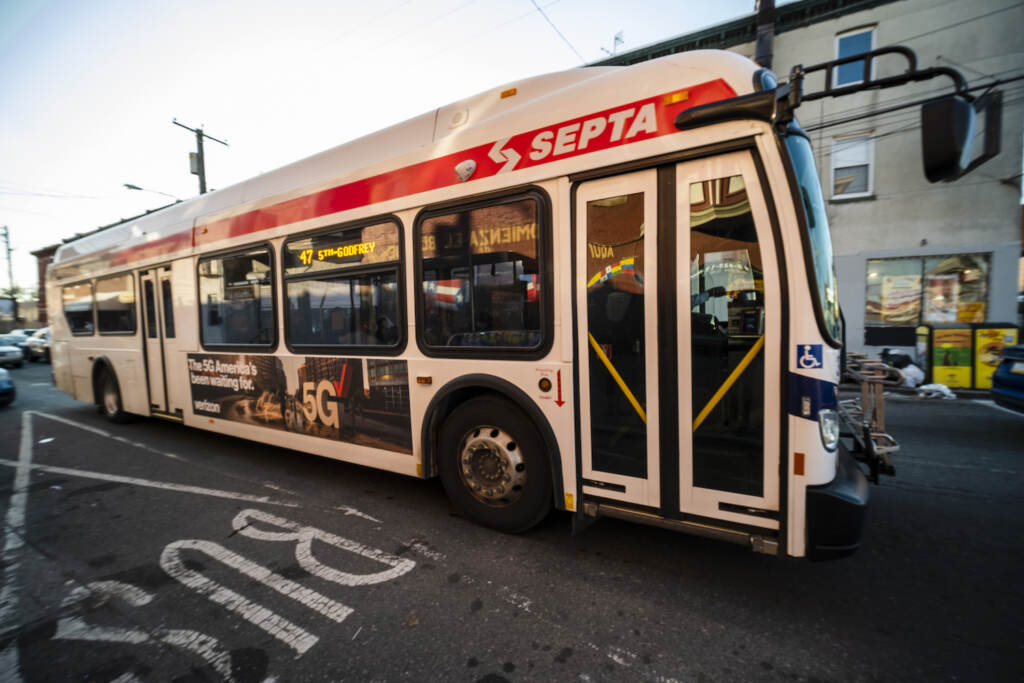
Philly teens advocate for universal free student SEPTA passes
As City Council weighs an expansion of the student SEPTA program, issues around trust of teens have emerged.
3 days ago
Listen 1:04
Philly school board hears on closures, stalled contracts and student wellness
Thursday’s board meeting featured principals and parents alike concerned about the state of contract negotiations and school closures.
11 months ago
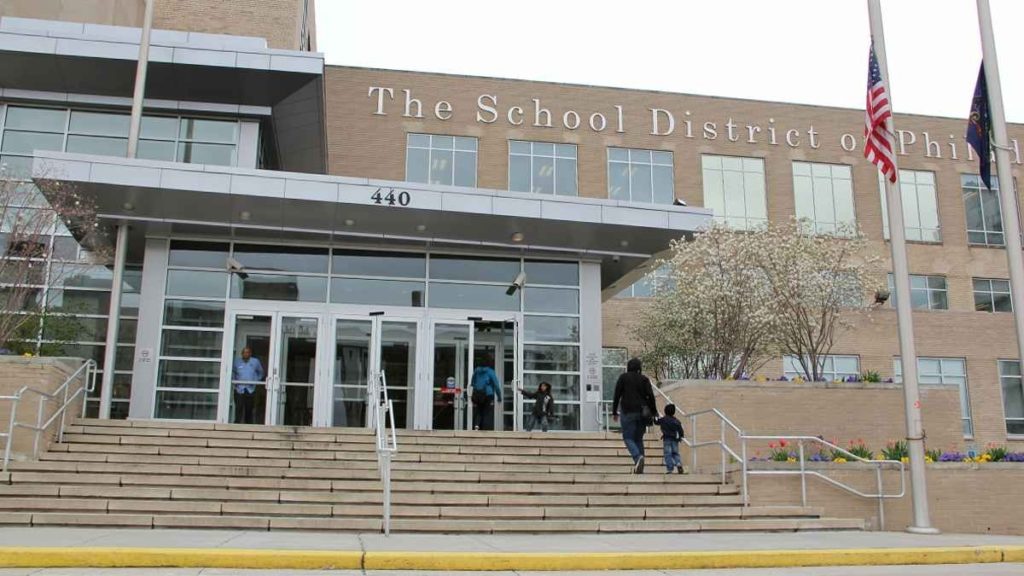
School District of Philadelphia sues city over new inspection law which could close some schools
The district’s lawsuit argues the city doesn’t have the authority to close schools and that the law itself is vague and undeveloped.
4 years ago